
Aleksander Aamodt Kilde Named to Norwegian National Team Following Grueling Injury Rehabilitation
After withdrawing from the 2026 Winter Olympics to address lingering back issues, the former overall World Cup champion has officially rejoined the Norwegian squad for the upcoming season. The announcement signals Kilde's intent to resume his career after surviving a life-threatening crash in 2024.
By Factlen Editorial Team
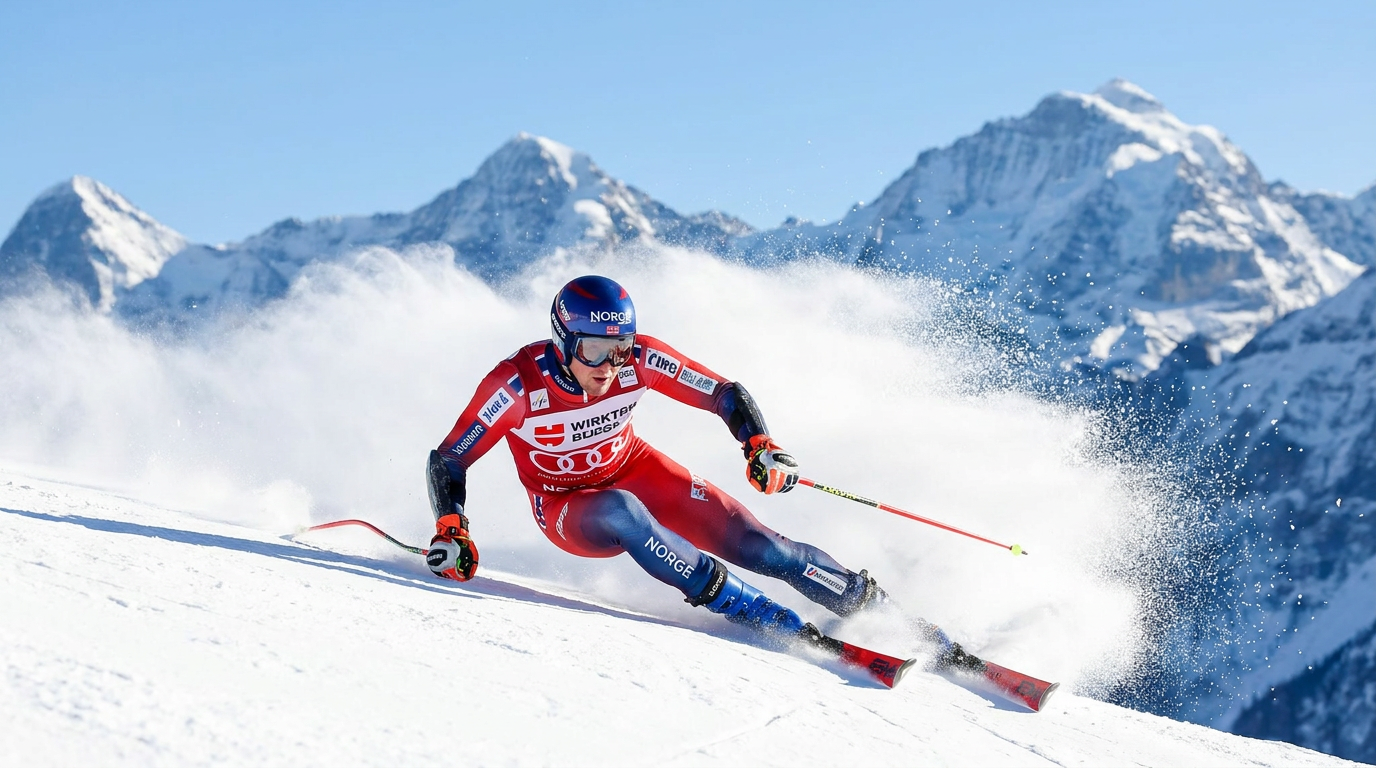
- Athlete & Support Team
- Focuses on the physical and mental toll of recovery and the determination to return.
- National Federations
- Focuses on roster management, long-term athletic health, and official return timelines.
- Official Governing Bodies
- Focuses on race results, standings, and the broader competitive landscape.
What's not represented
- · Independent sports biomechanics researchers
- · Younger athletes competing for national team roster spots
Why this matters
Kilde’s return restores one of the sport's most dominant speed specialists to the World Cup circuit. His journey from a life-threatening infection to the national team roster highlights the extraordinary advancements in modern sports rehabilitation and athlete resilience.
Key points
- Aleksander Aamodt Kilde has been named to the Norwegian national team for the 2026–2027 season.
- The 33-year-old speed specialist previously withdrew from the Milan-Cortina Olympics due to back issues.
- His injuries stem from a devastating January 2024 crash that caused nerve damage and sepsis.
- Kilde started seven World Cup speed events in late 2025 before halting his comeback.
- Swiss skier Corinne Suter successfully returned from a December 2025 crash to win a downhill race in February.
Aleksander Aamodt Kilde has officially been named to the Norwegian national alpine ski team for the 2026–2027 season, marking a major milestone in one of the most grueling injury recoveries in modern snow sports.[1]
The announcement confirms the 33-year-old speed specialist's intent to continue his World Cup career. It comes just months after he made the difficult decision to withdraw from the Milan-Cortina Winter Olympics and end his 2025–2026 season early to focus on long-term health.[1][2]
Kilde’s ordeal began in January 2024 with a devastating high-speed crash on the Lauberhorn downhill course in Wengen, Switzerland. The fall resulted in a severe laceration to his right calf that caused nerve damage and a loss of feeling, alongside a complicated dislocation of his left shoulder that severed ligaments and damaged his rotator cuff.[2][3]
The initial trauma was compounded by life-threatening complications. Following his shoulder surgeries, Kilde battled severe infections and sepsis, which required additional procedures and extended his initial absence from the World Cup circuit to 22 months.[3]

After intensive rehabilitation, Kilde attempted a comeback in late 2025, returning to the start gate for the super-G at Copper Mountain in November. He managed to start seven World Cup speed events during that brief window, securing three top-30 finishes and proving he could still navigate the demanding courses.[2][5]
After intensive rehabilitation, Kilde attempted a comeback in late 2025, returning to the start gate for the super-G at Copper Mountain in November.
However, the rapid transition back to full-speed training placed an unexpected and unsustainable strain on his body. Lingering back issues forced him to miss the iconic Hahnenkamm races in Kitzbühel and struggle through the Crans-Montana weekend.[3]
Recognizing that his body needed more time to adapt, Kilde halted his comeback in February 2026. "I have done everything I possibly could to be ready, but my mind and body are not performing the way I need them to," he stated, opting to play the long game rather than risk permanent damage at the Olympics.[2][4]
Now, his inclusion on the Norwegian roster signals that the long game is paying off. As the ski world shifts its focus to Southern Hemisphere training camps, Kilde is utilizing the off-season to rebuild his strength without the immediate pressure of the World Cup calendar.[1][4]
Kilde is not the only high-profile skier navigating the complex return-to-snow protocol this year. Swiss downhill champion Corinne Suter provided a blueprint for resilience after suffering a torn calf muscle, bruised knee, and fractured foot during a December 2025 training crash in St. Moritz.[6]

Suter avoided surgery but faced a compressed recovery timeline. By late February 2026, she had not only returned to the circuit but captured a World Cup downhill victory in Soldeu, Andorra, proving that elite speed can be recovered after significant mid-season trauma.[6]
For Kilde, the goal is similar: finding the form that earned him the 2022–2023 Downhill Crystal Globe. While the Norwegian federation has not yet confirmed his exact race schedule for the upcoming winter, his roster spot ensures he will have the full backing of the national team's medical and coaching staff.[1][3]
"At this point, I've accomplished my comeback," Kilde reflected when he paused his season earlier this year. "I've seen the pace, felt it in my body, and now I know exactly what it will take to climb back to the top."[4]
How we got here
Jan 2024
Kilde suffers a severe laceration and shoulder dislocation in a high-speed crash in Wengen.
Nov 2025
Kilde returns to the World Cup at Copper Mountain after battling sepsis and multiple surgeries.
Dec 2025
Corinne Suter suffers multiple leg injuries in a St. Moritz training crash.
Feb 2026
Kilde withdraws from the Milan-Cortina Olympics to focus on long-term recovery; Suter wins a downhill race in Soldeu.
April 2026
Kilde is officially named to the Norwegian national team for the 2026–2027 season.
Viewpoints in depth
Athlete Support Teams
Focusing on the physical and mental toll of recovery and the determination to return safely.
For the coaches and physiotherapists surrounding elite skiers, the primary challenge is managing the athlete's drive to compete against the biological realities of tissue healing. Kilde's initial comeback attempt highlighted how rapidly returning to full-speed downhill training can trigger secondary injuries, such as severe back pain, as the body compensates for weakened muscles. Support teams emphasize that 'playing the long game' is the only sustainable strategy when recovering from compound trauma involving nerve damage and sepsis.
National Federations
Prioritizing roster management, long-term athletic health, and official return timelines.
National governing bodies like the Norwegian Ski Federation face the delicate task of holding roster spots for recovering veterans while developing younger talent. By officially naming Kilde to the 2026–2027 squad, the federation provides him with the necessary financial, medical, and logistical backing to complete his rehabilitation. This institutional patience reflects a growing recognition within snow sports that rushing a star athlete back for a single mega-event often jeopardizes their long-term career viability.
What we don't know
- Whether Aleksander Aamodt Kilde will be ready to compete in the season-opening races in Sölden this October.
- How the lingering nerve damage in Kilde's calf will affect his edge control on icy downhill courses.
Key terms
- Super-G
- Super Giant Slalom, a racing discipline that combines the sheer speed of downhill with the technical turns of giant slalom.
- Sepsis
- A life-threatening condition that arises when the body's response to an infection causes injury to its own tissues and organs.
- Rotator Cuff
- A group of muscles and their tendons that act to stabilize the shoulder, frequently injured in high-speed ski crashes.
- Crystal Globe
- The trophy awarded to the season-long points leader in a specific World Cup discipline or the overall standings.
Frequently asked
Will Aleksander Aamodt Kilde race in the 2026-2027 season?
Yes, he has been officially named to the Norwegian national team roster, signaling his intent to return to World Cup competition.
Why did Kilde withdraw from the 2026 Olympics?
He experienced severe back issues caused by the rapid transition back to full-speed training, prompting him to end his season early to avoid permanent damage.
What happened to Corinne Suter?
Suter suffered a torn calf muscle and fractured foot in December 2025, but successfully recovered to win a World Cup downhill race in February 2026.
Sources
Source coverage
6 outlets
3 viewpoints surfaced






[1]The Straits TimesNational Federations
Alpine skiing-Kilde rejoins Norwegian team for new season after injury recovery
Read on The Straits Times →[2]Ski Racing MediaAthlete & Support Team
Aleksander Aamodt Kilde Withdraws From Milan-Cortina Olympics
Read on Ski Racing Media →[3]SnowBrainsAthlete & Support Team
Aleksander Aamodt Kilde Bidding Farewell to 2025-26 Season
Read on SnowBrains →[4]CBS 8Athlete & Support Team
Norwegian skier Aleksander Kilde withdraws from Winter Olympics
Read on CBS 8 →[5]Olympics.comNational Federations
Aleksander Aamodt Kilde set for super G return at Copper Mountain
Read on Olympics.com →[6]FISOfficial Governing Bodies
Suter back on winner's list in Soldeu
Read on FIS →
More in sports
See all 30 stories →Standings
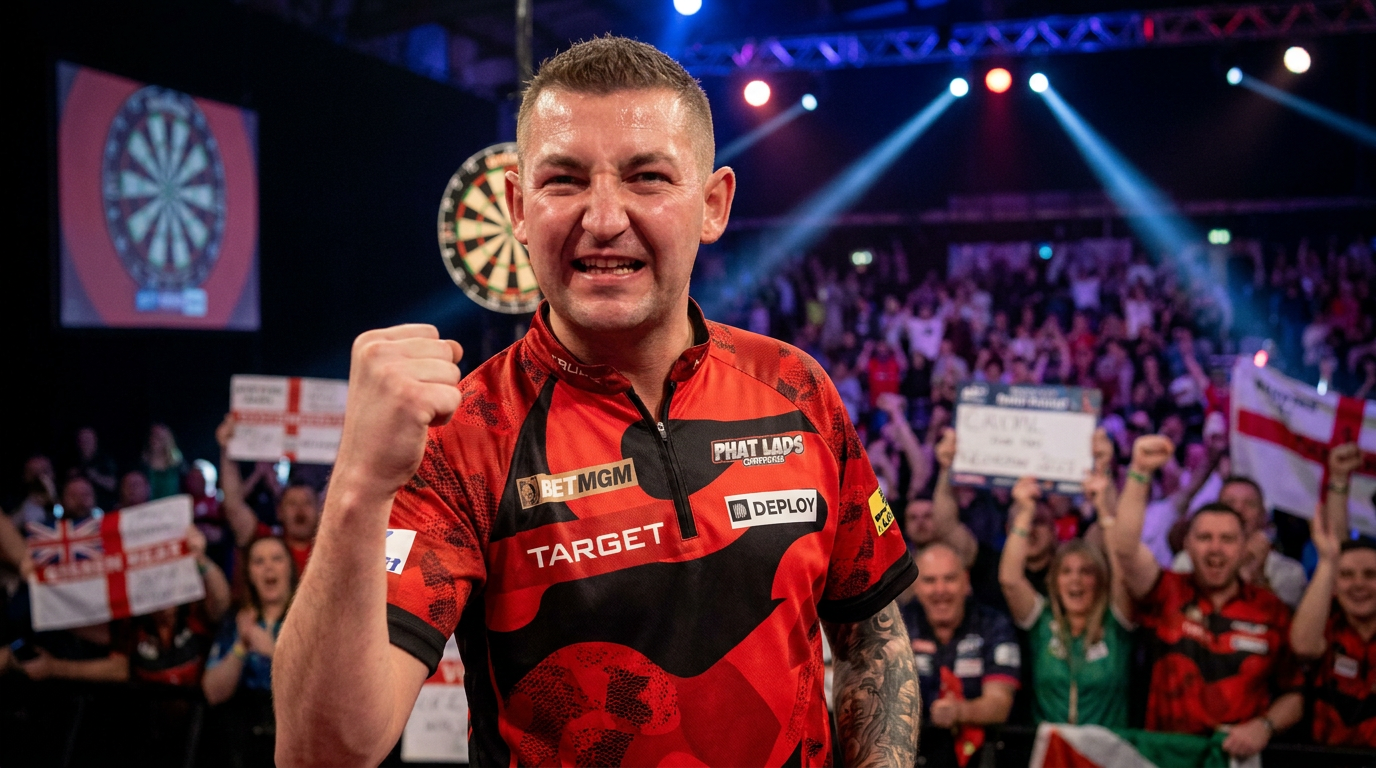
Wessel Nijman and Luke Woodhouse Surge to the Top of PDC ProTour Standings
6 sources

Olympic Qualification
FIBA OQT Concludes: Greece, Brazil, Spain, and Puerto Rico Claim Final Olympic Basketball Spots
5 sources

Injury
Triathlon Injury Report: Slupek's 10-Month Comeback and Vannerson's Rapid Recovery Highlight June Returns
6 sources
Standings
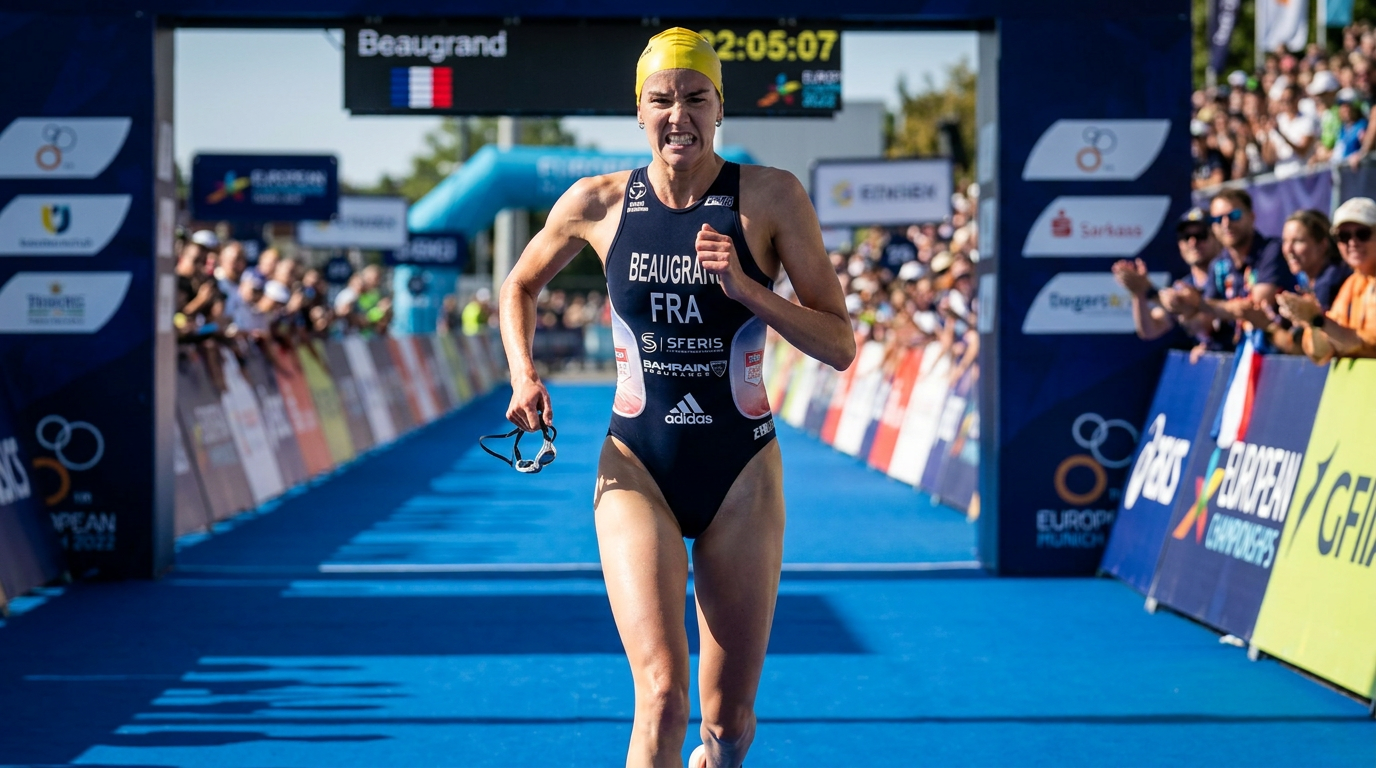
Global Triathlon Standings: Wilde Commands T100 as Van Riel Extends Perfect Ironman 70.3 Streak
8 sources
Every angle. Every day.
Get sports stories with full source coverage and perspective breakdowns delivered to your inbox.