
A 75-Kilowatt Laser Just Solved Cryo-Electron Microscopy's Biggest Blind Spot
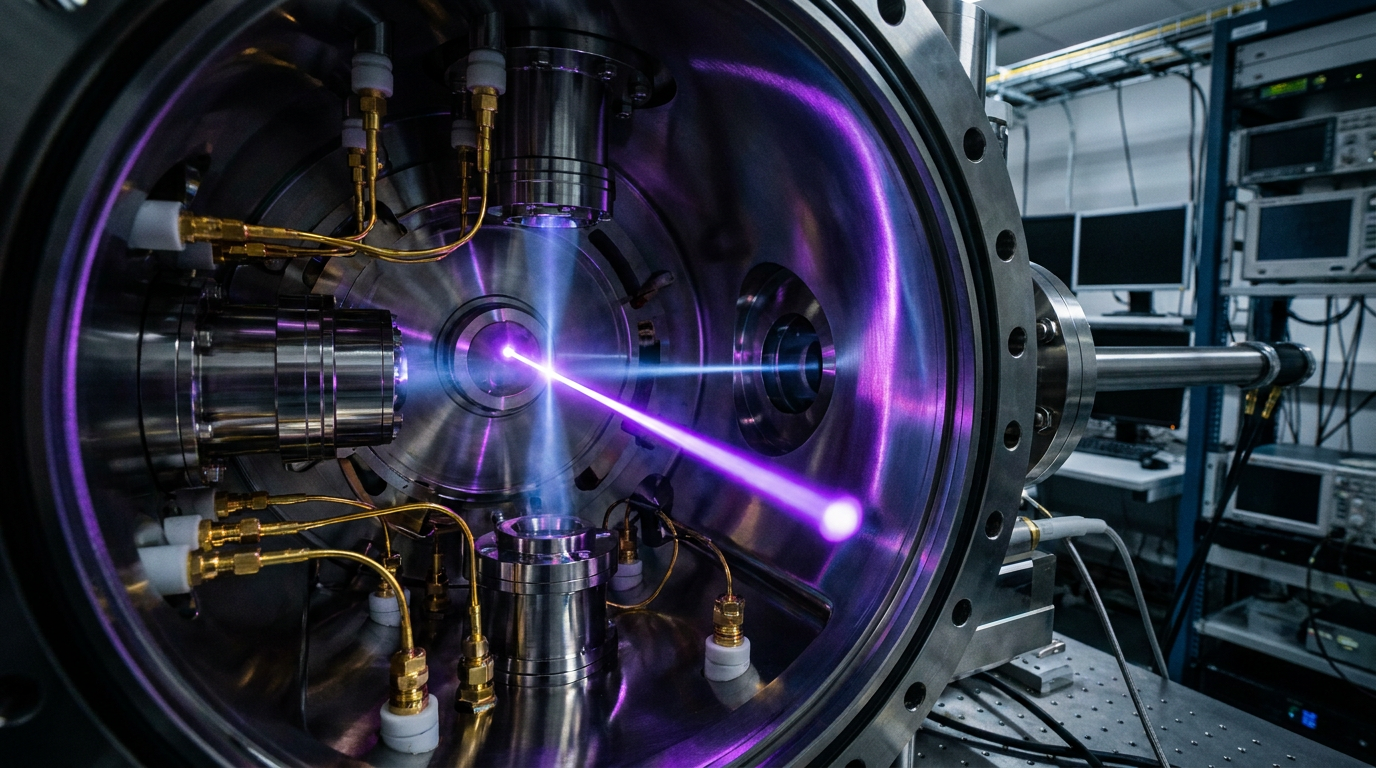
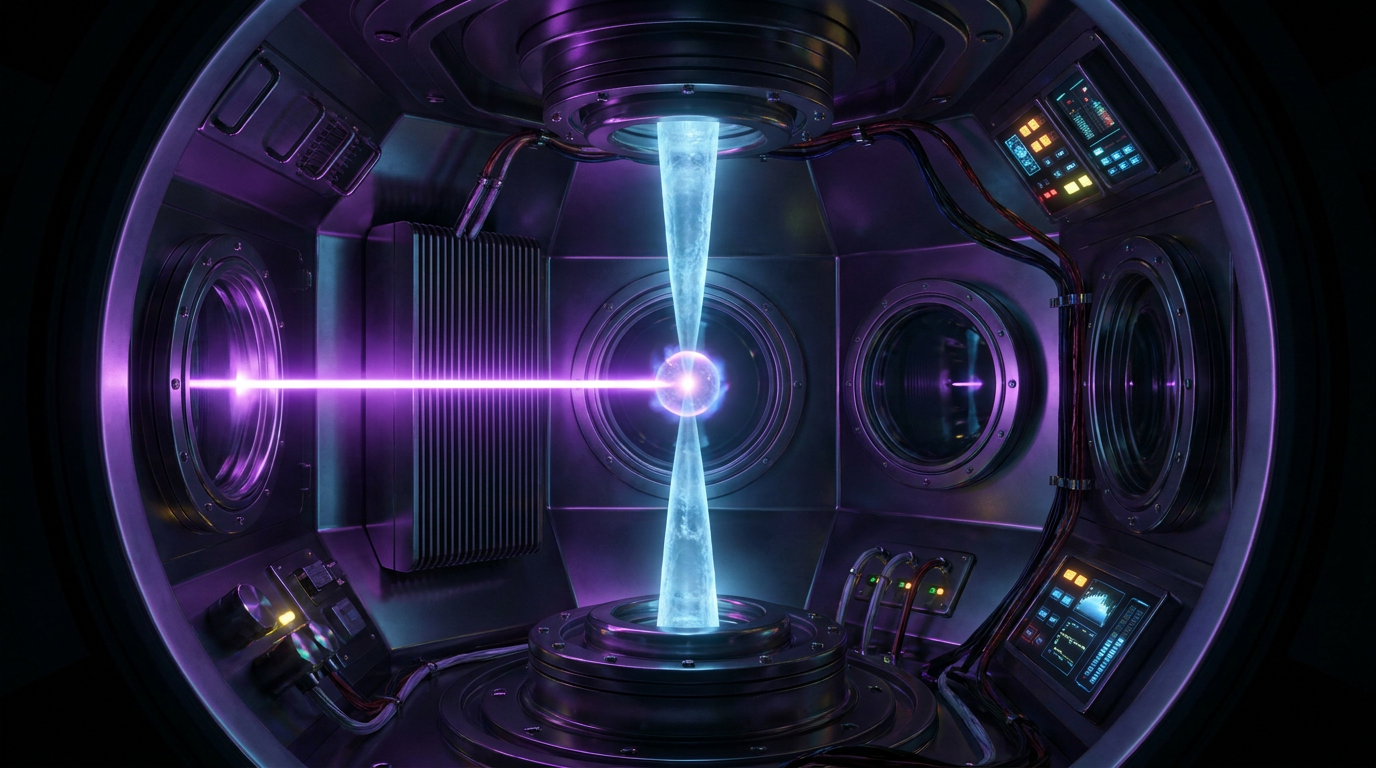
By trapping a laser 100 million times brighter than the sun inside an electron microscope, physicists have dramatically boosted image contrast, allowing scientists to finally see the smallest proteins in the human body.
By Factlen Editorial Team
- Structural Biologists
- Value the technology for its potential to reveal the remaining 90% of the human proteome and accelerate drug discovery.
- Optical Physicists
- Focus on the engineering milestone of successfully manipulating an electron beam with a high-intensity continuous laser.
- Microscopy Core Directors
- Evaluate the practical deployment, stability, and daily operational impact of integrating the laser into existing lab facilities.
What's not represented
- · Commercial microscope manufacturers
- · AI structure-solving software developers
Why this matters
More than 90 percent of the proteins inside human cells are currently too small to be seen by electron microscopes. By using a laser to dramatically boost image contrast, this breakthrough allows scientists to finally visualize the hidden molecular machinery that drives both fundamental biology and complex diseases, accelerating the discovery of new life-saving drugs.
More in science
See all 71 stories →Ocean Tech
How Solar LEDs and Acoustic Pingers Are Solving the Global Bycatch Crisis
6 sources

Exoplanet Habitability
How Astronomers Are Using the 'Da Vinci Glow' to Hunt for Alien Oceans
5 sources

Forensic Genealogy
26-Year Mystery in Olympic National Park Solved as DNA Identifies Remains of Joseph Louis Serrao Jr.
6 sources

Stonehenge Origins
Stonehenge's Altar Stone Mystery Points to an Epic Human Journey
7 sources

Every angle. Every day.
Get science stories with full source coverage and perspective breakdowns delivered to your inbox.