
Stonehenge's Altar Stone Mystery Points to an Epic Human Journey
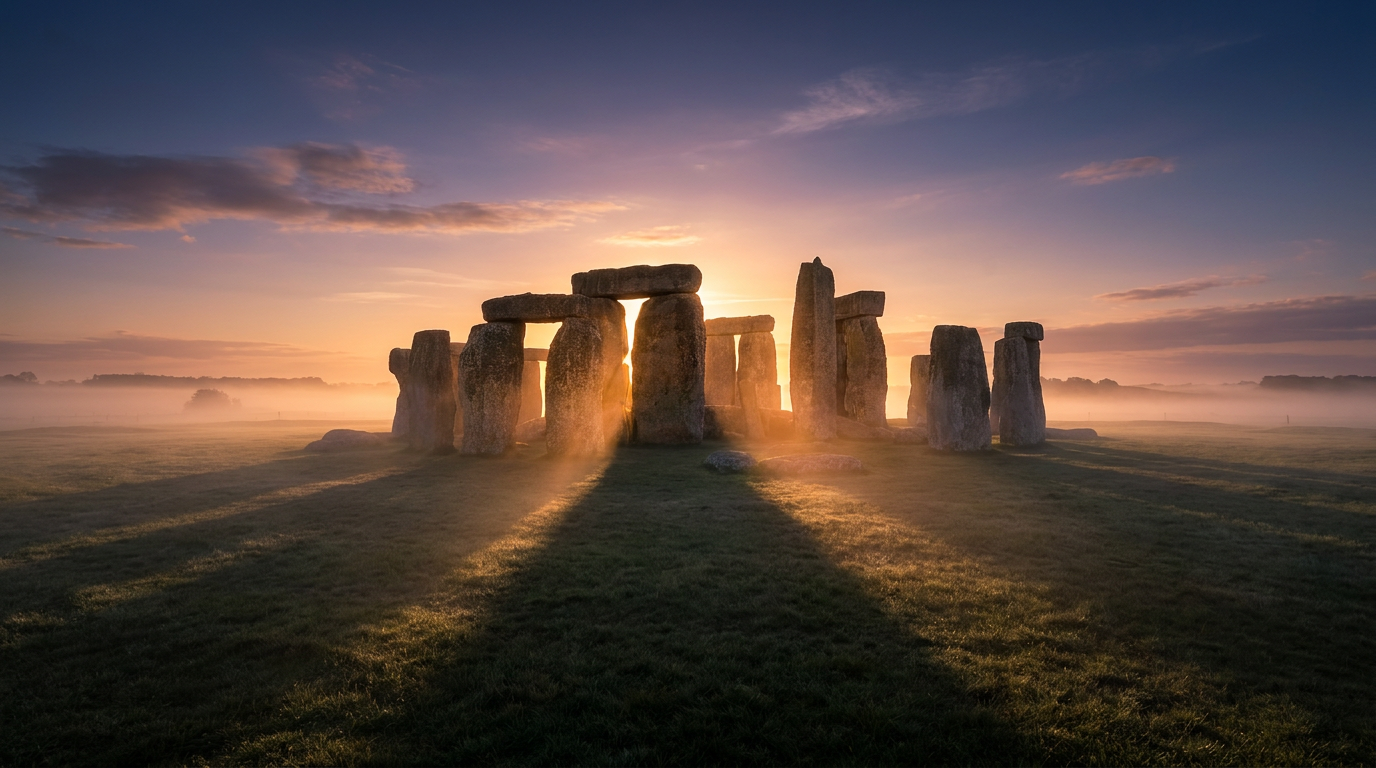
A new study suggests the massive Altar Stone at the center of Stonehenge was transported in stages, combining natural glacial movement with a deliberate, long-distance rescue effort by Neolithic humans.
By Factlen Editorial Team
Geological Modelers 35%Human Agency Advocates 35%Cultural Historians 30%
- Geological Modelers
- Emphasize the role of Ice Age glaciers in transporting the stone halfway.
- Human Agency Advocates
- Focus on the logistical feat of Neolithic humans hauling the stone to its final destination.
- Cultural Historians
- Argue the stone was a venerated object rescued from the sinking landmass of Doggerland.
What's not represented
- · Indigenous and Pagan spiritual groups who actively use Stonehenge for modern solstice ceremonies.
- · Marine archaeologists who study the submerged remains of Doggerland.
Why this matters
This discovery transforms our understanding of ancient human capabilities, revealing that Neolithic societies possessed the advanced logistical planning and deep cultural resilience required to execute a massive, multi-generational rescue mission in the face of climate upheaval.

More in science
See all 71 stories →Ocean Tech
How Solar LEDs and Acoustic Pingers Are Solving the Global Bycatch Crisis
6 sources

Exoplanet Habitability
How Astronomers Are Using the 'Da Vinci Glow' to Hunt for Alien Oceans
5 sources

Forensic Genealogy
26-Year Mystery in Olympic National Park Solved as DNA Identifies Remains of Joseph Louis Serrao Jr.
6 sources

AI Capabilities
AI Models Hit a Wall on 'First Proof,' a Rigorous New Benchmark for Research Mathematics
7 sources

Stay informed
Every angle. Every day.
Get science stories with full source coverage and perspective breakdowns delivered to your inbox.