
US Delays Direct Iran Talks in Switzerland Amid Surging Lebanon Clashes
Vice President JD Vance postponed a planned trip to Geneva for high-stakes negotiations with Iran after a sudden spike in violence between Israel and Hezbollah threatened regional stability. The delay exposes deepening fractures between Washington and Israeli leadership over the proposed diplomatic framework.
By Factlen Editorial Team
- US Administration
- Views a diplomatic agreement with Iran as essential to preventing a wider regional war and is willing to leverage military aid to force Israeli compliance.
- Israeli Government
- Fiercely opposes any deal that provides sanctions relief to Iran, viewing Tehran's nuclear program and proxy network as an existential threat that cannot be managed through diplomacy.
- Iranian Leadership
- Seeks sanctions relief to rescue its economy while using regional proxies and threats to global shipping lanes as leverage to extract better terms.
What's not represented
- · Lebanese Civilians
- · European Energy Importers
Why this matters
A successful US-Iran agreement could de-escalate multiple Middle Eastern conflicts and stabilize global energy markets, while a collapse in talks risks a wider regional war and immediate spikes in oil prices due to threats against the Strait of Hormuz.
Key points
- Vice President JD Vance postponed a trip to Switzerland for direct US-Iran negotiations.
- The delay follows a sudden surge in military clashes between Israel and Hezbollah in Lebanon.
- Vance publicly rebuked Israeli critics of the Iran deal, noting US taxpayers fund two-thirds of Israel's defensive weapons.
- Iran has threatened to impose transit fees on shipping through the Strait of Hormuz, a critical global oil chokepoint.
- The proposed deal reportedly involves Iran capping uranium enrichment in exchange for targeted sanctions relief.
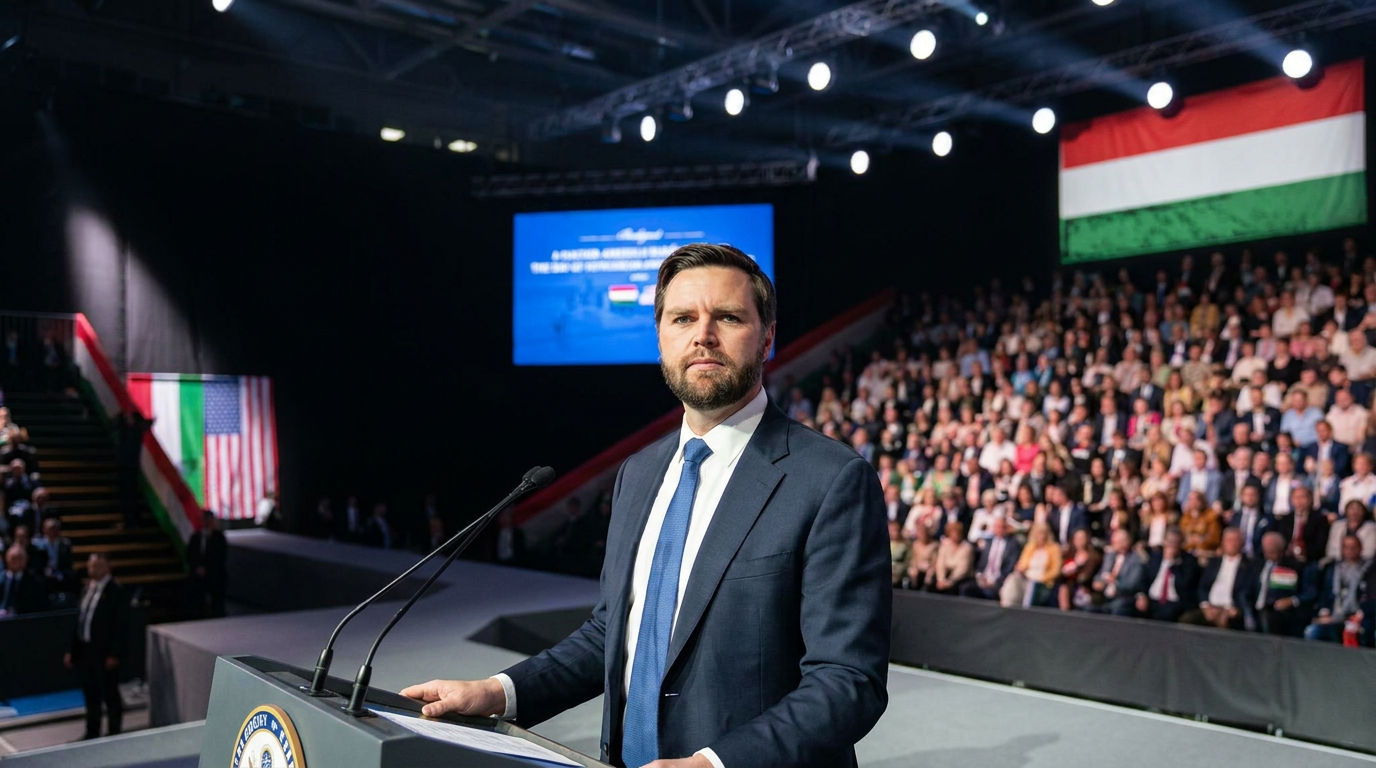
The highly anticipated direct negotiations between the United States and Iran have been abruptly paused. Vice President JD Vance postponed his scheduled Friday departure to Switzerland, where he was expected to open a new round of high-stakes diplomatic talks with Iranian officials.[1][2]
The White House officially cited "logistics" for the delay, but the postponement coincides directly with a sudden and severe deterioration of the fragile ceasefire in southern Lebanon.[2]
Overnight, Israeli forces launched a series of strikes into southern Lebanon following a surge in clashes with Hezbollah, the heavily armed, Iran-backed militant group that operates along Israel's northern border.[4]
This localized escalation threatens to unravel months of back-channel diplomacy. US officials have long viewed a stable northern border for Israel as a prerequisite for engaging Tehran in broader negotiations regarding its nuclear program and regional influence.[2][4]

The delay in the Swiss summit has also ripped the bandage off a growing diplomatic crisis between Washington and Jerusalem. The proposed framework for the US-Iran deal has infuriated members of Israeli Prime Minister Benjamin Netanyahu's cabinet, who view any sanctions relief for Tehran as an existential threat.[3][6]
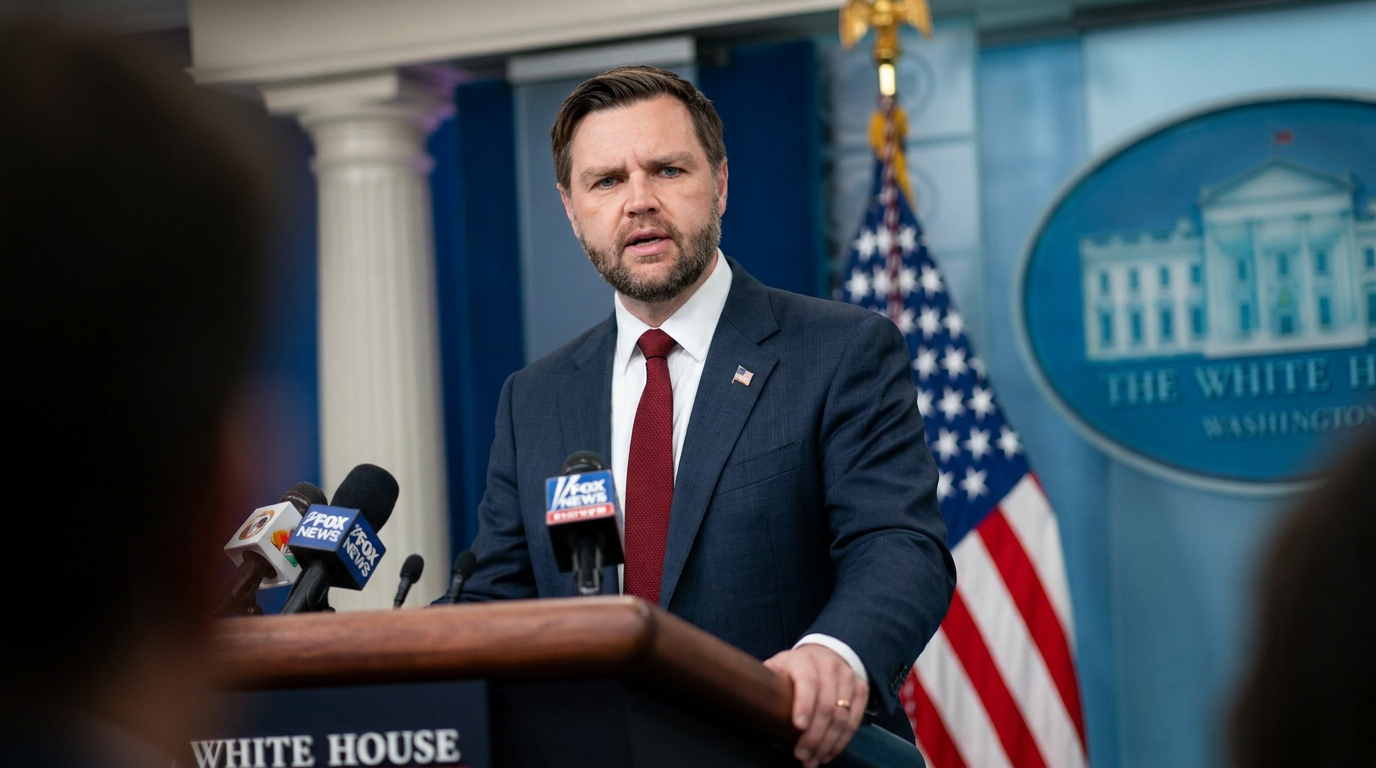
In a striking departure from traditional diplomatic decorum, Vice President Vance publicly scolded Israeli critics of the impending agreement during a press briefing.[3]
Addressing reporters, Vance delivered a blunt reminder regarding the source of Israel's military hardware. He noted that two-thirds of the defensive weapons protecting Israel "have been built by American hands and paid for by American tax dollars," signaling that the US expects alignment on its broader Middle East strategy.[3]
Addressing reporters, Vance delivered a blunt reminder regarding the source of Israel's military hardware.
The Israeli government's reaction has been swift and furious. Hardline cabinet members argue that Washington is prioritizing a short-term political victory over long-term regional security, effectively abandoning its closest Middle Eastern ally to secure a flawed treaty.[6]

Meanwhile, Tehran is actively leveraging its own geopolitical choke points to maximize pressure on Western negotiators. In the days leading up to the scheduled Swiss summit, Iranian officials floated a new and economically explosive threat: imposing transit fees on shipping through the Strait of Hormuz.[3][5]
The Strait of Hormuz is the world's most critical oil transit chokepoint. Approximately 20% of global petroleum consumption passes through the narrow waterway connecting the Persian Gulf to the Gulf of Oman.[5]
Any attempt by Iran to levy fees—or intercept vessels that refuse to pay—would immediately spike global energy prices and severely disrupt international supply chains. Energy analysts warn that even the threat of such action is designed to remind the US of the economic consequences of a failed diplomatic process.[5]

The architecture of the proposed Switzerland deal remains closely guarded, but diplomatic leaks suggest a "freeze-for-freeze" structure. Iran would reportedly cap its uranium enrichment at current levels and rein in proxy attacks in exchange for targeted relief from US banking and oil export sanctions.[1][2]
For the US administration, securing this deal is viewed as the only viable off-ramp to a wider regional war that could draw in American forces and destabilize the global economy.[1]
However, the sudden violence in Lebanon underscores the fragility of this approach. Hezbollah's operational independence from Tehran is a matter of intense debate among intelligence analysts, but Israel holds Iran ultimately responsible for the group's actions.[4][6]
The coming days will test whether the US can salvage the diplomatic track. If the Lebanon clashes subside, the Switzerland talks may simply be rescheduled for next week. If the violence escalates into a broader conflict, the window for a US-Iran agreement may close entirely, leaving the region on the brink of a much larger confrontation.[1][2][4]
How we got here
Early June 2026
A fragile ceasefire is established between Israel and Hezbollah in southern Lebanon.
June 17, 2026
Iran threatens to impose transit fees on commercial shipping in the Strait of Hormuz.
June 18, 2026
Clashes erupt in southern Lebanon, prompting Israeli airstrikes against Hezbollah positions.
June 18, 2026
Vice President Vance publicly scolds Israeli cabinet members for criticizing the impending US-Iran deal.
June 19, 2026
The White House postpones Vance's trip to Switzerland for direct talks with Iran.
Viewpoints in depth
US Administration's View
Prioritizes a diplomatic off-ramp to prevent a wider Middle Eastern war and stabilize global markets.
The US administration views the proposed 'freeze-for-freeze' agreement with Iran as the most pragmatic way to cap Tehran's nuclear ambitions and de-escalate regional proxy conflicts. Washington is increasingly frustrated by what it sees as Israeli intransigence, believing that military deterrence alone cannot solve the Iranian nuclear issue. Vice President Vance's public reminder about US military funding signals a new willingness to use American leverage to force alignment from allies.
Israeli Government's View
Views any sanctions relief for Iran as an unacceptable risk that will fund further terrorism and proxy wars.
Prime Minister Netanyahu's cabinet fundamentally distrusts the diplomatic process, arguing that Iran will use any financial windfall from sanctions relief to further arm groups like Hezbollah and Hamas. Israeli officials believe that relieving economic pressure on Tehran rewards bad behavior and endangers Israel's long-term survival. They view Washington's push for a deal as a dangerous pivot that prioritizes short-term political wins over the security of the Middle East.
Iranian Leadership's View
Seeks to relieve crippling economic sanctions while maintaining its regional influence and deterrence capabilities.
Tehran is navigating a delicate balancing act: it desperately needs relief from US banking and oil sanctions to stabilize its domestic economy, but it refuses to dismantle its nuclear infrastructure or abandon its network of regional proxies. By threatening to impose fees on the Strait of Hormuz and allowing groups like Hezbollah to maintain military pressure, Iran is attempting to maximize its leverage at the negotiating table, signaling to the US that the cost of a failed deal will be severe economic disruption.
What we don't know
- Whether the Switzerland talks will be rescheduled for next week or postponed indefinitely.
- If the clashes in southern Lebanon will escalate into a broader conflict or return to a ceasefire.
- How exactly Iran plans to enforce its threatened transit fees in the Strait of Hormuz without triggering a military response.
Key terms
- Strait of Hormuz
- A narrow waterway between the Persian Gulf and the Gulf of Oman, serving as the world's most important oil transit chokepoint.
- Hezbollah
- A heavily armed, Iran-backed Shia political party and militant group based in Lebanon.
- Freeze-for-freeze agreement
- A diplomatic framework where one side halts a controversial activity (like uranium enrichment) in exchange for the other side halting punitive measures (like economic sanctions).
Frequently asked
Why was JD Vance going to Switzerland?
Vice President Vance was scheduled to travel to Geneva to open a new round of direct diplomatic negotiations with Iranian officials regarding their nuclear program and regional sanctions.
Why were the talks postponed?
The White House cited 'logistics,' but the delay coincided with a sudden surge in military clashes between Israel and Hezbollah in southern Lebanon, which threatened the stability required for negotiations.
What is the Strait of Hormuz threat?
Iran has threatened to impose transit fees on commercial shipping passing through the Strait of Hormuz, a vital waterway that handles roughly 20% of the world's oil supply.
Sources
Source coverage
6 outlets
3 viewpoints surfaced






[1]NYTUS Administration
Vance Delays Trip to Switzerland for Direct Talks on Iran Deal
Read on NYT →[2]AxiosUS Administration
Vance postpones Iran talks trip to Switzerland
Read on Axios →[3]The GuardianIsraeli Government
Trump news at a glance: Vance uses US weaponry barbs to scold Israeli critics of Iran deal
Read on The Guardian →[4]Al JazeeraIranian Leadership
Israel strikes southern Lebanon in sudden clash surge with Hezbollah
Read on Al Jazeera →[5]ReutersIranian Leadership
Iran threatens Strait of Hormuz transit fees as US deal talks loom
Read on Reuters →[6]Times of IsraelIsraeli Government
Netanyahu cabinet fumes over US-Iran negotiations as Vance delays Swiss trip
Read on Times of Israel →

Every angle. Every day.
Get news politics stories with full source coverage and perspective breakdowns delivered to your inbox.