
The WNBA's 2026 Economic Leap: How the New CBA and Expansion Are Transforming Women's Basketball
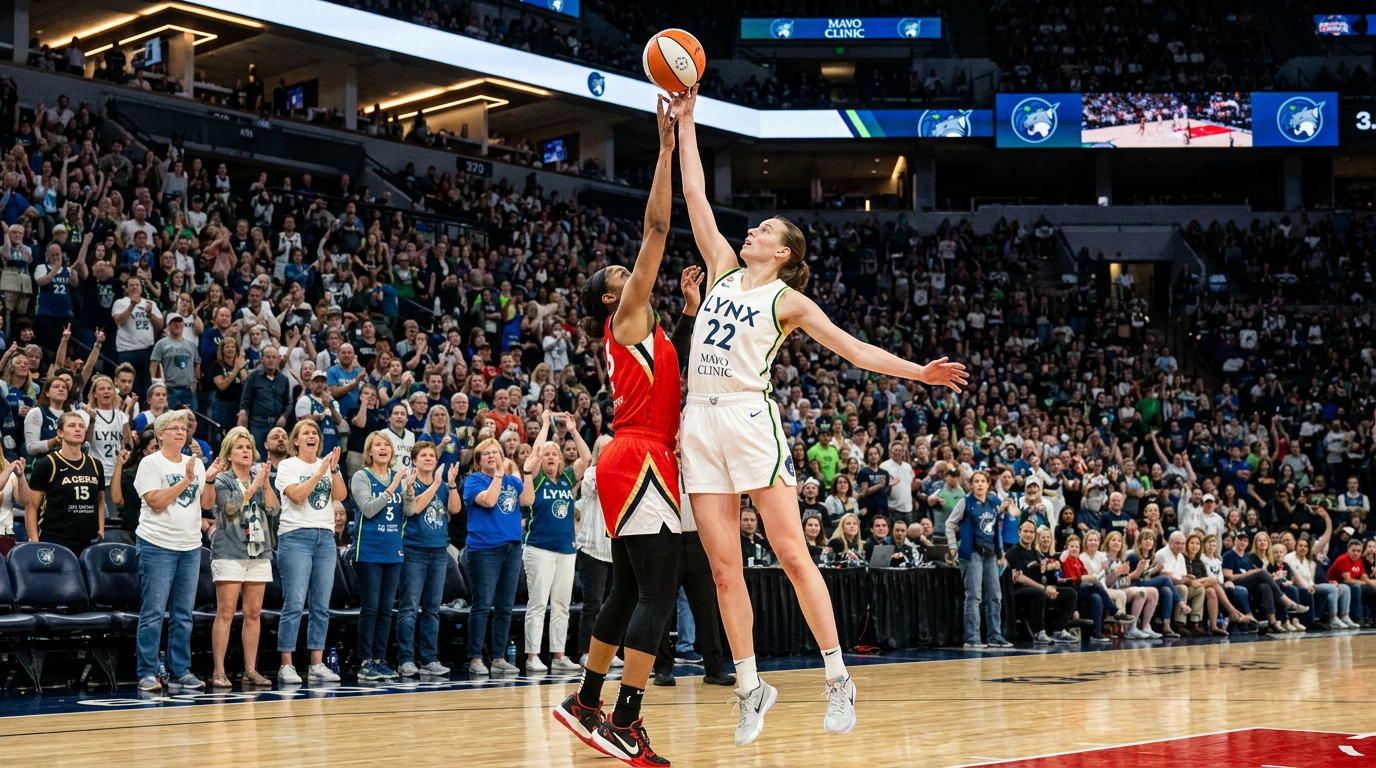
With a historic new collective bargaining agreement and the debut of two expansion franchises, the WNBA's 2026 season marks a fundamental shift in the economics of women's sports.
By Factlen Editorial Team
- Labor Advocates
- Celebrate the CBA as a long-overdue correction for pay equity and player safety, emphasizing the end of the overseas grind.
- League Executives
- Focus on the sustainable growth model, balancing the massive salary increases with new media rights revenue and expansion fees.
- Emerging Players
- Highlight the relief of having more roster spots and a living wage, reducing the anxiety of training camp cuts.
What's not represented
- · European League Owners losing top American talent
- · Fans in markets priced out of WNBA expansion
Why this matters
The massive financial restructuring of the WNBA proves that investing in women's sports yields immense returns, setting a new standard for pay equity and professional working conditions that will ripple across all female athletic leagues.
Key points
- The WNBA's 2026 season features a historic new CBA with a $7 million team salary cap.
- Average player salaries have surged to $600,000, with minimums clearing $300,000.
- The Portland Fire and Toronto Tempo debut as expansion teams, bringing the league to 15 franchises.
- The increased minimum salaries allow players to stay in the U.S. year-round, ending the mandatory overseas grind.
- Expanded rosters provide over 170 total jobs, drastically reducing the severity of training camp cuts.
The 2026 WNBA season has tipped off not just with the usual fanfare of a new summer campaign, but as the dawn of a fundamentally transformed economic era for women's basketball. For decades, the narrative surrounding the league was defined by financial struggle, roster crunches, and the grueling necessity of overseas play. Today, that narrative has been rewritten. Armed with a historic new collective bargaining agreement and the highly anticipated debuts of two expansion franchises—the Portland Fire and the Toronto Tempo—the league has finally aligned its compensation with its cultural footprint. The sheer scale of the financial leap is unprecedented in modern North American professional sports, turning what was once a supplementary income for many athletes into a highly lucrative, year-round domestic profession. As arenas sell out from New York to Los Angeles, the 2026 season stands as the definitive moment when the WNBA transitioned from a growing league fighting for respect into an established commercial juggernaut.[1][5]
The foundation of this new era is the landmark seven-year Collective Bargaining Agreement, unanimously ratified by the WNBA and the Women's National Basketball Players Association in March 2026. After months of intense negotiations fueled by skyrocketing television ratings and unprecedented merchandise sales, the players secured a financial package that shattered previous ceilings. The most staggering figure is the new team salary cap, which catapulted from a restrictive $1.5 million to a robust $7 million. This massive injection of capital completely restructures how front offices build their rosters and how players plan their careers. The negotiations were heavily leveraged by the massive influx of viewership brought in by the 2024 and 2025 draft classes, who used their immense platforms to advocate not just for themselves, but for the veterans who built the league and the rookies who will follow.[1][2][4]
On an individual level, the new CBA translates to life-changing compensation that fundamentally alters the reality of being a professional female basketball player. The league minimum salary now clears $300,000—more than double the average salary of just a few years prior. Meanwhile, the new average player salary sits at approximately $600,000, with provisions for supermax contracts that could reach $1.7 million by the end of the decade. Under the previous system, elite players on rookie-scale contracts were earning less than $90,000; today, those same athletes are commanding half a million dollars annually. This financial security means that players no longer have to view the WNBA as a mere stepping stone or a passion project that requires financial sacrifices. It establishes basketball as a highly viable, long-term career path for women in the United States, complete with the kind of generational wealth previously reserved for their male counterparts.[1][6]

Perhaps the most significant quality-of-life improvement stemming from the new economic structure is the end of the mandatory overseas grind. Historically, the vast majority of WNBA players spent their offseasons competing in European or Asian leagues simply to make ends meet, often playing year-round without a break. This relentless schedule led to chronic fatigue, severe injuries, and shortened careers. With the new $300,000 minimum salary, players are finally empowered to prioritize their physical and mental health. They can remain in the United States during the winter, focusing on recovery, skill development, and lucrative domestic endorsement deals. The ability to rest and rehabilitate is expected to extend the prime years of the league's top stars, elevating the overall quality of play and ensuring that fans get to see their favorite athletes performing at their absolute best when the summer season tips off.[2][5][6]
Beyond the financial restructuring, the 2026 season is defined by the physical expansion of the league itself. The addition of the Portland Fire and the Toronto Tempo brings the WNBA to 15 teams, following the successful integration of the Golden State Valkyries in 2025. Toronto's entry marks a historic milestone as the league's first international franchise, tapping into a massive, basketball-hungry Canadian market that has shown rabid support for the sport. Meanwhile, Portland's return—reviving the Fire moniker from the early 2000s—capitalizes on the Pacific Northwest's deep-rooted passion for women's sports, backed by the same ownership group that turned the local soccer scene into a global standard. These new markets are not just expanding the league's geographic footprint; they are injecting fresh rivalries, new corporate partnerships, and millions of new fans into the WNBA ecosystem.[3][5]

Beyond the financial restructuring, the 2026 season is defined by the physical expansion of the league itself.
Crucially, this expansion directly addresses one of the most persistent and heartbreaking issues in the WNBA: the severe lack of roster spots. For years, the league operated with only 12 teams and a hard salary cap, resulting in a maximum of 144 jobs. This created a brutal training camp environment where highly drafted rookies and proven veterans were routinely cut simply because the math didn't work. The expansion to 15 teams, combined with the expanded salary cap, pushes the total number of available roster spots past 170. This breathing room allows teams to invest in player development, keeping promising young talent on the bench rather than forcing them out of the league entirely. It ensures that the immense talent flowing out of the collegiate ranks actually has a place to play, drastically improving the depth and competitiveness of every franchise.[3][4]
The expansion draft held earlier in the year highlighted the incredible depth of talent currently residing in the WNBA. As established contenders were forced to leave quality rotation players unprotected, the Fire and the Tempo were able to construct highly competitive rosters right out of the gate. Unlike expansion teams of the past, which often served as league punching bags for their first few seasons, these new franchises are built to compete immediately. The influx of new money means they can aggressively pursue top-tier free agents, while the expanded roster limits allow them to take chances on high-upside prospects. This dynamic has created a thrilling sense of parity across the league, where on any given night, an expansion squad has the firepower to take down a reigning champion.[3][5]

The 2026 agreement also codifies essential infrastructure and working conditions that treat the athletes as true professionals. The days of commercial travel delays and cramped middle seats are officially over, as the new CBA mandates fully funded charter flights for all regular-season and playoff games. Additionally, the league has implemented strict new standards for practice facilities, requiring teams to provide dedicated, state-of-the-art training centers rather than renting time at local colleges or public gyms. These investments in sports science, nutrition, and travel logistics are not just perks; they are critical components of a high-performance environment. By removing the friction and indignities of the past, the WNBA is allowing its players to focus entirely on their craft, which in turn produces a faster, more athletic, and more entertaining product on the floor.[1][2][6]
The ripple effects of the WNBA's economic leap are already being felt across the broader landscape of women's sports. As the longest-running professional women's league in the United States, the WNBA has always served as a bellwether for the industry. This historic CBA and successful expansion provide a tangible blueprint for other organizations, such as the National Women's Soccer League and the Professional Women's Hockey League, as they negotiate their own media rights and labor agreements. The WNBA has definitively proven that when corporate partners and broadcasters invest in women's sports at a scale commensurate with their audience, the financial returns are massive. The $7 million salary cap is not a charitable donation; it is a reflection of the immense revenue generated by a league that has finally been given the platform it deserves.[4][5][6]
As the 2026 season progresses, the focus of the WNBA shifts from a narrative of survival to one of optimization and global dominance. The league is already laying the groundwork for further expansion, with a stated goal of reaching 16 teams by 2028, eyeing vibrant markets like Philadelphia, Miami, and Denver. The players, now armed with financial security and institutional support, are delivering the highest quality of basketball the world has ever seen. The empty seats and financial anxieties of the past have been replaced by sold-out arenas, massive television audiences, and a generation of young athletes who now know that playing professional basketball is a highly lucrative career. The 2026 season will be remembered not just for who wins the championship, but as the year the WNBA fully realized its immense potential.[2][3][5]
How we got here
April 2024
A highly touted draft class enters the league, triggering a massive surge in viewership and revenue.
May 2025
The Golden State Valkyries debut as the WNBA's 13th franchise.
March 2026
The WNBA and WNBPA unanimously agree to a historic 7-year CBA, drastically raising the salary cap.
May 2026
The Portland Fire and Toronto Tempo tip off their inaugural seasons, expanding the league to 15 teams.
Viewpoints in depth
Labor Advocates' View
Viewing the CBA as a fundamental human rights and labor victory.
For labor advocates and the Players Association, the 2026 agreement is about far more than just larger paychecks; it is a fundamental correction of workplace conditions. For decades, players were forced to treat their bodies as expendable commodities, playing year-round in foreign countries just to earn a living wage. Advocates argue that the new $300,000 minimum salary and mandated charter flights finally treat female athletes with the basic professional dignity that male athletes have enjoyed for generations. They view this CBA as a blueprint that proves collective action and leveraging star power can force ownership to share the immense wealth generated by the sport.
League Executives' View
Focusing on sustainable revenue growth and franchise valuations.
From the perspective of the commissioner's office and team owners, the massive salary increases are a calculated investment backed by concrete revenue growth. Executives point to the newly negotiated, multi-billion-dollar media rights deals and the massive expansion fees paid by the Toronto and Portland ownership groups as the financial engines making this possible. They argue that paying players more keeps the best talent stateside and healthy, which directly improves the on-court product and drives further ticket and merchandise sales. For ownership, the 2026 CBA is a sustainable business model that transitions the league from a growth-phase startup into a mature, highly profitable entertainment property.
Emerging Players' View
Emphasizing the life-changing impact of expanded roster spots.
For rookies, undrafted free agents, and veteran role players, the most critical aspect of the 2026 landscape is the sheer availability of jobs. The expansion to 15 teams and the increased salary cap mean that over 20 new, high-paying roster spots have been created. Emerging players argue that the previous system artificially suppressed talent, forcing incredible athletes out of the sport entirely because there simply wasn't room on a 12-woman roster. With the new breathing room, these players feel they finally have the developmental runway to prove themselves, reducing the immense psychological anxiety of training camp and allowing them to play with freedom rather than fear.
What we don't know
- How the massive salary increases will affect ticket prices and fan affordability in smaller markets.
- Which city will be awarded the 16th expansion franchise targeted for the 2028 season.
- Whether European and Asian leagues will increase their own compensation to lure top American talent back overseas.
Key terms
- CBA (Collective Bargaining Agreement)
- The legal contract between the league and the players' union that dictates salaries, benefits, and working conditions.
- Supermax Contract
- A premium contract tier allowing teams to pay their most valuable veteran players significantly above the standard maximum salary.
- Expansion Draft
- A process where new franchises select unprotected players from existing teams to build their initial rosters.
- Hard Cap
- A strict limit on how much money a team can spend on player salaries, which cannot be exceeded under any circumstances.
Frequently asked
What is the new WNBA salary cap for 2026?
The team salary cap has increased to $7 million, a massive jump from the approximately $1.5 million cap under the previous agreement.
Who are the new WNBA expansion teams in 2026?
The Portland Fire and the Toronto Tempo officially joined the league for the 2026 season, bringing the total number of franchises to 15.
Do WNBA players still need to play overseas?
With the minimum salary now exceeding $300,000, players are no longer financially obligated to play in international leagues during the offseason to make a living.
Sources
Source coverage
6 outlets
3 viewpoints surfaced






[1]WNBPA OfficialLabor Advocates
WNBPA and WNBA Reach Historic Seven-Year Collective Bargaining Agreement
Read on WNBPA Official →[2]Sports Business JournalLeague Executives
The Economic Impact of the WNBA's $7M Salary Cap
Read on Sports Business Journal →[3]The AthleticEmerging Players
Inside the WNBA's 2026 Expansion: How Portland and Toronto Built Their Rosters
Read on The Athletic →[4]ESPNLeague Executives
How the 2024 Draft Class Accelerated the WNBA's Economic Timeline
Read on ESPN →[5]Factlen Editorial TeamEmerging Players
Synthesis by Factlen editorial team
Read on Factlen Editorial Team →[6]Women's Sports FoundationLabor Advocates
A New Era for Pay Equity in Professional Basketball
Read on Women's Sports Foundation →

More in sports
See all 7 stories →Exercise Science
The Science of Zone 2: New Evidence Refines the Longevity Sweet Spot
7 sources

Sports Business
Inside the NWSL's Financial Boom: How Expansion Fees Hit $205 Million
7 sources

Injury
Blue Jays Prospect Ricky Tiedemann Returns to the Mound After 706-Day Injury Layoff
6 sources

F1 2026 Rules
How Formula 1's 2026 Regulations Are Rewriting the Rules of Racing
7 sources
Every angle. Every day.
Get sports stories with full source coverage and perspective breakdowns delivered to your inbox.