
The Science of Stretching: Why Mobility and Fascia Are Replacing Traditional Flexibility
Modern sports science is shifting away from static stretching, revealing that active joint mobility and healthy connective tissue are the true keys to longevity and injury prevention.
By Factlen Editorial Team

- Mobility & Performance Coaches
- Focus on active range of motion and neuromuscular control to enhance athletic performance.
- Fascia Researchers & Therapists
- Emphasize the health of the connective tissue matrix through varied movement and hydration.
- Traditional Flexibility Advocates
- Value static stretching and long-hold practices for deep tissue release and nervous system regulation.
What's not represented
- · Older adults managing severe osteoarthritis who require specialized, low-impact joint interventions.
- · Professional dancers and gymnasts who require extreme, specialized passive flexibility beyond standard athletic needs.
Why this matters
For decades, fitness routines prioritized holding static stretches to prevent injury. New research shows that training active mobility and targeting the body's fascial network is vastly more effective for reducing pain, improving athletic performance, and maintaining joint health as we age.
Key points
- Flexibility is the passive ability of tissue to lengthen, while mobility is the active control of a joint through its full range.
- Fascia is a continuous web of connective tissue that plays an active role in movement, balance, and sensory feedback.
- Static stretching before exercise can temporarily reduce muscle power and is no longer recommended as a warm-up.
- Dynamic stretching—using active, sports-specific movements—is the gold standard for preparing the body for physical activity.
- Fascial tissue thrives on movement variety, hydration, and multi-directional loads, and can become stiff due to hormonal changes.
- Static stretching remains highly effective when used post-workout to promote recovery and parasympathetic relaxation.
For generations, the standard pre-workout ritual was universal: sit on the floor, reach for your toes, and hold the position until it hurt. This practice of static stretching was widely believed to be the ultimate safeguard against injury and the key to physical longevity. But over the last few years, sports medicine has undergone a quiet revolution. We are learning that the old paradigm was not just incomplete—in some cases, it was actively counterproductive.[2][4]
Today, the conversation in physical therapy clinics and high-performance training centers has shifted away from mere "flexibility" and toward two distinct but interconnected concepts: mobility and fascial health. Understanding the difference between these terms is fundamentally changing how experts recommend we prepare our bodies for movement, whether that means running a marathon or simply bending down to tie a shoe without pain.[2][3]
To grasp this shift, we first have to separate flexibility from mobility. Flexibility is simply the passive ability of a muscle and its surrounding soft tissue to elongate. If you lie on your back and a physical therapist pushes your leg up toward your head, the angle they can achieve is a measure of your flexibility. It represents your body's potential range of motion.[2][3]
Mobility, on the other hand, is the active, usable range of motion of a joint. It requires not just muscle length, but neuromuscular control, coordination, and strength at the end of that range. If you can actively lift that same leg high into the air and hold it there using your own muscle power, that is mobility. As fitness educators point out, flexibility provides the potential for movement, but mobility determines whether that potential can actually be expressed during real-world tasks like squatting, pushing, or changing direction.[2][3]

This distinction explains why highly flexible people can still suffer from joint pain or movement restrictions. A person might have the passive tissue length to drop into a deep split, but if they lack the motor control and strength to stabilize their joints in that extreme position, they are highly vulnerable to injury. Consequently, modern training programs prioritize mobility drills—like controlled articular rotations (CARs) and active joint work—over passive stretching to build resilience.[2][3]
The second major breakthrough in modern movement science is the rising prominence of fascia. For decades, anatomists largely dismissed fascia as the inert, biological "packing material" that wrapped around muscles and organs. We now know that the fascial network is a continuous, highly innervated web of connective tissue that plays an active role in movement efficiency, force transmission, and sensory feedback.[6][7]
The second major breakthrough in modern movement science is the rising prominence of fascia.
Recent clinical trials have demonstrated that targeting this connective tissue yields significant physical benefits. A 2025 study published in the Journal of Sports Rehabilitation found that adding myofascial release—using tools like foam rollers—to a standard training regimen resulted in statistically significant gains in muscular endurance, balance, and postural control. Fascia is not just a passive wrapper; it is a dynamic system that responds to how we move.[5][7]
Fascial health is heavily dependent on hydration and movement variety. When we remain sedentary or perform the exact same repetitive motions every day, the fluid within the fascia can become viscous and "gluey," leading to feelings of stiffness and restriction. Furthermore, research indicates that fascia is sensitive to hormonal fluctuations. As estrogen levels fall during perimenopause and beyond, fascial tissue can become less elastic, explaining why many women experience increased stiffness and myofascial pain during these hormonal transitions.[7]

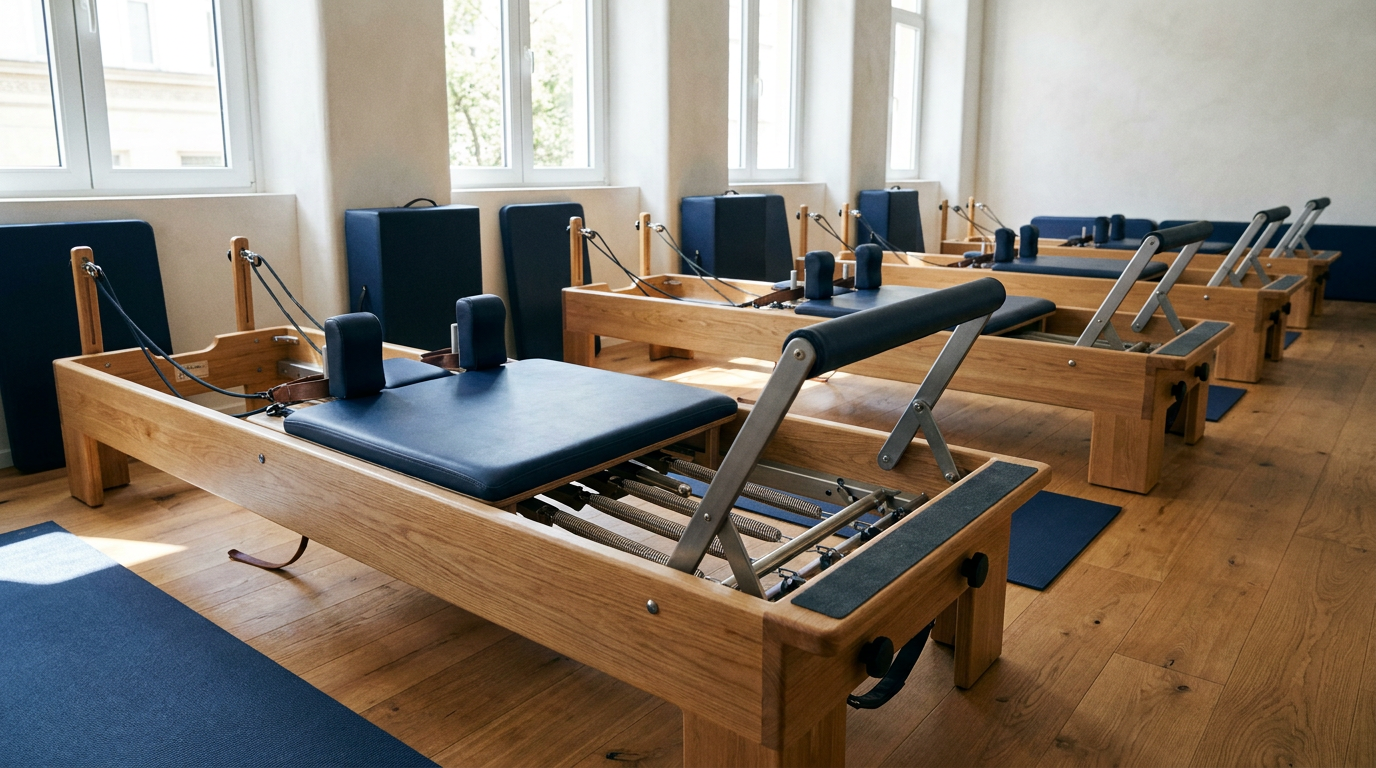
To keep fascia healthy and elastic, experts recommend frequent, varied movements rather than intense, one-dimensional workouts. The connective tissue thrives on multi-directional loads, bouncing, skipping, and spiraling motions. This is why practices like Pilates, barre, and dynamic yoga are so effective—they utilize a wide variety of body-wide movements that stimulate the entire fascial network, rather than isolating single muscle groups.[6][7]
This evolving understanding of mobility and fascia has completely upended how we approach the pre-workout warm-up. The consensus in sports medicine is now clear: static stretching before exercise is generally discouraged. Studies have shown that holding a static stretch for 60 to 90 seconds before an activity can temporarily reduce muscle strength, power output, and sprint speed. By forcing the muscle to relax and elongate, static stretching essentially "turns off" the neuromuscular readiness required for explosive movement.[4]
Instead, the gold standard for preparation is dynamic stretching. This involves actively moving joints and muscles through their full range of motion using sports-specific patterns—think walking lunges, leg swings, and high knees. Dynamic stretching increases blood flow, raises muscle temperature, and excites the nervous system, preparing the body for the specific demands of the upcoming activity. Performing 10 to 12 repetitions of these dynamic movements has been shown to acutely increase power and improve overall performance.[4]

However, this does not mean static stretching is obsolete. It has simply been relocated to the post-workout cooldown. Once the body is warm and the workout is complete, holding stretches for 30 to 60 seconds can help return muscles to their pre-exercise length, reduce post-workout stiffness, and promote relaxation. Static stretching is highly effective at down-regulating the nervous system, shifting the body from a sympathetic "fight or flight" state into a parasympathetic "rest and digest" mode.[4][6]
This parasympathetic shift is the foundation of practices like Yin Yoga, which specifically targets the fascial network through long, supported holds. By resting deeply in a stretch for three to five minutes, practitioners allow the slower-adapting structural fibers of the fascia to release tension. While the fluid elements of fascia respond quickly to movement, the fibrous architecture requires patience and consistency to change.[6][7]

Ultimately, the shift from traditional flexibility to a focus on mobility and fascial health represents a more holistic, empowering approach to the human body. It moves us away from the passive goal of simply being able to touch our toes, and toward the active goal of controlling our bodies through space with strength and confidence. By incorporating dynamic warm-ups, varied movement patterns, and targeted recovery, we can build bodies that are not just flexible, but truly resilient.[2][3][7]
How we got here
Late 20th Century
Static stretching is universally adopted as the standard pre-exercise warm-up to prevent injury.
Early 2010s
Sports science begins highlighting the performance decrements caused by pre-workout static stretching, shifting focus to dynamic warm-ups.
2015
A landmark conference at Harvard Medical School brings mainstream medical attention to the role of fascia in movement and pain.
2020s
The fitness industry broadly adopts "mobility" over "flexibility," integrating controlled articular rotations and active joint training into mainstream programming.
2025–2026
New clinical trials confirm that targeting fascial tissue directly improves muscular endurance, balance, and postural control.
Viewpoints in depth
Mobility & Performance Coaches
Focus on active range of motion and neuromuscular control to enhance athletic performance.
For performance specialists, the ultimate goal is usable strength. They argue that passive flexibility is useless—and potentially dangerous—if an athlete cannot actively control their joints at the end of their range of motion. This camp heavily advocates for dynamic warm-ups, controlled articular rotations (CARs), and loaded stretching, emphasizing that the nervous system must be primed to stabilize the body during explosive, unpredictable athletic movements.
Fascia Researchers & Therapists
Emphasize the health of the connective tissue matrix through varied movement and hydration.
Fascia experts view the body not as isolated muscles, but as a continuous, interconnected web. They point to emerging research showing that fascia is a highly innervated sensory organ that requires multi-directional movement, bouncing, and hydration to remain elastic. From this perspective, chronic stiffness is often a connective tissue issue rather than a muscle length problem, leading them to advocate for myofascial release, varied movement patterns, and therapies that address the tissue's structural architecture.
Traditional Flexibility Advocates
Value static stretching and long-hold practices for deep tissue release and nervous system regulation.
While acknowledging that static stretching shouldn't precede heavy lifting or sprinting, advocates for traditional flexibility—such as Yin Yoga instructors and recovery specialists—highlight its profound benefits for the nervous system. They argue that holding supported stretches for several minutes is essential for down-regulating the body into a parasympathetic state, allowing the slower-adapting fibrous layers of fascia to safely release long-held tension and stress.
What we don't know
- The exact mechanisms by which different types of myofascial release (like foam rolling) alter the physical structure of connective tissue.
- The precise optimal dosage—in terms of frequency, intensity, and duration—of mobility training required to prevent specific joint injuries.
- How deeply hormonal fluctuations, such as estrogen drops during menopause, permanently alter fascial architecture versus temporary fluid changes.
Key terms
- Mobility
- The active, usable range of motion of a joint, requiring strength, coordination, and neuromuscular control.
- Flexibility
- The passive ability of muscles and surrounding soft tissues to elongate without active muscle contraction.
- Fascia
- A continuous web of connective tissue that wraps around muscles, bones, and organs, providing structural support and sensory feedback.
- Dynamic Stretching
- Active movements that take joints and muscles through their full range of motion to prepare the nervous system for exercise.
- Static Stretching
- Holding a muscle in an elongated, fixed position for an extended period, typically used post-workout to improve long-term tissue length.
- Myofascial Release
- A technique, often using tools like foam rollers, designed to relieve tension and improve the elasticity of the fascial network.
Frequently asked
Is static stretching bad for you?
No, but timing matters. Holding static stretches right before explosive exercise can temporarily reduce muscle power. It is highly beneficial when performed after a workout to aid recovery and flexibility.
What is the difference between flexibility and mobility?
Flexibility is the passive ability of a muscle to lengthen, like someone lifting your leg for you. Mobility is the active ability to control a joint through its full range of motion using your own strength.
How does fascia affect body stiffness?
Fascia is a connective tissue web that can become "gluey" and restrictive without regular movement, hydration, or due to hormonal changes like dropping estrogen levels.
What are examples of dynamic stretches?
Dynamic stretches involve continuous movement, such as leg swings, walking lunges, arm circles, and high knees, which prime the body for activity.
Can I improve my mobility if I'm already flexible?
Yes. Highly flexible people often lack the strength to control their joints at extreme ranges of motion. Mobility training builds the necessary strength and stability to use that flexibility safely.
Sources
Source coverage
7 outlets
3 viewpoints surfaced







[1]Factlen Editorial TeamFascia Researchers & Therapists
Synthesis by Factlen editorial team
Read on Factlen Editorial Team →[2]Medical News TodayTraditional Flexibility Advocates
Understanding the differences between mobility and flexibility
Read on Medical News Today →[3]ACE FitnessMobility & Performance Coaches
Mobility vs. Flexibility: Why the Difference Matters for Movement and Performance
Read on ACE Fitness →[4]Cleveland ClinicMobility & Performance Coaches
Dynamic vs. Static Stretching: Which Is Better?
Read on Cleveland Clinic →[5]IDEA Health & Fitness AssociationFascia Researchers & Therapists
Fascia Training Boosts Flexibility, Balance and Endurance
Read on IDEA Health & Fitness Association →[6]The GuardianFascia Researchers & Therapists
The fascia secret: how does it affect your health
Read on The Guardian →[7]Red OnlineFascia Researchers & Therapists
Why fascia training is the secret to moving better
Read on Red Online →

Every angle. Every day.
Get fitness stories with full source coverage and perspective breakdowns delivered to your inbox.