
US and Iran Reach Memorandum of Understanding to Halt Hostilities as Administration Defends Terms
The Trump administration has signed a memorandum of understanding with Iran to pause the 'Epic Fury' conflict, prompting debate over the deal's concessions and the shifting US stance on Iranian missile capabilities.
By Factlen Editorial Team
- Trump Administration
- Views the memorandum as a decisive military and diplomatic victory that neutralizes immediate threats without a protracted ground war.
- GOP Defense Hawks
- Argues the deal provides premature economic relief to Tehran without permanently dismantling its military infrastructure.
- Iranian Government
- Considers the agreement a conditional pause dependent on strict US adherence to economic and diplomatic commitments.
- European Allies
- Navigates the diplomatic fallout of the conflict and the unilateral nature of US foreign policy decisions.
What's not represented
- · Middle Eastern energy markets
- · Iranian civilians
Why this matters
The memorandum of understanding halts direct military confrontation between the US and Iran following Operation Epic Fury, reshaping Middle Eastern security dynamics and global energy markets while exposing deep fractures within the Republican party over foreign policy.
Key points
- The US and Iran have signed a memorandum of understanding to halt the military conflict known as Operation Epic Fury.
- President Trump claims covert US Navy operations destroyed 159 Iranian ships over two months prior to the agreement.
- Vice President J.D. Vance is defending the deal against GOP critics who argue it provides Tehran with unwarranted economic benefits.
- The conflict caused a diplomatic rift with Italy after Prime Minister Giorgia Meloni refused to let the US use Italian landing strips.
The United States and Iran have officially reached a memorandum of understanding to halt direct military hostilities, effectively capping off the intense period of conflict known as Operation Epic Fury. The agreement marks a sudden and dramatic diplomatic pivot by the White House, freezing a war that had threatened to draw in multiple regional actors and severely strained traditional American alliances. While the exact text of the memorandum remains classified, its immediate effect has been a cessation of kinetic strikes and a tentative return to diplomatic posturing.[1][7]
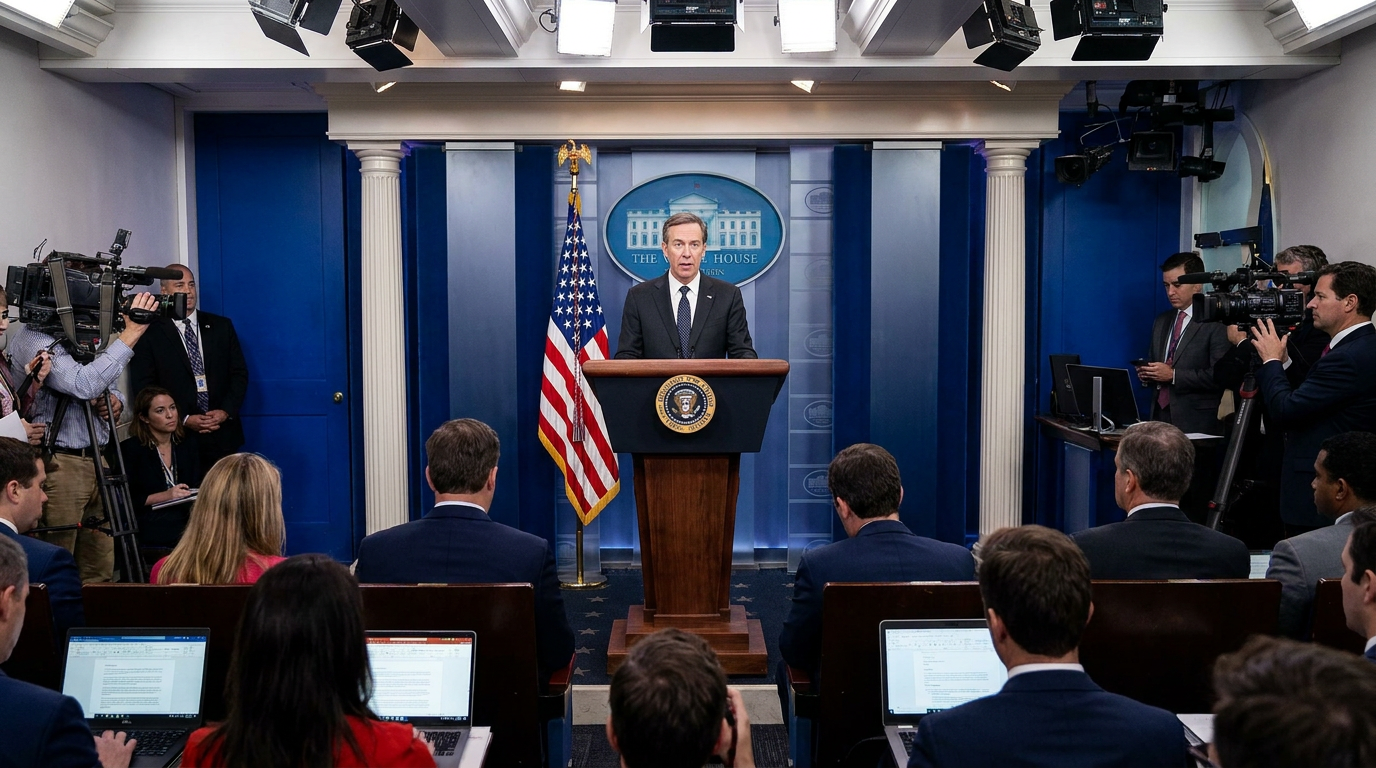
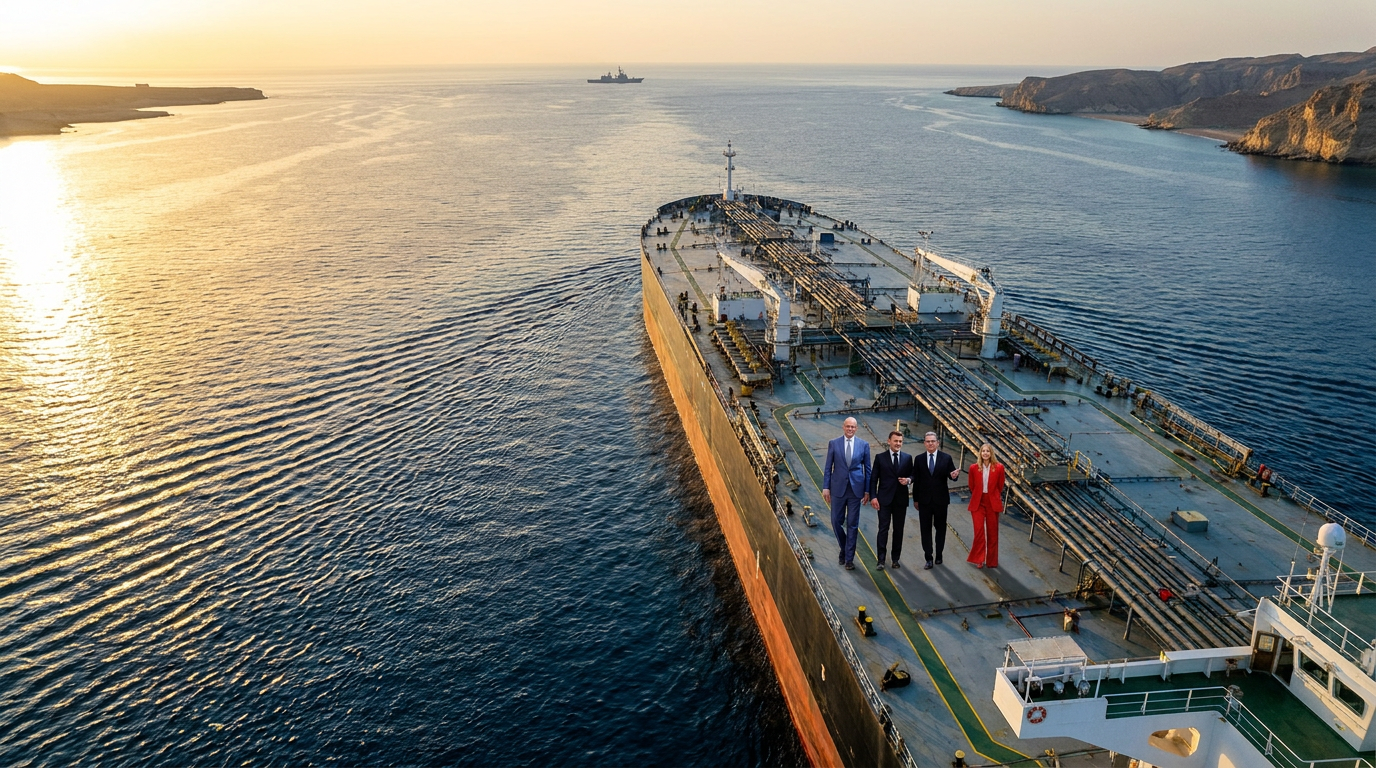
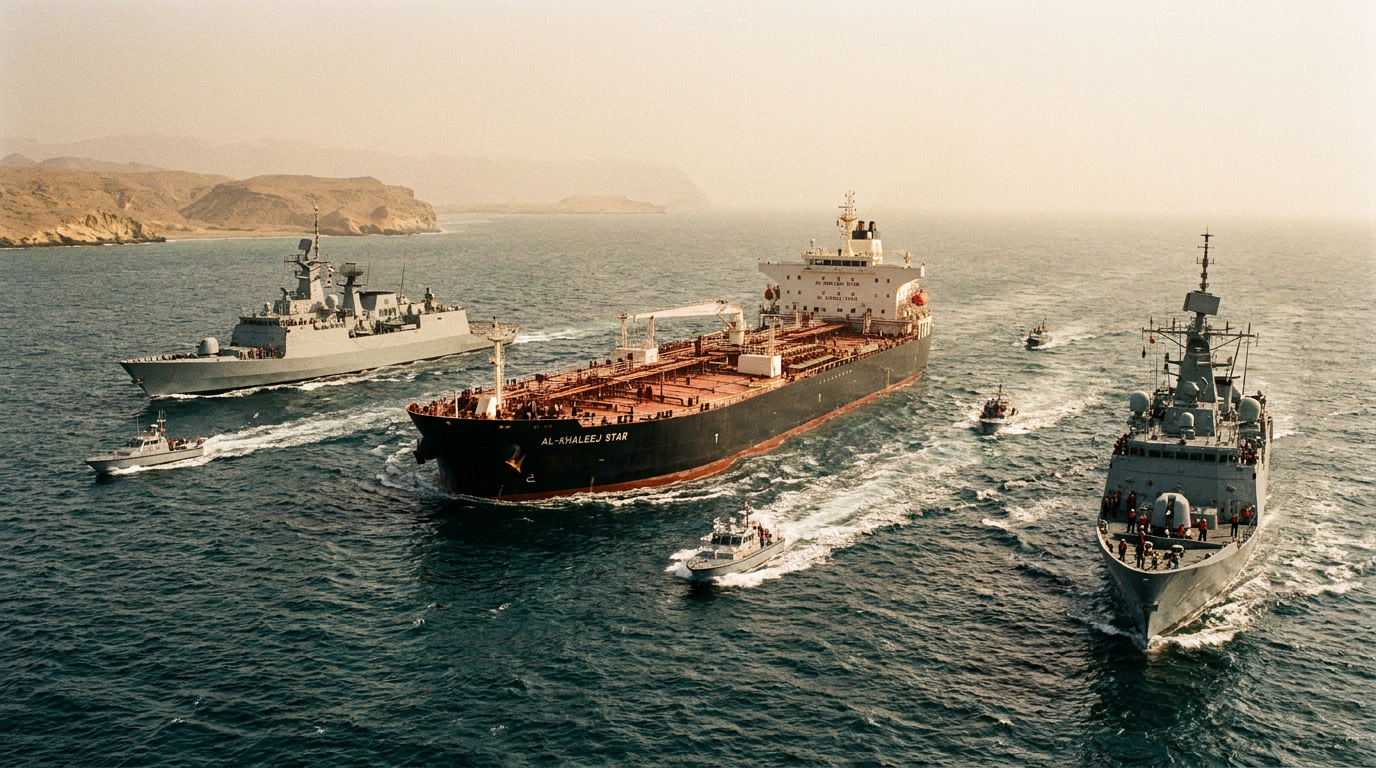
President Donald Trump has publicly characterized the agreement as a decisive and historic victory for American forces, going so far as to describe the outcome as "probably unconditional surrender" by the government in Tehran. To bolster this narrative of overwhelming military success, the administration took the unusual step of declassifying specific details regarding a covert United States Navy maritime operation. According to the president, these operations systematically dismantled Iranian naval capabilities, destroying 159 Iranian vessels over a nearly two-month period before the ceasefire was reached.[1][8]

Despite the administration's victory lap, the memorandum of understanding has exposed significant and vocal rifts within the Republican party. Prominent defense hawks and GOP skeptics on Capitol Hill have sharply criticized the terms of the MOU, arguing that the agreement provides Tehran with unwarranted economic benefits and sanctions relief. These critics maintain that by halting operations now, the United States has failed to permanently dismantle Iran's military infrastructure, leaving the regime in a position to rebuild and threaten regional stability in the future.[2][7]
In response to the growing conservative backlash, Vice President J.D. Vance has emerged as the administration's primary surrogate and defender of the pact. Pushing back aggressively against congressional critics during a series of media appearances, Vance argued that the "United States wins either way" under the current framework. He emphasized that the deal secures core American security interests and neutralizes immediate threats without dragging the country into the staggering financial and human costs of a prolonged ground war or an indefinite occupation of Iranian territory.[2]
In response to the growing conservative backlash, Vice President J.D.
A major point of contention surrounding the deal is the administration's rapidly shifting rhetoric regarding Iran's ballistic missile program. During the initial lead-up to Operation Epic Fury, White House officials repeatedly cited Iran's expanding missile capabilities as a central, non-negotiable rationale for initiating military action. Now, in the wake of the MOU, President Trump has adopted a markedly different tone, stating publicly that Iran possessing advanced missiles "aren't the problem" so long as neighboring Middle Eastern countries possess similar arsenals, fundamentally altering the stated objectives of the conflict.[4][7]

In Tehran, the official response to the memorandum has been cautious, calculated, and firm. Iranian state media and government officials have publicly warned of immediate "reciprocal action" if the United States fails to strictly honor its commitments under the newly signed MOU. This rhetoric signals that the ceasefire remains highly fragile and is entirely dependent on the delivery of the economic concessions or sanctions relief that were reportedly negotiated in the text, ensuring that the standoff is paused rather than permanently resolved.[3][9]
The conflict and the subsequent unilateral dealmaking have also placed unprecedented strain on United States relations with key European allies. During the height of the hostilities, the Italian government, led by Prime Minister Giorgia Meloni, notably refused to allow the US military to use its sovereign landing strips for operations directed against Iran. President Trump recently addressed this diplomatic rift head-on, claiming that Meloni now "wants to be friends again" but stating bluntly that he has rejected the overture due to her lack of wartime support.[5][6]

As the immediate dust settles on Operation Epic Fury, the international community and global markets are closely monitoring the fragile implementation of the memorandum of understanding. With the immediate, catastrophic threat of a broader regional war temporarily averted, diplomatic attention now turns to whether the agreement can hold under domestic political pressure in both Washington and Tehran. Analysts are watching closely to see how this abrupt shift in American foreign policy will affect global energy markets and permanently alter the balance of power across the Middle East.[7][9]
How we got here
Pre-MOU
The White House cites Iran's ballistic missile program as a central rationale for military action.
During Operation Epic Fury
The US Navy conducts covert maritime operations, reportedly destroying 159 Iranian vessels.
Mid-Conflict
Italy refuses to allow the US military to use its landing strips, creating a diplomatic rift.
June 2026
The US and Iran sign a memorandum of understanding, halting direct hostilities.
Viewpoints in depth
Trump Administration's View
Views the memorandum as a decisive military and diplomatic victory.
Administration officials, led by President Trump and Vice President Vance, argue that Operation Epic Fury successfully neutralized immediate threats by devastating Iran's naval capabilities. They frame the resulting MOU as a pragmatic victory that secures American interests without committing the United States to a costly, protracted ground war or nation-building exercise.
GOP Skeptics' View
Argues the deal provides premature economic relief without dismantling Iran's military.
Conservative skeptics and defense hawks within the Republican party view the cessation of hostilities as a missed opportunity. They contend that by halting operations before Iran's ballistic missile infrastructure was permanently dismantled, the administration has merely delayed a larger conflict. They are particularly critical of any economic benefits or sanctions relief flowing to Tehran as part of the agreement.
Iranian Government's View
Considers the agreement a conditional pause dependent on US adherence.
Tehran frames the memorandum not as a surrender, but as a negotiated pause in hostilities. Iranian leadership has emphasized that their compliance is strictly tied to the United States honoring its commitments, particularly regarding economic relief. They have threatened immediate 'reciprocal action' if Washington reneges, signaling a readiness to resume conflict if their terms are not met.
What we don't know
- The exact classified terms and specific economic concessions outlined in the memorandum of understanding.
- Whether the ceasefire will hold long-term or if minor skirmishes will reignite the conflict.
- How the shifting US stance on ballistic missiles will affect broader non-proliferation efforts in the Middle East.
Key terms
- Memorandum of Understanding (MOU)
- A formal agreement between two or more parties that outlines the terms of a mutual understanding, often serving as a preliminary step before a binding treaty.
- Operation Epic Fury
- The code name for the recent period of direct United States military operations and covert actions directed against Iranian forces.
Frequently asked
What is the US-Iran memorandum of understanding?
It is a newly signed agreement between Washington and Tehran that halts the direct military hostilities of Operation Epic Fury.
Why are some Republicans criticizing the deal?
GOP defense hawks argue the agreement gives Iran economic benefits without permanently dismantling its military infrastructure or missile program.
How did the conflict affect US-Italy relations?
Tensions rose after Italy refused to let the US use its military landing strips for operations against Iran, leading President Trump to publicly reject diplomatic overtures from Prime Minister Giorgia Meloni.
Sources
Source coverage
9 outlets
4 viewpoints surfaced





[1]Fox NewsTrump Administration
Trump says Iran deal 'probably is unconditional surrender,' reveals details of covert maritime operation
Read on Fox News →Vance says 'United States wins either way' as he defends Trump's Iran deal against GOP skeptics
Read on Fox News →[3]Al JazeeraIranian Government
Iran warns of ‘reciprocal action’ if US doesn’t honour MOU commitments
Read on Al Jazeera →Trump says Iran missiles 'aren't the problem' after White House made them central to war rationale
Read on Fox News →Trump says Meloni 'wants to be friends again' after Italy refused to help US amid Iran war
Read on Fox News →[6]BBCEuropean Allies
Trump hits out at Italy's Meloni after pushback on G7 photo claim
Read on BBC →[7]Council on Foreign Relations
U.S. Relations With Iran
Read on Council on Foreign Relations →[8]U.S. Department of DefenseTrump Administration
U.S. Department of Defense Official Posture
Read on U.S. Department of Defense →[9]United Nations
UN Security Council Middle East Resolutions
Read on United Nations →

Every angle. Every day.
Get news politics stories with full source coverage and perspective breakdowns delivered to your inbox.