
The Rise of Astrotourism: How the Search for Dark Skies is Reshaping Travel
As light pollution obscures the stars for most of the world, travelers are flocking to certified Dark Sky Sanctuaries, driving a billion-dollar industry that protects nocturnal ecosystems.
By Factlen Editorial Team
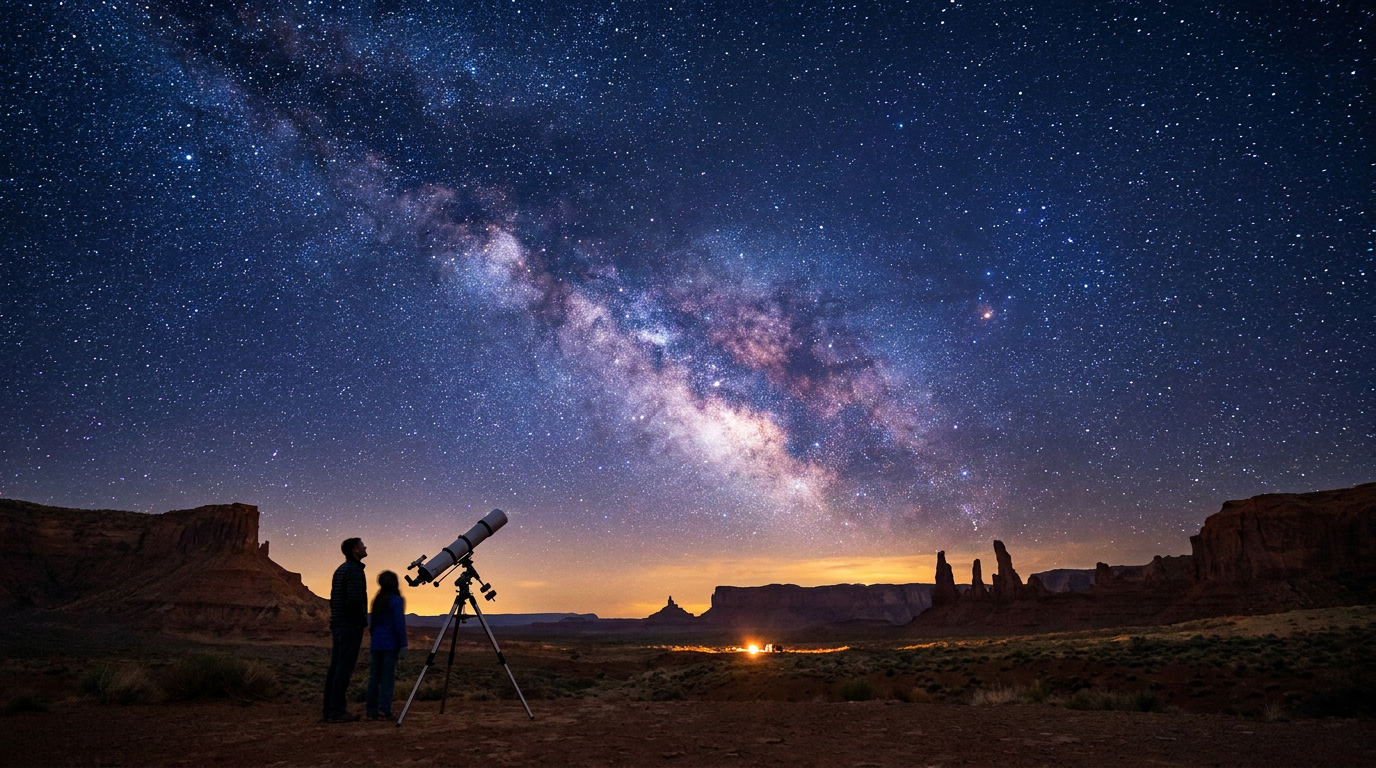
- Tourism & Hospitality Industry
- Viewing dark skies as a premium, monetizable asset that drives off-season travel and rural economic growth.
- Conservationists & Ecologists
- Using the economic value of astrotourism to fund the protection of nocturnal ecosystems and reduce light pollution.
- Indigenous Knowledge Keepers
- Reclaiming the night sky as a cultural text and sharing ancestral astronomical traditions with travelers.
- Astronomers & Dark Sky Advocates
- Focusing on scientific observation and the implementation of strict lighting ordinances to preserve the cosmos.
What's not represented
- · Local residents in newly popular dark-sky towns facing increased traffic
- · Urban planners balancing safety lighting with dark sky ordinances
Why this matters
As light pollution erases the night sky for 83% of the global population, the search for pristine darkness is reshaping the travel industry and rural economies. By turning the absence of light into a highly monetizable asset, astrotourism is providing a powerful financial incentive to protect nocturnal ecosystems and conserve energy.

More in travel
See all 37 stories →Regenerative Travel
How 'Regenerative' Travel is Replacing Sustainability as the New Standard in Luxury Tourism
8 sources

Flight Hacks
The Free Stopover Hack: How to Turn Layovers into Multi-Destination Trips
9 sources
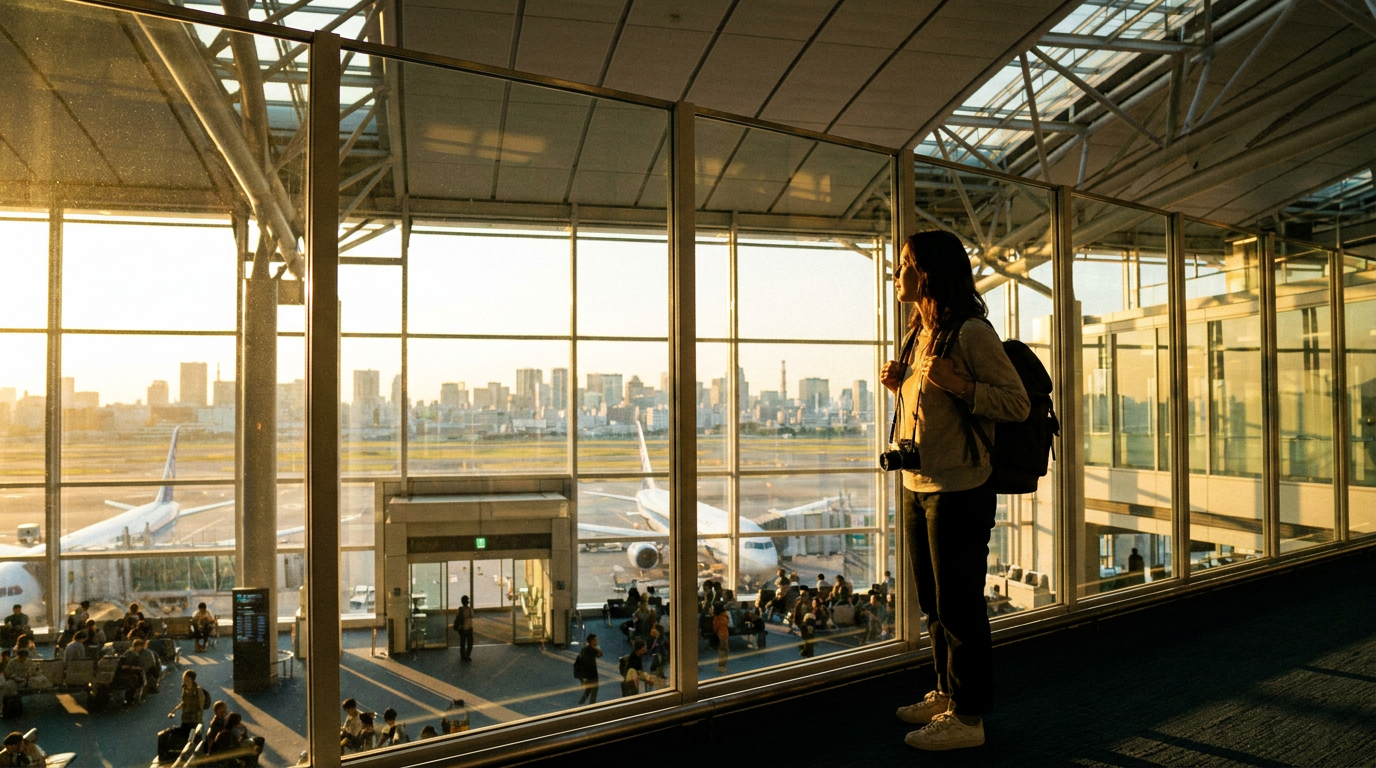
Sustainable Travel
The Definitive Guide to Kyoto's 'Hands-Free Travel' and Sustainable Tourism Rules in 2026
7 sources

Astrotourism
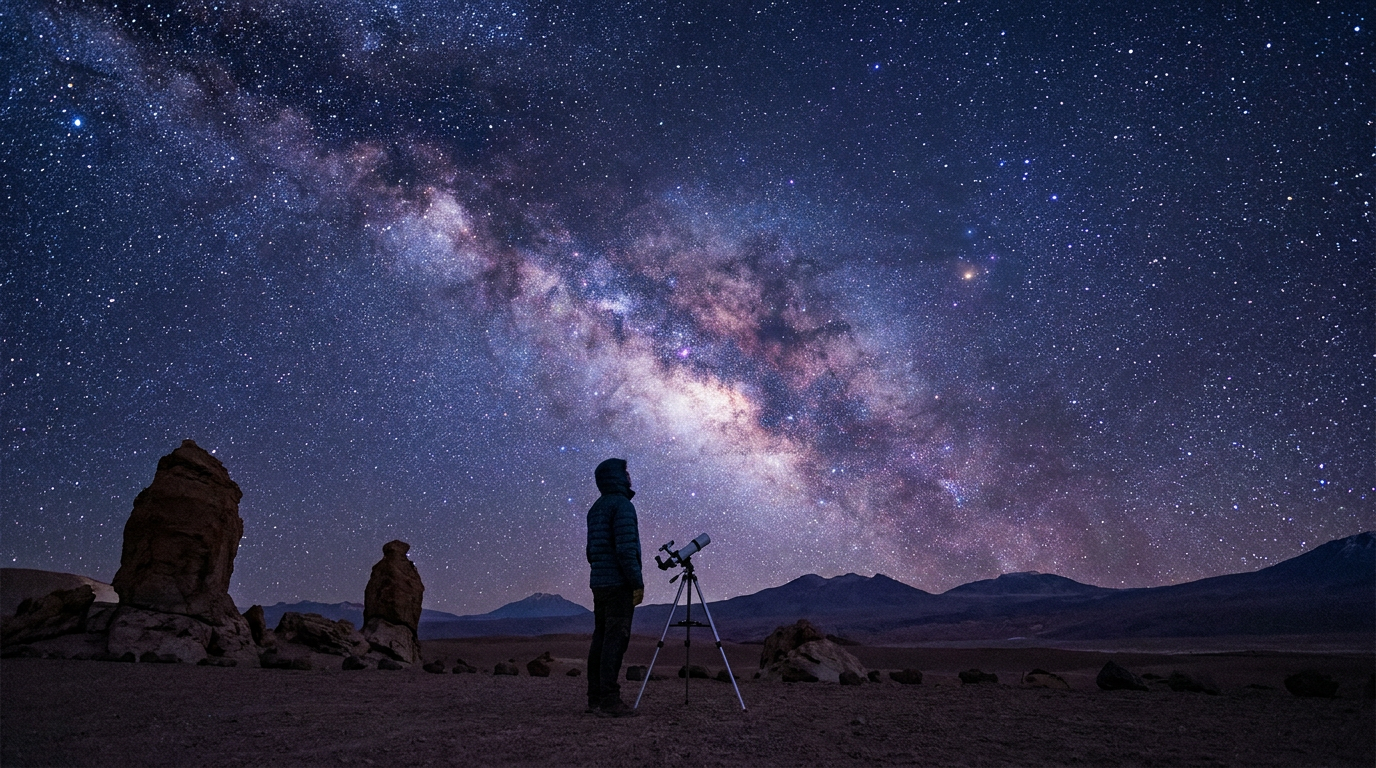
The Global Rise of Astrotourism: How Dark Sky Sanctuaries are Redefining Remote Travel
6 sources
Every angle. Every day.
Get travel stories with full source coverage and perspective breakdowns delivered to your inbox.