
The End of the Sweat-Out: How Combat Sports Are Solving the Weight-Cutting Crisis
Extreme dehydration has long been combat sports' most dangerous open secret. Now, strict hydration testing, second-day weigh-ins, and modern sports science are fundamentally changing how fighters safely make weight.
By Factlen Editorial Team
- Medical & Sports Science Consensus
- Prioritizes long-term brain health, cardiovascular stability, and structured nutritional periodization over rapid weight loss.
- Regulatory Bodies & Commissions
- Focuses on creating enforceable frameworks and penalties to deter fighters from gaming the weigh-in system.
- Progressive Promotions
- Believes the traditional weight class system is inherently flawed and advocates for mandatory hydration testing.
What's not represented
- · Fighters who rely on extreme weight cuts to remain competitive against naturally larger opponents.
- · Independent promoters who lack the budget to implement rigorous multi-day hydration testing protocols.
Why this matters
For decades, fighters have risked kidney failure and severe brain trauma just to hit a number on the scale. The shift toward hydration testing and scientific weight management is saving athletes' lives and ensuring bouts are decided by martial arts skill, not by who survived the most extreme dehydration.
Key points
- Extreme weight cutting via severe dehydration has historically caused organ failure, heat stroke, and increased concussion risks in combat sports.
- Promotions like ONE Championship now require fighters to pass Urine Specific Gravity (USG) tests to prove hydration before weighing in.
- The Association of Boxing Commissions introduced second-day weigh-ins, capping fight-day rehydration at 10 percent above the contracted weight.
- Sports scientists advocate for safer alternatives, such as 48-hour low-fiber diets and glycogen depletion, which shed weight without dehydrating the body.
The weigh-in has long stood as combat sports' most dangerous open secret. Twenty-four hours before stepping into the cage or the boxing ring, elite fighters often look like ghosts of themselves—sunken eyes, protruding ribs, and sometimes requiring the physical support of their coaches just to stand upright on the scale. This is the brutal reality of the extreme weight cut, a grueling and archaic ritual where athletes shed up to ten percent of their total body mass in a matter of days. The primary mechanism for this rapid weight loss is severe, intentional dehydration. The strategic goal is to hit a contracted number on the scale, only to spend the next twenty-four hours rapidly rehydrating so they can enter the actual fight significantly heavier and larger than their opponent. For decades, this practice was accepted as an unavoidable cost of doing business in professional mixed martial arts and boxing, a test of willpower that occurred before the first punch was ever thrown.
But the tide is finally turning across the global combat sports landscape. After years of treating extreme dehydration as a mere technicality, the industry is undergoing a profound scientific and regulatory revolution. Driven by a deeper understanding of human physiology and spurred by tragic incidents of organ failure and fatalities, promotions and athletic commissions are rewriting the rulebooks. From mandatory hydration testing that measures the specific gravity of an athlete's urine to second-day weigh-ins that penalize excessive rehydration, the sport is systematically dismantling the incentives that encourage dangerous cuts. This shift represents a monumental leap forward for fighter safety, prioritizing long-term brain health and physiological longevity over the traditional, punishing sweat-out. The focus is moving away from who can survive the most brutal dehydration and returning to who possesses the superior martial arts skill.[7]
To truly understand the necessity of this regulatory shift, one must first examine the extreme physiology of the traditional weight cut. The process typically begins weeks in advance, but the most dangerous phase initiates during "fight week" with a counterintuitive practice known as water loading. Fighters consume massive quantities of water—sometimes up to two or three gallons a day. This excessive intake forces the body to adapt by down-regulating the production of aldosterone, a crucial steroid hormone produced by the adrenal glands that is responsible for conserving sodium and secreting potassium to maintain fluid balance. By suppressing aldosterone, the fighter's kidneys are essentially tricked into a hyper-active state, constantly flushing water out of the system to manage the massive influx of fluid.[5]
The trap is sprung roughly forty-eight hours before the official weigh-in. The fighter suddenly and drastically restricts their water intake, sometimes cutting fluids out entirely. However, because the body's hormonal response lags behind, the kidneys remain in "flushing mode," continuing to rapidly expel fluid that is no longer being replaced. Combined with active sweating techniques—such as prolonged sessions in dry saunas, soaking in scalding hot baths infused with Epsom salts, and training in rubberized sweat suits—the body is systematically drained of its essential water reserves. The International Society of Sports Nutrition notes that while shedding gut bulk through low-fiber diets and depleting water-bound glycogen stores can safely reduce body mass, this brute-force dehydration crosses a dangerous physiological line, pushing the athlete's internal systems to the brink of collapse.[3][5]

The most severe and hidden cost of this rapid dehydration is exacted directly on the brain. As total body water drops precipitously, the volume of cerebrospinal fluid also decreases. This clear, colorless liquid surrounds the brain and spinal cord, acting as a vital shock absorber that cushions the brain against the inside of the skull during physical impacts. Medical experts and ringside physicians warn that stepping into a professional fistfight with reduced cerebrospinal fluid exponentially increases the risk of severe concussions, micro-traumas, and long-term traumatic brain injuries. The brain is literally left vulnerable, knocking against the hard bone of the skull with significantly less hydraulic protection, turning what might have been a routine jab into a devastating knockout blow.[5]
Beyond the neurological vulnerabilities, the cardiovascular system is subjected to immense, unsustainable stress. Severe dehydration thickens the blood, significantly reducing both plasma volume and stroke volume—the amount of blood pumped by the left ventricle of the heart in one contraction. To compensate for this thicker blood and maintain oxygen delivery to the muscles, the heart has to work significantly harder, leading to a highly elevated resting heart rate. This cardiovascular strain raises the athlete's core body temperature and drastically increases the risk of heat stroke, kidney damage, or even sudden cardiac events. The fighter may look physically imposing once rehydrated, but internally, their organs have just survived a traumatic event before the referee even signals the start of the bout.[5]
Recognizing these catastrophic physiological risks, ONE Championship, the premier martial arts organization in Asia, became the first major global promotion to fundamentally rewrite the rules of weight management. Following the tragic weight-cutting-related death of a fighter in 2015, the organization abolished the traditional weight class system in favor of "walking weight" divisions. Under this pioneering model, athletes are no longer permitted to dehydrate themselves to hit a lower weight class. Instead, they must prove that they are adequately hydrated throughout fight week and on the day of the weigh-in. This systemic overhaul was designed to completely eliminate the dangerous forty-eight-hour dehydration window, ensuring that athletes step into the cage at their natural, healthy body weight.[2]
Under this pioneering model, athletes are no longer permitted to dehydrate themselves to hit a lower weight class.
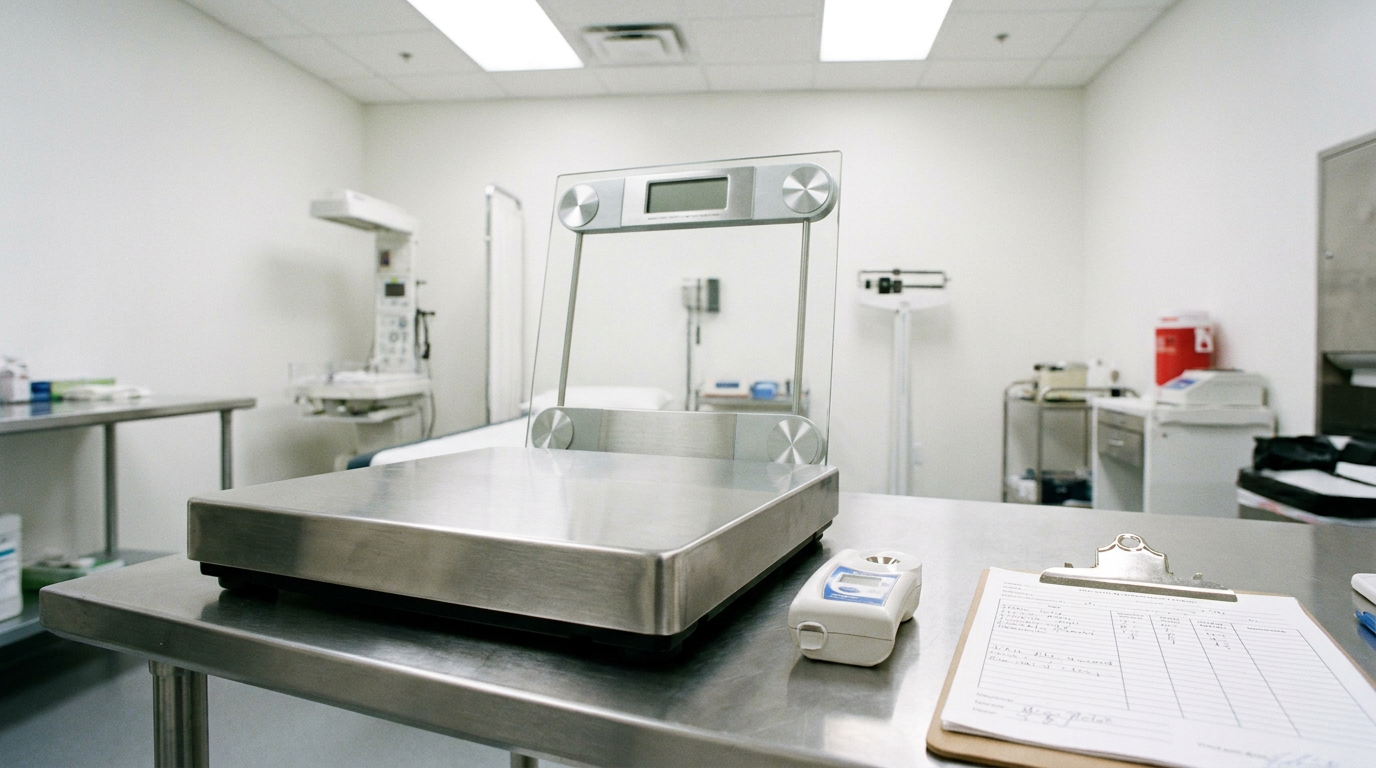
The cornerstone of the ONE Championship model is the implementation of strict urine specific gravity (USG) testing. During fight week, athletes must submit urine samples under the supervision of a medical technician. The medical team uses a device called a refractometer to measure the concentration of dissolved particles in the urine compared to pure water. To pass the hydration test and be cleared to weigh in, a fighter must register a USG value of 1.025 or lower. A higher value indicates concentrated urine and a state of dehydration, resulting in an immediate failure. If an athlete fails the hydration test, they are strictly prohibited from stepping on the scale, effectively halting any attempt to game the system through last-minute water shedding.[2]

This mandatory hydration protocol forces athletes to compete in weight classes that accurately reflect their everyday physiology. For example, a fighter who previously starved and dehydrated themselves to make the 155-pound lightweight limit in North American promotions might be required to fight at 170 pounds in ONE Championship. By shifting the weight classes upward and mandating hydration, the promotion ensures that the athletes are fully fueled, neurologically protected, and capable of performing at their absolute physical peak. The result is not only a safer environment for the fighters but also higher-quality, more energetic bouts that don't feature athletes gassing out in the first round due to compromised kidney function and lingering dehydration.[2][7]
While ONE Championship pioneered the walking-weight model, Western regulatory bodies are also tightening the net to combat the weight-cutting epidemic. The Association of Boxing Commissions (ABC), which provides regulatory guidelines for combat sports across the United States, has implemented stringent new rules to address what it officially termed a massive industry-wide health concern. Recognizing that they cannot easily force independent promotions to adopt daily hydration testing, the ABC targeted the primary incentive for extreme weight cutting: the massive size advantage gained through rapid, excessive rehydration between the weigh-in and the fight.[1][4]
One of the ABC's most potent regulatory tools is the implementation of the second-day weigh-in for championship bouts. Under these guidelines, athletes who successfully make weight the day before the event are subjected to a secondary, mandatory weigh-in on the actual day of the fight. At this follow-up weigh-in, the fighters are strictly prohibited from exceeding the contracted bout weight by more than ten percent. For instance, a fighter competing for a 147-pound title cannot weigh more than 161.7 pounds on fight day. This rule effectively caps the amount of water weight an athlete can safely cut and regain, deterring the most extreme and dangerous dehydration practices.[1][6]

The penalties for violating this ten percent rehydration limit are severe and designed to strip away any competitive advantage. If a fighter misses the mark at the second-day weigh-in, the bout may proceed, but the overweight athlete is heavily penalized. If the overweight fighter is the challenger and wins the bout, they are rendered ineligible to claim the championship title. If the defending champion is the overweight athlete and wins, the title is immediately declared vacant. Furthermore, offenders face mandatory fines of at least ten percent of their purse and risk being lowered in the official rankings or suspended from championship contention for a full twelve months.[4][6]
As regulatory bodies close the loopholes that allowed extreme dehydration, modern sports science is stepping in to offer fighters smarter, safer alternatives to the sauna. Elite nutritionists and performance coaches now guide athletes through structured, evidence-based descents over six to eight weeks. Rather than relying on last-minute water manipulation, these camps focus on optimizing body composition, gradually reducing body fat while maintaining lean muscle mass. This long-term periodization ensures that the athlete arrives at fight week within striking distance of their contracted weight, requiring only minor, safe adjustments rather than a traumatic physiological crash.[3][7]
When acute weight loss is necessary in the final days, science provides methods that do not compromise hydration. One highly effective strategy is the implementation of a low-fiber, low-residue diet forty-eight hours before the weigh-in. By reducing the intake of fibrous foods, fighters can clear the gastrointestinal tract of bulk, safely shedding up to 1.5 percent of their total body mass without losing a single drop of essential water. Similarly, athletes can strategically deplete their glycogen stores through carbohydrate restriction and targeted exercise. Because every gram of stored glycogen binds to nearly three grams of water in the muscles, depleting these stores safely removes weight without triggering the systemic stress of clinical dehydration.[3]

Even with these safer methods, the rehydration window following the weigh-in remains a critical phase of fight preparation. When athletes do need to replenish fluids after a moderate, scientifically managed cut, the protocols are highly specific and carefully timed. The International Society of Sports Nutrition recommends the immediate use of oral rehydration solutions containing precise sodium ranges, rather than simply chugging plain water. Athletes are advised to aim for replacing 125 to 150 percent of the fluid volume lost during the cut, paired with fast-acting carbohydrates to rapidly restore muscle glycogen. This structured refueling ensures the body absorbs the fluids efficiently, preventing gastrointestinal distress and restoring explosive power.[3]
The era of the emaciated fighter staggering to the scale, wrapped in towels and barely conscious, is slowly being engineered out of existence. By combining strict hydration testing, second-day weight limits, and evidence-based nutritional science, the combat sports industry is proving that athlete safety and high-stakes competition do not have to be mutually exclusive. Fighters are learning that arriving at the cage fully hydrated, neurologically protected, and physiologically sound provides a far greater competitive advantage than stepping onto the canvas as the larger, but internally broken, athlete.[7]
How we got here
2000s–Early 2010s
Extreme dehydration becomes the standard practice in MMA, with fighters regularly cutting 10-15% of their body weight in days.
December 2015
Following a tragic weight-cutting fatality, ONE Championship announces the abolition of traditional weight classes in favor of hydration-tested walking weights.
July 2018
The Association of Boxing Commissions (ABC) passes new regulations, including second-day weigh-ins and the 10% rehydration limit for championship bouts.
January 2019
The ABC's new extreme weight-cutting regulations officially go into effect across participating North American athletic commissions.
2024–2026
Sports science consensus solidifies around structured periodization, low-fiber diets, and glycogen depletion as safer alternatives to the sauna.
Viewpoints in depth
Medical & Sports Science Consensus
Prioritizes long-term brain health, cardiovascular stability, and structured nutritional periodization over rapid weight loss.
Ringside physicians and sports nutritionists argue that extreme dehydration fundamentally compromises an athlete's safety before the fight even begins. By reducing cerebrospinal fluid, fighters exponentially increase their risk of traumatic brain injury. This camp advocates for strict hydration testing, low-fiber diets to reduce gut bulk, and gradual body composition changes, arguing that a fully hydrated, neurologically sound fighter will always outperform a larger, dehydrated one.
Regulatory Bodies & Commissions
Focuses on creating enforceable frameworks and penalties to deter fighters from gaming the weigh-in system.
Organizations like the Association of Boxing Commissions recognize that they cannot police every fighter's training camp, so they target the incentives. By implementing second-day weigh-ins and capping fight-day rehydration at 10 percent above the contracted weight, regulators aim to eliminate the massive size advantages that drive extreme cuts. Their philosophy is rooted in deterrence: if an overweight fighter cannot win a championship title and faces severe financial penalties, the risk of extreme dehydration no longer outweighs the reward.
Progressive Promotions
Believes the traditional weight class system is inherently flawed and advocates for mandatory hydration testing.
Led by organizations like ONE Championship, this viewpoint argues that the only way to truly protect athletes is to force them to fight at their natural "walking weight." By utilizing urine specific gravity (USG) tests to ensure fighters are hydrated before they are even allowed to step on the scale, these promotions have effectively eliminated the 48-hour dehydration window. They argue that this model not only saves lives but produces higher-quality, more energetic fights.
What we don't know
- Whether major North American promotions like the UFC will ever fully adopt mandatory USG hydration testing for all bouts.
- The long-term, cumulative effects of repeated mild-to-moderate weight cuts on an athlete's renal and cardiovascular health over a 15-year career.
Key terms
- Urine Specific Gravity (USG)
- A medical measurement of urine concentration used to accurately determine an athlete's hydration level.
- Cerebrospinal Fluid
- The clear liquid that surrounds and protects the brain and spinal cord, acting as a vital shock absorber during physical impacts.
- Aldosterone
- A steroid hormone that helps the body conserve sodium and water; its production is manipulated during the dangerous practice of water loading.
- Glycogen Depletion
- A safe weight-cutting strategy that involves restricting carbohydrates to shed the water naturally bound to stored energy in the muscles.
- Second-Day Weigh-In
- A regulatory protocol where fighters are weighed again on the day of the bout to ensure they haven't dangerously rehydrated to gain a massive size advantage.
Frequently asked
What is a urine specific gravity (USG) test?
A USG test measures the concentration of dissolved particles in urine compared to pure water. In combat sports, it is used to scientifically prove an athlete is hydrated before they are allowed to weigh in.
Why does dehydration increase the risk of concussions?
Severe dehydration reduces the volume of cerebrospinal fluid, the liquid that cushions the brain. With less fluid to absorb impacts, the brain is more vulnerable to trauma when struck.
What is the 10 percent rule in boxing and MMA?
Implemented by the Association of Boxing Commissions, this rule requires a second weigh-in on fight day. Athletes cannot weigh more than 10 percent above their contracted weight class, preventing extreme rehydration.
How can fighters safely lose weight without dehydrating?
Sports scientists recommend gradually lowering body fat over weeks, adopting a low-fiber diet 48 hours before weigh-ins to clear gut bulk, and safely depleting water-bound glycogen stores through carbohydrate restriction.
Sources
Source coverage
7 outlets
3 viewpoints surfaced






[1]Association of Boxing CommissionsRegulatory Bodies & Commissions
Regulatory Guidelines and Rules for All Championship Bouts
Read on Association of Boxing Commissions →[2]ONE ChampionshipProgressive Promotions
Hydration & Weigh-In System Protocol
Read on ONE Championship →[3]International Society of Sports NutritionMedical & Sports Science Consensus
Position stand: nutrition and weight cut strategies for mixed martial arts
Read on International Society of Sports Nutrition →[4]Combat Sports LawRegulatory Bodies & Commissions
ABC Passes New Rules Hoping to Curb Extreme Weight Cutting
Read on Combat Sports Law →[5]Doctor DynamoMedical & Sports Science Consensus
The Deadly Science of the Weight Cut (Doctor Explains)
Read on Doctor Dynamo →[6]BoxRecRegulatory Bodies & Commissions
ABC passes new rules to combat extreme weight cutting in boxing title fights
Read on BoxRec →[7]Factlen Editorial TeamProgressive Promotions
Synthesis by Factlen editorial team
Read on Factlen Editorial Team →



Every angle. Every day.
Get sports stories with full source coverage and perspective breakdowns delivered to your inbox.