
The Economics of Falling Oil: How Major Airlines Are Finally Dropping International Fuel Surcharges
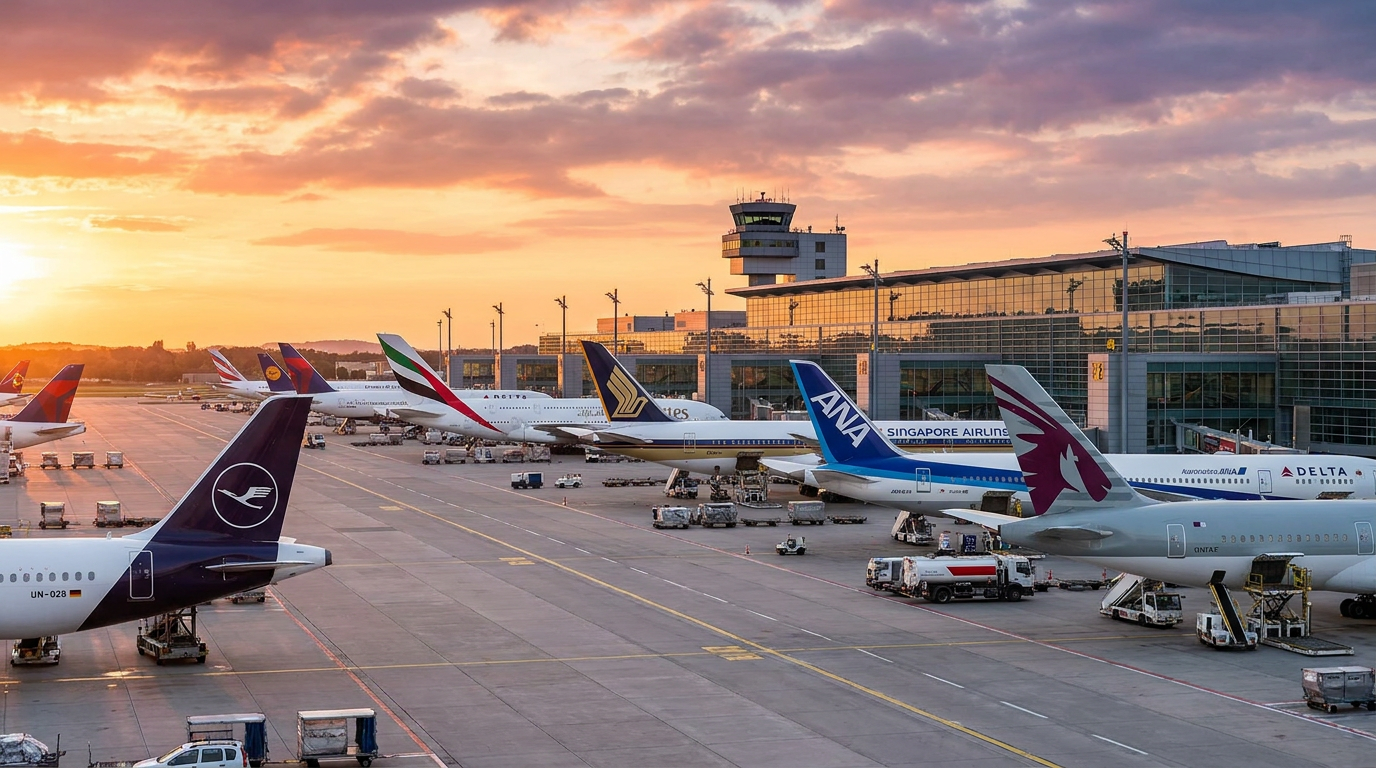
Following a significant drop in global crude oil prices, major airlines and international regulators are officially scaling back the costly 'YQ' fuel surcharges on long-haul flights.
By Factlen Editorial Team
- Consumer Advocates
- Focuses on the immediate financial relief and the disproportionate impact of surcharges on award bookings.
- Airlines & Analysts
- Emphasizes the delayed benefits of fuel hedging and the need to recover from massive operational losses.
- Aviation Regulators
- Prioritizes transparent, formula-driven adjustments to protect consumers from arbitrary price gouging.
What's not represented
- · Environmental groups advocating for higher aviation taxes to offset carbon emissions.
Why this matters
Fuel surcharges can artificially inflate the cost of an international ticket by hundreds of dollars and must be paid in cash even when redeeming frequent flyer miles. The rollback of these fees provides immediate, tangible savings for travelers booking late-summer and autumn itineraries.
Key points
- Major airlines are beginning to scale back international fuel surcharges as global crude oil prices fall.
- Crude oil has dropped to roughly $70 per barrel following a framework agreement to end the war in Iran.
- Carriers like Porter Airlines and WestJet have officially halved or reduced their temporary surcharges.
- Regulators in Taiwan and the Philippines have mandated drops in their official fuel surcharge matrices.
- Fuel hedging contracts mean some airlines are still paying peak spring prices, delaying immediate relief.
- Experts warn that while surcharges are dropping, base airfares remain elevated due to other operational costs.
For international travelers bracing for an expensive summer, the final week of June 2026 has delivered an unexpected reprieve. Across the global commercial aviation sector, prominent airlines are finally scaling back their passenger fuel surcharges. The sudden policy adjustments represent a direct response to a significant drop in the cost of aviation kerosene, providing immediate financial relief for late-summer and autumn itineraries.[1]
The catalyst for this pricing shift is a dramatic cooling in global energy markets. Crude oil prices have fallen back to around $70 per barrel, returning to levels seen before the outbreak of the war in Iran in late February. During the height of the conflict this spring, when tanker traffic through the vital Strait of Hormuz was severely restricted, crude surged well above $100 per barrel. With a framework agreement now in place to end the hostilities, spot rates for aviation fuel have plummeted, dropping 23 percent in North America over the past month alone.[2]
Airlines are moving swiftly to pass these savings on, albeit unevenly. In Canada, Porter Airlines halved its temporary fuel surcharge for reward flight redemptions from $40 to $20, citing a normalizing fuel market. WestJet similarly reduced the levy on its companion vouchers from $60 to $40 per round trip, offering immediate relief to its loyalty members.[2][5]

The reductions are even more pronounced in the Asia-Pacific region, where government regulators tightly control surcharge formulas. Taiwan’s Civil Aviation Administration announced that surcharges on international flights operated by carriers like China Airlines and EVA Air would drop to US$35 for short-haul routes and US$91 for long-haul flights. This rollback reverses a steep hike implemented in April when Middle East tensions peaked.[3]
Similarly, the Philippines’ Civil Aeronautics Board downgraded its passenger fuel surcharge matrix from Level 14 down to Level 12 for the second half of June. Under this adjusted tier, the maximum surcharge for long-haul international flights originating from the Philippines dropped to roughly 9,550 pesos, offering tangible savings for expatriates and tourists alike who rely on these vital transpacific routes.[4]
Similarly, the Philippines’ Civil Aeronautics Board downgraded its passenger fuel surcharge matrix from Level 14 down to Level 12 for the second half of June.
To understand why these drops matter, travelers must look past the advertised base fare and into the opaque world of airline pricing mechanics. The fuel surcharge—universally coded as "YQ" or "YR" on ticket receipts—was originally introduced as a temporary buffer. Instead of constantly reprogramming their core ticket prices across thousands of global distribution systems, airlines use the YQ code as a variable dial. When global oil spikes, the dial turns up; when it drops, the fee is supposed to follow.[6]

In practice, the YQ surcharge has become a massive revenue lever, often inflating the cost of an international ticket by hundreds of dollars. It is particularly painful for frequent flyers redeeming miles or credit card points. Because airlines classify the YQ fee as a tax or carrier-imposed surcharge rather than part of the base fare, "free" award tickets still require passengers to pay the fuel surcharge in cash. A drop in these fees directly translates to cheaper award redemptions.[1][6]
However, the relief at the checkout screen is rarely instantaneous when oil prices fall. The delay is caused by fuel hedging, a financial strategy where airlines purchase futures contracts to lock in fuel rates months in advance. While hedging protects carriers from sudden price explosions, it also means they are often stuck paying elevated rates even after the spot price of crude collapses. The late-June surcharge cuts indicate that the expensive spring hedges are finally expiring.[1]
Despite the positive momentum, not every carrier is ready to surrender this revenue stream. Air Canada, for instance, is holding its fuel costs steady through its regular fare structure, keeping a $50 per passenger surcharge in place on its vacation packages. The airline cited ongoing uncertainty regarding the situation in the Middle East as justification for maintaining the buffer. Discount carrier Flair Airlines is also holding steady, stating only that it will adjust prices as appropriate.[2][5]

Aviation analysts caution consumers against expecting a return to pre-2020 international pricing. John Gradek, an industry expert, noted that while the fuel factor is easing, global airfares have fundamentally increased by 25 to 35 percent outside of energy costs. Airlines are grappling with higher labor costs, delayed aircraft deliveries, and the need to recover from operational losses sustained earlier in the year.[5]
The flow of aviation fuel hasn't fully normalized yet, Gradek warned, pointing out that the physical supply chains disrupted by the Strait of Hormuz crisis will take months to fully recover. For airlines, the current drop in oil prices offers a vital window to rebuild profit margins, meaning they may be slow to drop base fares even as they trim the highly visible YQ surcharges.[5]
For now, the easing of fuel surcharges represents a rare victory for consumer wallets in an otherwise inflationary travel landscape. Industry watchers advise travelers planning international trips for late 2026 to monitor airline announcements closely. As more carriers exhaust their expensive spring fuel hedges, competitive pressure will likely force further reductions in the YQ dial, making the coming weeks a strategic window for booking long-haul flights.[1][6]
How we got here
Late Feb 2026
War in Iran breaks out, disrupting tanker traffic in the Strait of Hormuz and sending crude oil above $100 per barrel.
March–April 2026
Airlines globally implement massive hikes to their international fuel surcharges to offset soaring kerosene costs.
Early June 2026
A framework agreement is reached to end the conflict, causing crude oil prices to fall back to roughly $70 per barrel.
Late June 2026
Major airlines and national aviation regulators begin officially rolling back the YQ surcharges as expensive spring fuel hedges expire.
Viewpoints in depth
Consumer Advocates
Focuses on the immediate financial relief and the disproportionate impact of surcharges on award bookings.
Consumer advocates argue that the YQ surcharge has long been abused as a hidden profit center rather than a true reflection of fuel costs. They point out that when oil prices drop, airlines are notoriously slow to adjust the dial downward, yet they hike fees instantly during a crisis. For frequent flyers, the late-June reductions are seen as a long-overdue correction that restores the actual value of loyalty points, which are otherwise severely devalued when passengers are forced to pay hundreds of dollars in cash for "free" flights.
Airlines & Analysts
Emphasizes the delayed benefits of fuel hedging and the need to recover from massive operational losses.
Industry analysts defend the delayed rollback of surcharges by pointing to the mechanics of fuel hedging. Airlines locked in contracts at peak spring prices to guarantee supply during the Strait of Hormuz crisis, meaning they are still burning expensive fuel even as the spot price of crude drops. Furthermore, airlines argue that the YQ buffer is necessary to survive an era of hyper-volatile energy markets. With base fares already squeezed by intense competition, carriers view the gradual reduction of surcharges as a responsible way to stabilize their balance sheets before passing every cent of savings back to the consumer.
Aviation Regulators
Prioritizes transparent, formula-driven adjustments to protect consumers from arbitrary price gouging.
National aviation authorities, particularly in the Asia-Pacific region, view fuel surcharges as a necessary mechanism that must be strictly governed. Regulators in Taiwan and the Philippines utilize rigid, government-approved matrices that automatically trigger surcharge downgrades when benchmark fuel prices fall below specific thresholds. This perspective argues that leaving surcharge adjustments entirely to the free market allows airlines to artificially inflate ticket prices. By mandating transparent formulas, regulators ensure that the financial relief of falling oil prices is passed directly and proportionally to the traveling public.
What we don't know
- Whether major U.S. legacy carriers will follow suit and drop their international surcharges in the coming weeks.
- How quickly the physical supply chain for aviation kerosene will fully normalize following the Strait of Hormuz disruptions.
- If the reduction in fuel surcharges will be offset by airlines quietly raising their base fares to maintain profit margins.
Key terms
- YQ / YR
- The standard industry codes used on ticket receipts to designate a carrier-imposed fuel surcharge.
- Fuel Hedging
- A financial strategy where airlines purchase futures contracts to lock in fuel rates months in advance, protecting them from sudden spikes but delaying the benefits of price drops.
- Base Fare
- The core price of an airline ticket before government taxes, airport fees, and carrier-imposed surcharges are added.
- Award Ticket
- A flight booked using frequent flyer miles or credit card points, which often still requires the passenger to pay taxes and surcharges in cash.
Frequently asked
What is a YQ fuel surcharge?
It is a variable fee added to the base fare of an airline ticket to cover fluctuating fuel costs. This allows airlines to adjust for energy spikes without constantly reprogramming their core ticket prices.
Why do I pay a fuel surcharge on an award ticket?
Airlines classify the YQ fee as a carrier-imposed surcharge rather than part of the base fare. Because frequent flyer miles only cover the base fare, passengers must still pay the surcharges and taxes in cash.
Will my base airfare drop immediately?
Not necessarily. Airlines use fuel hedging to lock in prices months in advance, and industry experts warn that base fares remain 25 to 35 percent higher globally due to other operational costs.
Sources
Source coverage
6 outlets
3 viewpoints surfaced






[1]DeepArrivalConsumer Advocates
Airlines Scale Back Fuel Surcharges as Global Oil Prices Ease
Read on DeepArrival →[2]BNN BloombergAirlines & Analysts
Some Canadian airlines reduce fuel surcharges as oil falls
Read on BNN Bloomberg →[3]Taipei TimesAviation Regulators
Flight fuel surcharge to fall as oil prices drop
Read on Taipei Times →[4]GMA NewsAviation Regulators
Airfares to roll back as fuel surcharge downgraded for June 16-30, 2026
Read on GMA News →[5]TravelweekAirlines & Analysts
More fuel surcharge cuts but experts expect global airfares to stay high
Read on Travelweek →[6]Trip.comConsumer Advocates
Rising Fuel Costs: How Your 2026 International Airfare Is Changing
Read on Trip.com →

Every angle. Every day.
Get travel stories with full source coverage and perspective breakdowns delivered to your inbox.