
The Complete Guide to the Home Electrification Retrofit
Homeowners are increasingly replacing gas appliances with heat pumps, induction stoves, and smart panels to lower utility bills and eliminate indoor air pollution.
By Factlen Editorial Team
- Climate & Electrification Advocates
- Argue that electrifying homes and vehicles is the fastest, most effective path to decarbonizing the economy.
- Public Health Researchers
- Focus on the immediate health benefits of removing combustion appliances and toxic emissions from indoor living spaces.
- Energy Efficiency Experts
- Emphasize the thermodynamic superiority, long-term cost savings, and grid benefits of heat pump technology.
What's not represented
- · Natural gas utility companies
- · Landlords of older multi-family buildings
Why this matters
Switching from fossil fuels to high-efficiency electric appliances can save households thousands of dollars in long-term energy costs while eliminating toxic indoor air pollutants linked to childhood asthma.
Key points
- Home electrification involves replacing fossil-fuel appliances with electric alternatives like heat pumps and induction stoves.
- Modern heat pumps are 3 to 4 times more efficient than traditional gas furnaces because they move heat rather than create it.
- Studies show that gas stoves emit high levels of nitrogen dioxide indoors, while induction stoves eliminate these emissions entirely.
- Smart electrical panels and circuit splitters allow many homes to electrify without requiring expensive 200-amp utility service upgrades.
- Federal incentives and long-term utility savings are making whole-home electrification increasingly cost-effective.
The American home is undergoing its most significant mechanical transformation since the widespread adoption of indoor plumbing. Across the country, homeowners are systematically capping their gas lines and replacing combustion appliances with high-efficiency electric alternatives. This process, known as "home electrification," is rapidly shifting from a niche environmental pursuit to a mainstream real estate upgrade.[7]
The stakes for this transition are surprisingly high. According to the electrification advocacy group Rewiring America, approximately 40 percent of the United States' carbon emissions originate from the appliances used in homes and the vehicles parked in their driveways. To reach zero emissions, the organization estimates that Americans will need to install roughly one billion new electric machines over the next two decades.[1]
But the push to electrify is no longer driven solely by climate goals. Modern homebuyers are increasingly seeking out "future-proofed" properties equipped with heat pumps, induction stoves, and smart electrical panels. The transition promises a trifecta of tangible benefits: significantly lower utility bills, improved indoor air quality, and a more comfortable living environment.[6][7]
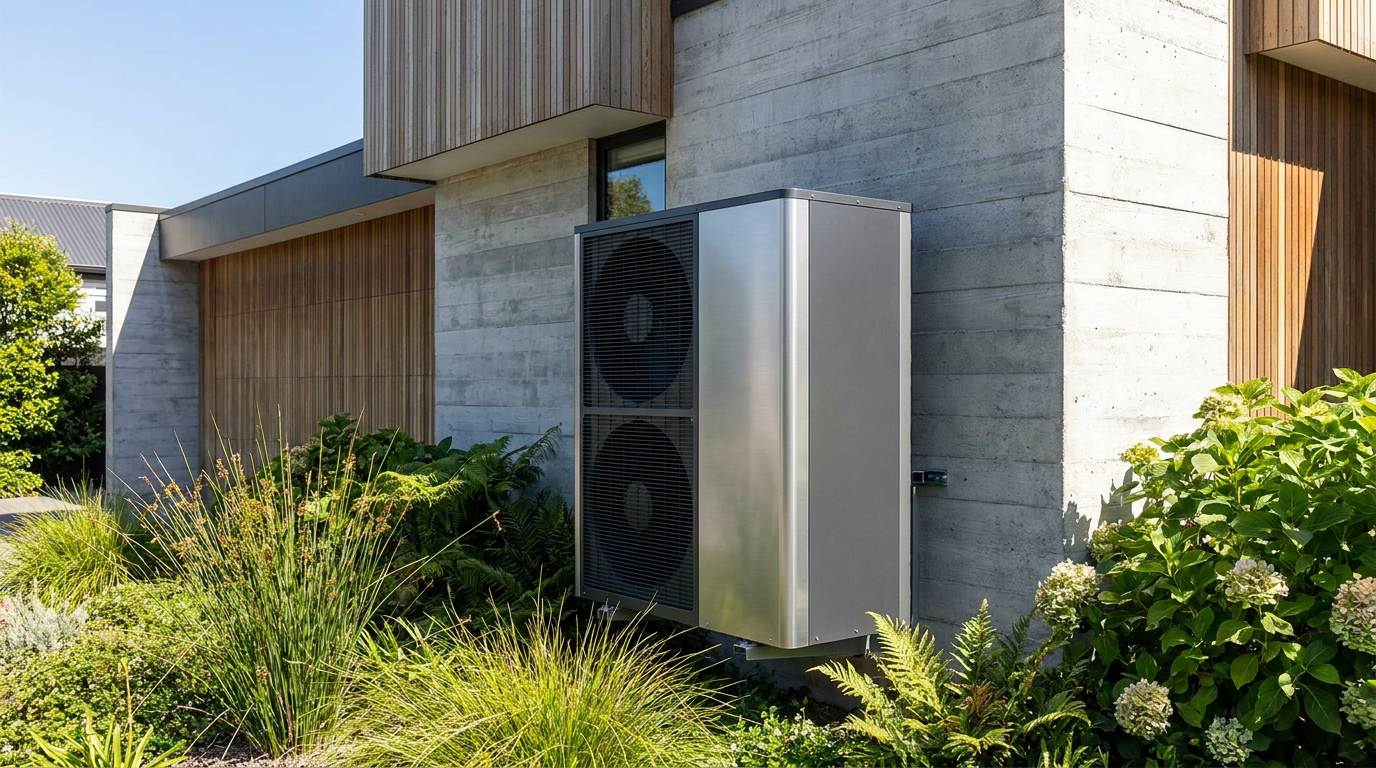
The cornerstone of any home electrification retrofit is the air-source heat pump. Unlike traditional gas furnaces that burn fuel to generate heat, a heat pump operates by moving heat from one place to another. In the summer, it functions exactly like an air conditioner, extracting heat from inside the house and dumping it outside.[5]
In the winter, the system simply reverses the process. Even in freezing temperatures, the heat pump extracts ambient thermal energy from the outside air and compresses it to warm the home's interior. Because moving heat requires significantly less energy than creating it, modern heat pumps are up to three to four times more efficient than the best traditional combustion systems on the market.[5]

This same thermodynamic principle applies to water heating. Traditional gas water heaters are notorious energy hogs, constantly burning fuel to keep a large tank of water hot. Heat pump water heaters pull ambient heat from the surrounding air—typically in a basement or garage—and transfer it into the water tank, using a fraction of the electricity required by standard electric resistance heaters.[1][6]
While heating and cooling represent the largest energy loads, the kitchen has become the most visible battleground for home electrification. For decades, gas stoves were marketed as the premium standard for home chefs. However, a growing body of scientific research has linked gas cooking to severe indoor air quality issues.[4]
While heating and cooling represent the largest energy loads, the kitchen has become the most visible battleground for home electrification.
A landmark 2025 study led by Stanford University revealed that gas and propane stoves expose residents to substantial amounts of nitrogen dioxide (NO2), a pollutant linked to asthma, obstructive pulmonary disease, and lung cancer. The researchers found that individuals using gas stoves are often breathing as much NO2 indoors as they would from all outdoor pollution sources combined.[3]

Real-world testing confirms these laboratory findings. When journalists at KQED tested the air quality in a standard California home, turning on a single gas burner without the ventilation hood caused NO2 levels to spike past the World Health Organization's guidelines for chronic exposure within minutes. The toxic gases quickly spread throughout the house, including into children's bedrooms.[4]
The solution is the induction cooktop. Unlike traditional electric resistance stoves that glow red and heat up slowly, induction uses a magnetic field to directly heat the iron or steel in the cookware. The glass surface remains relatively cool, water boils in a fraction of the time, and the temperature control is instantaneous.[7]
More importantly, induction eliminates combustion pollutants entirely. A pilot study conducted by the Columbia University Mailman School of Public Health in a Bronx public housing complex tracked households that swapped their gas stoves for induction models. The researchers documented a 56 percent reduction in average daily NO2 concentrations. Participants unanimously praised the new stoves, citing faster cooking times and reduced anxiety about gas leaks.[2]

Transitioning a home's heating, water, and cooking to electricity inevitably places a heavier burden on the property's electrical panel. Older homes frequently feature 100-amp service panels, which were perfectly adequate for basic lighting and a few appliances, but can struggle to handle the simultaneous load of a heat pump, an induction stove, and an electric vehicle charger.[6]
Historically, the default solution was a costly utility service upgrade to a 200-amp panel, which can add thousands of dollars to a retrofit project. However, the Building to Electrification Coalition notes that full electrification is often possible without a service upgrade through "Power Efficient Design."[6]
This approach utilizes smart electrical panels or circuit-sharing devices that actively manage the home's power draw. For example, a smart splitter can pause an electric vehicle charger for the twenty minutes that an induction stove is running on high, preventing the total load from ever exceeding the panel's capacity. Newer 120-volt heat pump water heaters also draw significantly less amperage, further easing the transition.[6]

The financial arithmetic of home electrification is complex but increasingly favorable. A full, whole-home retrofit—including a new HVAC system, panel upgrade, and new appliances—can range from $10,000 to over $40,000 depending on the property's size and location.[7]
However, these upfront costs are offset by substantial long-term savings. Households can save an average of $1,800 annually on utility bills by going fully electric, particularly when the system is paired with rooftop solar panels. Furthermore, the federal Inflation Reduction Act provides billions of dollars in upfront discounts and tax credits to help homeowners and renters cover the cost of these exact upgrades.[1]
Experts emphasize that homeowners do not need to electrify everything overnight. The most practical approach is to create a long-term plan and replace fossil-fuel machines as they reach the end of their natural lifespans. When a gas water heater inevitably fails, replacing it with a heat pump model ensures the home takes a step toward the future, rather than locking in another decade of fossil fuel reliance.[1][7]
How we got here
August 2022
The Inflation Reduction Act passes, allocating billions in rebates and tax credits for home electrification upgrades.
July 2024
Columbia University publishes a landmark study showing a 56% drop in NO2 pollution when public housing units switch to induction.
December 2025
Stanford researchers reveal that indoor gas stoves expose residents to as much NO2 as all outdoor sources combined.
2026
Home electrification shifts from early adopters to mainstream remodeling, driven by falling hardware costs and mature smart-panel technology.
Viewpoints in depth
Climate & Electrification Advocates
Argue that electrifying homes and vehicles is the fastest, most effective path to decarbonizing the economy.
Advocacy groups like Rewiring America view the American home as the frontline of the climate transition. Because roughly 40 percent of U.S. carbon emissions come from household appliances and personal vehicles, they argue that individual consumer choices have a massive collective impact. By replacing fossil-fuel machines with electric ones powered by an increasingly renewable grid, advocates believe the country can systematically eliminate a massive portion of its carbon footprint without requiring citizens to sacrifice comfort or convenience.
Public Health Researchers
Focus on the immediate health benefits of removing combustion appliances and toxic emissions from indoor living spaces.
For public health experts, the climate benefits of electrification are secondary to the immediate improvements in indoor air quality. Researchers from institutions like Stanford and Columbia point to mounting evidence that gas stoves emit dangerous levels of nitrogen dioxide and benzene directly into living spaces. They argue that treating the home as an enclosed environment makes the removal of combustion sources a critical public health intervention, particularly for reducing childhood asthma rates in low-income and poorly ventilated housing.
Energy Efficiency Experts
Emphasize the thermodynamic superiority, long-term cost savings, and grid benefits of heat pump technology.
Building scientists and energy experts focus on the sheer mechanical superiority of modern electric appliances. They note that burning fossil fuels to create heat is inherently wasteful compared to using a heat pump to simply move existing thermal energy from one place to another. From this perspective, electrification is less about environmentalism and more about upgrading to better technology. They emphasize that smart panels, induction cooking, and heat pumps offer superior performance, precise control, and long-term financial savings that legacy gas systems simply cannot match.
What we don't know
- How quickly local utility grids will need to be upgraded to handle the increased electrical load of millions of new heat pumps and EV chargers.
- Whether the long-term durability of new smart electrical panels will match the decades-long lifespan of traditional analog breaker boxes.
Key terms
- Air-Source Heat Pump
- An HVAC system that provides both heating and cooling by moving thermal energy between the inside and outside of a home, rather than burning fuel.
- Induction Cooktop
- A highly efficient electric stove that uses magnetic fields to directly heat the cookware, leaving the glass surface cool and eliminating indoor emissions.
- Smart Electrical Panel
- An upgraded circuit breaker box that actively monitors and manages a home's electricity usage, preventing the system from overloading when multiple heavy appliances run simultaneously.
- Power Efficient Design
- A strategy for home retrofits that uses smart technology and efficient appliances to avoid the need for expensive utility service upgrades.
Frequently asked
Do I need to upgrade to a 200-amp electrical panel to electrify my home?
Not necessarily. New 'smart panels' and circuit-sharing devices can actively manage the power draw of heavy appliances, allowing many homes to fully electrify on existing 100-amp service.
Do heat pumps work in freezing weather?
Yes. Modern cold-climate air-source heat pumps can efficiently extract ambient heat from the outside air even when temperatures drop well below freezing.
Can I use my existing pots and pans on an induction stove?
Only if they are magnetic. Cast iron and most stainless steel cookware work perfectly, but aluminum, copper, and glass will not heat up on an induction surface.
Is it cheaper to heat with gas or a heat pump?
While natural gas prices vary by region, heat pumps are 3 to 4 times more energy-efficient than gas furnaces. Over the long term, especially when paired with solar panels, heat pumps generally offer significant utility savings.
Sources
Source coverage
7 outlets
3 viewpoints surfaced






[1]Rewiring AmericaClimate & Electrification Advocates
Electrify Everything in Your Home
Read on Rewiring America →[2]Columbia University Mailman School of Public HealthPublic Health Researchers
Study Finds Switching From Gas to Electric Stoves Cuts Indoor Air Pollution
Read on Columbia University Mailman School of Public Health →[3]Stanford UniversityPublic Health Researchers
Switching to electric stoves can dramatically cut indoor air pollution
Read on Stanford University →[4]KQEDPublic Health Researchers
Gas stoves emit a host of pollution that is unhealthy for you
Read on KQED →[5]U.S. Department of EnergyEnergy Efficiency Experts
Heat Pump Systems
Read on U.S. Department of Energy →[6]Building to Electrification CoalitionClimate & Electrification Advocates
Home Electrification: Service Upgrade Not Required!
Read on Building to Electrification Coalition →[7]Factlen Editorial TeamEnergy Efficiency Experts
Synthesis by Factlen editorial team
Read on Factlen Editorial Team →
Every angle. Every day.
Get home stories with full source coverage and perspective breakdowns delivered to your inbox.