
Inside Germany's 2026 World Cup Tactical Blueprint Under Julian Nagelsmann
Julian Nagelsmann has transformed Germany into a fluid, high-intensity machine, relying on a 3-2-5 attacking shape and aggressive counter-pressing to dominate the 2026 World Cup.
By Factlen Editorial Team
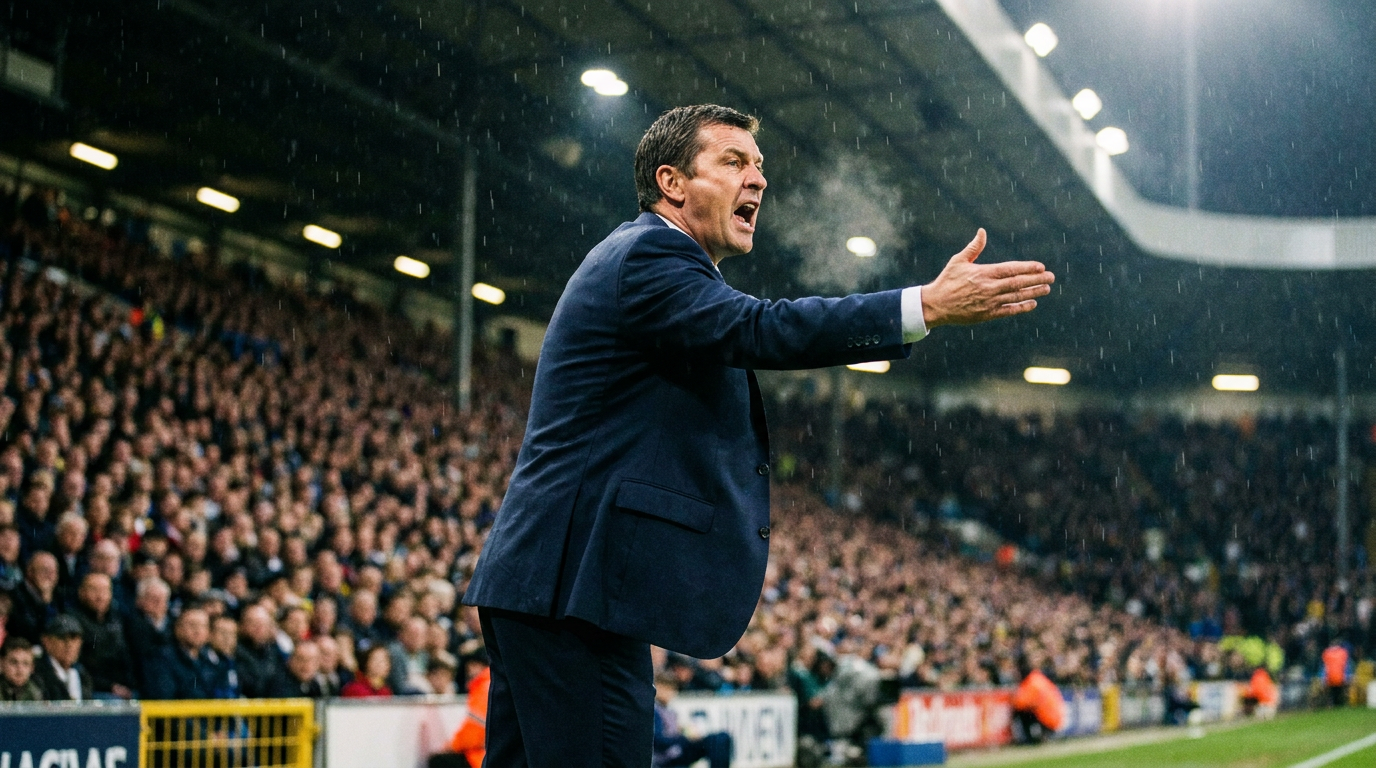
- Tactical Analysts
- Praise Germany's fluid 3-2-5 structure, extreme spatial manipulation, and the sophisticated 'Box' build-up.
- Pragmatic Skeptics
- Warn that the high defensive line and lack of a traditional, physical number nine leave the team vulnerable against elite counter-attacking sides.
- The German Camp
- Emphasize high ambitions, emotional intensity, and trusting their Bayern Munich-heavy core to dictate the tempo of the tournament.
What's not represented
- · Opposing managers tasked with defending the 3-2-5 shape
- · Traditional German fans who prefer a classic target-man striker
Why this matters
After back-to-back group stage humiliations in 2018 and 2022, Germany's tactical rebirth offers a masterclass in modern football innovation. Understanding their fluid, high-risk system provides a lens into where the sport's cutting-edge geometry is heading on the global stage.
Key points
- Germany has secured its first World Cup knockout stage appearance since 2014 after defeating Ivory Coast 2-1.
- Head coach Julian Nagelsmann utilizes a fluid 4-2-3-1 formation that transforms into a 3-2-5 attacking shape in possession.
- Joshua Kimmich plays a crucial role as an inverted right-back, moving centrally to create numerical superiority in midfield.
- The system relies on a strict four-second counter-pressing rule to win the ball back high up the pitch.
- While highly effective, the aggressive high defensive line leaves the team potentially vulnerable to rapid counterattacks.
For the first time since their triumphant 2014 campaign, the German national team has successfully navigated a World Cup group stage. A dramatic 2-1 comeback victory over Ivory Coast on Saturday, fueled by a brace from substitute Deniz Undav, mathematically secured Germany's place in the knockout rounds. The win in Toronto snapped a bitter streak of early exits that had haunted the four-time champions across the 2018 and 2022 tournaments.[3]
But beyond the sheer relief of advancing, the 2026 iteration of Die Mannschaft is turning heads for how they are winning. Under head coach Julian Nagelsmann, Germany has abandoned the rigid possession dogmatism that defined their recent failures. Instead, they have embraced a highly sophisticated, fluid tactical identity built on extreme spatial manipulation and relentless intensity.[4][5]
On paper, Nagelsmann's side lines up in a standard 4-2-3-1 formation. However, the moment Germany secures possession, that structure dissolves into a dynamic 3-2-5 attacking shape. This metamorphosis is the cornerstone of their 2026 blueprint, designed to overwhelm opponents in the central channels while maintaining a stable base against counterattacks.[4][5]
The key to this transformation is Joshua Kimmich. Operating nominally as a right-back, the veteran Bayern Munich star immediately inverts into central midfield alongside Pascal Groß or Robert Andrich during the build-up phase. This movement leaves a back three of Antonio Rüdiger, Jonathan Tah, and the left-back—often Maximilian Mittelstädt or David Raum—to circulate the ball.[1][2][4]

By pushing Kimmich inside, Germany creates a "box" midfield. This numerical superiority allows them to bypass traditional pressing structures with ease. Rather than overpowering opponents through natural wide outlets, Nagelsmann's system operates as an intellectual, geometric network designed to suffocate central channels and manipulate defensive lines.[4][5]
Ahead of this midfield base lies the most dangerous element of the German machine: the dual-threat of Jamal Musiala and Florian Wirtz. Operating in the half-spaces between the opposition's midfield and defensive lines, the pair are granted total freedom to interchange positions. Their ability to receive the ball on the half-turn and immediately drive at defenders forces opponents into impossible decisions.[1][2]
Ahead of this midfield base lies the most dangerous element of the German machine: the dual-threat of Jamal Musiala and Florian Wirtz.
Leading the line is Kai Havertz, who functions not as a traditional target man, but as a false nine. Havertz frequently drops deep into the midfield, dragging opposing center-backs out of position and creating gaping holes for Musiala, Wirtz, or Leroy Sané to exploit. While critics have questioned his clinical edge in front of goal, his movement is the linchpin that connects Germany's attacking structure.[1]
When Plan A stalls, Nagelsmann has proven willing to adapt. Against Ivory Coast, after falling behind to a Franck Kessie strike, the introduction of Deniz Undav provided a more direct, penalty-box presence. Undav's two goals highlighted the value of having a ruthless finisher in reserve. Nagelsmann admitted after the match that while Undav could start, he is currently thriving in his role off the bench.[3]

Out of possession, Germany is equally aggressive. Nagelsmann has instituted a fierce counter-pressing system with a strict four-second rule. The moment the ball is lost, the nearest three players sprint to suffocate the ball carrier, attempting to force a turnover high up the pitch before the opponent can transition into an attack.[5]
If the initial press is bypassed, the team drops into a compact block, relying on the sweeping abilities of 40-year-old Manuel Neuer. The legendary goalkeeper, playing in his fifth World Cup, operates almost as a third center-back in possession and serves as a vital safety net against balls played over Germany's aggressively high defensive line.[1][2]
Yet, the system is not without its vulnerabilities. The reliance on Kimmich vacating the right flank demands perfect defensive rotation; if the midfield loses the ball during the transition phase, opponents can find acres of space behind the inverted full-back. Furthermore, the physical toll of sustaining such a high-intensity press in the expanded 48-team tournament format remains a looming question.[1][5]

Despite these risks, the mood within the German camp is one of supreme confidence. The tactical clarity provided by Nagelsmann has united a squad blending seasoned veterans with elite young talent. As they prepare for their final group stage match against Ecuador, the focus has already shifted to the ultimate prize.[2][3][6]
For the first time in over a decade, Germany possesses both the tactical blueprint and the on-pitch execution to suggest they belong back at the pinnacle of international football. As Nagelsmann declared following the victory in Toronto, the team harbors high ambitions, and their sophisticated system is proving exactly why.[3][5]
How we got here
Sept 2023
Julian Nagelsmann takes over as head coach following the dismissal of Hansi Flick.
Summer 2024
Germany reaches the quarter-finals of their home Euro 2024, showing the first signs of Nagelsmann's new tactical identity.
May 2026
Manuel Neuer, age 40, is confirmed in the World Cup squad, anchoring the team's defensive structure.
June 20, 2026
Germany defeats Ivory Coast 2-1, officially advancing past the World Cup group stage for the first time in 12 years.
Viewpoints in depth
Tactical Analysts
Praise Germany's fluid 3-2-5 structure and spatial manipulation.
Tactics experts view Nagelsmann's approach as a masterclass in modern football geometry. By instructing Joshua Kimmich to invert from right-back into central midfield, Germany creates a 'box' that overloads the center of the pitch. This numerical superiority allows them to easily bypass traditional pressing structures, while giving creative playmakers like Jamal Musiala and Florian Wirtz the freedom to operate in the dangerous half-spaces. Analysts argue this intellectual approach to spatial manipulation makes Germany one of the most difficult teams to defend against in the tournament.
Pragmatic Skeptics
Warn about the vulnerabilities of a high defensive line and the absence of a classic striker.
Skeptics acknowledge the beauty of Germany's possession game but point to glaring structural risks. When Kimmich vacates the right flank to move centrally, it leaves vast amounts of space that elite counter-attacking teams can exploit if Germany loses the ball in transition. Furthermore, traditionalists worry that relying on Kai Havertz as a false nine—rather than a physical target man—could leave the team struggling to convert dominance into goals during tight knockout matches, though Deniz Undav's recent heroics off the bench have somewhat eased those fears.
The German Camp
Emphasize high ambitions, emotional intensity, and trusting their core players.
Inside the locker room, the mood is defined by supreme confidence and a sense of redemption. After suffering group-stage humiliations in 2018 and 2022, the squad is embracing Nagelsmann's mandate to play with emotion and intensity. The coaching staff trusts the heavy Bayern Munich core—including 40-year-old Manuel Neuer sweeping behind the high line—to execute the complex system. Following their comeback win over Ivory Coast, Nagelsmann made it clear that merely surviving the group stage is not the goal, publicly stating that the team harbors 'high ambitions' for the ultimate prize.
What we don't know
- Whether Germany's high-intensity pressing system can be sustained physically throughout the grueling 48-team tournament format.
- If the lack of a traditional, physical starting striker will hinder them against elite, deep-defending opponents in the knockout rounds.
Key terms
- False Nine
- A central striker who frequently drops deep into midfield to link up play and drag opposing defenders out of position, rather than staying in the penalty box.
- Inverted Full-back
- A wide defender who moves centrally into the midfield when their team has possession, helping to outnumber the opposition in the middle of the pitch.
- Gegenpressing
- A tactical philosophy where a team immediately attempts to win the ball back within seconds of losing it, rather than falling back into a defensive shape.
- Half-spaces
- The vertical zones on a football pitch situated between the center and the wide flanks, highly valued by attacking midfielders to exploit defensive gaps.
Frequently asked
What formation does Germany play under Julian Nagelsmann?
Germany nominally lines up in a 4-2-3-1, but in possession, it fluidly transforms into a 3-2-5 shape with the right-back moving into central midfield.
Who is Germany's starting striker at the 2026 World Cup?
Kai Havertz typically starts as a 'false nine' to link play and create space, though Deniz Undav has been highly effective coming off the bench as a traditional finisher.
Has Germany qualified for the knockout stage?
Yes. Following their 2-1 victory over Ivory Coast, Germany secured their spot in the knockout rounds for the first time since 2014.
Sources
Source coverage
6 outlets
3 viewpoints surfaced






[1]The GuardianPragmatic Skeptics
Predicting Germany's tactics is not entirely straightforward
Read on The Guardian →[2]beIN SPORTSThe German Camp
Manuel Neuer will lead Germany once again at 2026 World Cup
Read on beIN SPORTS →[3]Citizen DigitalThe German Camp
Germany's ambitions beyond World Cup knockouts, says Nagelsmann
Read on Citizen Digital →[4]Get German Football NewsTactical Analysts
Julian Nagelsmann's Germany: The Tactical Rebuild Heading Into the 2026 World Cup
Read on Get German Football News →[5]Tactical Football AnalysisTactical Analysts
Julian Nagelsmann Tactics At Germany 2026: Spatial Manipulation
Read on Tactical Football Analysis →[6]DFB OfficialThe German Camp
Nagelsmann announces Germany squad for 2026 World Cup
Read on DFB Official →
More in sports
See all 16 stories →Knicks Championship
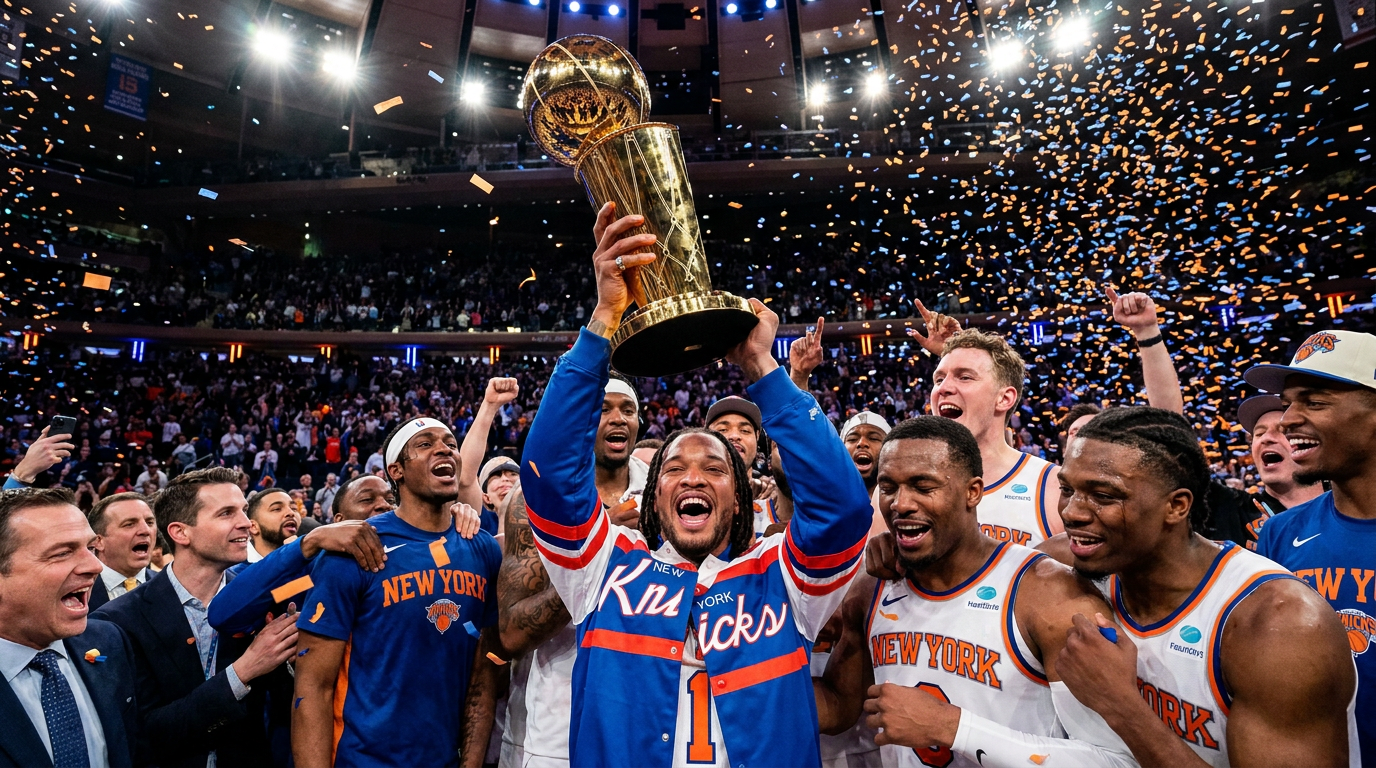
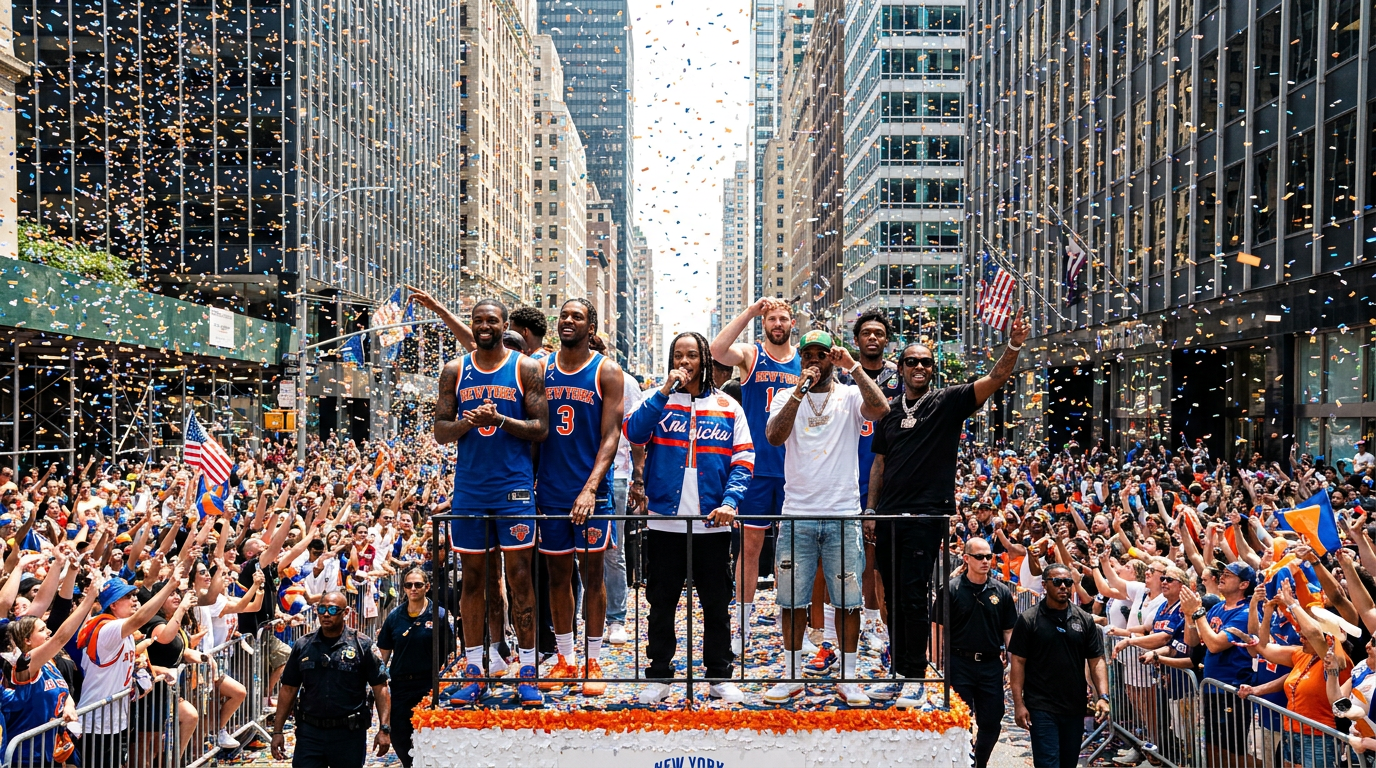
Knicks End 53-Year Drought With 2026 NBA Title, Sparking Massive Cultural Celebration
7 sources
Injury
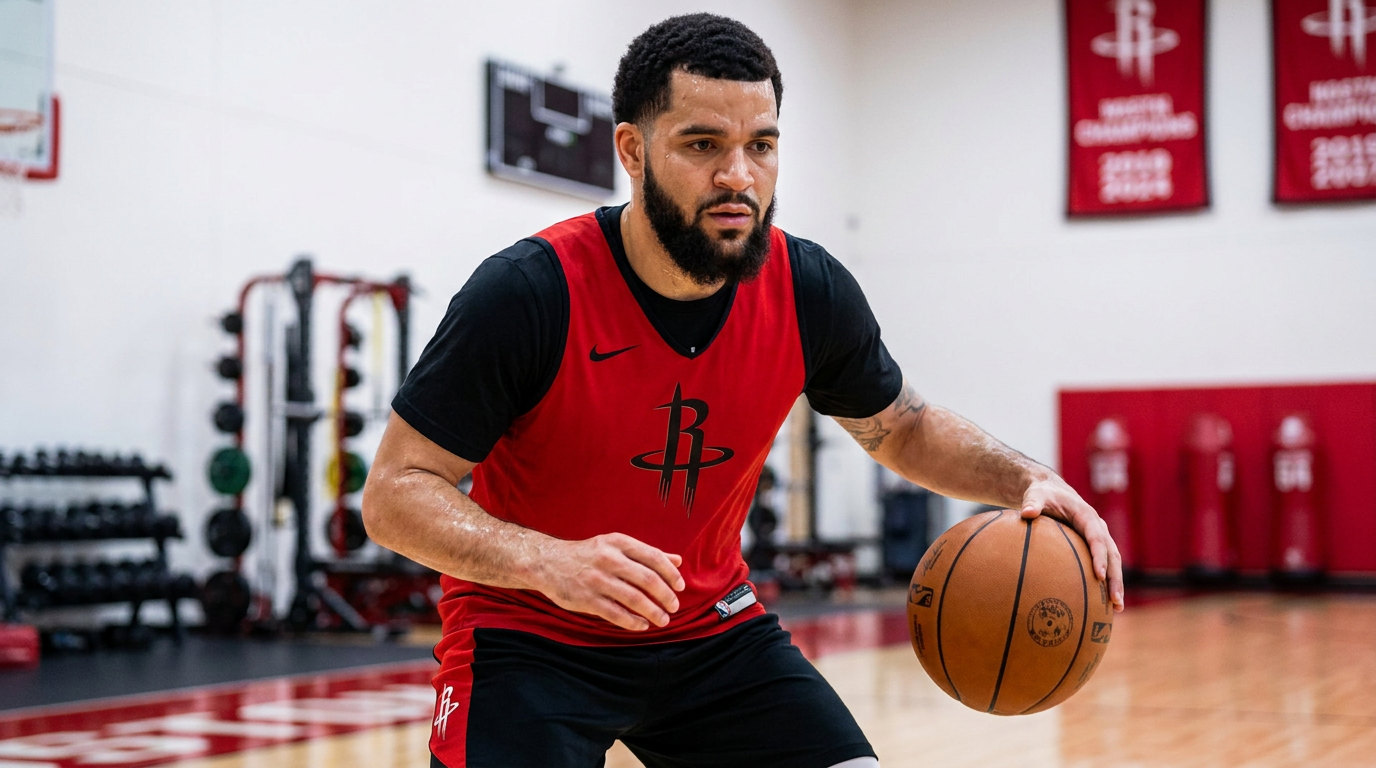
Fred VanVleet Nears Full Recovery From ACL Tear as Rockets Bank on His 2026 Return
6 sources
Women's Sports Growth
NWSL launches 'Summer of Soccer' tour to capture World Cup momentum
7 sources

Grass Court Swing
Cerundolo and Tiafoe Claim Historic Grass-Court Titles Ahead of Wimbledon
8 sources
Every angle. Every day.
Get sports stories with full source coverage and perspective breakdowns delivered to your inbox.