
US and Iran Advance Preliminary Peace Deal in Switzerland Amid Domestic Pushback
Vice President JD Vance is leading high-stakes negotiations in Switzerland to finalize a preliminary US-Iran Memorandum of Understanding, navigating fierce resistance from hardliners in both Washington and Tehran.
By Factlen Editorial Team
- US Diplomatic Proponents
- Support the negotiations as a necessary step to stabilize the Middle East and prevent a broader war.
- Conservative Security Hawks
- View the proposed deal as a dangerous concession that rewards Tehran without dismantling its nuclear program.
- Iranian Political Factions
- Deeply divided between pragmatists seeking economic relief and hardliners who view negotiations as ideological betrayal.
- Regional Security Observers
- Express skepticism about the long-term viability of the framework and its intentional ambiguity.
What's not represented
- · Lebanese civilians caught in the crossfire of the border clashes
- · Iranian citizens facing severe economic hardship under the current sanctions regime
Why this matters
A finalized US-Iran agreement could significantly de-escalate Middle Eastern conflicts and stabilize global energy markets, while a collapse could trigger an immediate regional war.
Key points
- Vice President JD Vance is in Switzerland negotiating a preliminary Memorandum of Understanding with Iranian officials.
- President Trump is maintaining a 'maximum pressure' public stance, threatening further strikes if talks fail.
- The proposed deal has fractured the GOP, with 'America First' conservatives supporting it and traditional hawks strongly opposed.
- Israel has limited its military operations in Lebanon to prevent regional escalation from derailing the negotiations.
- Internal tensions in Tehran have spilled into public view, with hardliners accusing the diplomatic team of bypassing the Supreme Leader.
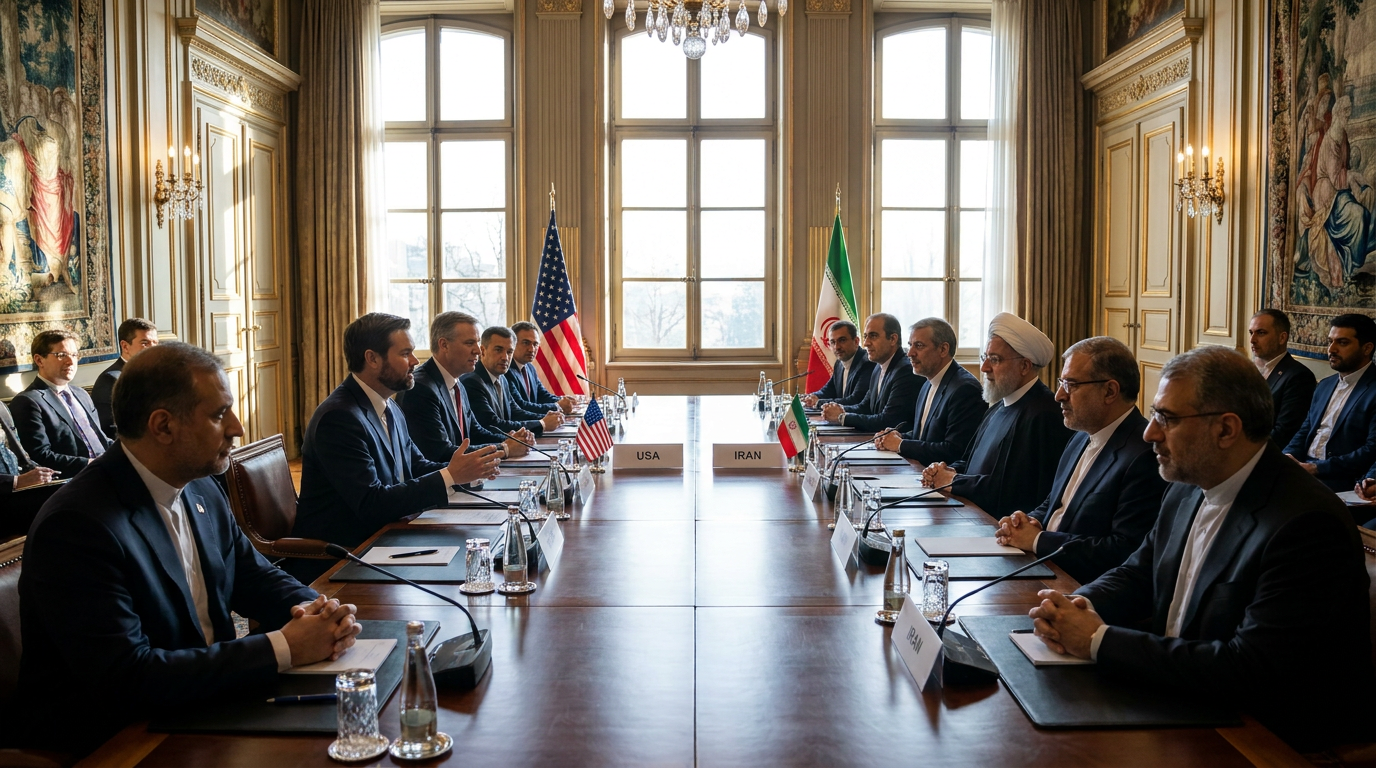
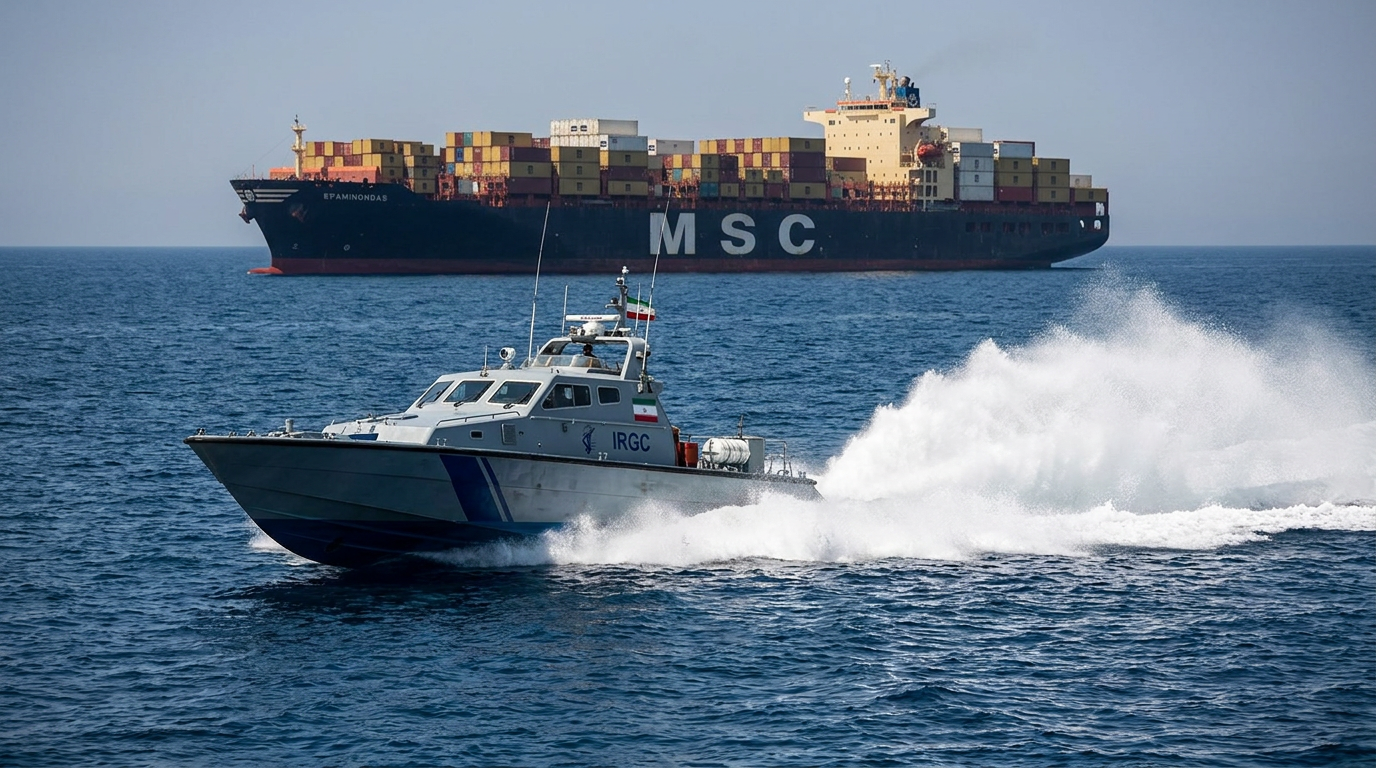
Vice President JD Vance has arrived in Switzerland to lead high-stakes negotiations with Iranian officials, attempting to cement a preliminary Memorandum of Understanding that could fundamentally reshape Middle Eastern geopolitics. The diplomatic summit represents a critical juncture for the Trump administration, which is seeking to secure a landmark foreign policy victory while navigating a volatile regional landscape. The proposed framework aims to establish a fragile detente, addressing key flashpoints including nuclear enrichment thresholds, maritime security in the Strait of Hormuz, and proxy militia activities across the Levant.[1][7]
The administration’s approach relies on a volatile mix of aggressive rhetoric and high-level diplomacy. Even as Vice President Vance sat down at the negotiating table in Geneva, President Trump publicly threatened to 'hit Iran very hard again' if the talks collapse. This dual-track strategy is designed to maximize leverage, projecting a willingness to escalate militarily while offering a concrete off-ramp through the Switzerland summit. White House officials believe this unpredictable posture forces Tehran to take the diplomatic track more seriously, though critics warn it risks triggering the very conflict the talks are meant to prevent.[1][7]
Domestically, the diplomatic push has fractured the Republican party, exposing a deep rift over what constitutes a strategic victory. 'America First' conservatives have largely rallied behind the effort, arguing that a negotiated settlement is essential to disentangle the United States from endless Middle Eastern conflicts and pivot resources toward domestic priorities. Conversely, traditional GOP hawks are mounting fierce resistance. Prominent lawmakers argue that the proposed Memorandum of Understanding surrenders critical leverage, effectively rewarding Tehran with sanctions relief without permanently dismantling its nuclear infrastructure or proxy networks.[2]

The political friction in Washington is mirrored by intense internal debates within Tehran's ruling establishment. Supreme Leader Ayatollah Ali Khamenei has publicly expressed deep reservations about the interim deal, stirring significant debate among Iran's top decision-makers. While the country's pragmatic political wing views the agreement as a necessary step to secure desperately needed economic relief, hardline factions aligned with the Islamic Revolutionary Guard Corps view any compromise with the United States as a dangerous capitulation that undermines the core tenets of the Islamic Republic.[3]
The political friction in Washington is mirrored by intense internal debates within Tehran's ruling establishment.
These internal Iranian conflicts dramatically spilled into public view over the weekend. A former member of Iran’s negotiating team, who participated in previous preliminary talks in Islamabad, appeared on state television to reveal allegedly confidential correspondence. The explosive interview suggested that the supreme leader’s strict negotiating instructions were actively being bypassed by the current diplomatic team. The whistleblower now faces the threat of prosecution and dismissal from parliament, highlighting the extreme political risks Iranian diplomats are taking to finalize the framework.[4]
The fragile negotiations in Switzerland have immediate, life-or-death implications on the ground in the Middle East. Recognizing the delicate nature of the talks, Israel has directed its military to strictly limit its offensive operations in southern Lebanon. This calculated directive is specifically designed to prevent the deadly border clashes that erupted on Friday and Saturday from spiraling into a broader regional war that could instantly derail the US-Iran peace initiative.[5]

Despite the diplomatic momentum and tactical pauses on the battlefield, regional analysts remain deeply skeptical about the long-term viability of the framework. Critics argue the proposed text is less a comprehensive peace treaty and more a 'memorandum of misunderstanding.' Observers note that the deal appears to rely on intentional ambiguity, allowing both Washington and Tehran to claim victory to their respective domestic audiences while delaying the resolution of core, intractable disputes over ballistic missile development and regional proxy funding.[3][6]
Global financial markets are watching the Switzerland summit with intense focus, as the outcome carries massive implications for the global economy. The prospect of a finalized agreement has helped stabilize Brent crude prices around $82 per barrel, as energy traders price in a significantly reduced risk of immediate military conflict in the Strait of Hormuz. A successful deal would ensure the continued flow of global oil shipments, while a collapse of the talks could trigger an immediate spike in energy costs, complicating global inflation-reduction efforts.[6]

As the Switzerland talks enter their critical final hours, the Trump administration faces a complex dual challenge. Vice President Vance must extract verifiable, ironclad concessions from Iranian diplomats to ensure the deal has teeth, while simultaneously preparing to sell a deeply controversial compromise to a skeptical coalition back home. Whether this diplomatic gamble results in a historic realignment of Middle Eastern security or collapses into renewed hostilities will likely be determined by the exact wording finalized behind closed doors in Geneva this week.[1][2][7]
How we got here
Early June 2026
Preliminary back-channel talks between US and Iranian officials commence in Islamabad.
June 19-20, 2026
Deadly clashes erupt between Israel and Hezbollah, threatening to derail the diplomatic progress.
June 21, 2026
Vice President JD Vance arrives in Switzerland to finalize the Memorandum of Understanding.
Viewpoints in depth
Conservative Security Hawks
View the deal as a dangerous concession that rewards Tehran.
Prominent GOP lawmakers and defense analysts argue that the Memorandum of Understanding surrenders critical American leverage. By offering sanctions relief without demanding the total dismantlement of Iran's nuclear infrastructure or an end to its funding of regional proxy groups, hawks believe the administration is effectively subsidizing future conflicts. They advocate for maintaining 'maximum pressure' until Tehran capitulates completely.
Iranian Pragmatists
Support the agreement as a necessary step for economic survival.
Facing crippling international sanctions and severe domestic economic hardship, Iran's pragmatic political wing views the interim deal as a vital lifeline. They argue that securing sanctions relief is paramount for the stability of the state, even if it requires temporary concessions on nuclear enrichment thresholds. This faction is actively pushing back against hardliners who view any negotiation with Washington as ideological betrayal.
Regional Security Observers
Express skepticism about the long-term viability of the framework.
Middle Eastern geopolitical analysts and regional diplomats remain highly cautious. They characterize the proposed agreement as a 'memorandum of misunderstanding' that relies on intentional ambiguity. By allowing both sides to claim domestic victories without resolving core, intractable disputes over ballistic missiles and proxy warfare, observers warn the deal merely delays an inevitable confrontation rather than establishing a durable peace.
What we don't know
- The exact thresholds for Iranian nuclear enrichment that will be permitted under the finalized framework.
- Whether the Iranian diplomatic team has the definitive authority to sign the agreement despite the Supreme Leader's public reservations.
- How long Israel is willing to pause major operations in Lebanon if the Switzerland talks stall.
Key terms
- Memorandum of Understanding (MoU)
- A formal agreement between two or more parties that outlines the terms and details of a mutual understanding, often serving as a preliminary step before a comprehensive treaty.
- Strait of Hormuz
- A vital maritime chokepoint between the Persian Gulf and the Gulf of Oman, through which a significant portion of the world's oil supply passes.
- Maximum Pressure
- A foreign policy strategy involving the application of severe economic sanctions and diplomatic isolation to force a target nation to change its behavior.
Frequently asked
Does this agreement end the conflict in Lebanon?
Not permanently. While the framework includes provisions for de-escalation, and Israel has temporarily limited its military actions, the core disputes involving Hezbollah remain unresolved.
Will all US sanctions on Iran be lifted?
No. The proposed Memorandum of Understanding offers targeted, partial sanctions relief in exchange for specific concessions, rather than a complete dismantling of the sanctions regime.
Why is Vice President Vance leading the talks?
President Trump has dispatched the Vice President to signal the high priority of the negotiations, while the President himself maintains a hardline public posture to maximize diplomatic leverage.
Sources
Source coverage
7 outlets
4 viewpoints surfaced







[1]NPRUS Diplomatic Proponents
Trump threatens to 'hit Iran very hard again' while Vance in Switzerland for talks
Read on NPR →[2]Fox NewsConservative Security Hawks
Trump's Iran gamble divides GOP hawks and 'America First' conservatives over what victory looks like
Read on Fox News →[3]Al JazeeraIranian Political Factions
Khamenei’s MoU stance stirs debate as Iran and US meet in Switzerland
Read on Al Jazeera →[4]The GuardianIranian Political Factions
Secret correspondence claims suggest tensions at top of Iranian government
Read on The Guardian →[5]NYTRegional Security Observers
Israel Directs Its Military to Limit Its Actions in Lebanon, but Tensions Persist
Read on NYT →[6]ReutersRegional Security Observers
Oil markets stabilize as US, Iran diplomats meet in Switzerland
Read on Reuters →[7]CNNUS Diplomatic Proponents
Vance leads high-stakes Iran talks in Geneva as White House balances diplomacy and threats
Read on CNN →
Every angle. Every day.
Get news politics stories with full source coverage and perspective breakdowns delivered to your inbox.