
Iran Claims Closure of Strait of Hormuz as High-Stakes Talks Open in Switzerland
Iranian armed forces claim to have blocked the Strait of Hormuz in response to Israeli strikes in Lebanon, triggering a spike in global oil prices. The military standoff coincides with emergency diplomatic talks in Switzerland between U.S. and Iranian officials over a potential interim agreement.
By Factlen Editorial Team
- U.S. Administration
- Pursuing a dual-track strategy of maximum military pressure combined with urgent diplomatic off-ramps.
- Iranian Leadership
- Leveraging the vulnerability of global shipping to force an end to Israeli operations in Lebanon and secure sanctions relief.
- U.S. Congressional Critics
- Viewing any interim agreement negotiated under the threat of a blockade as a dangerous capitulation.
- Global Markets & Observers
- Focused entirely on the severe economic consequences of supply chain disruptions and oil price shocks.
What's not represented
- · European energy consumers
- · Lebanese civilians affected by the initial strikes
Why this matters
The Strait of Hormuz is the world's most critical oil chokepoint, handling roughly 20% of global petroleum consumption. A sustained closure would trigger a severe global energy shock, driving up inflation and gasoline prices while risking a direct military confrontation between the U.S. and Iran.
Key points
- Iran claims to have closed the Strait of Hormuz in retaliation for Israeli strikes in Lebanon.
- The U.S. Navy disputes a full closure but acknowledges severe disruptions to commercial shipping.
- Global oil prices spiked immediately, with Brent crude surpassing $95 a barrel.
- U.S. Vice President JD Vance is in Switzerland negotiating an interim de-escalation agreement with Iranian officials.
- The proposed diplomatic deal faces fierce opposition from U.S. lawmakers and skepticism from Iran's Supreme Leader.
A severe geopolitical crisis is unfolding across two distinct theaters this weekend, as Iranian armed forces claim to have closed the Strait of Hormuz in retaliation for recent Israeli military operations in Lebanon. The announcement from Tehran has sent shockwaves through global energy markets, raising the specter of a direct military confrontation in the world's most vital energy chokepoint. The move comes as Israeli diplomats issue stark warnings about Iran's deepening grip on Hezbollah and the broader implications for Middle East stability.[2][6]
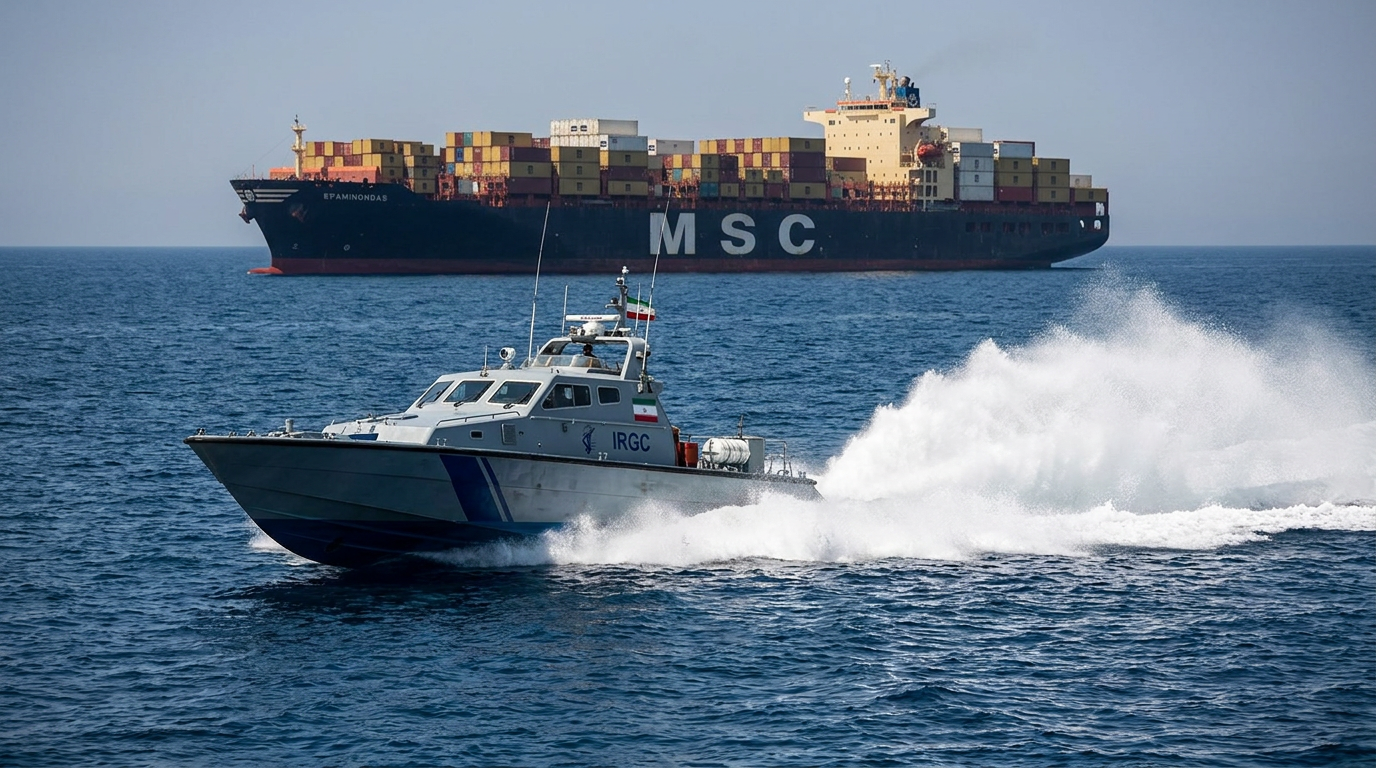
However, the reality on the water remains heavily disputed. The United States Navy and commercial maritime trackers have offered conflicting accounts regarding the extent of the blockage. While Iranian fast-attack craft have demonstrably harassed and diverted several commercial vessels, U.S. military officials maintain that the waterway remains technically navigable under heavy escort. Despite these assurances, the sheer uncertainty has forced major global freight operators to halt transits, effectively achieving a partial blockade through deterrence rather than physical barricades.[1][8]
The economic fallout has been immediate and severe. Brent crude oil prices surged past $95 a barrel within hours of the initial reports, reflecting the immense vulnerability of a global economy still highly dependent on Middle Eastern energy flows. Shipping insurance premiums for vessels operating in the Persian Gulf have skyrocketed, and logistics firms are scrambling to reroute cargo, a process that adds weeks to delivery times and millions in operational costs.[7][8]

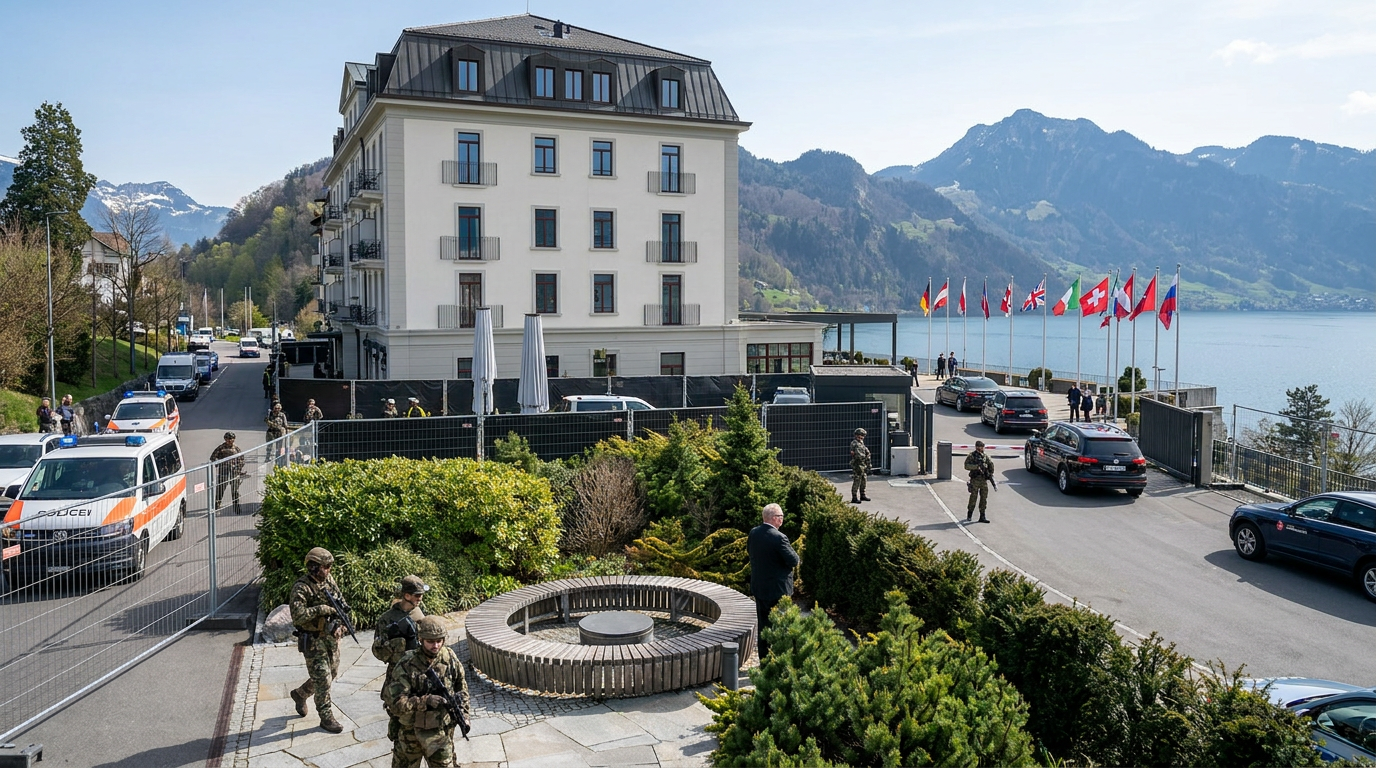
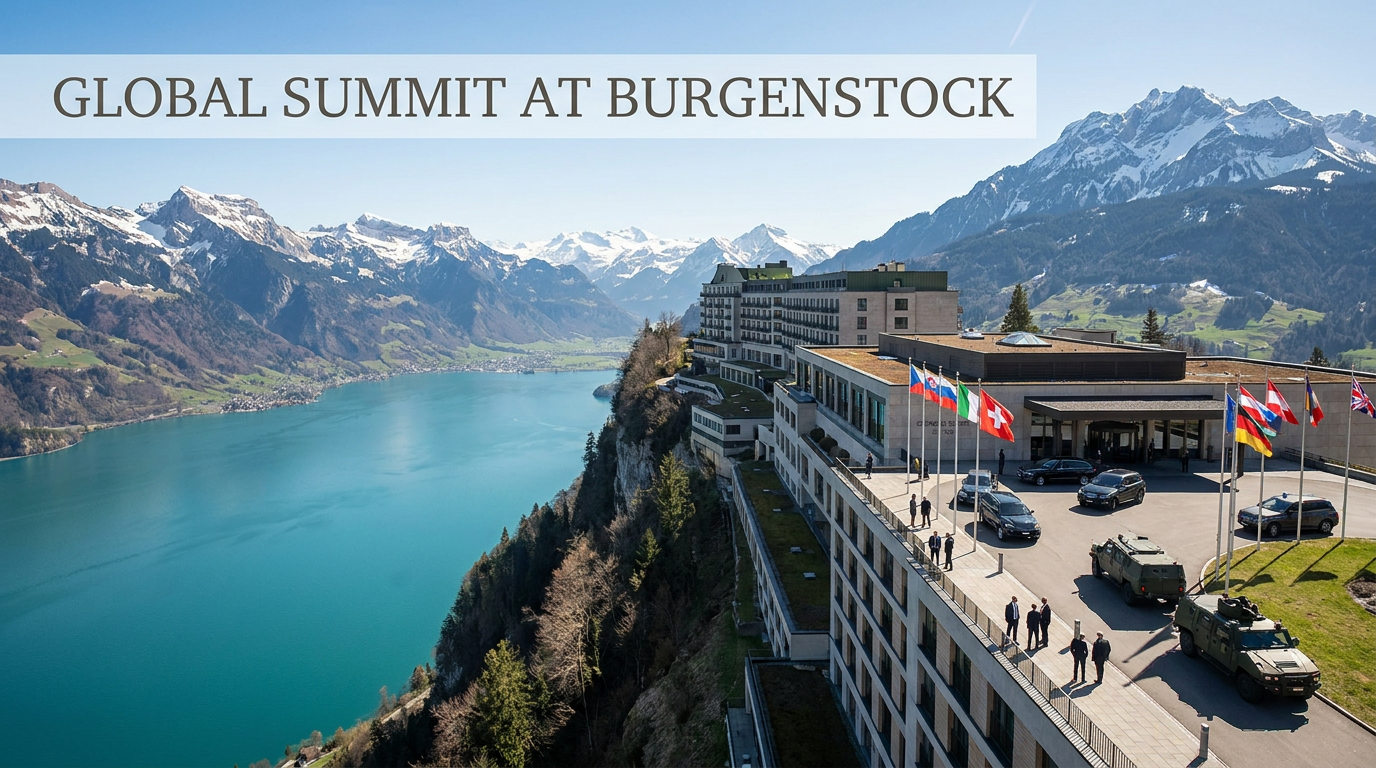
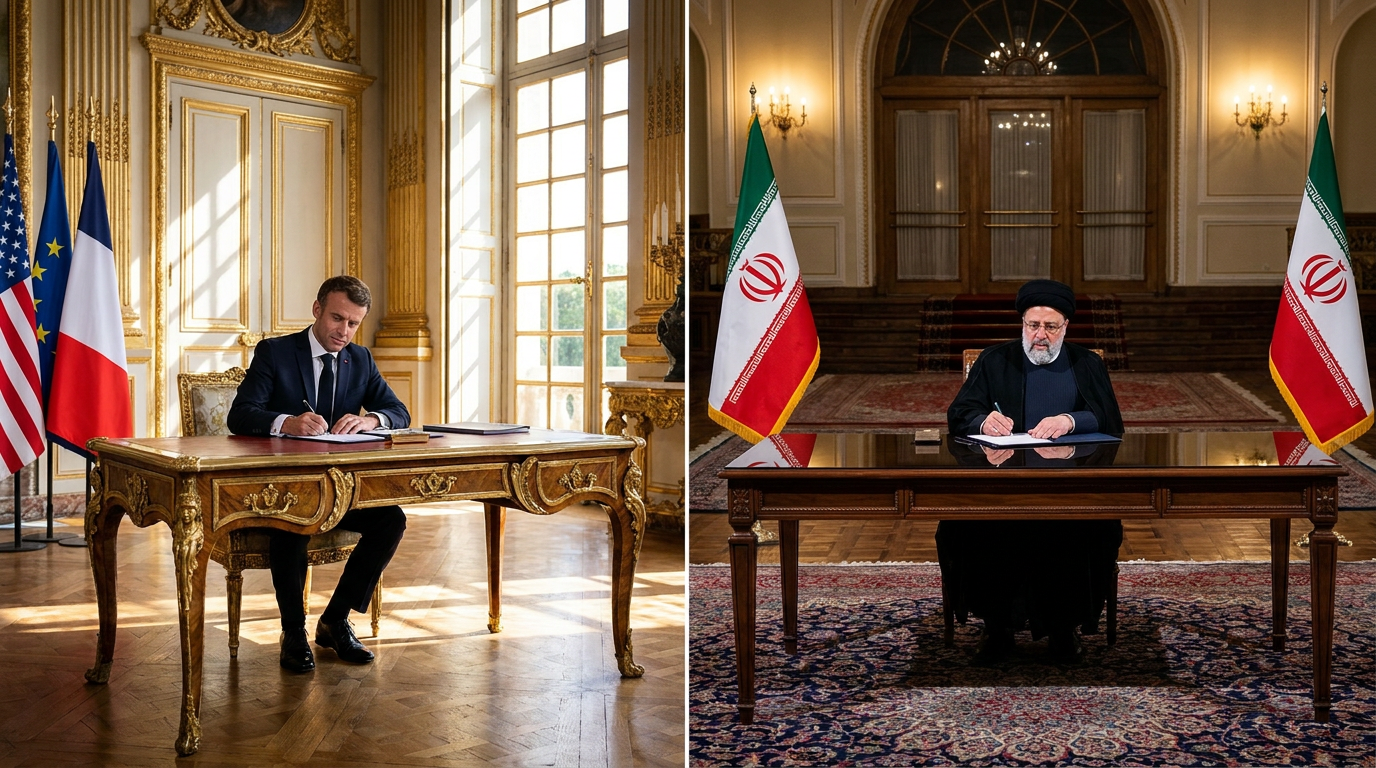
Against this backdrop of escalating military tension, a surreal diplomatic split-screen is playing out in Europe. U.S. Vice President JD Vance is currently in Switzerland participating in emergency, high-stakes talks with Iranian officials. The presence of a high-ranking U.S. official at the negotiating table while Iranian forces threaten global shipping underscores the administration's urgent desire to find an off-ramp before the crisis spirals into a broader regional war.[3][4]
The focal point of the Geneva talks is a proposed Memorandum of Understanding (MoU)—an interim agreement designed to freeze hostilities, secure the reopening of the Strait, and address the escalating proxy conflicts in the Levant. Negotiators are reportedly attempting to thread a delicate needle, offering limited sanctions relief in exchange for verifiable Iranian de-escalation in both the Persian Gulf and along the Israeli-Lebanese border.[4]
Yet the diplomatic track faces significant hurdles within Tehran's own power structure. Iranian Supreme Leader Ayatollah Ali Khamenei has publicly expressed deep reservations about the MoU, questioning the reliability of U.S. commitments. Despite the Supreme Leader's skepticism, reports indicate that a majority of Iran's top pragmatic decision-makers and economic ministers are quietly backing the interim deal, desperate to alleviate the crushing economic pressure of international sanctions.[4]

Yet the diplomatic track faces significant hurdles within Tehran's own power structure.
In Washington, the administration is pursuing a volatile dual-track strategy. Even as his Vice President negotiates in Switzerland, President Donald Trump has taken to social media to issue blistering warnings, threatening to "hit Iran very hard again" if the harassment of commercial shipping does not immediately cease. This "maximum pressure" rhetoric appears designed to project strength domestically while maintaining leverage at the negotiating table.[3]
The diplomatic overtures have ignited a firestorm of criticism from the administration's political opponents. Democratic Senator Cory Booker fiercely condemned the ongoing talks, labeling the proposed MoU an "abject surrender" to Iranian aggression. Booker argued that negotiating under the threat of a global oil blockade projects weakness, characterizing the President as the "biggest loser" on the world stage with "egg on his face."[5]
The catalyst for the current crisis traces back to the Levant, where Israeli military operations against Hezbollah targets in Lebanon have intensified dramatically over the past week. Israel's UN ambassador has explicitly warned that Iran's operational control over Hezbollah represents a critical "warning sign" for the region, framing the strikes as a necessary preemptive measure against an encroaching Iranian proxy network.[6]

The strategic geography of the Strait of Hormuz makes it uniquely vulnerable to asymmetric warfare. At its narrowest point, the shipping lanes are just two miles wide in either direction. Iran does not need to deploy massive naval destroyers to close the strait; a swarm of heavily armed speedboats, sea mines, and coastal anti-ship missile batteries is sufficient to paralyze commercial traffic and force a global economic crisis.[1][7]
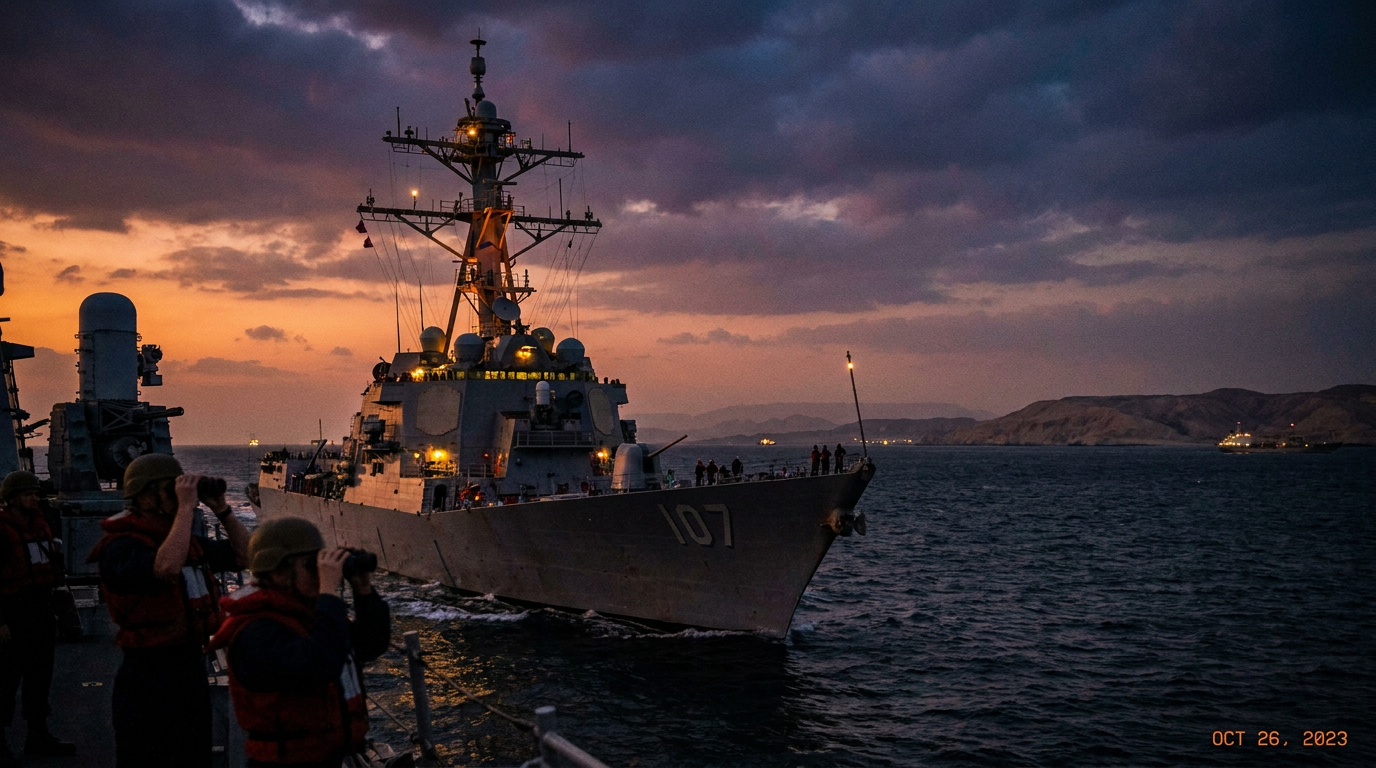
The coming 48 hours are widely viewed as critical. If the talks in Switzerland collapse, the U.S. Navy may be forced to initiate aggressive convoy operations or preemptive strikes against Iranian coastal batteries to force the strait open. Conversely, a breakthrough on the MoU could rapidly de-escalate tensions, pulling the region back from the brink of a conflict that neither side appears to truly want, but which both are dangerously close to triggering.[1][2][3]
How we got here
Last Week
Israeli military operations against Hezbollah targets in Lebanon intensify significantly.
Friday
Iranian armed forces announce the closure of the Strait of Hormuz in retaliation for the strikes in Lebanon.
Saturday
Global shipping companies begin halting transits through the Persian Gulf; oil prices spike sharply.
Sunday
U.S. Vice President JD Vance arrives in Switzerland for emergency talks with Iranian officials.
Viewpoints in depth
U.S. Administration's View
Balancing the threat of overwhelming military force with urgent diplomatic negotiations.
The administration is attempting to project absolute resolve while simultaneously seeking a diplomatic exit. By threatening severe military retaliation for any attacks on U.S. assets or allied shipping, the White House hopes to deter further Iranian escalation. Concurrently, dispatching high-level officials to Switzerland signals a willingness to offer economic concessions if Tehran backs down, reflecting a calculation that a full-scale regional war would be politically and economically disastrous.
Iranian Hardliners' View
Viewing the Strait of Hormuz as the ultimate leverage to protect regional proxies and force economic relief.
For Iran's military establishment, the ability to choke off 20% of the world's oil supply is their most potent asymmetric weapon. Hardliners argue that utilizing this leverage is the only way to force the international community to restrain Israeli operations in Lebanon and compel the U.S. to lift crippling economic sanctions. They view the interim MoU with deep suspicion, fearing it requires Iran to surrender its strategic leverage for easily reversible promises.
Global Energy Markets' View
Reacting with panic to the vulnerability of the world's most critical supply chain chokepoint.
Energy analysts and logistics operators are less concerned with the political posturing and entirely focused on the physical security of the waterway. The market consensus is that even a partial, temporary disruption in the Strait of Hormuz cannot be easily mitigated by alternative pipelines or strategic reserves. The immediate spike in crude prices and insurance premiums reflects a stark reality: the global economy remains fundamentally tethered to the safe passage of vessels through a 21-mile-wide conflict zone.
What we don't know
- Whether the U.S. Navy will actively engage Iranian vessels to force the strait open if commercial shipping remains paralyzed.
- If Supreme Leader Khamenei will ultimately veto the Memorandum of Understanding currently being drafted in Switzerland.
Key terms
- Strait of Hormuz
- A narrow, strategically vital waterway between the Persian Gulf and the Gulf of Oman, through which approximately 20% of the world's oil passes.
- Memorandum of Understanding (MoU)
- A non-binding diplomatic agreement outlining the terms of a mutual understanding, often used as a stepping stone to de-escalate a crisis before a formal treaty can be drafted.
- Brent Crude
- A major trading classification of sweet light crude oil that serves as a benchmark price for purchases of oil worldwide.
Frequently asked
Why did Iran threaten to close the strait?
Iranian forces cited recent Israeli military operations against Hezbollah targets in Lebanon as the primary catalyst for their actions in the Persian Gulf.
Is the Strait of Hormuz completely blocked?
The situation is disputed. Iran claims it is closed, while the U.S. Navy maintains it is still navigable. However, the threat alone has caused many major shipping companies to halt transits.
What is being discussed in Switzerland?
U.S. and Iranian officials are negotiating a Memorandum of Understanding (MoU)—an interim agreement aimed at freezing hostilities, reopening the strait, and providing limited sanctions relief.
Sources
Source coverage
8 outlets
4 viewpoints surfaced






[1]NYTGlobal Markets & Observers
Uncertainty Remains Over the Strait of Hormuz
Read on NYT →[2]Al JazeeraIranian Leadership
What’s next in the Strait of Hormuz crisis?
Read on Al Jazeera →[3]NPRU.S. Administration
Trump threatens to 'hit Iran very hard again' while Vance in Switzerland for talks
Read on NPR →Khamenei’s MoU stance stirs debate as Iran and US meet in Switzerland
Read on Al Jazeera →[5]Fox NewsU.S. Congressional Critics
Booker slams Trump’s Iran deal as an 'abject surrender,' labels him the 'biggest loser' with 'egg on his face'
Read on Fox News →Israeli ambassador warns Iran's grip on Lebanon is a 'warning sign' for Middle East peace
Read on Fox News →[7]ReutersGlobal Markets & Observers
Brent crude surges past $95 as Hormuz shipping halts
Read on Reuters →[8]BloombergGlobal Markets & Observers
Global freight reroutes as US Navy disputes full Hormuz closure
Read on Bloomberg →

More in news politics
See all 7 stories →Strait of Hormuz
US-Iran Peace Talks Collapse in Switzerland Amid Threats Over Strait of Hormuz
7 sources
US-Iran Talks
US and Iran Open High-Stakes Peace Talks in Switzerland Amid Renewed Hormuz Tensions
8 sources
US-Iran Peace Talks
US and Iran Open High-Stakes Peace Talks in Switzerland Amid Dispute Over Strait of Hormuz
9 sources
Strait of Hormuz
Conflicting Reports Emerge Over Strait of Hormuz as US and Iran Hold High-Stakes Talks in Switzerland
6 sources
Every angle. Every day.
Get news politics stories with full source coverage and perspective breakdowns delivered to your inbox.