
How NCAA Gymnastics and NIL Transformed the Lifespan of an Elite Gymnast
The average age of an Olympic gymnast has climbed to its highest point in 60 years, driven by a collegiate financial revolution that allows athletes to extend their careers without sacrificing their earning potential.
By Factlen Editorial Team
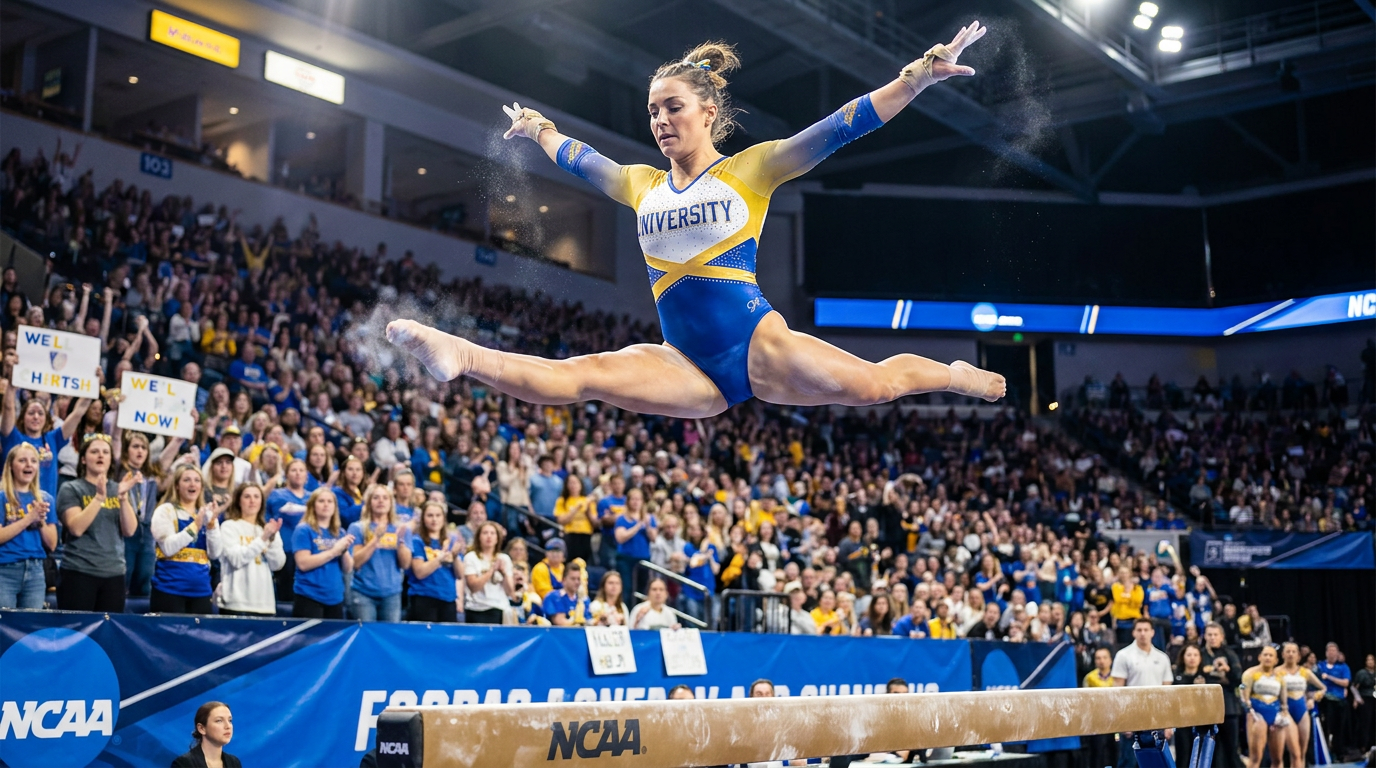
- Collegiate Athletes & Coaches
- Argue that the NCAA provides a healthier, more sustainable environment that extends careers and protects physical and mental well-being.
- Sports Economists
- Focus on the financial revolution brought by NIL, noting that female gymnasts are among the highest earners in college sports.
- Elite Traditionalists
- Value the extreme difficulty incentivized by the international Code of Points and worry that collegiate scoring inflation dilutes the sport's standards.
What's not represented
- · International gymnastics federations losing talent to the U.S. collegiate system
- · Lower-level collegiate programs struggling to compete with NIL powerhouses
Why this matters
For decades, female gymnasts were forced to peak as teenagers, often retiring with broken bodies before they could legally vote. The new collegiate financial model has fundamentally rewritten the biological and economic clock of the sport, creating healthier, wealthier, and longer-lasting athletes.

More in sports
See all 405 stories →NWSL Championship
Audi Field Selected to Host 2026 NWSL Championship Amid Record League Growth
6 sources

AI Training Tools
How AI Chess Coaches Are Democratizing Grandmaster-Level Training
6 sources

Franchise Valuations
How Women's Sports Franchises Became a Billion-Dollar Asset Class
7 sources

Track Tech
The Dual Revolution Rewriting the Track and Field Record Books
6 sources

Every angle. Every day.
Get sports stories with full source coverage and perspective breakdowns delivered to your inbox.