
How Bidirectional Charging is Turning Electric Vehicles into Mobile Power Plants
As automakers make two-way charging standard in 2026, electric vehicles are evolving from simple transportation into massive home batteries that can slash utility bills and stabilize the power grid.
By Factlen Editorial Team
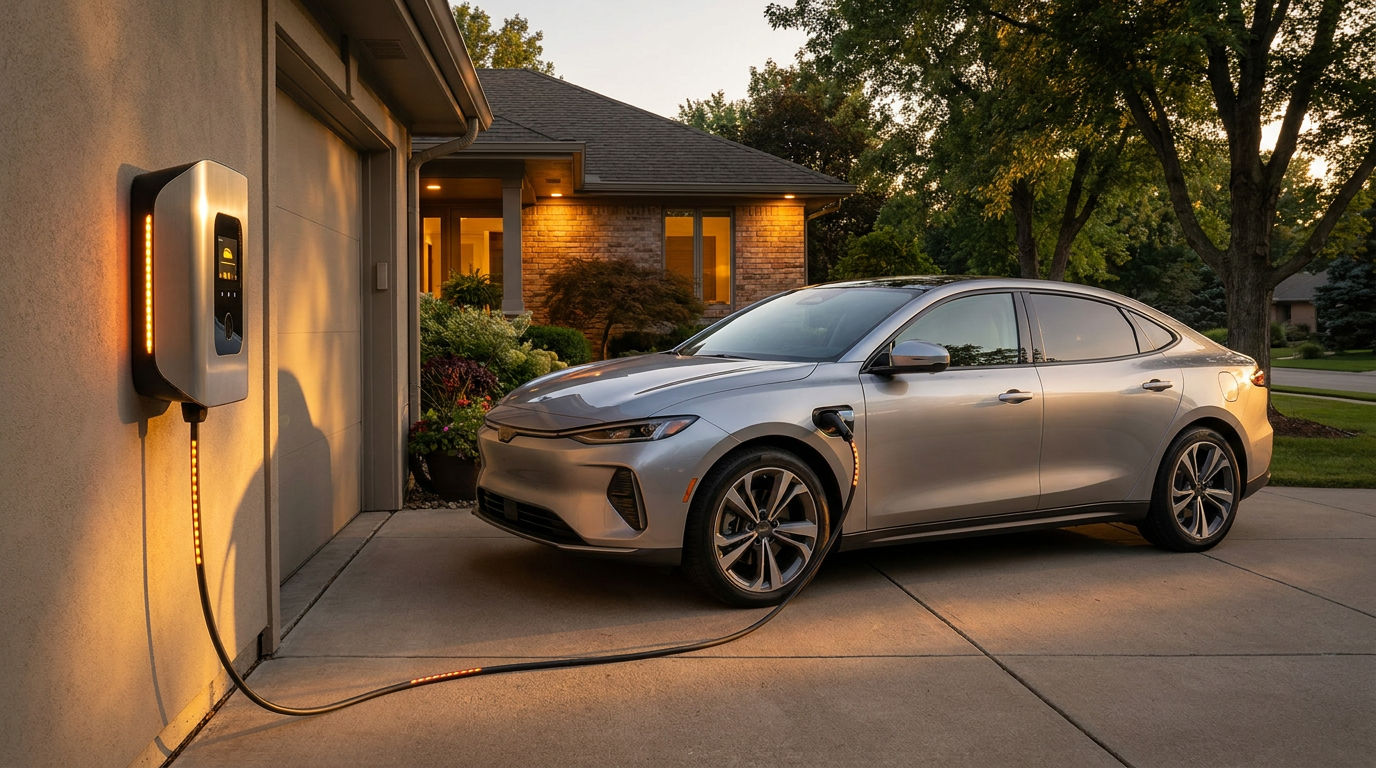
- Grid Operators & Utilities
- Viewing EVs as a massive, decentralized battery network to stabilize the grid and prevent blackouts.
- Homeowners & Consumers
- Prioritizing energy independence, blackout resilience, and lower daily utility bills.
- Hardware & Auto Manufacturers
- Racing to standardize bidirectional technology and reduce installation friction to sell new capabilities.
What's not represented
- · Traditional fossil-fuel generator manufacturers
- · Renters without access to home charging infrastructure
Why this matters
Bidirectional charging transforms the electric vehicle from a simple mode of transportation into a massive home battery. For consumers, this means total protection against grid blackouts and significantly lower daily utility bills, while providing society with a decentralized power network that can prevent large-scale power failures.

More in transportation
See all 14 stories →Battery Tech
The Solid-State Battery Era Arrives: How 2026 Became the Tipping Point for EV Tech
7 sources

Maritime Tech
The High-Tech Return of Wind Power to Global Shipping
7 sources

Hydrail Technology
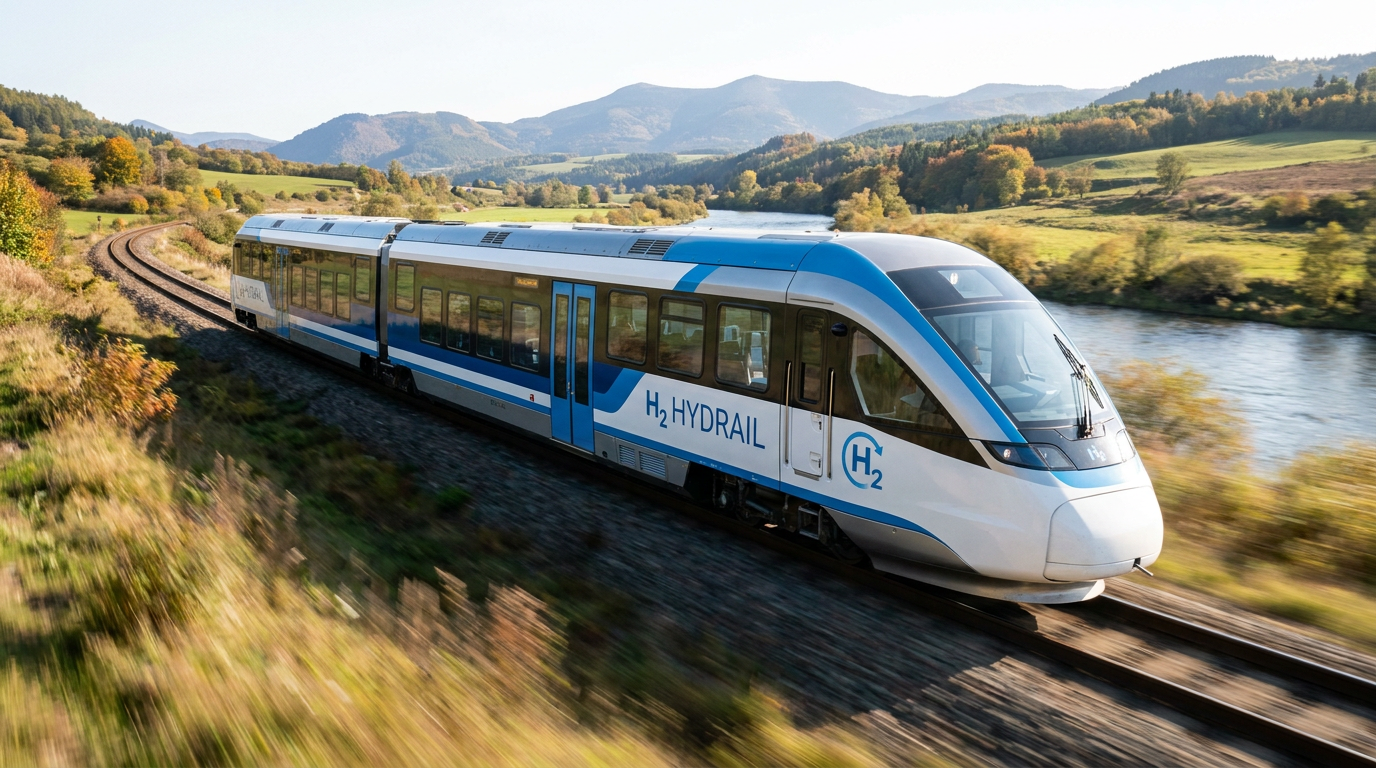
How Hydrogen Trains Work: The Promise and Challenges of 'Hydrail'
6 sources
Green Shipping
Commercial Shipping Returns to Wind Power to Slash Global Emissions
7 sources

Every angle. Every day.
Get transportation stories with full source coverage and perspective breakdowns delivered to your inbox.