
Global Field Hockey Injury Report: Major Returns for Australia and Belgium as FIH Pro League Resumes
As the FIH Pro League shifts to its European leg, the Kookaburras, Hockeyroos, and Belgian Red Lions are welcoming back crucial stars from extended injury layoffs. Meanwhile, new medical data is reshaping how the sport handles severe lower-limb recoveries.
By Factlen Editorial Team
- National Team Management
- Coaches and selectors prioritize long-term tournament readiness over rushing players back for bilateral series.
- Sports Medicine Professionals
- Clinicians emphasize the need for field-hockey-specific rehabilitation to address the sport's unique biomechanical demands.
- Rehabilitating Athletes
- Players highlight the psychological hurdles of returning to elite competition after severe injuries.
What's not represented
- · Domestic Club Managers losing players to international duty
- · Grassroots coaches managing youth injury prevention
Why this matters
For fans and national programs, the successful return of these elite athletes restores critical tactical depth ahead of the 2026 World Cup cycle. More broadly, their comebacks highlight advancements in sport-specific physical therapy that are helping athletes at all levels recover faster and safer from devastating lower-limb injuries.
Key points
- The Australian Kookaburras welcome back Blake Govers and Tim Howard, while Tom Harvie replaces his injured brother Jake.
- Hockeyroos defender Penny Squibb returns from a long layoff, joined by Tatum Stewart and Grace Stewart.
- Belgian drag-flick specialist Alexander Hendrickx has resumed full play after a severe ACL tear at the World Cup.
- US U-21 player Sarah Rigual successfully returned to international competition after suffering two torn ACLs in one year.
- New FIH medical data confirms lower extremity issues account for the vast majority of severe time-loss injuries.
- Clinicians are pushing for field-hockey-specific rehabilitation protocols that mimic the sport's unique crouched posture.
The physical toll of elite field hockey is immense, demanding a punishing combination of endurance, explosive speed, and unnatural biomechanics. Yet, as the international calendar shifts into high gear this June, the sport is celebrating a wave of positive medical news. Across the globe, from the high-stakes European leg of the FIH Pro League to crucial Junior World Cup qualifiers, several of field hockey's most impactful players are making triumphant returns to the pitch. For national team selectors and fans alike, these comebacks represent not just the recovery of individual athletes, but the restoration of tactical depth ahead of the 2026 World Cup cycle.[1][2]
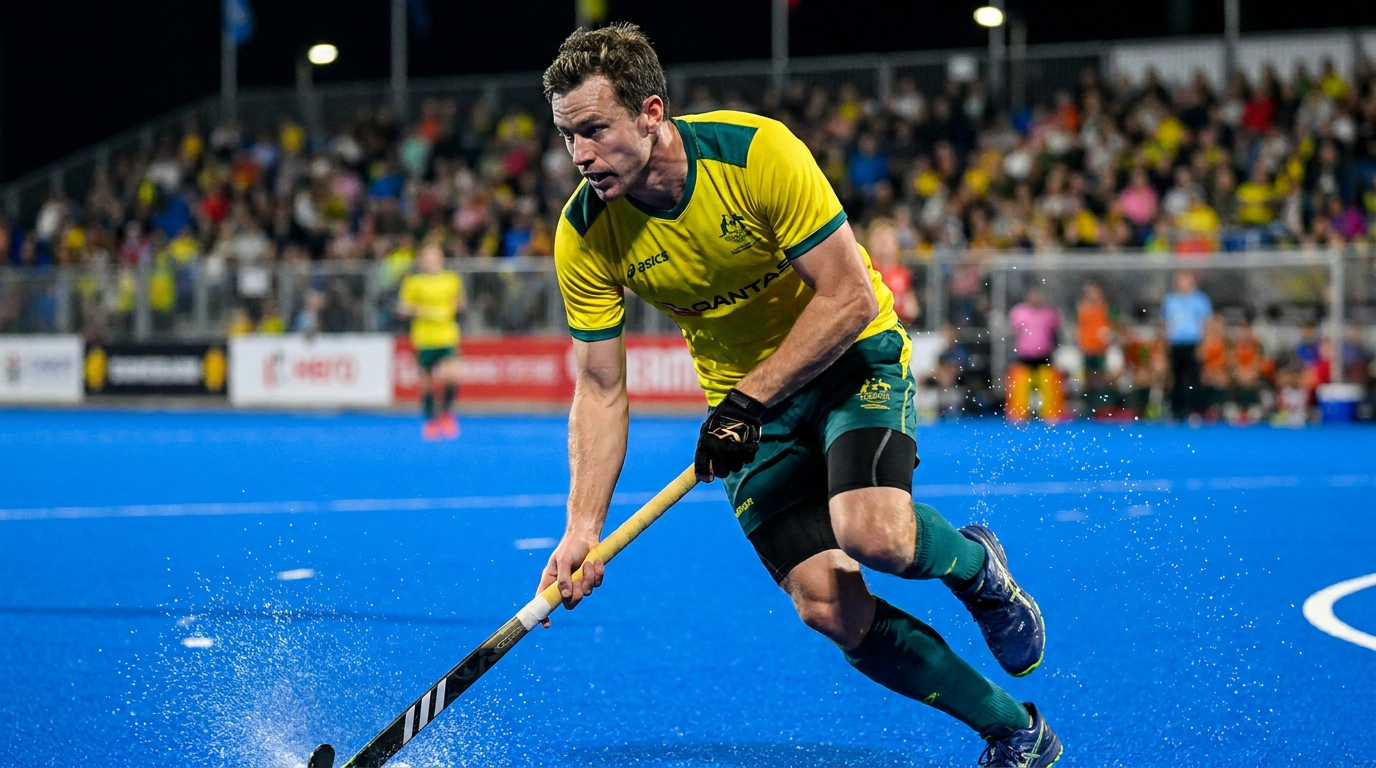
Australia’s national teams are among the biggest beneficiaries of this mid-year injury clearance wave. The Kookaburras are receiving a massive offensive and defensive boost ahead of their crucial Pro League matches in Antwerp and London. Lethal striker Blake Govers and steadfast defender Tim Howard have both been officially cleared to return to the squad. The duo was forced to miss the recent Test series against India due to nagging injuries, leaving a noticeable gap in Australia's structure. Their return provides head coach Colin Batch with the firepower and stability needed to challenge European heavyweights like Belgium and Germany.[1][2]
While the Kookaburras celebrate the return of Govers and Howard, they will have to navigate the European tour without West Australian defensive standout Jake Harvie. Harvie has been sidelined with a fresh groin injury sustained during domestic play, a frustrating setback for the seasoned international. However, in a poetic silver lining, his younger brother Tom Harvie has been medically cleared to return from his own injury layoff. Tom will step into the squad for his first major international series, ensuring the Harvie family name remains on the team sheet while providing the Kookaburras with fresh, eager legs on the backline.[2]
The Hockeyroos are experiencing an equally significant wave of defensive and midfield reinforcements. Most notably, veteran defender Penny Squibb is making her highly anticipated return to the national squad following a lengthy and grueling injury absence. Squibb’s leadership and distribution from the back have been sorely missed, and her successful rehabilitation marks a major win for Australia's medical staff. She will be joined on the European tour by Tatum Stewart and Grace Stewart, both of whom have been fully cleared after injuries forced them to sit out the Perth International Festival of Hockey earlier this year.[1]

These returns come at a critical juncture for the Australian programs. The reigning FIH Pro League champions are currently fighting to secure automatic berths for the 2026 FIH Hockey World Cup, which will be co-hosted by the Netherlands and Belgium. With the stakes at their highest, having a fully fit roster is no longer a luxury, but a necessity. The reintegration of players like Squibb and the Stewarts allows the Hockeyroos to rotate their squad effectively during the physically demanding back-to-back fixtures in Europe, minimizing the risk of secondary fatigue injuries.[1]
These returns come at a critical juncture for the Australian programs.
In Europe, the Belgian Red Lions are celebrating the return of one of the world's most feared penalty corner specialists. Alexander Hendrickx has officially resumed full competitive play for his club, Pinoké, and the Belgian national setup. Hendrickx suffered a severe knee injury—a torn anterior cruciate ligament—during the World Cup in Rourkela, an incident that sidelined him for months and sparked widespread speculation about his future. His return to the turf is a monumental boost for Belgium, restoring their most lethal set-piece weapon just as the Pro League reaches its climax.[3]
Hendrickx has been transparent about the psychological hurdles that accompany such a severe injury. While he is now playing entirely pain-free, he noted that the mental aspect of returning to full-contact play required significant adjustment. "In training, I'm a bit more cautious in one-on-one duels," Hendrickx admitted, acknowledging the lingering fear of collisions. However, he confirmed that once the whistle blows for a competitive match, the hesitation vanishes. Regaining that absolute trust in his surgically repaired knee is a testament to the rigorous, modern rehabilitation protocols employed by elite European clubs.[3]
The sheer resilience required to return from catastrophic knee injuries is perhaps best exemplified by the United States' Sarah Rigual. The 21-year-old recently helped the U-21 USWNT secure a silver medal at the Junior Pan American Cup in Santiago, Chile, a monumental achievement considering her medical history. Rigual suffered two torn ACLs within a single year, a devastating blow that cost her 18 months of competitive play and derailed her early collegiate trajectory. For many young athletes, back-to-back ligament tears signal the end of a career, but Rigual's commitment to her rehabilitation allowed her to rewrite that narrative.[4]

Rigual’s successful return to the international stage highlights the evolving, highly specialized recovery protocols now available to field hockey athletes. Her grueling 18-month journey involved not just physical therapy, but a complete biomechanical retraining to ensure her knees could withstand the unique pressures of the sport. By securing a spot at the 2027 FIH Hockey Junior World Cup, Rigual and the USWNT proved that with the right medical support and immense personal grit, even the most daunting physical setbacks can be overcome.[4]
The prevalence of these lower-limb injuries is a growing focus for the sport's global governing bodies. Recent data published in the BMJ Open Sport & Exercise Medicine, utilizing the FIH's new Injury Assessment Protocol (IAP), confirmed that lower extremity issues account for the vast majority of time-loss incidents in elite field hockey. The study revealed an overall injury incidence of 39.71 per 1,000 player match hours for men and 29.99 for women. Crucially, while 87.8% of men's injuries were classified as mild or requiring no time loss, the moderate and severe injuries that did occur were overwhelmingly concentrated in the knees, ankles, and hamstrings.[5]

To combat this specific injury profile, sports medicine researchers are developing targeted, field-hockey-specific rehabilitation guidelines. Because the sport requires athletes to sprint, pivot, and cut while maintaining a uniquely crouched, squat-like posture, generic ACL or groin recovery programs are often insufficient. The biomechanical load placed on a field hockey player's lower joints during a lunging pass or a drag-flick is entirely different from that of a soccer or basketball player, necessitating a bespoke approach to physical therapy.[5][6]
New clinical protocols now emphasize multiplanar neuromuscular control and the early integration of stick-and-ball mechanics into the recovery phase. By forcing rehabilitating athletes to perform stability exercises while holding a stick and mimicking the sport's crouched posture, physical therapists are drastically reducing the risk of re-injury. For players like Squibb, Hendrickx, and Rigual, these advanced, sport-specific recovery pathways are the exact reason they are back on the pitch today, ready to impact the global stage with renewed strength and confidence.[6]
How we got here
January 2023
Alexander Hendrickx suffers a torn ACL during the World Cup in Rourkela, sidelining him for months.
April 2024
Tatum Stewart and Grace Stewart miss the Perth International Festival of Hockey due to injuries.
May 2026
Sarah Rigual returns to the U-21 USWNT to win silver at the Junior Pan American Cup after back-to-back ACL tears.
June 2026
The Kookaburras and Hockeyroos announce major roster returns ahead of the FIH Pro League European leg.
Viewpoints in depth
National Team Management
Coaches and selectors prioritize long-term tournament readiness over rushing players back for bilateral series.
For national team coaches, managing a roster through the grueling FIH Pro League requires a delicate balancing act. With the 2026 World Cup and the Los Angeles 2028 Olympics looming, management teams are increasingly conservative with return-to-play timelines. The decision to hold players like Blake Govers and Penny Squibb out of earlier regional festivals ensures they are fully fit for the high-stakes European leg, where World Cup automatic qualification points are on the line. Management views the Pro League not just as a trophy to win, but as a testing ground for medical staff to safely reintegrate recovering stars into full-match intensity.
Sports Medicine Professionals
Clinicians emphasize the need for field-hockey-specific rehabilitation to address the sport's unique biomechanical demands.
Medical professionals and researchers analyzing the FIH's new Injury Assessment Protocol (IAP) argue that generic recovery programs are insufficient for field hockey. Because the sport requires athletes to sprint, pivot, and change direction rapidly while maintaining a crouched, squat-like posture, the stress placed on the knees and lower back is highly specific. Clinicians are now pushing for rehabilitation guidelines that integrate multiplanar neuromuscular control and stick-handling drills early in the recovery phase, aiming to reduce the high recurrence rates of lower-limb injuries.
Rehabilitating Athletes
Players highlight the psychological hurdles of returning to elite competition after severe injuries.
For the athletes themselves, the physical healing of a torn ACL or strained groin is only half the battle. Players like Alexander Hendrickx and Sarah Rigual have spoken candidly about the mental scars left by severe injuries. The fear of re-injury during high-speed, one-on-one duels can linger long after a player is medically cleared. Athletes emphasize that rebuilding trust in their own bodies—learning to take full risks and absorb contact without hesitation—is the final, and often most difficult, phase of their comeback journey.
What we don't know
- Whether the new field-hockey-specific rehabilitation protocols will definitively lower the recurrence rate of ACL tears over the next Olympic cycle.
- How quickly returning players like Penny Squibb and Blake Govers will regain their peak match fitness during the condensed European Pro League schedule.
Key terms
- ACL (Anterior Cruciate Ligament)
- A major ligament in the knee that stabilizes the joint, frequently torn during the sudden pivoting and cutting motions required in field hockey.
- Drag-flick
- A specialized, high-speed scoring technique used during penalty corners, which places immense biomechanical stress on the lower back and groin.
- FIH Pro League
- The premier global international field hockey competition, featuring the world's top national teams playing a series of matches over several months.
- Injury Assessment Protocol (IAP)
- A standardized medical reporting system introduced by the International Hockey Federation to accurately track injury rates and severity during elite tournaments.
Frequently asked
What are the most common severe injuries in field hockey?
According to FIH data, moderate and severe injuries are overwhelmingly concentrated in the lower extremities, specifically the knees, ankles, and hamstrings, due to the sport's crouched running posture.
Why is field hockey rehabilitation different from other sports?
Field hockey requires athletes to sprint, pivot, and cut while maintaining a low, squat-like posture. Rehabilitation must incorporate this unique biomechanical load and early stick-handling drills to prevent re-injury.
Who is returning for the Australian national teams?
The Kookaburras welcome back Blake Govers, Tim Howard, and Tom Harvie, while the Hockeyroos see the return of Penny Squibb, Tatum Stewart, and Grace Stewart for the European Pro League leg.
Sources
Source coverage
6 outlets
3 viewpoints surfaced






[1]Olympics.comNational Team Management
Australian hockey teams welcome back stars for FIH Pro League European leg
Read on Olympics.com →[2]The West AustralianNational Team Management
Tom Craig returns to Kookaburras side for crucial FIH Pro League tour
Read on The West Australian →[3]Hockey World NewsRehabilitating Athletes
Belgium: Alexander Hendrickx Speaks Out on Injury, Comeback, and National Team Selection
Read on Hockey World News →[4]USA Field HockeyRehabilitating Athletes
Sarah Rigual's Journey Back to the Pitch
Read on USA Field Hockey →[5]BMJ Open Sport & Exercise MedicineSports Medicine Professionals
Injury assessment protocol in elite field hockey tournaments: a prospective study
Read on BMJ Open Sport & Exercise Medicine →[6]ResearchGateSports Medicine Professionals
Rehabilitation guidelines for field hockey specific ACL injury
Read on ResearchGate →
More in sports
See all 27 stories →Standings
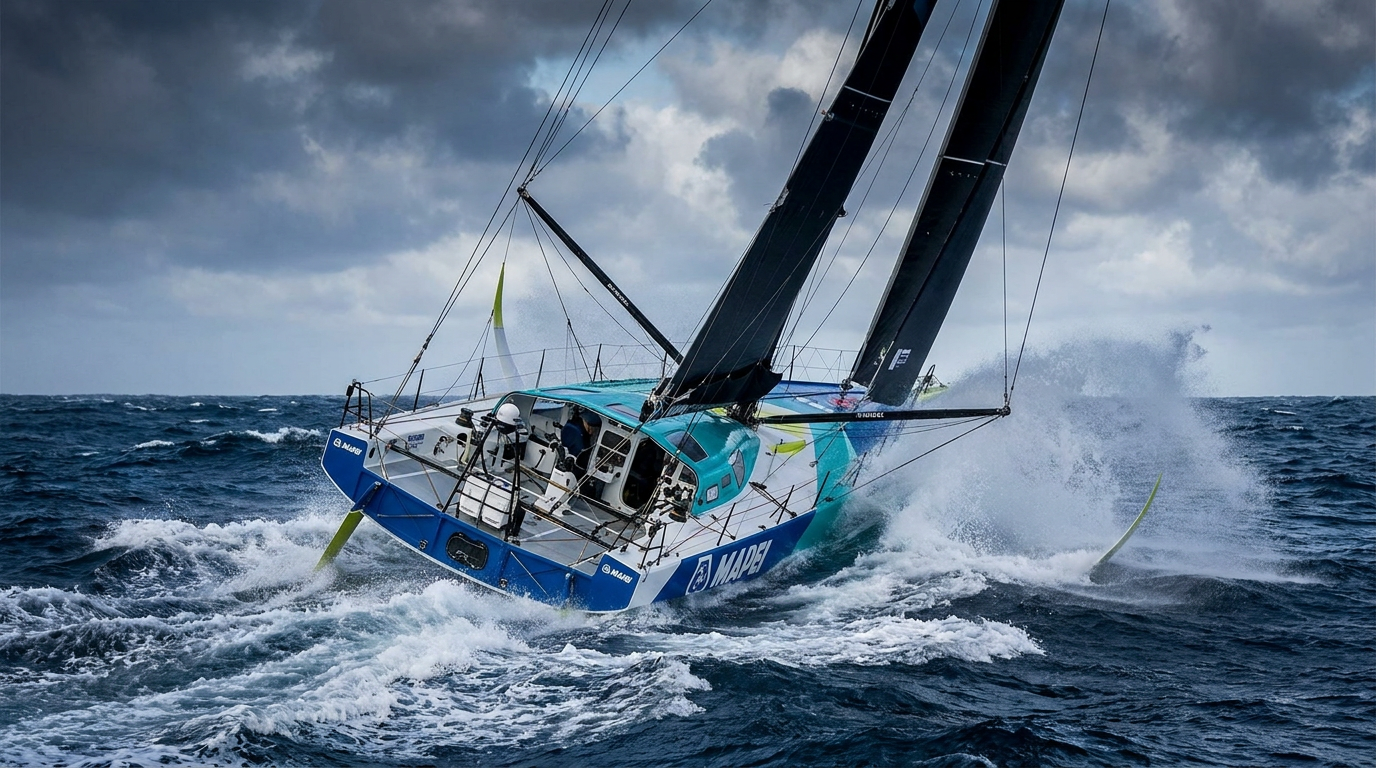
Ambrogio Beccaria Claims Vendée Arctique Victory as Fleet Endures 'Mini-Vendée Globe' Conditions
6 sources
Injury
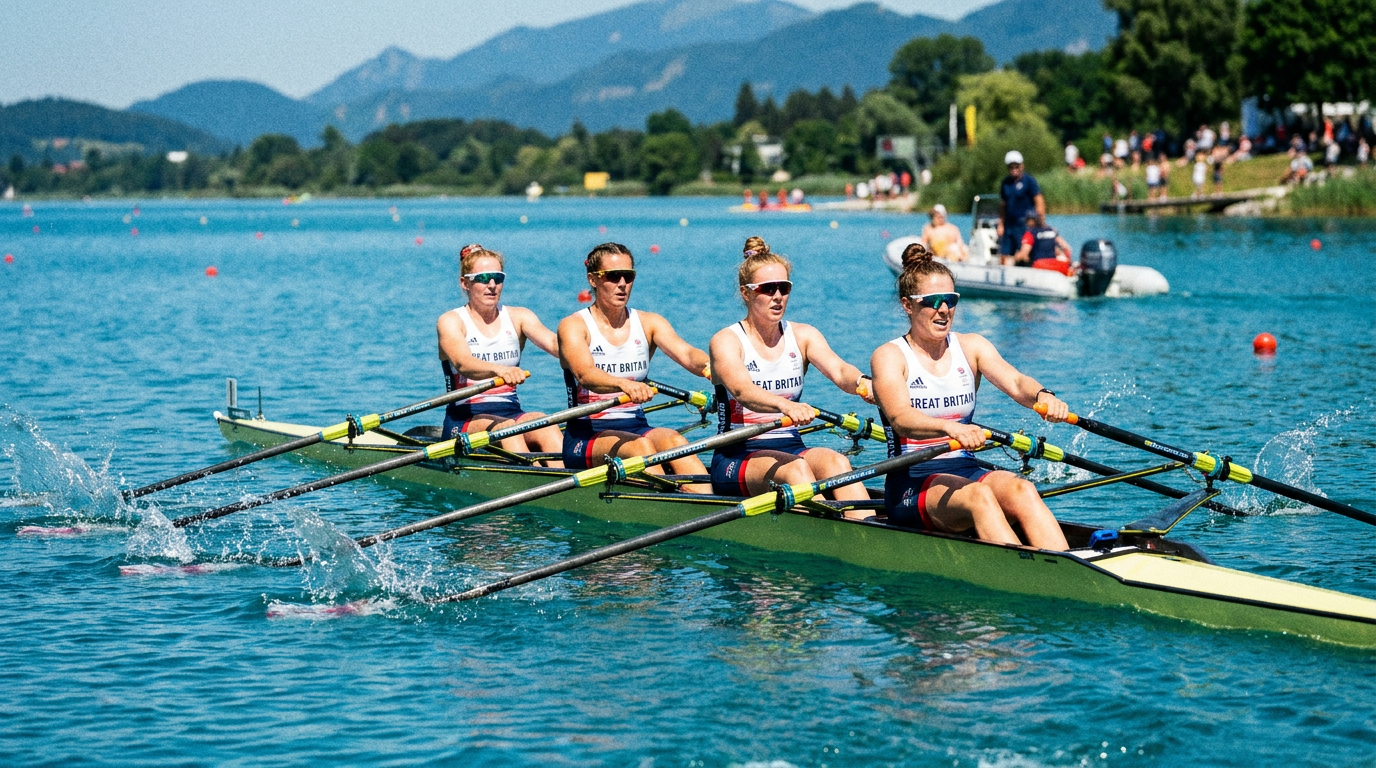
Rowing Injury Report: Imogen Grant Returns to GB Quad as Elite Scullers Navigate Crucial Rehab Windows
7 sources
Peloton Economics
Grand Tour Winner Jai Hindley Commits to Red Bull-BORA-hansgrohe, Rejecting Visma Transfer
7 sources
Standings
Henley Royal Regatta 2026: Record Entries and New Trophies Reshape the Championship Picture
4 sources
Every angle. Every day.
Get sports stories with full source coverage and perspective breakdowns delivered to your inbox.