
CAR T-Cell Therapy Induces Remission in Severe Lupus Patients in Breakthrough Trial
A pioneering clinical trial has successfully used genetically modified immune cells to treat severe lupus, putting five out of six early patients into remission. The breakthrough suggests CAR T-cell therapy could offer a long-term 'immune reset' for chronic autoimmune diseases.
By Factlen Editorial Team
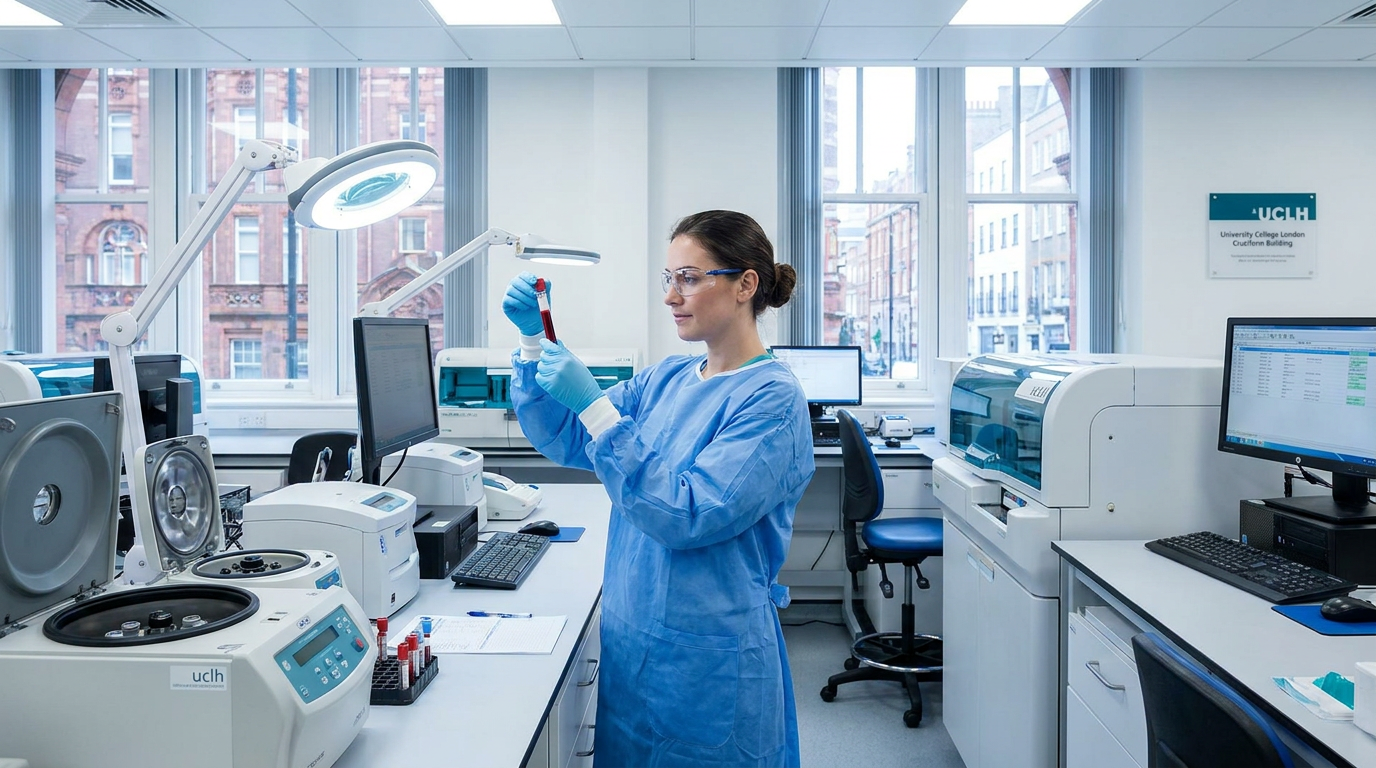
- Clinical Researchers
- Focus on the mechanism of the immune reset and the therapy's safety profile.
- Autoimmune Patients
- Emphasize the life-changing relief from chronic pain and the end of lifelong medication.
- Medical Skeptics
- Urge caution regarding the small sample size, long-term durability, and eventual cost of the therapy.
What's not represented
- · Health insurance providers and national health systems evaluating the cost-effectiveness of cellular therapies for chronic diseases.
- · Patients with milder forms of lupus who do not qualify for aggressive experimental treatments.
Why this matters
For the 5 million people worldwide living with lupus, this breakthrough represents the first genuine hope for a permanent cure rather than a lifetime of symptom management. If validated in larger trials, it could revolutionize how we treat a wide spectrum of chronic autoimmune diseases.
Key points
- A Phase I clinical trial in the UK has successfully used CAR T-cell therapy to treat severe, treatment-resistant lupus.
- Five out of the first six patients treated at a lower dose achieved clinical remission within months.
- The therapy genetically modifies a patient's T-cells to hunt down and destroy the rogue B cells responsible for autoimmune attacks.
- When B cells eventually repopulate, they appear as healthy, immature cells, suggesting a fundamental 'reset' of the immune system.
- The treatment demonstrated a highly favorable safety profile, with no severe neurological or inflammatory toxicities reported.
- A larger Phase II trial is now recruiting to confirm the long-term durability and safety of the treatment.
Lupus is a chronic autoimmune disease that has long defied a cure, forcing patients into a lifetime of heavy immunosuppressive drugs and symptom management. Now, a revolutionary cellular treatment originally developed for blood cancer is showing unprecedented promise in resetting the immune system entirely.[1][5]
Led by University College London (UCL) and UCL Hospitals (UCLH), the Phase I CARLYSLE trial is evaluating a CAR T-cell therapy called obe-cel in patients with severe, treatment-resistant systemic lupus erythematosus (SLE). The trial targets patients who have exhausted all standard therapeutic options and face life-threatening organ damage.[3][4]
Early data presented at the EULAR European Congress of Rheumatology revealed extraordinary efficacy. Five out of the first six patients treated at a lower dose achieved clinical remission within months of receiving the single-infusion therapy.[2][4]
The mechanism behind this breakthrough relies on reprogramming the body's own defenses. CAR T-cell therapy involves extracting a patient's T lymphocytes—a type of white blood cell—and genetically engineering them in a laboratory. The modified cells are equipped with chimeric antigen receptors (CARs) designed to hunt down specific targets before being infused back into the patient's bloodstream.[1][3]

In the case of lupus, the obe-cel therapy is programmed to seek out and destroy CD19-positive B cells. In healthy immune systems, B cells produce antibodies to fight infections, but in lupus patients, they mistakenly generate autoantibodies that attack the body's own healthy tissues, including the kidneys, heart, and lungs.[2][4]
The most profound finding of the trial is not just the rapid depletion of the rogue B cells, but what happens when they eventually return. Researchers observed that when B cells repopulated months after the treatment, they were predominantly immature cells rather than the mature populations associated with autoimmune attacks.[3][5]
This phenomenon suggests that the therapy does more than temporarily suppress the disease; it effectively reboots the immune system. Doctors involved in the trial believe this could potentially free patients from the relentless cycle of chronic autoimmune disease and the need for lifelong medication.[1][3]

This phenomenon suggests that the therapy does more than temporarily suppress the disease; it effectively reboots the immune system.
The clinical data translates into dramatic lifestyle changes for the trial participants. Katie Tinkler, a 52-year-old patient who had lived with severe lupus since she was 20, was forced to give up her career as a fitness instructor due to chronic pain, fatigue, and cumulative organ damage.[1][3]
Following the CAR T-cell infusion, Tinkler reported that her main symptoms vanished entirely. After decades of debilitating illness, she has been able to ski again and recently danced at her daughter's wedding. "I can participate in life now," she told researchers, describing the treatment as miraculous.[1][2][3]
Most of the nine patients treated in the trial so far suffered from lupus nephritis, a severe complication that causes inflammation and scarring in the kidneys. Left unchecked, lupus nephritis can lead to complete kidney failure requiring dialysis or transplantation.[1][4]

For these high-risk patients, the trial results were particularly encouraging. Several achieved complete or partial renal responses, demonstrating significant reductions in proteinuria—excess protein in the urine—and a stabilization or marked improvement in overall kidney function over time.[3][4]
A major historical hurdle for CAR T-cell therapies in cancer treatment has been severe side effects, particularly immune effector cell-associated neurotoxicity syndrome (ICANS) and cytokine release syndrome (CRS). In the CARLYSLE lupus trial, researchers observed no cases of ICANS and no moderate or severe CRS.[3][4]
While patients did experience expected side effects like neutropenia (low white blood cell count) and manageable infections, the absence of severe inflammatory or neurological toxicity suggests the obe-cel therapy has a highly favorable safety profile for autoimmune applications.[4][5]

The broader context of this research is massive. Lupus affects an estimated 5 million people worldwide, with women accounting for roughly 90% of all cases. For the subset of patients with refractory lupus, the risk of serious, life-threatening complications is a constant shadow.[2][4]
While the initial results are groundbreaking, researchers caution that the sample size is small and the follow-up period is relatively short, averaging 11 months for the lower-dose group. Three additional patients treated at a higher dose are also showing consistent early signs of benefit, though they have only been monitored for three months.[1][2]
To confirm these findings, a larger Phase II study known as LUMINA is now recruiting patients with severe lupus and active lupus nephritis across multiple centers in the UK. If the durability and safety of the treatment hold up in larger cohorts, CAR T-cell therapy could fundamentally alter the landscape of autoimmune medicine.[3][4]
How we got here
2021
Early case reports in medical journals first describe the potential of using CAR T-cell therapy to treat systemic lupus erythematosus.
2024
The Phase I CARLYSLE trial is launched by UCL and UCLH to evaluate the obe-cel therapy in patients with severe, treatment-resistant lupus.
November 2025
Nine adult patients receive the experimental CAR T-cell infusion after exhausting all other standard treatments.
June 2026
Interim trial results are presented, revealing that five of the first six lower-dose patients achieved clinical remission.
Viewpoints in depth
Clinical Researchers
Focus on the potential for a permanent immune reset and the favorable safety profile.
Investigators leading the CARLYSLE trial emphasize that the therapy appears to do more than just suppress symptoms. By depleting the rogue B cells and allowing only immature, non-pathogenic cells to return, they believe the treatment fundamentally reboots the immune system. They are particularly encouraged by the lack of severe neurological side effects, which have historically complicated CAR-T use in oncology.
Autoimmune Patients & Advocates
View the breakthrough as a miraculous escape from lifelong chronic illness and heavy medication.
For patients who have exhausted all standard treatments, the prospect of a one-time infusion replacing decades of daily immunosuppressants is life-altering. Advocates highlight the profound quality-of-life improvements—such as returning to work or participating in physical activities—that remission brings to a population often sidelined by severe fatigue and organ damage.
Medical Skeptics & Regulators
Urge caution regarding long-term durability, sample size, and the high cost of cellular therapies.
While acknowledging the impressive early data, cautious voices in the medical community point out that the trial involves fewer than ten patients with an average follow-up of less than a year. They stress that larger Phase II trials are necessary to prove the remission is permanent. Furthermore, CAR-T therapies are notoriously complex and expensive to manufacture, raising questions about widespread accessibility if approved for autoimmune diseases.
What we don't know
- Whether the 'immune reset' and clinical remission will last for decades or if the autoimmune attacks will eventually return.
- How effective the therapy will be in a larger, more diverse population of lupus patients.
- How the healthcare system will manage the high costs and complex manufacturing logistics of offering cellular therapy to millions of autoimmune patients.
Key terms
- Systemic Lupus Erythematosus (SLE)
- The most common and severe form of lupus, a chronic autoimmune disease where the immune system attacks the body's own tissues and organs.
- CAR T-cell Therapy
- Chimeric Antigen Receptor T-cell therapy; a treatment that genetically engineers a patient's own immune cells to recognize and destroy specific target cells.
- Lupus Nephritis
- A frequent and serious complication of lupus that causes inflammation and scarring in the kidneys, potentially leading to kidney failure.
- B Cells
- A type of white blood cell that normally produces antibodies to fight infections, but in lupus patients, mistakenly produces autoantibodies that attack healthy tissue.
- Cytokine Release Syndrome (CRS)
- A potentially dangerous systemic inflammatory response that can be triggered by certain types of immunotherapy, including CAR-T.
Frequently asked
What is CAR T-cell therapy?
It is a treatment that extracts a patient's own immune T-cells, genetically modifies them in a lab to attack specific disease-causing cells, and infuses them back into the body.
How does it treat lupus?
In lupus, the modified T-cells are programmed to hunt down and destroy CD19-positive B cells, which are the rogue cells responsible for producing autoantibodies that attack healthy tissue.
Is this a permanent cure for lupus?
It is too early to call it a definitive cure, but early trial results show patients going into deep remission. When B cells eventually return, they appear to be 'reset' and no longer attack the body.
What are the side effects?
While CAR-T can cause severe neurological and inflammatory side effects in cancer patients, the lupus trial reported no severe cases of these toxicities, though patients did experience manageable infections and low white blood cell counts.
Sources
Source coverage
5 outlets
3 viewpoints surfaced




[1]The GuardianAutoimmune Patients
Lupus patients in England in remission after pioneering NHS trial of GM therapy
Read on The Guardian →[2]BioNewsAutoimmune Patients
CAR-T therapy for severe lupus shows promise in early trial
Read on BioNews →[3]UCLHClinical Researchers
'I can participate in life now': How CAR T-cell therapy transformed Katie's life with severe lupus
Read on UCLH →[4]UCLBClinical Researchers
Early promise reported in severe lupus for Autolus Therapeutics' CAR T therapy
Read on UCLB →[5]Factlen Editorial TeamMedical Skeptics
Synthesis by Factlen editorial team
Read on Factlen Editorial Team →



Every angle. Every day.
Get health stories with full source coverage and perspective breakdowns delivered to your inbox.