
Vance Delays Switzerland Trip for Iran Talks as Israel-Hezbollah Clashes Surge
Vice President JD Vance postponed his departure for direct U.S.-Iran negotiations in Switzerland, citing logistical issues as escalating violence in Lebanon threatens a fragile new diplomatic framework.
By Factlen Editorial Team
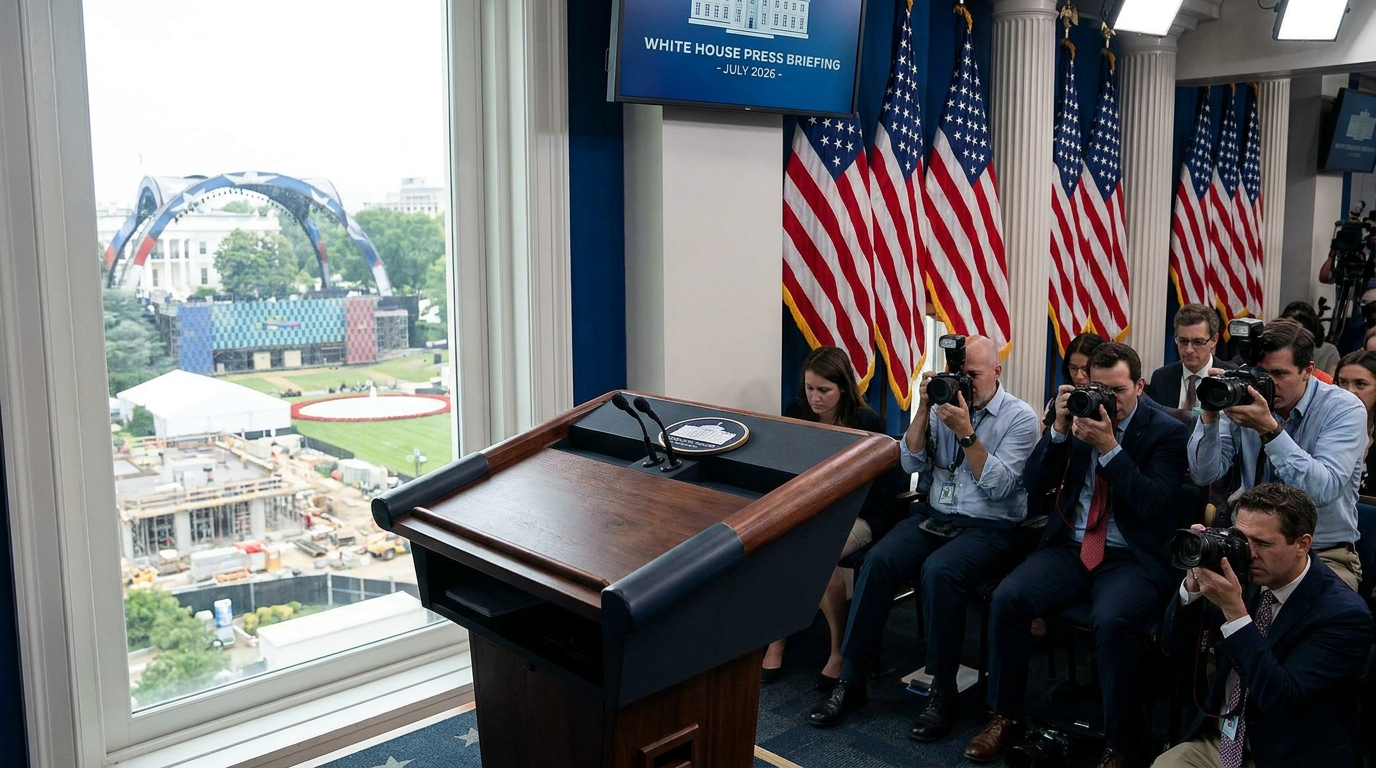
- US Administration
- Argues that the agreement is already yielding economic benefits in the Gulf and views the Swiss talks delay as a temporary logistical hurdle.
- Israeli Leadership
- Maintains that military operations in Lebanon are necessary to secure its northern border and insists the U.S.-Iran deal must not constrain its defense.
- Iran and Allied Factions
- Views Israeli strikes in Lebanon as a violation of the ceasefire terms, threatening to halt negotiations and leverage control over the Strait of Hormuz.
- International Observers
- Expresses deep skepticism about the 60-day truce, focusing on the immediate fragility of the deal and the global economic stakes in the shipping lanes.
What's not represented
- · Lebanese Civilians
- · European Maritime Shippers
Why this matters
The sudden delay of direct U.S.-Iran talks threatens to unravel a fragile agreement designed to end the Middle East war and secure global shipping lanes. If the diplomatic framework collapses over the escalating conflict in Lebanon, it could trigger a wider regional war and immediate disruptions to the global oil supply.
Key points
- VP JD Vance delayed his planned trip to Switzerland for direct U.S.-Iran negotiations.
- The delay coincides with a surge in deadly airstrikes and rocket fire between Israel and Hezbollah.
- Iran reportedly suspended its own delegation's flight, warning that the Lebanon conflict is central to the talks.
- The U.S. lifted its naval blockade on Iranian ports, allowing commercial shipping to resume.
- Iran waived transit fees in the Strait of Hormuz for 60 days but plans to introduce maritime fees afterward.
- Vance sharply rebuked Israeli Cabinet members who criticized the U.S.-Iran diplomatic framework.
Vice President JD Vance abruptly delayed a planned trip to Switzerland late Thursday, pausing the start of historic direct negotiations with Iran just hours before his scheduled departure. The sudden cancellation casts an immediate shadow over a newly signed Memorandum of Understanding between Washington and Tehran, which was designed to end the sprawling Middle East conflict on all fronts.[1][5]
While the White House officially attributed the delay to unpredictable "logistics," the diplomatic stall coincides with a violent surge in clashes between Israel and Hezbollah. U.S. officials indicated that the American delegation remains prepared to depart at the first available opportunity, but the reality on the ground in the Levant has rapidly complicated the 60-day negotiation window established by the agreement.[1][6]
Throughout Thursday, Israeli forces launched a wave of deadly airstrikes across southern Lebanon, hitting targets in Kfar Tebnit and Zabadin, while also striking a reported Hezbollah command center in Beirut's Dahiyeh district. Hezbollah retaliated by launching explosive drones and rockets into northern Israel, claiming to have repelled a multi-day Israeli ground offensive aimed at advancing deeper into Lebanese territory.[3][7]
The escalation in Lebanon immediately threatened the broader U.S.-Iran framework. Iranian officials reportedly warned American mediators that the situation in Lebanon is central to Tehran's willingness to continue negotiations, and Hezbollah-affiliated media reported that Iran suspended its own delegation's flight to the Swiss resort of Bürgenstock in protest of the Israeli strikes.[6][8]

The fragile U.S.-Iran agreement centers on a 60-day window for technical talks aimed at addressing Iran's nuclear program and de-escalating proxy conflicts across the region. The pact was signed remotely, with Vance and Iranian Parliament Speaker Mohammad Bagher Ghalibaf providing digital signatures to initiate the truce framework.[1][3]
The pact was signed remotely, with Vance and Iranian Parliament Speaker Mohammad Bagher Ghalibaf providing digital signatures to initiate the truce framework.
Despite the diplomatic turbulence in Europe, the economic component of the deal saw immediate implementation in the Persian Gulf. U.S. Central Command lifted its naval blockade on Iranian ports, and Tehran agreed to waive all transit fees for commercial vessels navigating the Strait of Hormuz for the next 60 days.[1][4]
The reopening of the critical waterway yielded instant results, with Vance noting that 12.5 million barrels of oil successfully transited the strait overnight. However, Iran's Supreme National Security Council announced that while the initial 60 days will be free of charge, Tehran plans to introduce a formal system of maritime fees thereafter, asserting sovereign control over the channel.[1][4]

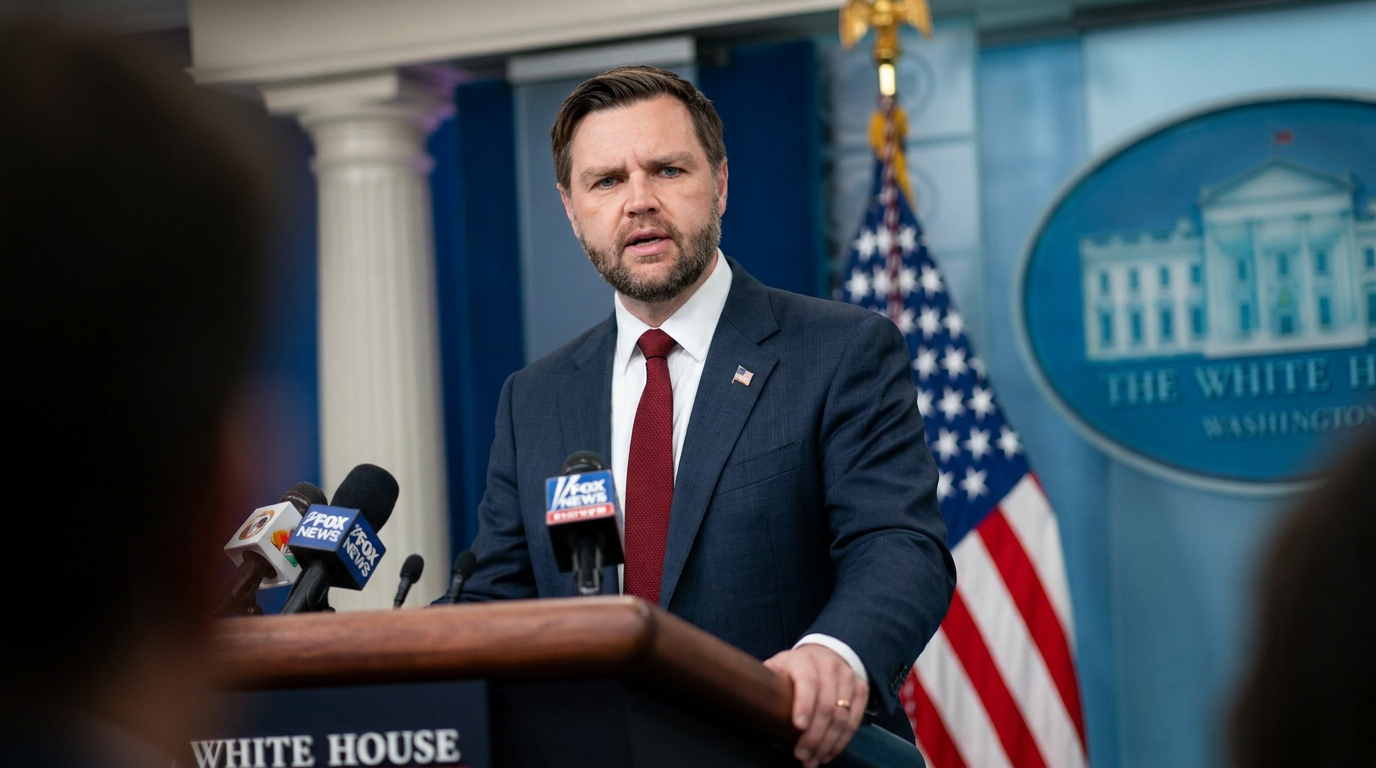
The sweeping agreement has triggered intense friction between the U.S. administration and Israeli leadership. During a White House press briefing, Vance issued a sharp rebuke to Israeli Cabinet members who criticized the deal, pointedly reminding them that two-thirds of the defensive weapons protecting Israel were built by American hands and funded by American taxpayers.[2][4]
Israeli Prime Minister Benjamin Netanyahu has maintained a defiant stance, insisting that Israeli forces will not withdraw from occupied security zones in Lebanon and reiterating his absolute red line that Iran will never be allowed to obtain a nuclear weapon. Israeli officials argue that a ceasefire that leaves Hezbollah intact on their northern border is unacceptable.[2][3]
Hezbollah has echoed that intractability from the opposite side, formally rejecting the U.S.-brokered ceasefire proposal. The militant group's leadership stated they will only accept a comprehensive cessation of hostilities that includes a full withdrawal of Israeli forces from Lebanese territory, framing the current U.S. proposal as fulfilling Israeli military objectives.[3][7]

The ongoing hostilities continue to exact a severe civilian toll, with the International Rescue Committee estimating that 1.3 million people have been displaced across Lebanon due to the escalating airstrikes and evacuation orders. The humanitarian crisis adds immense pressure on international mediators attempting to salvage the truce.[7]
As the 60-day clock ticks down, the fate of the U.S.-Iran negotiations remains highly uncertain. With both American and Iranian delegations grounded and the skies over Lebanon filled with drone and artillery fire, the ambitious diplomatic framework faces a critical test of whether economic incentives in the Gulf can override entrenched military conflicts in the Levant.[1][8]
How we got here
Wednesday
The U.S. and Iran sign a Memorandum of Understanding to end regional hostilities and reopen the Strait of Hormuz.
Thursday Morning
The U.S. lifts its naval blockade, and commercial shipping resumes through the Strait.
Thursday Afternoon
Israel launches deadly airstrikes against Hezbollah targets in southern Lebanon and Beirut.
Thursday Evening
Iran reportedly cancels its delegation's flight to Switzerland in protest of the Lebanon strikes.
Late Thursday
The White House announces VP JD Vance's trip to Switzerland is delayed due to logistical issues.
Viewpoints in depth
US Administration's view
Focuses on the immediate economic benefits of the deal and views the diplomatic delay as a temporary hurdle.
The U.S. administration is emphasizing the tangible successes of the Memorandum of Understanding, particularly the resumption of commercial shipping through the Strait of Hormuz. By pointing to the 12.5 million barrels of oil that transited the waterway overnight, U.S. officials argue the framework is already stabilizing global markets. The White House has downplayed the delayed Swiss talks as a logistical complication rather than a collapse of the agreement, maintaining that the American delegation is ready to depart as soon as conditions allow.
Israeli Leadership's view
Prioritizes the immediate elimination of the Hezbollah threat and rejects any agreement that leaves Iran's nuclear ambitions unchecked.
Israeli officials view the U.S.-Iran agreement with deep suspicion, arguing that a ceasefire cannot come at the expense of Israel's northern security. Prime Minister Benjamin Netanyahu has insisted that Israeli forces will not withdraw from occupied zones in Lebanon as long as Hezbollah remains a threat. Furthermore, Israeli leadership is highly critical of any diplomatic framework that provides Iran with economic relief without absolute, verifiable guarantees that Tehran will be permanently barred from developing a nuclear weapon.
Iran and Allied Factions' view
Links the continuation of diplomatic talks directly to a cessation of Israeli military operations in Lebanon.
Tehran and its proxy network, including Hezbollah, view the U.S.-brokered deal as a comprehensive package that must apply to all fronts simultaneously. Iranian officials have warned that they will not proceed with technical negotiations in Switzerland while Israel continues to launch airstrikes into Lebanon. By threatening to halt the talks and explicitly stating their intent to eventually charge maritime fees in the Strait of Hormuz, Iran is attempting to leverage its control over global shipping lanes to force the U.S. to rein in Israeli military operations.
What we don't know
- When, or if, the U.S. and Iranian delegations will actually travel to Switzerland for face-to-face talks.
- Whether Iran will follow through on its threat to impose a formal system of maritime fees in the Strait of Hormuz after 60 days.
- How the U.S. administration will balance its diplomatic commitments to Iran with its military support for Israel if the Lebanon conflict continues to escalate.
Key terms
- Memorandum of Understanding (MoU)
- A formal agreement between two or more parties that establishes a framework for future negotiations, though it is not legally binding.
- Strait of Hormuz
- A highly strategic waterway between the Persian Gulf and the Gulf of Oman, through which roughly 20 percent of the world's oil supply passes.
- Hezbollah
- A heavily armed, Iran-backed Shiite political party and militant group based in Lebanon.
Frequently asked
Why did JD Vance delay his trip to Switzerland?
The White House officially cited "logistical issues," but reports indicate the delay is tied to a surge in fighting between Israel and Hezbollah in Lebanon, which prompted Iran to threaten to halt negotiations.
What is the 60-day window?
The U.S. and Iran signed a Memorandum of Understanding establishing a 60-day period for technical negotiations on Iran's nuclear program and regional conflicts.
Is the Strait of Hormuz open to shipping?
Yes. The U.S. lifted its naval blockade, and Iran agreed to waive transit fees for 60 days, allowing millions of barrels of oil to resume flowing through the critical waterway.
How has Israel responded to the US-Iran deal?
Israeli officials have heavily criticized the agreement, arguing it fails to address the immediate threat from Hezbollah and does not guarantee Iran will be prevented from obtaining a nuclear weapon.
Sources
Source coverage
8 outlets
4 viewpoints surfaced








[1]CBS NewsUS Administration
Vance no longer traveling to Switzerland for talks with Iran tonight, White House says
Read on CBS News →[2]Fox NewsIsraeli Leadership
Vice President JD Vance has cancelled a planned trip to Switzerland for the next round of U.S.-Iran negotiations
Read on Fox News →[3]Al JazeeraIran and Allied Factions
Israeli attacks on southern Lebanon kill three despite US-Iran deal
Read on Al Jazeera →[4]The GuardianInternational Observers
Trump news at a glance: Vance uses US weaponry barbs to scold Israeli critics of Iran deal
Read on The Guardian →[5]AxiosUS Administration
Vance postpones Iran talks trip to Switzerland
Read on Axios →[6]The Jerusalem PostIsraeli Leadership
JD Vance won't fly to Switzerland, meetings with Iran in doubt
Read on The Jerusalem Post →[7]TimeInternational Observers
Hezbollah targeted Israeli soldiers... The rejected cease-fire agreement
Read on Time →[8]South China Morning PostIran and Allied Factions
US-Iran talks in Switzerland delayed, White House says Vance remains ready to go
Read on South China Morning Post →
Every angle. Every day.
Get news politics stories with full source coverage and perspective breakdowns delivered to your inbox.