
US Lifts Naval Blockade on Iran as 60-Day Peace Deal Takes Effect
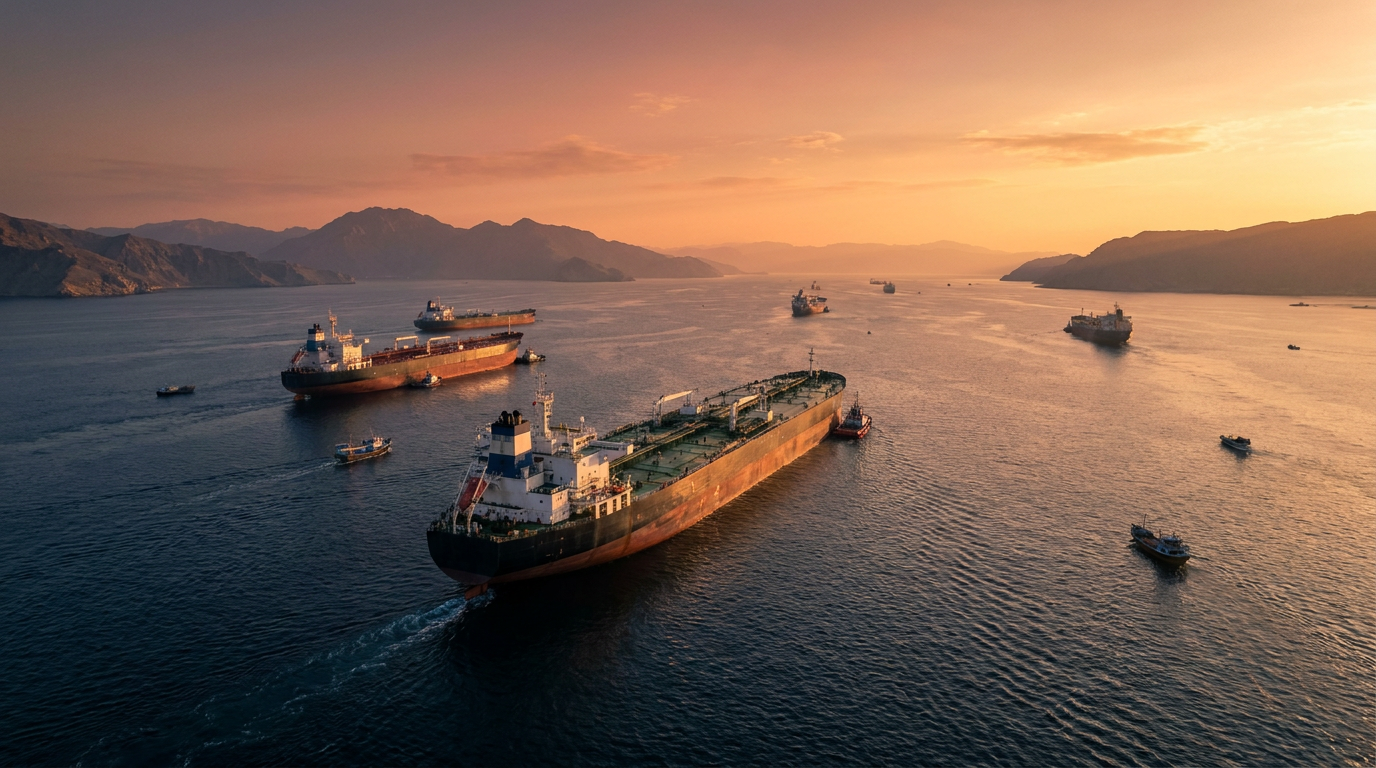
The U.S. military has ended its blockade of Iranian ports, triggering a 60-day negotiating window for a nuclear treaty while exposing deep rifts with Israel and raising fears of new tolls in the Strait of Hormuz.
By Factlen Editorial Team
- U.S. Administration
- Argues the deal averts a broader war, stabilizes global energy markets, and successfully forces Iran to the negotiating table.
- Israeli Government
- Views the agreement as a dangerous concession that leaves Iran's nuclear infrastructure intact while abandoning Israel's security needs.
- Iranian Leadership
- Frames the end of the blockade as a historic victory and asserts sovereign rights to manage and toll the Strait of Hormuz.
- European Union
- Maintains a cautious stance, insisting that sanctions relief must be earned through verifiable nuclear compliance rather than interim ceasefires.
What's not represented
- · Lebanese Civilians
- · Global Shipping Companies
Why this matters
The end of the U.S. naval blockade averts an immediate global energy crisis, but Iran's plan to toll the Strait of Hormuz could effectively tax 20% of the world's oil supply. Meanwhile, the unprecedented public rift between Washington and Jerusalem signals a historic realignment in Middle Eastern security.
Key points
- The U.S. military has officially lifted its naval blockade on Iranian ports, allowing oil and commercial traffic to resume.
- The move triggers a 60-day negotiating period aimed at securing a permanent treaty regarding Iran's nuclear program.
- Iran announced plans to charge maritime transit fees in the Strait of Hormuz after a 60-day grace period, potentially collecting payments in cryptocurrency.
- U.S. Vice President JD Vance sharply criticized Israeli leaders for opposing the deal, warning that Israel is deeply isolated globally.
- The European Union stated it will not lift its economic sanctions on Iran until a comprehensive nuclear agreement is finalized.
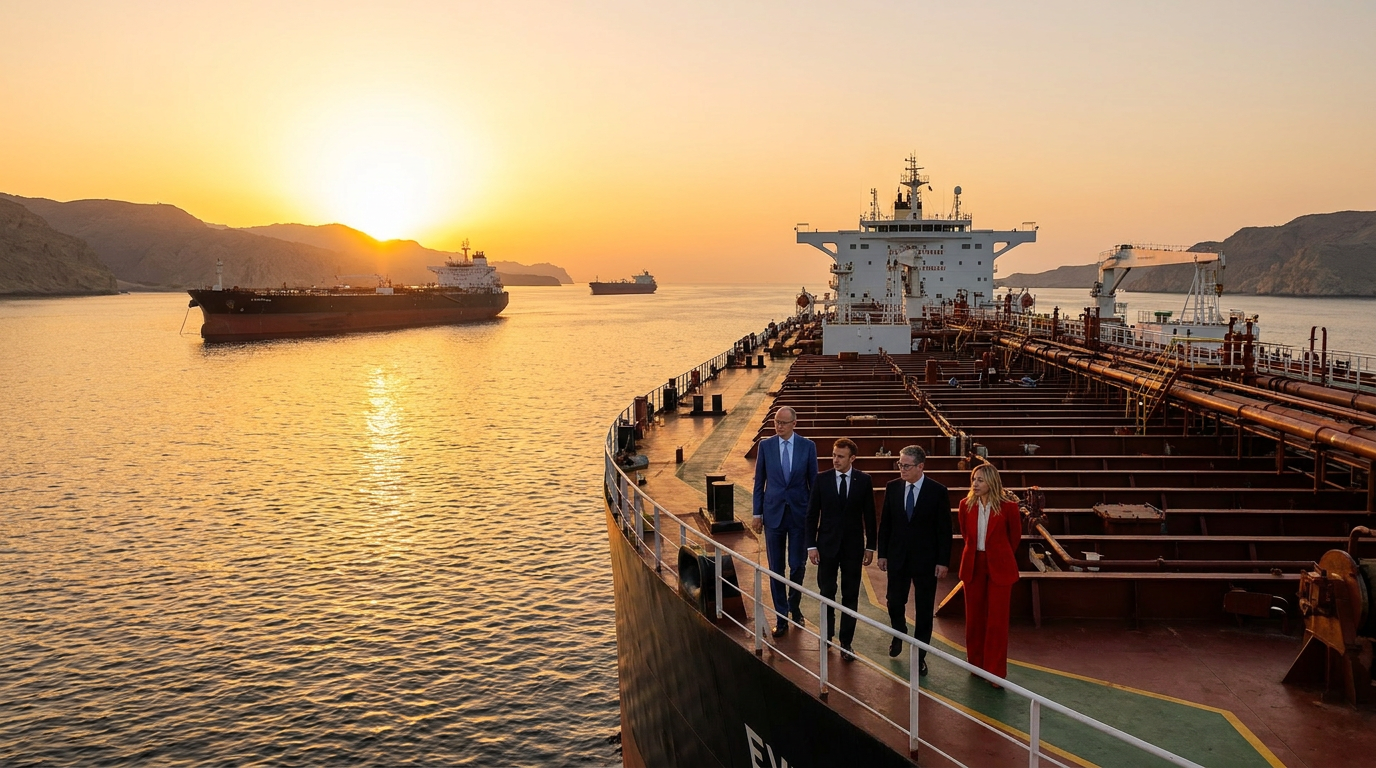
The United States military has officially lifted its naval blockade on Iranian ports, marking the immediate implementation of a landmark peace agreement designed to end a months-long war. The U.S. Central Command (CENTCOM) confirmed that maritime traffic is once again flowing freely into and out of Iran, a critical first step in the memorandum of understanding (MoU) signed by President Donald Trump and Iranian President Masoud Pezeshkian.[1][8]
The lifting of the blockade triggers a 60-day negotiating clock. During this window, Washington and Tehran are tasked with hammering out a permanent resolution to Iran's nuclear program and stabilizing the broader Middle East. In exchange for the immediate economic relief of resumed oil shipments, Iran has agreed to halt military hostilities and dilute its stockpile of highly enriched uranium under the supervision of the International Atomic Energy Agency.[1][6]
However, the cessation of direct U.S.-Iran hostilities has exposed deep fractures between Washington and its closest regional ally. Israeli officials have fiercely criticized the agreement, arguing it fails to dismantle Iran's nuclear infrastructure while constraining Israel's ongoing military operations against Hezbollah in Lebanon.[2][4]
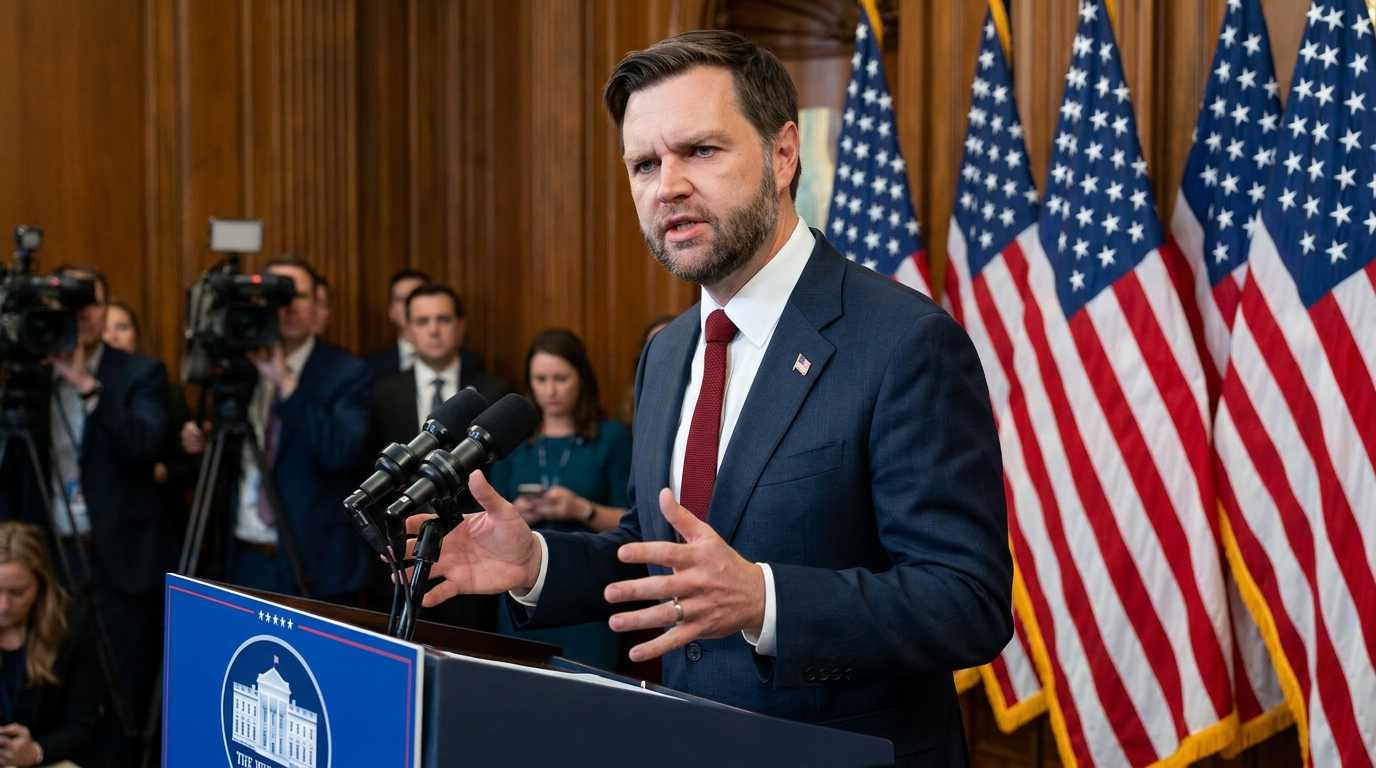
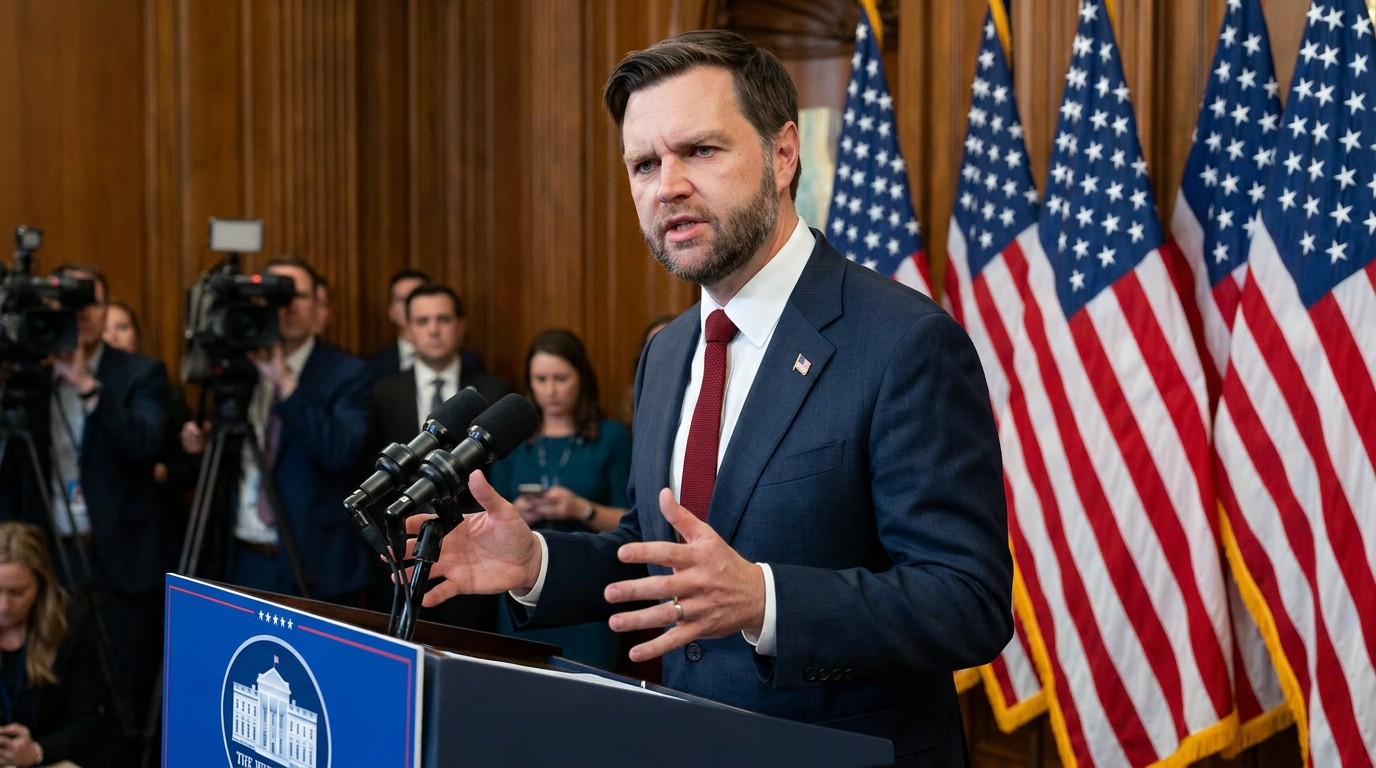
In a striking public rebuke, U.S. Vice President JD Vance lashed out at Israeli leadership, warning that the country is becoming deeply isolated on the world stage. "Anybody in Israel who thinks their biggest problem is the president of the United States needs to wake up and smell the reality of the situation that country is in," Vance told reporters at a White House briefing.[4][7]

Vance emphasized the extent of American military support, reminding Israeli cabinet members that two-thirds of the defensive weapons protecting their nation were "built by American hands and paid for by American tax dollars." He explicitly named Donald Trump as the only head of state globally who remains sympathetic to Israel's current position, urging Prime Minister Benjamin Netanyahu's government to temper its public attacks on the administration.[2][7]
Despite the pressure from Washington, Israel appears unwilling to abide by the MoU's call for a complete ceasefire on all fronts. Netanyahu announced that Israeli forces will maintain their occupation of a 600-square-kilometer security zone in southern Lebanon "as long as Israel's security needs require it."[3][7]
The defiance from Jerusalem complicates the narrative of a comprehensive regional peace, as Iran insists that the agreement's territorial integrity clauses require a full Israeli withdrawal from Lebanese territory.[3]
Beyond the geopolitical rift, a major economic flashpoint is brewing in the Strait of Hormuz. While the U.S. blockade has ended, Tehran has announced plans to introduce a system of "maritime fees" for commercial vessels transiting the critical waterway once the 60-day negotiation period expires.[3]

Beyond the geopolitical rift, a major economic flashpoint is brewing in the Strait of Hormuz.
Iranian officials claim the MoU implicitly grants them the authority to manage the strait and charge for security, environmental, and insurance services. The agreement reportedly guarantees safe, toll-free passage for 60 days, after which Iran intends to implement the fee structure.[3][5]
The prospect of tolls in a waterway that handles roughly 20 percent of global oil exports has alarmed energy markets. Adding a surcharge to strait transit would function as a de facto tax on a significant portion of the world's oil supply, potentially driving up global energy costs just as the blockade's end promised relief.[5]
Complicating matters further, industry reports suggest Iran plans to collect these maritime fees using cryptocurrencies like Bitcoin and Tether (USDT). Because traditional banking rails remain closed to Tehran due to international sanctions, utilizing digital assets would allow the Iranian government to generate massive revenue outside the reach of the SWIFT network and the U.S. dollar-dominated financial system.[5]

The broader sanctions regime against Iran remains a formidable hurdle. While the U.S. has granted waivers to allow immediate oil sales, the European Union has signaled that it will not rush to lift its own economic restrictions.[4]
European Commission Vice-President Kaja Kallas stated that any discussion of sanctions relief is premature and entirely dependent on the successful conclusion of a formal, verifiable nuclear agreement. "Once the conditions allow, of course, member states will discuss whether lifting sanctions is appropriate, but we are not there yet," Kallas told reporters ahead of an EU summit.[4]
The EU currently maintains sanctions on more than 700 Iranian individuals and entities, targeting the country's energy sector, shipping companies, and financial institutions. Without European alignment, Iran's economic recovery will remain severely constrained, even with American naval vessels standing down.[4]

The next two months will test the durability of the MoU. Technical-level talks are scheduled to begin in Switzerland, where negotiators must bridge the gap between an interim ceasefire and a permanent treaty.[3]
For the Trump administration, the immediate goal is to keep oil flowing and prevent a resurgence of violence that could rattle the global economy. For Iran, the objective is to leverage its control over the Strait of Hormuz into lasting sanctions relief without surrendering its core strategic assets. And for Israel, the challenge is navigating a sudden loss of diplomatic cover from a White House eager to declare victory and exit the conflict.[1][4][7]
How we got here
Late February 2026
The U.S. and Israel launch a military campaign against Iran, prompting a U.S. naval blockade of Iranian ports.
April 2026
A preliminary ceasefire agreement temporarily pauses major hostilities.
June 14, 2026
The U.S. and Iran reach a mediated agreement to permanently end the war.
June 18, 2026
The U.S. officially lifts its naval blockade, and the 60-day negotiating clock begins.
August 2026
The deadline for a formal nuclear treaty, after which Iran plans to implement maritime fees in the Strait of Hormuz.
Viewpoints in depth
The U.S. Administration's view
The White House views the MoU as a pragmatic victory that stabilizes the global economy.
U.S. officials, led by Vice President JD Vance, argue that the agreement successfully halts a devastating conflict and secures immediate concessions from Iran, such as diluting highly enriched uranium. They emphasize that the deal reopens the Strait of Hormuz, preventing a historic energy crisis, and assert that the U.S. has immense leverage during the 60-day negotiating window to forge a lasting nuclear treaty.
The Israeli Government's view
Israeli leaders see the deal as a dangerous capitulation that emboldens Tehran.
Prime Minister Benjamin Netanyahu and his cabinet argue that the agreement provides Iran with immediate economic relief without dismantling its nuclear capabilities or curbing its support for proxy militias. They view the U.S. pivot as an abandonment of Israel's security imperatives, prompting Jerusalem to declare it will maintain its military occupation in southern Lebanon regardless of the MoU's ceasefire terms.
Iran's view
Tehran frames the lifting of the blockade as a strategic triumph and an assertion of its regional sovereignty.
Iranian officials emphasize that the U.S. was forced to end its naval blockade and allow oil exports to resume. Furthermore, Tehran is using the agreement to assert control over the Strait of Hormuz, planning to implement maritime transit fees after a 60-day grace period. They argue that managing the waterway requires resources and that the international community must recognize Iran's territorial authority.
What we don't know
- Whether Iran will actually enforce its planned maritime fees in the Strait of Hormuz, and how the U.S. Navy will respond if commercial vessels refuse to pay.
- If Israel will escalate its military operations in Lebanon, potentially unraveling the broader regional ceasefire.
- Whether the 60-day negotiation window will produce a verifiable nuclear treaty that satisfies both the U.S. and the European Union.
Key terms
- Memorandum of Understanding (MoU)
- A formal, non-binding agreement outlining the terms and details of a mutual understanding, serving as the foundation for a future treaty.
- Strait of Hormuz
- A narrow, strategically vital waterway between the Persian Gulf and the Gulf of Oman, through which roughly a fifth of the world's oil exports pass.
- Highly Enriched Uranium
- Uranium that has been processed to increase the concentration of the U-235 isotope, which can be used to fuel nuclear reactors or build nuclear weapons.
- SWIFT
- The global messaging network used by banks and financial institutions to securely transmit information and instructions for international money transfers.
Frequently asked
What did the U.S. and Iran agree to?
The two nations signed a memorandum of understanding to end military hostilities, lift the U.S. naval blockade on Iranian ports, and begin a 60-day negotiation period for a permanent nuclear deal.
Will ships have to pay to use the Strait of Hormuz?
Iran has announced plans to charge "maritime fees" for commercial vessels transiting the strait, which would take effect after an initial 60-day toll-free period.
How is Israel reacting to the deal?
Israeli leadership has fiercely criticized the agreement for failing to dismantle Iran's nuclear program. In response, U.S. Vice President JD Vance delivered a sharp public rebuke, warning Israel that it is internationally isolated.
Are all sanctions on Iran being lifted?
No. While the U.S. is allowing immediate oil sales, the European Union has stated that lifting its sanctions is premature and will only happen if a comprehensive nuclear agreement is reached.
Sources
Source coverage
8 outlets
4 viewpoints surfaced








[1]Al JazeeraIranian Leadership
Iran war live: JD Vance defends Iran deal as US says naval blockade lifted
Read on Al Jazeera →[2]The Washington PostU.S. Administration
Vance slams Israeli reaction to Iran deal as U.S. military lifts blockade
Read on The Washington Post →[3]The GuardianIranian Leadership
Iran announces plans to bring in maritime fees for strait of Hormuz
Read on The Guardian →[4]Fox NewsEuropean Union
EU says lifting Iran sanctions is premature, will only follow nuclear deal: report
Read on Fox News →[5]Crypto BriefingIranian Leadership
Tolls, tankers, and Tether
Read on Crypto Briefing →[6]Global NewsU.S. Administration
Vance defends Iran deal, says U.S. 'only powerful ally' Israel has left
Read on Global News →[7]1NewsIsraeli Government
US VP JD Vance lashes out at Israel over Iran deal criticism
Read on 1News →[8]DawnIranian Leadership
Iran deputy foreign minister says US naval blockade 'lifted'
Read on Dawn →
More in news politics
See all 8 stories →U.S.-Iran Deal
U.S. and Iran Sign Preliminary Ceasefire Deal as Rift Widens Between Washington and Israel
8 sources
US-Iran Deal
U.S. and Iran Sign Interim Peace Deal, Lifting Blockade as 60-Day Negotiation Window Opens
12 sources
Iran Nuclear Talks
Vance Postpones Switzerland Trip for Iran Nuclear Talks Amid Friction with Israel and EU Sanctions Stance
8 sources
Voting Systems
Fact-Checking Ranked-Choice Voting: What the Evidence Actually Shows
7 sources
Every angle. Every day.
Get news politics stories with full source coverage and perspective breakdowns delivered to your inbox.