
Shingles Vaccine Linked to 24% Lower Risk of Dementia in Major New Study
A massive analysis of over 500,000 older adults found that the modern shingles vaccine significantly reduces the risk of cognitive decline, bolstering the theory that viral infections play a key role in dementia.
By Factlen Editorial Team
- Public Health Researchers
- Focus on the population-level impact and the potential to prevent millions of dementia cases.
- Neuroimmunologists
- Focus on the biological mechanism connecting viral reactivation to cognitive decline.
- Methodological Skeptics
- Emphasize caution regarding observational data and the need for randomized trials.
What's not represented
- · Primary care physicians managing vaccine hesitancy
- · Health insurance providers evaluating coverage incentives
Why this matters
With over 55 million people worldwide living with dementia and few effective treatments available, an existing, widely accessible vaccine that offers a 24% risk reduction represents one of the most significant public health breakthroughs of the decade.
Key points
- A study of 500,000 older adults found the modern shingles vaccine is linked to a 24% lower risk of dementia.
- The findings translate to roughly 1 in 17 dementia cases potentially being prevented by the vaccine.
- Researchers believe preventing the shingles virus from reactivating stops neuroinflammation that damages the brain.
- The study confirms earlier findings that linked an older, discontinued shingles vaccine to similar cognitive benefits.
- Despite the benefits, only 1.73% of the high-risk nursing facility patients in the study had received the vaccine.
A routine shot designed to prevent a painful skin rash may hold the key to defending the brain against one of medicine's most intractable conditions. For decades, the search for a dementia cure has been defined by billions of dollars spent on experimental drugs that yield only modest results. Now, researchers are increasingly confident that a powerful preventative tool has been sitting in pharmacy refrigerators all along.
Published this week in the Annals of Internal Medicine, a massive cohort study of over 500,000 older adults found that receiving the modern shingles vaccine is associated with a 24% lower risk of being diagnosed with dementia over a four-year period. The findings provide the most robust evidence to date that protecting the body from peripheral viral infections can yield profound neuroprotective benefits for the aging brain.[1][2]
Led by researchers at the Brown University School of Public Health, the study analyzed Medicare data for patients aged 66 and older who were admitted to skilled nursing facilities for short- or long-term care. The team found that 24.6% of unvaccinated adults developed dementia within four years of their stay. In stark contrast, only 18.8% of those who received the recombinant zoster vaccine developed the condition.[2][3]
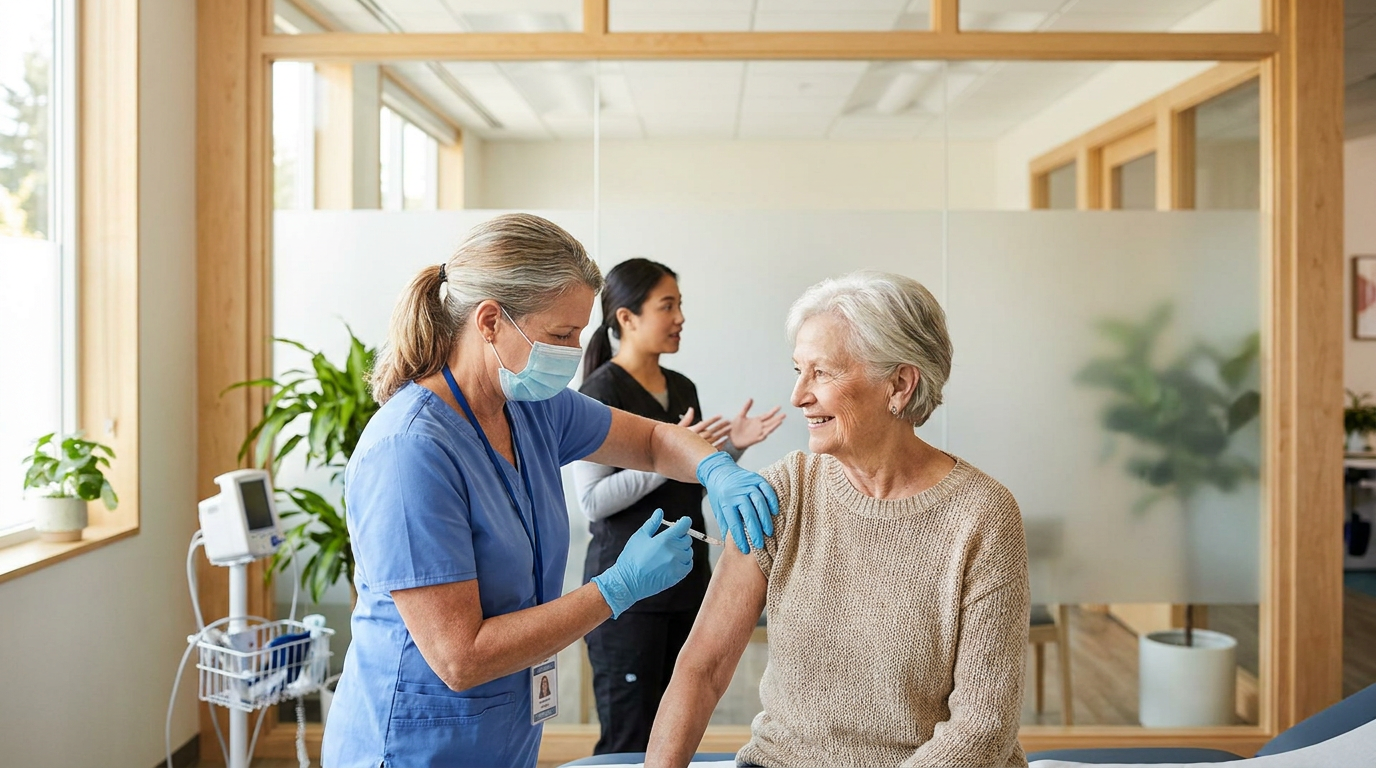
The absolute risk reduction of nearly six percentage points carries massive clinical implications. According to lead author Kaley Hayes, an assistant professor of health services, policy, and practice at Brown, this data translates to roughly one in 17 dementia cases potentially being prevented entirely through a standard two-dose vaccination regimen.[3][4]

This breakthrough is not an isolated anomaly. The Brown University study is the latest—and arguably the most rigorous—in a growing body of evidence linking shingles vaccination to cognitive preservation, building on a series of landmark epidemiological discoveries over the past three years.
In 2024 and 2025, researchers at Stanford University published analyses of health records in Wales and other global regions, leveraging a natural experiment based on strict age cutoffs for vaccine eligibility. They found that the older, live-attenuated shingles vaccine—known as Zostavax—reduced new dementia diagnoses by 20% and even slowed the progression of the disease in patients who already had mild cognitive impairment.[5][6][7]
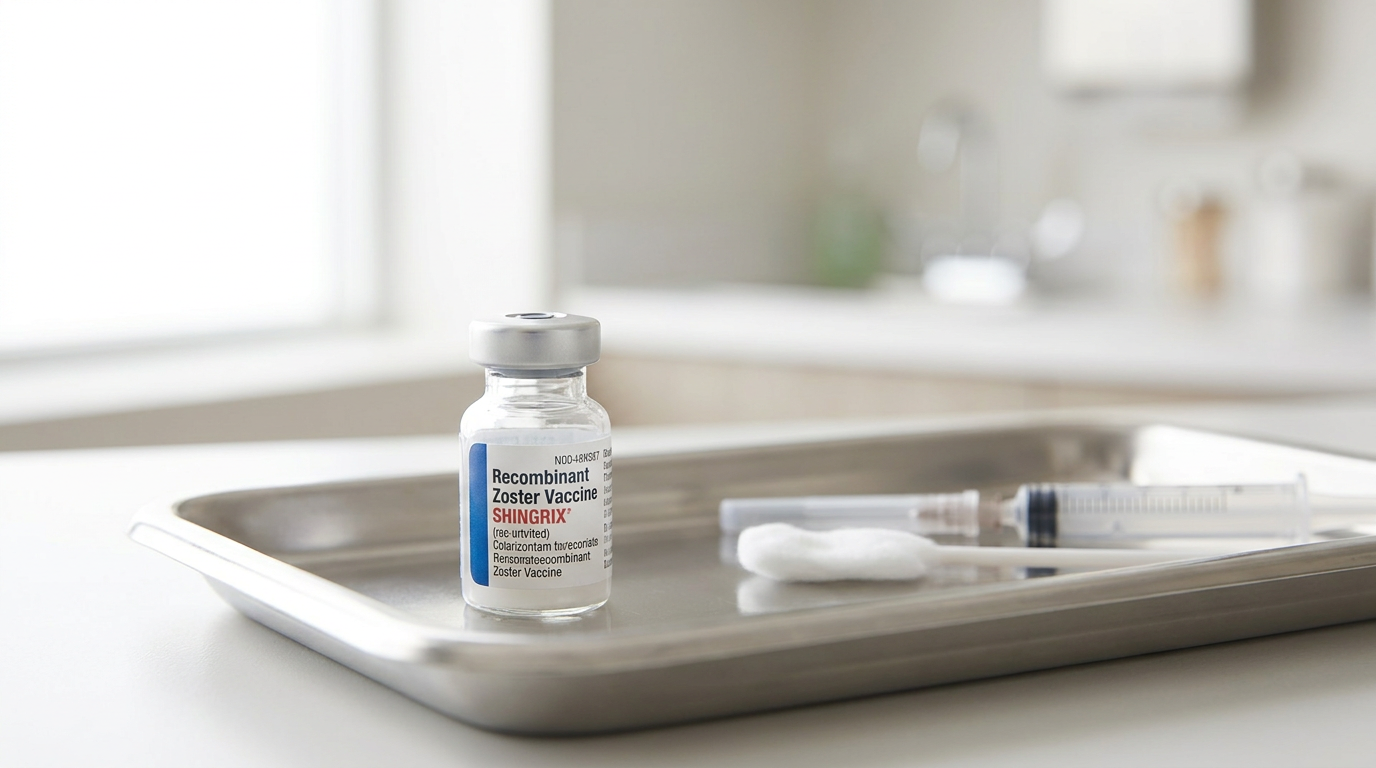
What makes the new Annals of Internal Medicine study critical is its focus on the modern recombinant vaccine, Shingrix. Introduced in 2017, Shingrix is the only shingles vaccine currently on the U.S. market and is significantly more effective at preventing the rash than its predecessor. Proving that this newer, widely available shot carries the same—or better—neuroprotective benefits as the discontinued version is a major milestone for public health officials.[2][3]
What makes the new Annals of Internal Medicine study critical is its focus on the modern recombinant vaccine, Shingrix.
How exactly does a vaccine for a peripheral nerve rash protect the brain's cognitive centers? The leading biological theory centers on the varicella-zoster virus itself. After a childhood chickenpox infection, the virus does not leave the body; instead, it lies dormant in the nervous system for decades, held in check by the immune system.[5]
As the immune system naturally weakens with age, the virus can reactivate, traveling down nerve fibers to cause the blistering rash known as shingles. Neuroimmunologists suspect that this viral reactivation triggers a cascade of neuroinflammation. Chronic inflammation in the brain is a known catalyst for the accumulation of beta-amyloid plaques and tau tangles—the hallmark toxic proteins that characterize Alzheimer's disease and other forms of dementia.[3][5]

Beyond direct brain inflammation, preventing shingles also prevents its severe systemic complications. Severe shingles infections are associated with a heightened risk of cardiovascular events, including stroke. By preventing these vascular events, the vaccine may indirectly protect the brain's delicate blood supply, warding off vascular dementia—the second most common form of cognitive decline.[4]
A third, more generalized theory points to the vaccine's specific ingredients. Shingrix contains a powerful adjuvant called AS01, a compound designed to provoke a highly robust immune response. Some researchers hypothesize that this general immune system "workout" helps activate the body's cellular cleanup crews, encouraging them to clear out toxic proteins in the brain before they can accumulate to dangerous levels.[7]
Despite the compelling biological mechanisms and massive datasets, methodological skeptics urge a degree of caution. Observational studies are inherently vulnerable to "healthy vaccinee bias"—the statistical reality that people who proactively seek out preventative healthcare like vaccines tend to have better diets, exercise habits, and overall health literacy, all of which independently reduce dementia risk.[2][6]
The Brown University researchers anticipated this critique and attempted to control for it by using a rigorous statistical model known as "target trial emulation." They meticulously adjusted for age, underlying conditions, and other health markers to mimic the conditions of a randomized trial. Even after these rigorous adjustments, the 24% risk reduction remained statistically significant, strongly suggesting the vaccine itself is playing a protective role.[2]
Ultimately, observational data can only prove correlation, not direct causation. To definitively prove that the vaccine directly prevents dementia, researchers will need to conduct randomized, double-blind clinical trials—the gold standard of medical evidence. Several such trials are currently in the early stages of planning across major research institutions.[3][6]

Paradoxically, the study also highlighted a glaring gap in preventative care for the exact demographic that needs it most. Among the half-million vulnerable adults admitted to skilled nursing facilities in the study cohort, only 1.73% received the shingles vaccine within a year of their stay, despite being at high risk for both the virus and cognitive decline.[2][4]
The stakes for closing this vaccination gap are astronomical. Dementia currently affects more than 55 million people worldwide, a number projected to skyrocket as the global population ages. While newly approved monoclonal antibody treatments can modestly slow early-stage Alzheimer's, they are prohibitively expensive, require complex infusions, and carry significant side effects like brain bleeding.[5]
If a widely available, exceptionally safe, and relatively inexpensive vaccine can reliably reduce dementia risk by nearly a quarter, it represents an unprecedented paradigm shift in geriatric medicine. As researchers push forward with clinical trials to cement the causal link, the immediate takeaway for older adults is clear: the shingles vaccine protects against a debilitating rash, and it just might protect the mind as well.[1][3]
How we got here
2017
The FDA approves Shingrix, a highly effective recombinant vaccine, replacing the older live-attenuated Zostavax.
April 2024
A Nature Medicine study finds the recombinant shingles vaccine is associated with a significantly lower risk of dementia than the older live vaccine.
April 2025
Stanford researchers analyzing a natural experiment in Wales find the older shingles vaccine reduced new dementia diagnoses by 20%.
June 2026
A massive cohort study in the Annals of Internal Medicine confirms the modern Shingrix vaccine lowers dementia risk by 24% in high-risk older adults.
Viewpoints in depth
Public Health Researchers
Focus on the population-level impact and the potential to prevent millions of dementia cases.
For epidemiologists and public health officials, the sheer scale of the findings is the primary focus. With over 55 million people living with dementia globally, an intervention that reduces risk by 24% could alter the trajectory of global aging. Public health experts emphasize that because the shingles vaccine is already FDA-approved, widely available, and known to be safe, it bypasses the decades-long development pipeline required for new Alzheimer's drugs. Their immediate priority is increasing the abysmally low vaccination rates among vulnerable populations, noting that even a modest increase in uptake could prevent hundreds of thousands of dementia cases.
Neuroimmunologists
Focus on the biological mechanism connecting viral reactivation to cognitive decline.
Researchers studying the brain's immune system view these findings as validation of the 'viral hypothesis' of Alzheimer's disease. For decades, the field focused almost exclusively on clearing amyloid plaques from the brain. Neuroimmunologists argue that viral infections—specifically the reactivation of the varicella-zoster virus—act as the upstream trigger that causes the brain's immune cells to overreact, leading to chronic neuroinflammation and subsequent plaque buildup. By proving that blocking the virus prevents the cognitive decline, they believe the shingles vaccine data fundamentally shifts our understanding of how dementia begins.
Methodological Skeptics
Emphasize caution regarding observational data and the need for randomized trials.
Clinical trial purists and biostatisticians urge caution before declaring the shingles vaccine a definitive shield against dementia. They point out that observational studies, no matter how massive or well-adjusted, cannot completely eliminate 'healthy vaccinee bias.' People who comply with vaccination recommendations generally have better access to healthcare, higher health literacy, and healthier lifestyles—all of which independently reduce dementia risk. While acknowledging the Brown University study's rigorous 'target trial emulation' design, skeptics argue that only a randomized, double-blind clinical trial can definitively prove that the vaccine itself, rather than the patient's overall lifestyle, is responsible for the cognitive protection.
What we don't know
- Whether the vaccine directly prevents dementia, or if the correlation is partially driven by the generally healthier lifestyles of people who choose to get vaccinated.
- The exact biological mechanism—whether the protection comes from preventing viral neuroinflammation, reducing stroke risk, or a general immune system boost.
- How long the cognitive protection lasts beyond the four-year window analyzed in the most recent study.
Key terms
- Recombinant Zoster Vaccine (Shingrix)
- The modern, highly effective shingles vaccine currently used in the U.S., which uses a piece of the virus combined with an immune-boosting adjuvant.
- Varicella-zoster virus
- The virus that causes chickenpox in childhood and can reactivate decades later to cause shingles.
- Neuroinflammation
- Inflammation of the nervous tissue in the brain or spinal cord, increasingly believed to be a major driver of cognitive decline.
- Healthy vaccinee bias
- A statistical distortion in observational studies where people who get vaccinated appear artificially healthier because they also tend to have better overall health habits.
- Target trial emulation
- A rigorous statistical method used to analyze observational data by mimicking the design of a randomized clinical trial to reduce bias.
Frequently asked
Does the shingles vaccine cure dementia?
No. The vaccine does not cure dementia, but observational studies suggest it may significantly lower the risk of developing the condition in the first place.
Which shingles vaccine was studied?
The newest study focused on Shingrix (the recombinant zoster vaccine), which is the only shingles vaccine currently available in the United States. Previous studies found similar benefits with the older, discontinued Zostavax vaccine.
How does a rash vaccine protect the brain?
Researchers believe the vaccine prevents the dormant chickenpox virus from reactivating. This reactivation can cause brain inflammation and increase the risk of strokes, both of which contribute to dementia.
Who should get the shingles vaccine?
The CDC recommends the two-dose Shingrix vaccine for healthy adults aged 50 and older, as well as for adults 19 and older who have weakened immune systems.
Sources
Source coverage
7 outlets
3 viewpoints surfaced






[1]STAT NewsMethodological Skeptics
STAT+: Shingles vaccine may lower dementia risk, new study finds
Read on STAT News →[2]MedPage TodayPublic Health Researchers
Study Looks at Risk for Dementia After Shingles Vaccine in High-Risk Group
Read on MedPage Today →[3]Brown UniversityPublic Health Researchers
Shingles vaccine linked to lower dementia risk in older adults
Read on Brown University →[4]CIDRAPPublic Health Researchers
Shingles vaccine may protect against dementia
Read on CIDRAP →[5]Stanford MedicineNeuroimmunologists
Shingles vaccine reduces dementia risk
Read on Stanford Medicine →[6]Harvard T.H. Chan School of Public HealthNeuroimmunologists
Shingles vaccine may protect against dementia
Read on Harvard T.H. Chan School of Public Health →[7]Ground TruthsNeuroimmunologists
Spotlight on the Shingles Vaccine—Again!
Read on Ground Truths →
Every angle. Every day.
Get health stories with full source coverage and perspective breakdowns delivered to your inbox.