
US-Iran Talks Open in Switzerland as Dispute Erupts Over Strait of Hormuz Closure
US and Iranian delegations have arrived in Switzerland for high-stakes peace negotiations, even as Tehran claims to have closed the Strait of Hormuz in response to Israeli strikes in Lebanon.
By Factlen Editorial Team
- US Negotiators & Military
- Maintains that the Strait of Hormuz remains open under US control and insists Iran must adhere to the 60-day ceasefire.
- Iranian Military & Negotiators
- Argues that ongoing Israeli military operations in Lebanon violate the ceasefire terms, justifying retaliatory closures.
- Energy Market Analysts
- Warns that even temporary disruptions or prolonged uncertainty will keep global oil prices and inflation elevated.
What's not represented
- · Lebanese civilians affected by the ongoing Israeli-Hezbollah conflict
- · Commercial shipping companies navigating the physical risks in the Strait of Hormuz
Why this matters
A permanent resolution to the 100-day conflict is critical to stabilizing global energy markets, as the Strait of Hormuz facilitates one-fifth of the world's oil trade and directly impacts US gas prices and inflation.
Key points
- US and Iranian delegations have arrived in Switzerland to negotiate a permanent peace settlement following a 100-day war.
- Iran's military claims to have closed the Strait of Hormuz in response to ongoing Israeli strikes in Lebanon.
- US Central Command disputes the closure, reporting that 55 merchant ships safely transited the strait on Saturday.
- President Trump warned that the US could impose tolls on shipping through the strait if a final deal is not reached within 60 days.
- Energy analysts warn that global oil prices and inflation may remain elevated for months due to depleted stockpiles and infrastructure damage.
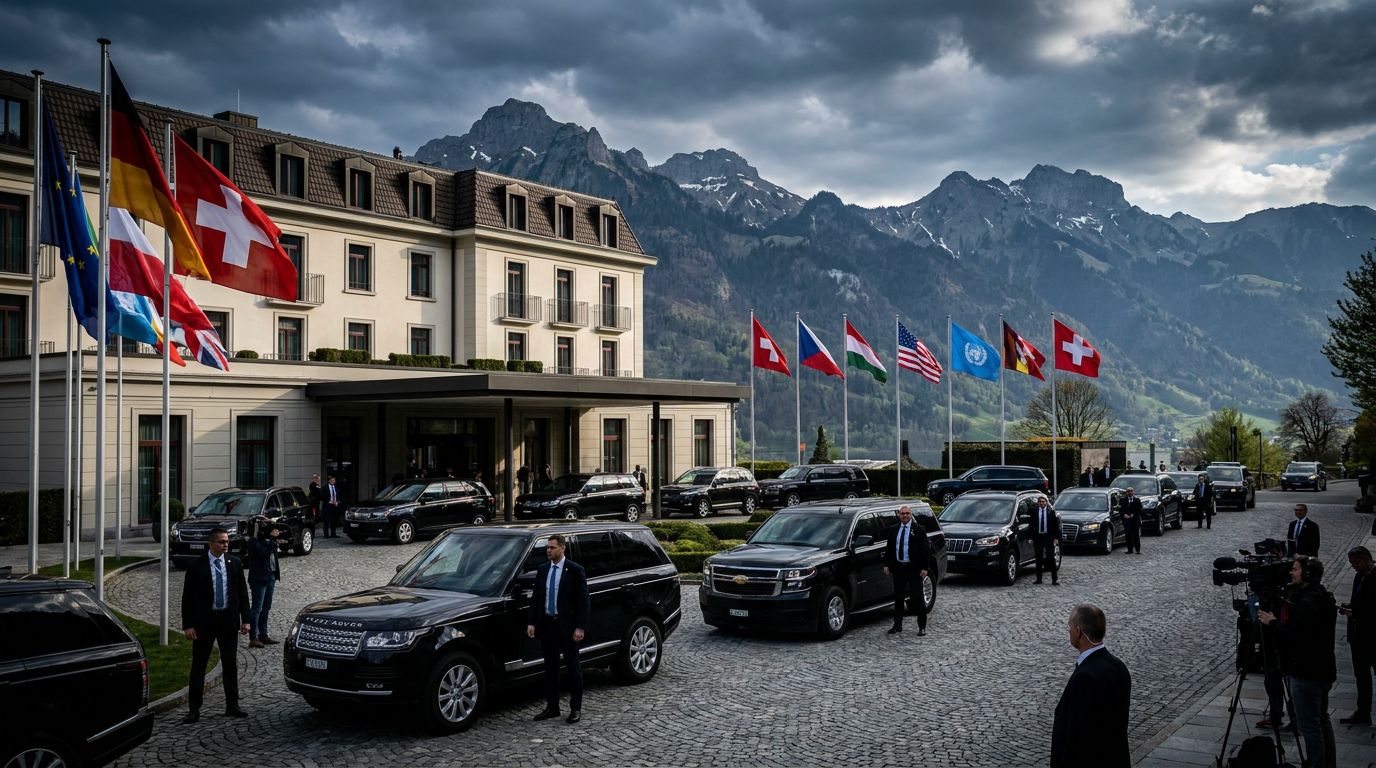
US Vice President JD Vance and Iranian Parliament Speaker Mohammad Bagher Ghalibaf have converged at the Bürgenstock Resort in Switzerland for high-stakes negotiations aimed at converting a fragile interim ceasefire into a permanent peace settlement. The diplomatic push, mediated by Qatar and Pakistan, seeks to end a 100-day conflict that has severely disrupted global energy markets and tested the limits of international diplomacy.[3][5]
The talks opened under a cloud of immediate tension after Iran's military command announced it was once again closing the Strait of Hormuz to commercial shipping. Tehran justified the closure as a retaliatory "first step," arguing that ongoing Israeli military strikes against Hezbollah in southern Lebanon constitute a blatant violation of the 14-point Memorandum of Understanding (MoU) signed by the US and Iran.[4][6]
The US administration swiftly disputed Iran's capacity to shut down the critical maritime corridor. Vice President Vance stated there was no evidence of a closure, while US Central Command reported that 55 merchant ships carrying 17 million barrels of oil safely transited the waterway on Saturday. A senior US defense official emphasized that American forces remain present and vigilant to ensure freedom of navigation, asserting that the US, not Iran, currently controls the strait.[2][4]

The conflict in Lebanon remains the primary stumbling block for the negotiators in Switzerland. The US-Iran MoU calls for an end to hostilities on all fronts, but Israel has maintained its military operations, stating it will not withdraw forces from the Lebanese territories it has engaged. Iranian officials have demanded guarantees that the US will pressure Israeli Prime Minister Benjamin Netanyahu into compliance before Tehran agrees to broader concessions regarding its nuclear program.[1][6][8]
The conflict in Lebanon remains the primary stumbling block for the negotiators in Switzerland.
Adding to the diplomatic pressure, President Donald Trump escalated his rhetoric over the weekend, warning that the US could impose tolls on commercial shipping through the Strait of Hormuz if a final agreement is not reached within the 60-day negotiation window. Trump stated on Truth Social that no tolls would be levied during the ceasefire period, but left the option on the table if the talks collapse.[2][3]
The economic stakes of the summit are massive, as the Strait of Hormuz historically facilitates roughly one-fifth of the world's seaborne crude oil trade. The 100-day war previously sent Brent crude prices soaring to $126 a barrel, fueling global inflation and raising US gas prices, before the recent MoU brought the benchmark back down to around $82 a barrel.[6][7]

Despite the recent drop in crude prices, energy analysts caution that global supply chains remain deeply strained. Depleted emergency crude stockpiles, damaged Middle Eastern energy infrastructure, and lingering physical risks in the Strait mean that US gas prices and global inflation could take months to fully stabilize, even if the peace deal holds.[7]
The coming days in Switzerland will test whether the technical teams can navigate these overlapping crises. With mediators working to bridge the gap between Washington and Tehran, the success of the summit hinges on whether the US can secure Iran's compliance on nuclear limits while simultaneously managing the volatile spillover from the Israel-Hezbollah conflict.[1][3][4][5]
How we got here
Feb 2026
A 100-day war begins following joint US-Israeli strikes on Iran, severely disrupting global energy markets.
Mid-June 2026
The US and Iran sign a 14-point Memorandum of Understanding (MoU) to establish a 60-day ceasefire.
June 19, 2026
Israel and Hezbollah renew fighting in Lebanon, prompting Iran to delay the start of peace talks.
June 20, 2026
Iran's military announces the closure of the Strait of Hormuz in retaliation for the Lebanon strikes.
June 21, 2026
US and Iranian delegations arrive in Switzerland to begin technical negotiations.
Viewpoints in depth
US Administration's View
The US is focused on enforcing the 60-day ceasefire and securing a permanent nuclear deal.
US negotiators, led by Vice President JD Vance, are prioritizing the stabilization of global energy markets and the implementation of the 14-point MoU. The administration insists that the Strait of Hormuz remains open under American military protection and has warned that failure to reach a final agreement could result in the US imposing tolls on commercial shipping. Washington views the Lebanon conflict as a separate issue that should not derail the broader bilateral peace process.
Iran's View
Tehran views the ongoing Israeli strikes in Lebanon as a direct violation of the ceasefire.
Iranian officials argue that the MoU explicitly calls for an end to hostilities on all fronts, including Lebanon. By continuing its military operations against Hezbollah, Israel—and by extension, its US ally—is failing to uphold its end of the bargain. In response, Iran's military command has leveraged its geographic position, threatening to close the Strait of Hormuz as a 'first step' to force compliance and extract guarantees that the US will rein in Israeli forces.
Energy Markets' View
Analysts warn that prolonged geopolitical uncertainty will keep energy prices elevated.
Even with a preliminary ceasefire in place, energy analysts caution that the global economy remains vulnerable. The 100-day war severely depleted emergency crude stockpiles and damaged regional infrastructure. Market watchers emphasize that until a permanent, verifiable peace deal is signed and the physical risks to shipping in the Strait of Hormuz are completely eliminated, the threat of sudden price spikes and sustained inflation will persist.
What we don't know
- Whether the US can successfully pressure Israel to halt its military operations in Lebanon to satisfy Iran's ceasefire demands.
- If the US will actually implement tolls on commercial shipping through the Strait of Hormuz should the 60-day negotiation window expire without a deal.
- How quickly global energy markets and US gas prices will recover if a permanent peace settlement is reached.
Key terms
- Strait of Hormuz
- A narrow, strategically critical waterway between the Persian Gulf and the Gulf of Oman, through which roughly 20% of the world's seaborne oil passes.
- Memorandum of Understanding (MoU)
- A preliminary 14-point agreement signed by the US and Iran establishing a 60-day ceasefire to negotiate a permanent peace deal.
- Brent Crude
- A major global benchmark for oil prices, used to price two-thirds of the world's internationally traded crude oil supplies.
Frequently asked
Is the Strait of Hormuz currently closed?
There are conflicting reports. Iran's military claims it has closed the strait in retaliation for strikes in Lebanon, but US Central Command states the waterway remains open, with 55 ships passing through on Saturday.
Why are the US and Iran meeting in Switzerland?
Delegations are meeting at the Bürgenstock Resort to negotiate a permanent peace settlement and nuclear agreement following a 100-day war, building on a recently signed 60-day ceasefire.
How does the conflict in Lebanon affect the US-Iran deal?
The US-Iran ceasefire calls for an end to hostilities on all fronts. Iran argues that ongoing Israeli military operations against Hezbollah in Lebanon violate this agreement, complicating the broader peace talks.
Sources
Source coverage
8 outlets
3 viewpoints surfaced








[1]The GuardianEnergy Market Analysts
US-Iran talks in Switzerland to get under way as strait of Hormuz remains closed
Read on The Guardian →[2]Fox NewsUS Negotiators & Military
Vance travels to Switzerland for talks as Iran negotiators arrive
Read on Fox News →[3]Financial TimesUS Negotiators & Military
Vance arrives in Switzerland for crunch US-Iran talks
Read on Financial Times →[4]The Washington PostIranian Military & Negotiators
Iran says it is closing Strait of Hormuz, testing fragile agreement with U.S.
Read on The Washington Post →[5]CBS NewsUS Negotiators & Military
Live Updates: JD Vance heads to Switzerland to accelerate peace talks as Iran threatens to close Strait of Hormuz
Read on CBS News →[6]The HinduIranian Military & Negotiators
Iran says Strait of Hormuz 'closed' as Israeli strikes on Lebanon continue
Read on The Hindu →[7]TIMEEnergy Market Analysts
Gas Prices Could Take Months to Return to Pre-War Levels Even After U.S.-Iran Deal
Read on TIME →[8]CNNIranian Military & Negotiators
Opening round of US-Iran talks canceled as Tehran said to demand halt to Lebanon fighting
Read on CNN →
More in news politics
See all 6 stories →Transgender Healthcare
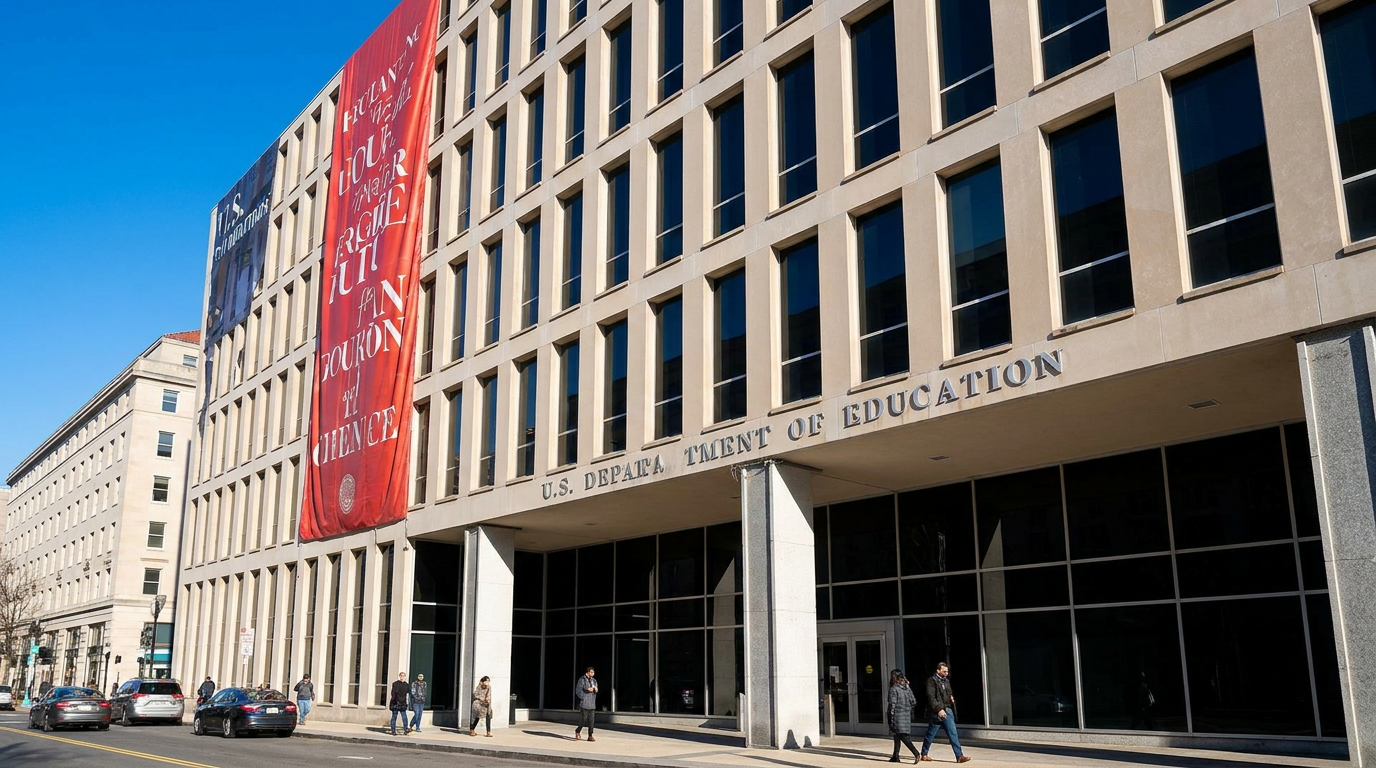
FTC and Four States Sue WPATH Over Pediatric Gender-Affirming Care Guidelines
6 sources
Peace Talks
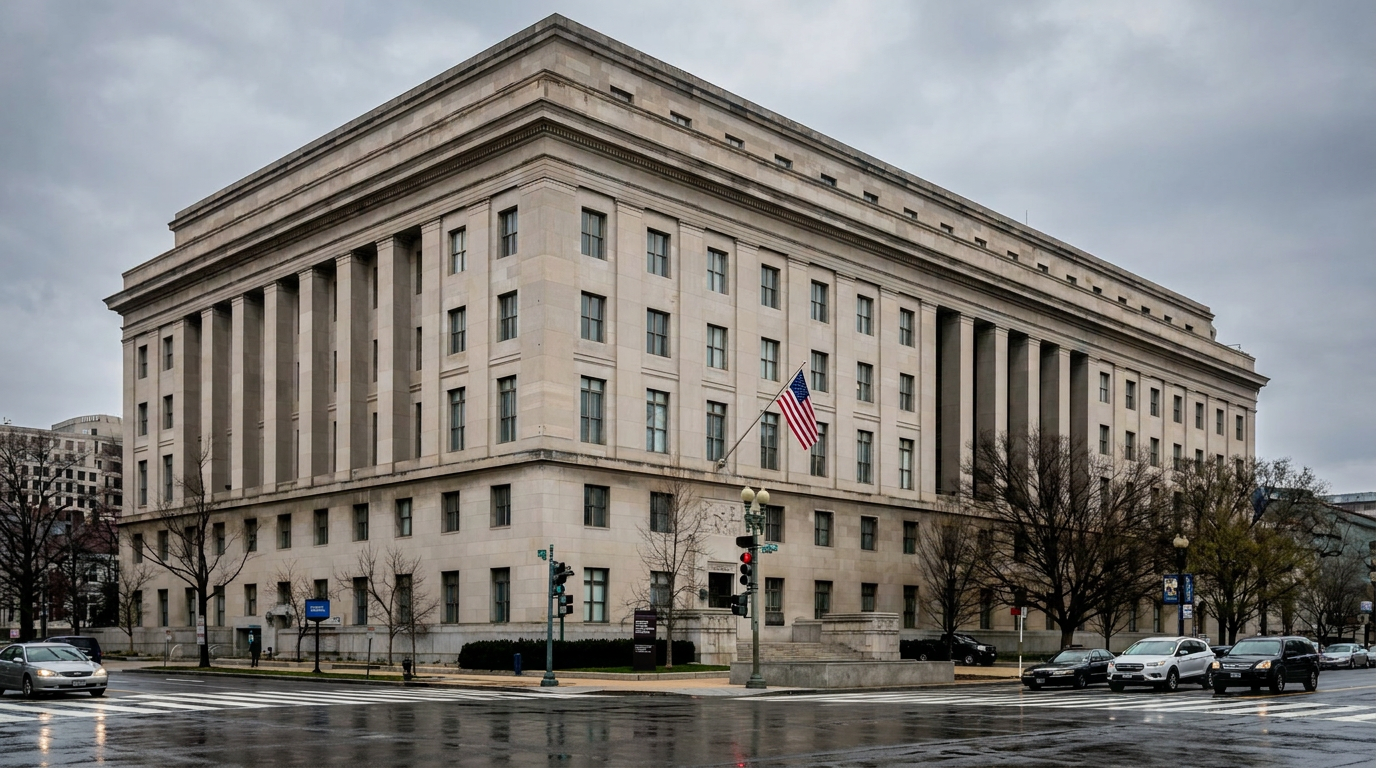
U.S. and Iran Begin High-Stakes Peace Talks in Switzerland Amid Strait of Hormuz Standoff
7 sources
Education Policy
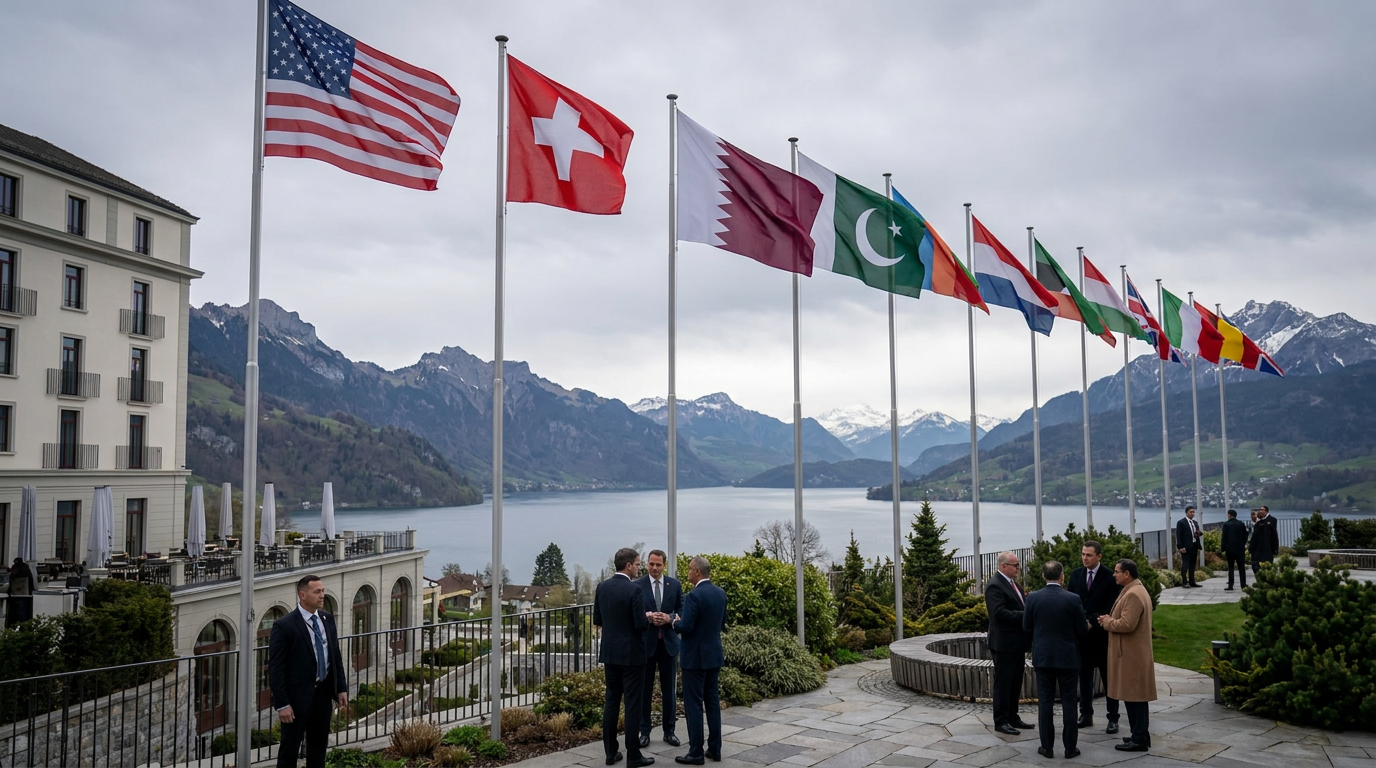
Fact-Checking Universal School Meals: What the Evidence Says About Grades, Health, and Costs
8 sources

Strait of Hormuz
US and Iran Begin High-Stakes Talks in Switzerland as Strait of Hormuz Remains Closed
7 sources
Every angle. Every day.
Get news politics stories with full source coverage and perspective breakdowns delivered to your inbox.