
US-Iran Talks in Switzerland Postponed as Trump's Peace Deal Faces Domestic and Regional Backlash
Vice President JD Vance has delayed a planned trip to Switzerland to begin technical negotiations with Iran, days after President Trump signed a preliminary agreement to end the 112-day war. The postponement comes amid fierce criticism of the deal from Republican lawmakers and continued Israeli military operations in Lebanon.
By Factlen Editorial Team
- Trump Administration
- Views the deal as a masterstroke that averted economic disaster and ended a costly war.
- Republican Critics
- Argues the agreement is a dangerous capitulation that enriches a state sponsor of terrorism.
- Israeli Security Establishment
- Fears the deal prematurely relieves pressure on Iran while ignoring the immediate threat of Hezbollah.
- Iranian Negotiators
- Demands the US enforce the ceasefire across all fronts, including Lebanon, before proceeding with technical talks.
What's not represented
- · European allies who rely heavily on the Strait of Hormuz for energy imports.
- · Lebanese civilians caught in the ongoing crossfire between Israel and Hezbollah.
Why this matters
The sudden delay in technical negotiations raises questions about the durability of the newly signed US-Iran ceasefire. If the 60-day negotiating window collapses, the 112-day war could resume, threatening global energy markets and drawing Israel and Lebanon deeper into a regional conflict.
Key points
- VP JD Vance delayed a trip to Switzerland to begin technical talks with Iran on a newly signed peace agreement.
- The 14-point Memorandum of Understanding establishes a 60-day window to negotiate a final deal on Iran's nuclear program.
- The US has lifted its naval blockade, but 80 mines still block normal shipping in the Strait of Hormuz.
- Prominent Republican senators are heavily criticizing the deal's $300 billion reconstruction fund and the lifting of oil sanctions.
- Continued Israeli military operations in Lebanon threaten to derail the ceasefire, as Iran demands the US enforce the agreement's terms.
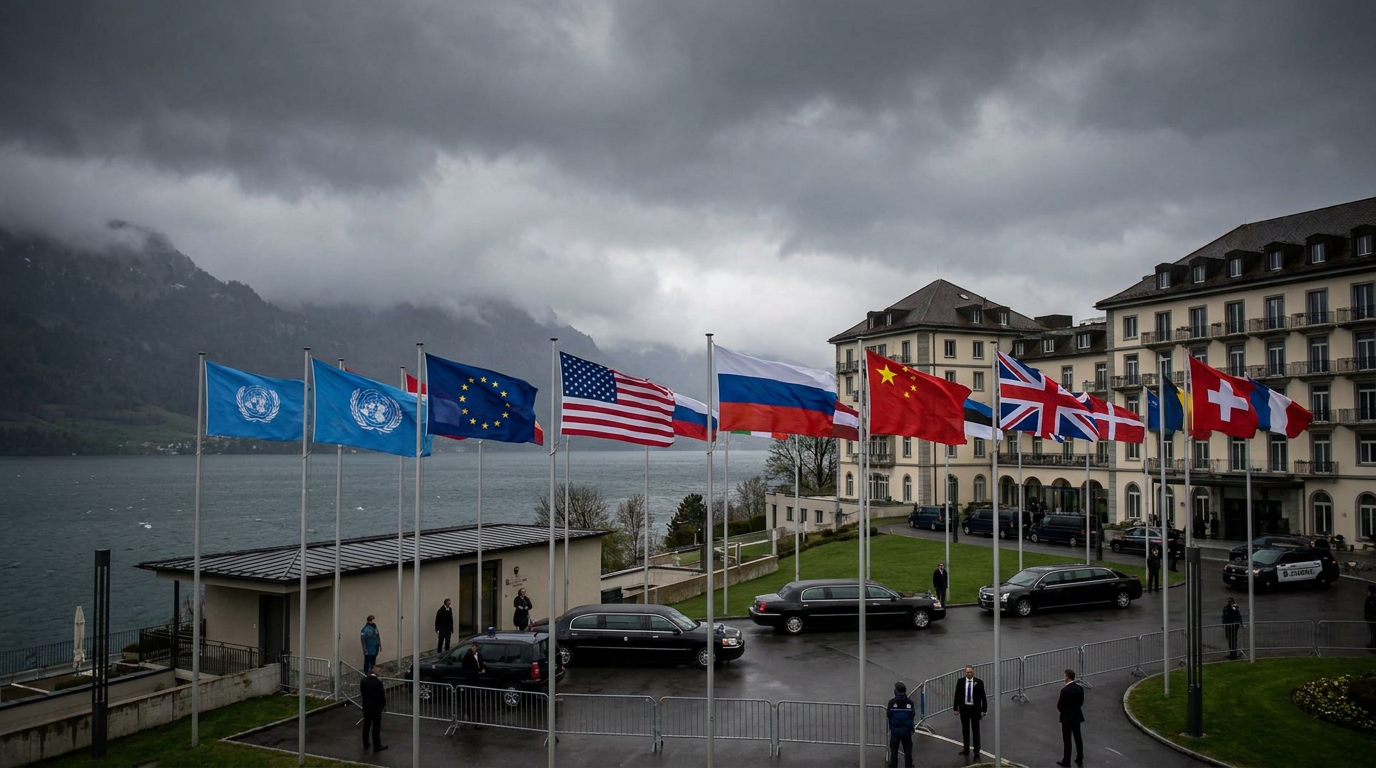
Vice President JD Vance abruptly delayed a planned trip to Switzerland to begin technical negotiations with Iran, throwing immediate uncertainty into the fragile ceasefire that paused the 112-day US-Iran war. The diplomatic summit, originally scheduled for Friday at the Bürgenstock resort in the Swiss Alps, was intended to hammer out the complex logistics of a newly signed peace agreement.[1][2]
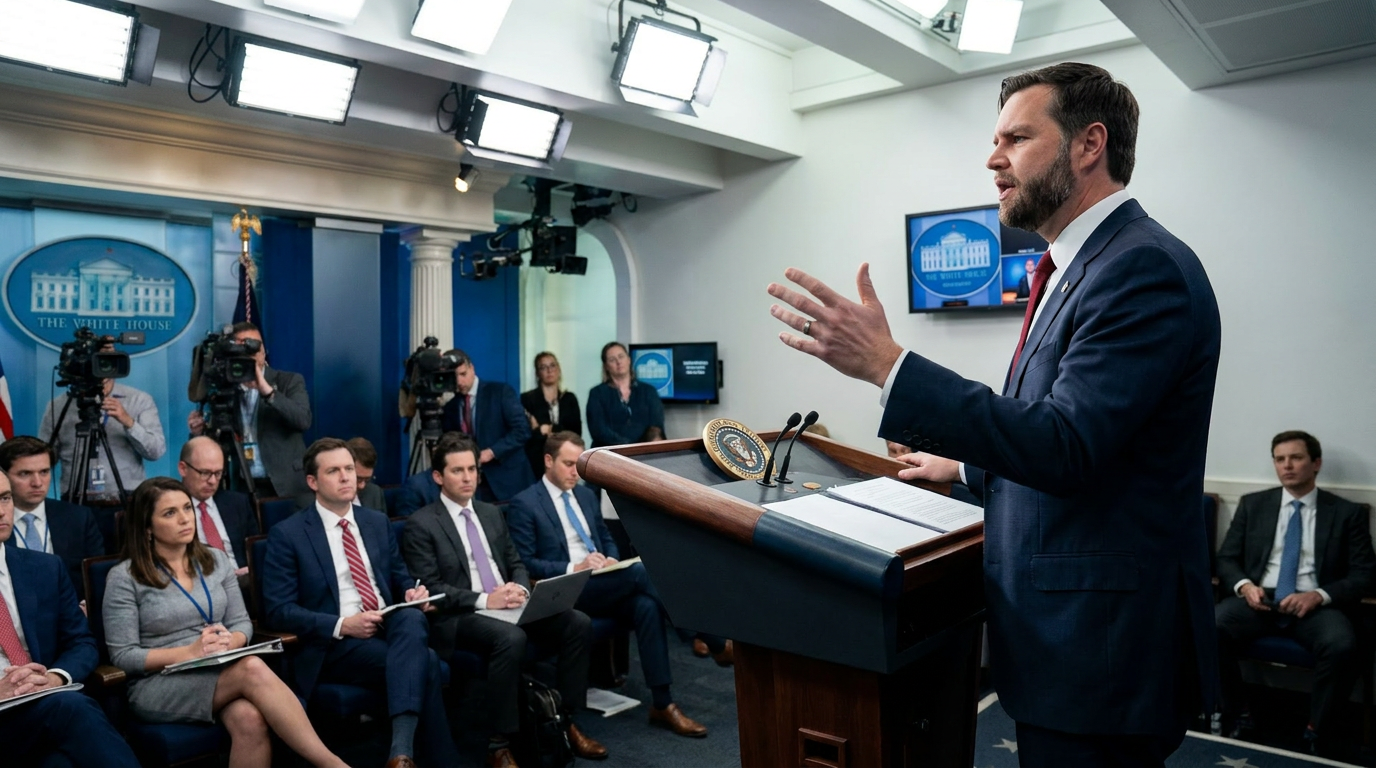
The White House attributed the delay to logistical hurdles, with Vance noting during a press briefing that Iranian officials faced difficulties traveling out of Tehran to attend the summit. The administration maintained that the US delegation remains prepared to depart at the first available opportunity once arrangements are finalized.[1][6]
However, the postponement coincides with two major geopolitical fractures threatening the deal: fierce domestic backlash from Republican lawmakers over the terms of the agreement, and continued Israeli military operations against Hezbollah in Lebanon.[3][4]
The 14-point Memorandum of Understanding (MOU), signed by President Donald Trump and Iranian President Masoud Pezeshkian earlier this week, outlines a 60-day window to negotiate a permanent end to hostilities and address the future of Iran's nuclear program. The interim pact was designed to immediately de-escalate the conflict and stabilize global markets.[4][8]

In the immediate term, the United States has lifted its naval blockade on Iranian ports, and Iran has committed to reopening the Strait of Hormuz—a critical global energy artery—without tolls. The US Treasury Department also committed to issuing immediate waivers on exports of Iranian oil.[7][8]
But the physical reopening of the strait remains complicated. Independent tanker trade bodies report that approximately 80 mines must be cleared from the center of the waterway before normal shipping can safely resume, leaving vessels to navigate a precarious Omani route in the interim.[7]
Domestically, the MOU has ignited a firestorm within Trump's own party. Several prominent Republican senators have publicly condemned provisions that grant Iran sweeping sanctions relief and establish a $300 billion private investment fund to rebuild Iranian infrastructure.[4][5]
Domestically, the MOU has ignited a firestorm within Trump's own party.
Senator Tom Cotton estimated that lifting oil sanctions could allow Tehran to generate up to $6 billion a month. He warned that the funds would not be spent on civilian infrastructure, but rather used to rebuild drone stockpiles and finance proxy groups like Hamas and Hezbollah.[4]

Senator Bill Cassidy went further, calling the agreement "the worst foreign policy blunder in decades." Cassidy argued that the deal rewards Iran for closing the Strait of Hormuz and leaves the US with dead service members and a massive financial concession, while failing to permanently curb Tehran's nuclear ambitions.[5]
President Trump fired back aggressively on Truth Social, dismissing critics of the deal as "fools" who are "either jealous, bad people, or stupid." The president pointed to tumbling oil prices and record-high stock markets as definitive proof of the agreement's success, insisting that the deal prevents an economic catastrophe.[5][8]
Meanwhile, regional dynamics threaten to unravel the pact before technical talks even begin. The MOU explicitly calls for a permanent end to military operations on all fronts, including in Lebanon, effectively attempting to force a broader regional ceasefire.[4][6]
Despite this provision, Israel—which was not a party to the direct US-Iran negotiations—has intensified its campaign against Hezbollah. The Israeli military launched a new wave of attacks across southern Lebanon that killed at least 16 people, including four IDF soldiers, directly challenging the American ceasefire framework.[3][6]

Israeli officials have demanded harsh retaliation, insisting that Israel is not bound by the US agreement. Far-right National Security Minister Itamar Ben-Gvir called for Lebanon to "burn" in response to the IDF casualties, underscoring the deep rift between Washington and Jerusalem over the war's conclusion.[3]
Iranian media outlets reported that Tehran suspended its delegation's departure to Switzerland specifically because of the ongoing Israeli strikes. Iranian negotiators are reportedly demanding that the US enforce the terms of the interim agreement across the region before proceeding with the next phase of diplomacy.[3][6]
How we got here
March 2026
The US-Iran war begins, leading to a US naval blockade and the closure of the Strait of Hormuz.
June 17, 2026
President Trump and Iranian President Pezeshkian sign a 14-point Memorandum of Understanding to end the 112-day conflict.
June 18, 2026
The US lifts its naval blockade on Iranian ports; Trump defends the deal against fierce Republican criticism.
June 19, 2026
The White House announces VP JD Vance has delayed his trip to Switzerland for technical talks amid ongoing Israeli strikes in Lebanon.
Viewpoints in depth
The Trump Administration
The deal is a historic victory that prevented economic catastrophe and ended a costly war.
President Trump and his allies argue that the 14-point MOU achieves the primary goal of reopening the Strait of Hormuz, which immediately stabilized global markets and lowered oil prices. They emphasize that the agreement initiates a 60-day window to permanently dismantle Iran's nuclear ambitions without requiring a prolonged US military occupation. The administration views the $300 billion reconstruction fund not as a handout, but as a mechanism driven by private investment to incentivize Iranian compliance.
Republican Critics
The agreement is a massive capitulation that rewards Iranian aggression.
Conservative lawmakers, including Senators Tom Cotton and Bill Cassidy, view the lifting of the naval blockade and oil sanctions as a dangerous concession. They argue that allowing Iran to generate billions in oil revenue and access a $300 billion reconstruction fund effectively acts as a 'Marshall Plan' for a state sponsor of terrorism. Critics contend that Tehran will inevitably funnel these resources into rebuilding its drone stockpiles and funding proxy groups, leaving the US and its allies more vulnerable than before the 112-day war began.
The Israeli Government
Israel is not bound by a US-Iran deal that leaves Hezbollah intact on its northern border.
Israeli officials are deeply alarmed by provisions in the MOU that call for an end to military operations in Lebanon. Having been excluded from the direct US-Iran negotiations, Israel maintains that it must retain the operational freedom to secure its northern border against Hezbollah. Hardline ministers in Benjamin Netanyahu's government have explicitly rejected the ceasefire framework, arguing that the US agreement prematurely relieves pressure on Tehran while leaving Israeli citizens exposed to proxy attacks.
What we don't know
- When, or if, the technical negotiations in Switzerland will actually take place.
- How the Trump administration plans to enforce the Lebanon ceasefire provision given Israel's refusal to halt operations.
- Whether Iran will agree to permanently dismantle its nuclear program during the 60-day negotiating window.
Key terms
- Memorandum of Understanding (MOU)
- A formal agreement between two or more parties that establishes a framework for future negotiations, though it is often not legally binding.
- Strait of Hormuz
- A narrow, strategically critical waterway between the Persian Gulf and the Gulf of Oman through which roughly one-fifth of the world's oil supply passes.
- Naval Blockade
- A military operation in which ships are used to prevent vessels, supplies, or communications from entering or leaving a country's ports.
Frequently asked
Why did JD Vance delay his trip to Switzerland?
The White House cited logistical difficulties in getting Iranian officials to the venue, though the delay also coincides with ongoing Israeli military operations in Lebanon that Iran strongly opposes.
What does the US-Iran deal actually do?
The preliminary agreement lifts the US naval blockade, reopens the Strait of Hormuz, and starts a 60-day negotiating window to reach a final settlement on Iran's nuclear program and a $300 billion reconstruction fund.
Why are Republicans criticizing Donald Trump's deal?
Several GOP senators argue that lifting oil sanctions and facilitating a $300 billion reconstruction fund rewards Iran for its aggression and provides Tehran with money to fund proxy groups.
Is the Strait of Hormuz open for shipping again?
While the US lifted its blockade and Iran agreed to allow transit, independent trade bodies report that roughly 80 mines must still be cleared from the center of the strait before normal shipping can resume.
Sources
Source coverage
8 outlets
4 viewpoints surfaced








[1]BBCIranian Negotiators
US-Iran talks postponed as Vance pulls out of Switzerland trip
Read on BBC →[2]The New York Times
Swiss Officials Say Iran Talks Are Off, for Now
Read on The New York Times →[3]Al JazeeraIranian Negotiators
US-Iran talks postponed as Israel attacks Lebanon
Read on Al Jazeera →[4]The Washington PostRepublican Critics
Parts of Trump's Iran deal sharply criticized by some key Republicans
Read on The Washington Post →[5]CBS NewsRepublican Critics
Trump slams 'fools' opposing Iran deal as Republicans criticize $300B reconstruction fund
Read on CBS News →[6]The Times of IsraelIsraeli Security Establishment
US says Vance not yet leaving for Switzerland, as Friday talks with Iran apparently delayed
Read on The Times of Israel →[7]The Guardian
Normal shipping will not resume in strait of Hormuz until 80 mines cleared
Read on The Guardian →[8]ForbesTrump Administration
Some Republicans Finally Express Support For Trump's Iran Deal—Without Praising It
Read on Forbes →
Every angle. Every day.
Get news politics stories with full source coverage and perspective breakdowns delivered to your inbox.