
US-Iran Nuclear Talks in Switzerland Postponed Amid Lebanon Escalation
Highly anticipated technical negotiations between the US and Iran have been delayed following renewed clashes between Israel and Hezbollah. The postponement injects uncertainty into a fragile 60-day ceasefire designed to dismantle Iran's nuclear program and reopen the Strait of Hormuz.
By Factlen Editorial Team
- US Diplomatic Push
- Argues that a negotiated settlement is the only viable path to reopen the Strait of Hormuz and secure IAEA access to Iranian nuclear sites.
- Iranian Negotiators
- Demands the lifting of the US naval blockade and concrete guarantees regarding the Israel-Hezbollah conflict before finalizing technical nuclear concessions.
- Domestic US Skeptics
- Views the 60-day ceasefire and proposed reconstruction funds as a premature surrender of leverage before Iran verifiably dismantles its nuclear infrastructure.
- Regional Security Observers
- Highlights the extreme fragility of the peace process, noting that ongoing military escalations in Lebanon could easily derail the broader nuclear treaty.
What's not represented
- · Lebanese civilians caught in the crossfire of the Hezbollah-Israel escalation.
- · Global shipping companies navigating the newly reopened but volatile Strait of Hormuz.
Why this matters
The outcome of these negotiations will determine whether the Middle East plunges back into a devastating regional war or achieves a lasting diplomatic settlement. A successful treaty would reopen the Strait of Hormuz, stabilizing global energy markets and preventing a massive spike in worldwide oil prices.
Key points
- The US and Iran signed a 14-point MoU establishing a 60-day ceasefire to negotiate a permanent nuclear treaty.
- Planned technical talks in Switzerland were abruptly postponed following deadly military clashes between Israel and Hezbollah.
- US Envoy Steve Witkoff confirmed Iran will invite IAEA inspectors to uncover and monitor its highly enriched uranium.
- The US has lifted its naval blockade on Iranian ports as part of the initial de-escalation framework.
- A proposed $300 billion reconstruction fund for Iran is contingent upon the successful ratification of a final agreement.
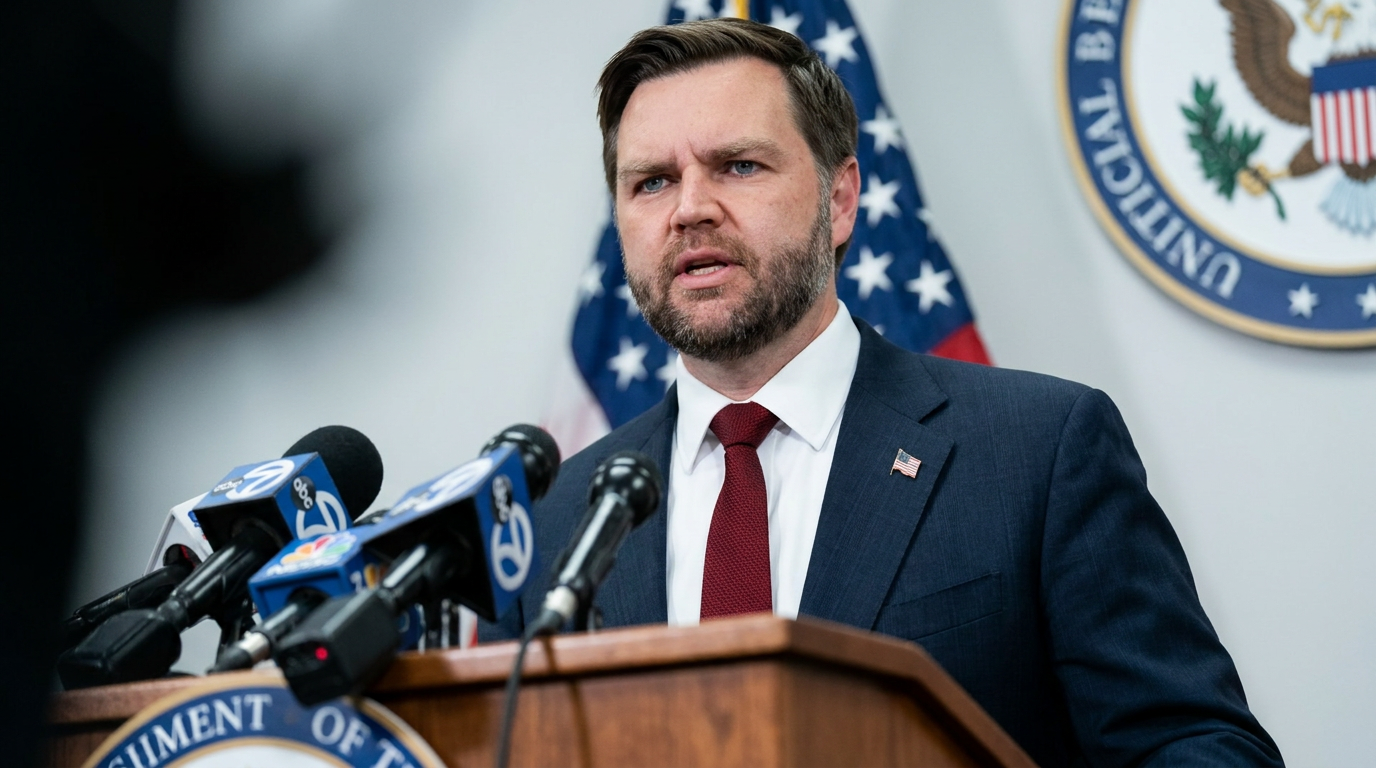
The highly anticipated nuclear negotiations between the United States and Iran in Switzerland have been abruptly postponed, injecting fresh uncertainty into a fragile peace process just days after the two nations signed a historic memorandum of understanding. Vice President JD Vance, who was scheduled to lead the American delegation, canceled his departure for the Alpine nation late Thursday, with the White House citing the unpredictable logistics of the diplomatic summit. The delay halts the momentum of a 14-point framework designed to formally end the devastating US-Israel war on Iran that erupted in the summer of 2025. While the electronic signing of the agreement earlier in the week successfully triggered a 60-day ceasefire window, the sudden pause in face-to-face technical talks underscores the immense difficulty of translating a preliminary truce into a permanent, verifiable nuclear treaty.[1][4][6]
The immediate catalyst for the postponement stems from a deadly resurgence of violence in the broader Middle East, specifically along the volatile Israel-Lebanon border. On Thursday, Hezbollah forces launched a coordinated strike that killed four Israeli soldiers, prompting a wave of retaliatory Israeli airstrikes across southern Lebanon and the Bekaa Valley that left at least 18 people dead. The escalation directly threatened the diplomatic architecture of the US-Iran deal, which implicitly aimed to halt fighting across multiple regional fronts. In response to the airstrikes, Iranian negotiators reportedly demanded concrete guarantees regarding the containment of the Lebanon conflict before they would commit to sitting down at the negotiating table in Geneva.[2][5]
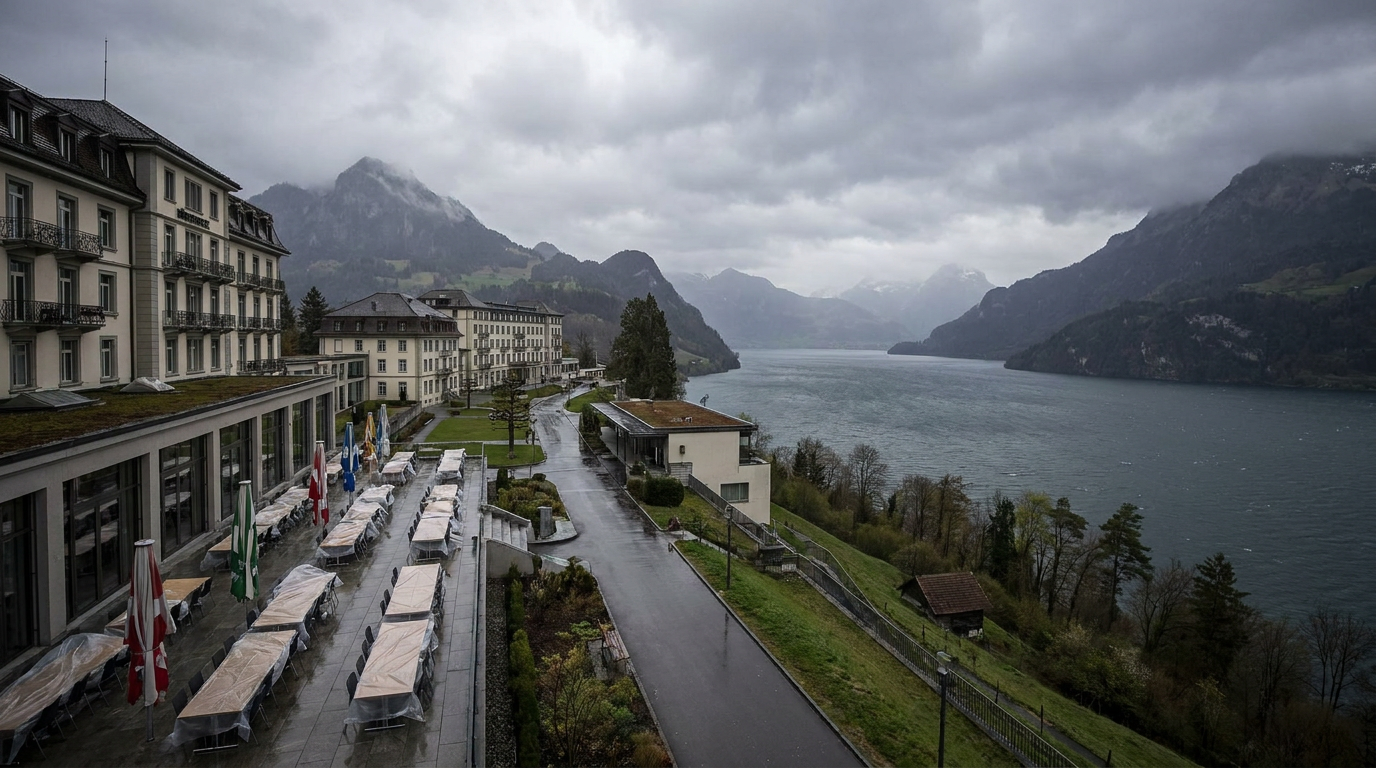
Despite the Vice President's delayed arrival, the diplomatic machinery remains in motion on the ground. US envoys Steve Witkoff and Jared Kushner had already traveled to Switzerland to lay the groundwork for the technical discussions alongside international mediators. Their presence at the heavily secured Bürgenstock Resort—a luxury complex owned by the Qatari sovereign wealth fund—highlights the Trump administration's urgency to capitalize on the 60-day negotiating window. Swiss foreign ministry officials confirmed that preparatory work is continuing at the resort, though they declined to provide a revised timeline for when the formal delegations would convene to hammer out the final status of Tehran's nuclear program.[1][2][3]
The 14-point memorandum of understanding serves as a critical bridge rather than a comprehensive final treaty. It establishes a two-month ceasefire period during which negotiators are tasked with resolving the most intractable issues of the conflict, primarily the dismantling of Iran's nuclear infrastructure and the reopening of the Strait of Hormuz. The framework requires both sides to take immediate, synchronized steps to de-escalate the military and economic standoff. If the 60-day window expires without a permanent agreement, the region risks sliding back into the all-out warfare that characterized the previous year, threatening global energy markets and regional stability.[2][3]

A central pillar of the emerging deal involves unprecedented access for international monitors to verify Iran's compliance. In a closed-door briefing with US lawmakers, envoy Steve Witkoff revealed that Iran has agreed to formally invite the International Atomic Energy Agency (IAEA) to inspect its nuclear sites. While the primary agreement between Washington and Tehran reportedly contains no hidden side deals, Witkoff disclosed the existence of a separate side letter drafted between Iranian officials and the IAEA. This letter outlines the specific protocols for allowing UN inspectors back into the country to begin the arduous process of identifying and uncovering Tehran's nuclear material.[4][5]
A central pillar of the emerging deal involves unprecedented access for international monitors to verify Iran's compliance.
The core technical challenge facing inspectors and negotiators is the status of Iran's highly enriched uranium. Prior to the outbreak of the war, Tehran was enriching uranium to 60 percent purity—a level that experts warn is only a short, technical step away from weapons-grade material. Much of this enriched stockpile is currently believed to be buried under tons of rubble following intense US military strikes on key Iranian nuclear facilities during the height of the conflict. The framework agreement stipulates that Iran must, at a minimum, dilute its highly enriched stockpile under strict international supervision and formally commit in writing to renounce any ambitions of developing a nuclear weapon.[4][5]

In exchange for these sweeping nuclear concessions, the United States has begun unwinding its aggressive economic and military pressure campaign. On Thursday, the US military officially lifted its naval blockade of Iranian ports, a significant de-escalation designed to allow commercial shipping to resume. Furthermore, the memorandum outlines the creation of a massive $300 billion reconstruction fund, supported by regional nations and facilitated by the United States, to rebuild Iran's war-torn economy. However, the release of these funds is strictly contingent upon the successful ratification of a final, comprehensive agreement regarding the nuclear program.[2][6]
The economic stakes of the negotiations extend far beyond the borders of Iran, driven primarily by the imperative to reopen the Strait of Hormuz. The strategic waterway, which serves as a vital bottleneck for global energy shipments, was blockaded by Iran during the conflict, sending shockwaves through international markets. President Donald Trump publicly defended the diplomatic pivot, arguing that continued military action would fail to secure the strait. He warned that relying solely on military force to wring further concessions from Tehran would leave the waterway closed for months, potentially triggering a worldwide economic depression due to catastrophic oil shortages.[2][6]

The administration's diplomatic thaw has encountered fierce resistance from domestic political opponents and hawkish lawmakers in Washington. Several Republican senators have sharply criticized the cessation of hostilities and the promise of impending sanctions relief, characterizing the strategy as a historic foreign policy blunder. These critics argue that lifting the naval blockade and offering access to a $300 billion reconstruction fund prematurely surrenders America's most potent leverage. They maintain that economic pressure should remain at maximum levels until Iran has verifiably and irreversibly dismantled its entire nuclear infrastructure, rather than relying on promises of future compliance.[6]
The linkage between the nuclear negotiations and the broader proxy conflicts in the Middle East remains a significant vulnerability for the peace process. The memorandum of understanding was intended to serve as a comprehensive off-ramp, halting not only the direct US-Israel war on Iran but also the peripheral fighting involving Iranian-backed groups like Hezbollah. However, the recent deadly clashes in southern Lebanon demonstrate the extreme fragility of this interconnected ceasefire. Iranian negotiators have made it clear that progress in the Swiss Alps is inextricably linked to the security situation on the ground in the Levant, demanding that the US rein in Israeli military operations.[2][5][6]

The survival of the diplomatic process relies heavily on the intervention of international mediators who have spent months backchanneling between Washington and Tehran. Qatar, which hosted earlier phases of the dialogue and owns the Bürgenstock Resort, alongside Pakistan and Switzerland, have played pivotal roles in brokering the initial 14-point framework. Their continued involvement is critical as the United States and Iran attempt to navigate the fraught transition from a tentative truce to a binding treaty. These mediating nations are currently working to salvage the postponed technical talks, attempting to decouple the nuclear negotiations from the immediate fallout of the Lebanon skirmishes.[3][6]
As the diplomatic scramble continues, the 60-day clock established by the memorandum is already ticking down. While Swiss officials maintain that the logistical preparations for the summit remain intact, the absence of a firm date for the rescheduled talks injects a dangerous level of uncertainty into the geopolitical landscape. The negotiators face a monumental task: they must finalize the complex technical details of uranium dilution, coordinate the logistics of IAEA inspections in rubble-strewn facilities, and manage the volatile security environment of the Middle East—all before the temporary ceasefire expires and the window for peace slams shut.[2][6]
How we got here
April 2025
The US and Iran begin initial negotiations aimed at reaching a nuclear peace agreement.
June 2025
Negotiations collapse, sparking a US-Israel war on Iran and the closure of the Strait of Hormuz.
June 17, 2026
The US and Iran electronically sign a 14-point Memorandum of Understanding, establishing a 60-day ceasefire.
June 18, 2026
The United States officially lifts its naval blockade on Iranian ports.
June 19, 2026
Planned technical talks in Switzerland are postponed following a deadly military escalation between Israel and Hezbollah in Lebanon.
Viewpoints in depth
The US Administration's View
A diplomatic settlement is the only viable mechanism to reopen the Strait of Hormuz and prevent a global economic crisis.
The White House argues that the military campaign against Iran has reached the limits of its strategic utility. President Trump has publicly stated that continuing to bomb Iranian targets would not successfully reopen the Strait of Hormuz, a critical bottleneck for global energy markets. By pivoting to diplomacy, the administration aims to secure verifiable IAEA access to Iran's nuclear sites and stabilize the global economy, arguing that a 60-day negotiating window offers a structured path to a permanent resolution.
Tehran's View
Nuclear concessions must be met with immediate economic relief and regional security guarantees.
Iranian leadership views the 14-point memorandum as a transactional framework that requires reciprocal, synchronized steps. Before finalizing the dilution of their highly enriched uranium, Tehran is demanding the complete cessation of the US naval blockade and access to the proposed $300 billion reconstruction fund. Furthermore, Iranian negotiators insist that the peace process cannot proceed in a vacuum, demanding that the US rein in Israeli military operations in Lebanon to ensure the ceasefire holds across all regional fronts.
Congressional Skeptics
The cessation of hostilities prematurely surrenders critical leverage without ensuring nuclear disarmament.
Hawkish lawmakers in Washington view the diplomatic thaw with deep suspicion, characterizing the lifting of the naval blockade as a strategic blunder. They argue that offering Iran access to a $300 billion reconstruction fund before UN inspectors have verified the destruction of the country's nuclear infrastructure rewards Tehran for its brinkmanship. These critics maintain that maximum economic and military pressure should be sustained until Iran's nuclear capabilities are irreversibly dismantled, warning that the 60-day window merely gives Tehran time to regroup.
What we don't know
- When the postponed technical talks in Switzerland will officially be rescheduled.
- Whether the IAEA will be able to successfully locate and verify all of Iran's enriched uranium currently buried under rubble.
- If the fragile ceasefire can withstand ongoing military escalations between Israel and Hezbollah in Lebanon.
Key terms
- Memorandum of Understanding (MoU)
- A formal, non-binding agreement between two or more parties outlining the framework for future, permanent negotiations.
- Highly Enriched Uranium
- Uranium that has been processed to a purity level close to what is required to build a nuclear weapon, typically above 20 percent.
- International Atomic Energy Agency (IAEA)
- The United Nations' nuclear watchdog organization responsible for inspecting and verifying that a country's nuclear program is peaceful.
- Strait of Hormuz
- A narrow, strategically vital waterway between the Persian Gulf and the Gulf of Oman through which a significant portion of the world's oil supply passes.
Frequently asked
Why were the Switzerland talks postponed?
The talks were delayed following a deadly escalation in Lebanon, where Hezbollah killed four Israeli soldiers and Israel responded with airstrikes. Tehran reportedly demanded guarantees regarding this conflict before proceeding with negotiations.
What is the 14-point Memorandum of Understanding?
It is a preliminary framework signed by the US and Iran that establishes a 60-day ceasefire, lifts the US naval blockade, and sets a timeline for negotiating a permanent resolution to Iran's nuclear program.
Will Iran allow international nuclear inspectors?
Yes. US Envoy Steve Witkoff briefed Congress that Iran has agreed to invite IAEA inspectors via a side letter to uncover and monitor its nuclear material.
What happens to Iran's highly enriched uranium?
Under the framework, Iran is required to dilute its highly enriched stockpile—much of which is believed to be buried under rubble from US strikes—under strict international supervision.
Sources
Source coverage
6 outlets
4 viewpoints surfaced






[1]AxiosUS Diplomatic Push
Trump envoy Witkoff heads to Switzerland ahead of potential Iran talks
Read on Axios →[2]The GuardianRegional Security Observers
US-Iran peace talks in Switzerland postponed amid Israel-Hezbollah escalation
Read on The Guardian →[3]Al JazeeraIranian Negotiators
What we know so far about the US-Iran ceremony in Switzerland
Read on Al Jazeera →[4]The Washington PostDomestic US Skeptics
Vance delays Switzerland trip for Iran nuclear talks
Read on The Washington Post →[5]The Times of IsraelRegional Security Observers
Witkoff: Iran to let in UN nuclear inspectors
Read on The Times of Israel →[6]EuractivUS Diplomatic Push
Switzerland announces postponement of US-Iran talks
Read on Euractiv →

More in news politics
See all 8 stories →US-Iran Deal
US Envoys Head to Switzerland for Iran Talks as Vance Clashes with Israel Over Ceasefire
8 sources
Iran Diplomacy
US Envoy Heads to Switzerland for Iran Talks Amid Regional Escalation
7 sources
US-Iran Diplomacy
US-Iran Nuclear Talks Postponed Amid Lebanon Clashes as Vance Rebukes Israeli Critics
8 sources
US-Iran Relations
The US-Iran Peace Talks in Switzerland: How the Lebanon Conflict Threatens the Deal
8 sources
Every angle. Every day.
Get news politics stories with full source coverage and perspective breakdowns delivered to your inbox.