
U.S. and Iran Open Historic Peace Talks in Switzerland With 60-Day De-Escalation Roadmap
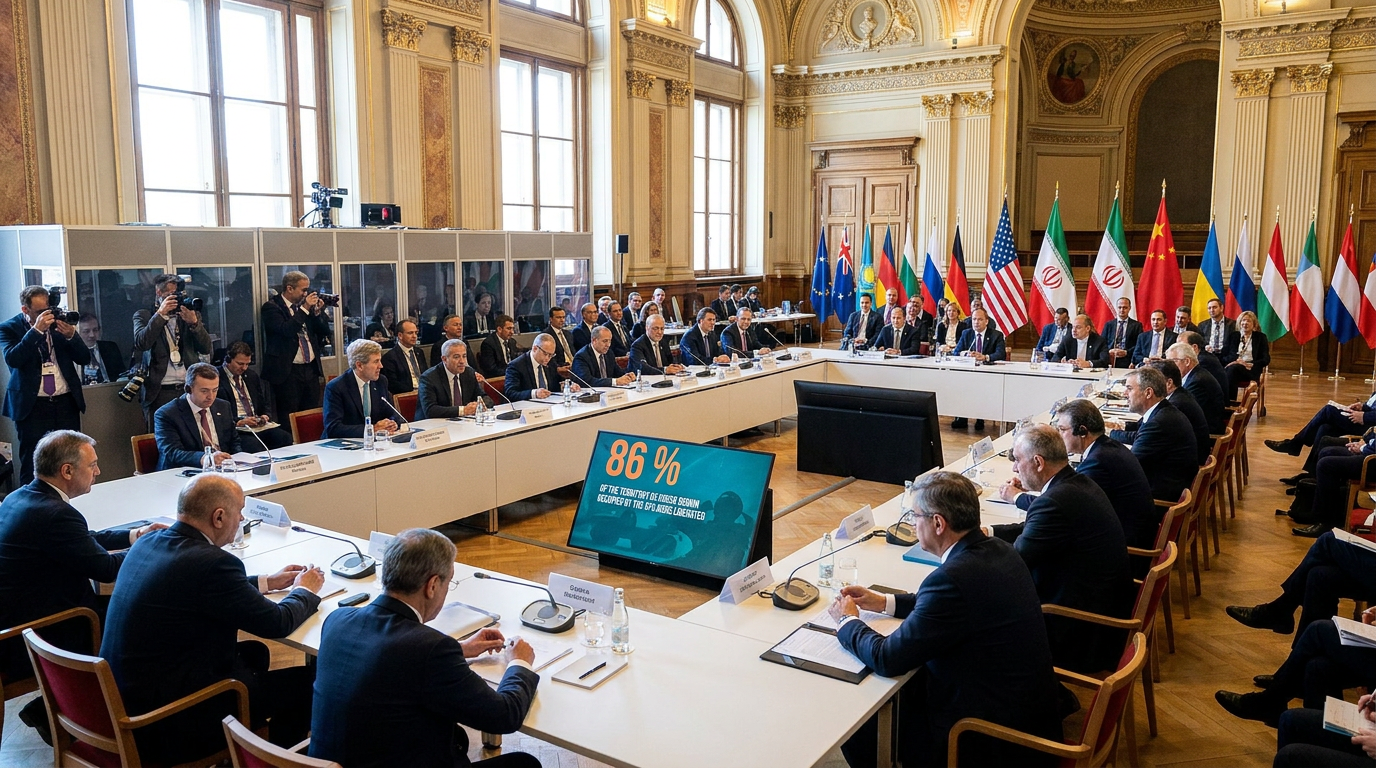
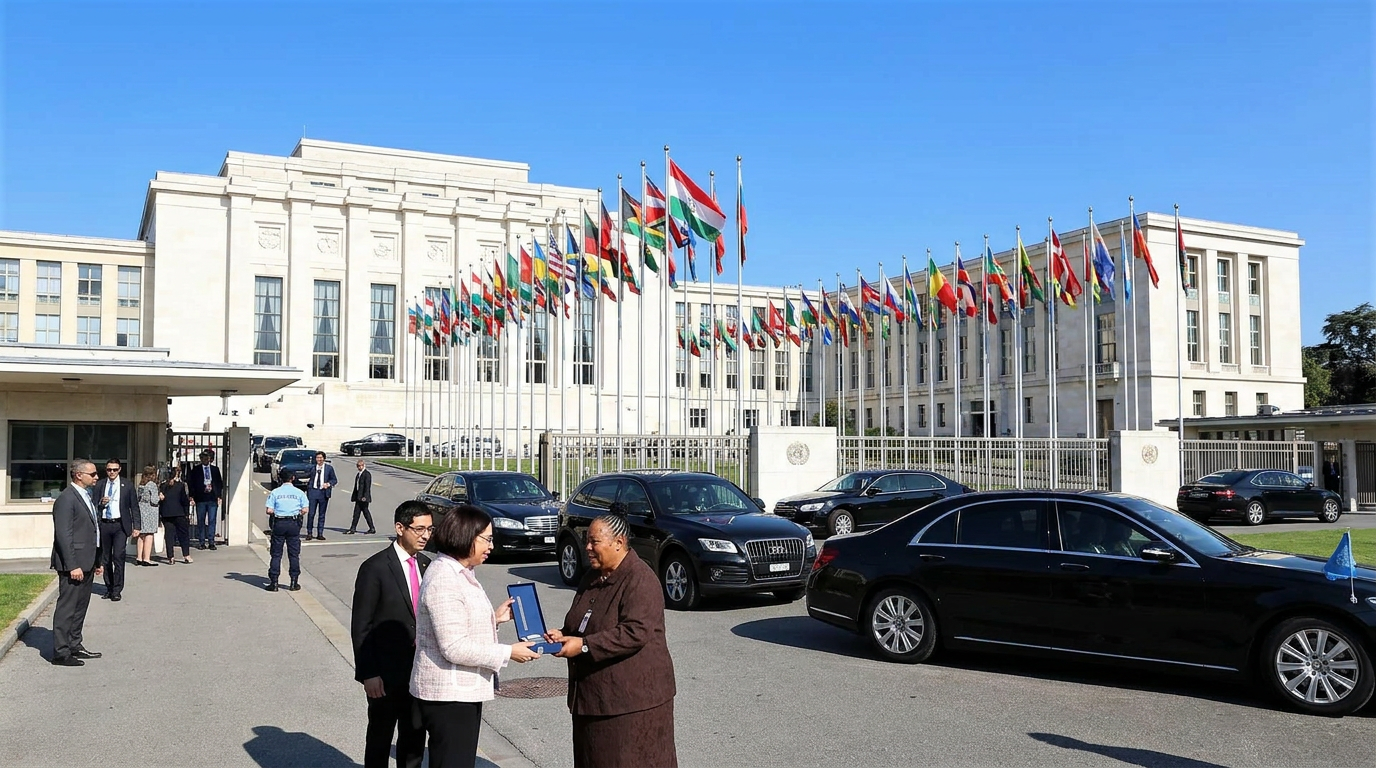
U.S. and Iranian delegations have commenced face-to-face negotiations in Geneva aimed at securing an initial peace agreement and stabilizing the Middle East. The talks follow severe regional escalations, including clashes in Lebanon and threats to the Strait of Hormuz.
By Factlen Editorial Team
- Diplomatic Pragmatists
- Argue that direct negotiations are the only viable path to prevent a catastrophic regional war and stabilize global energy markets.
- Regional Security Skeptics
- Believe Iran is using the talks to buy time and that proxy groups will continue to destabilize the region regardless of any signed agreement.
- Economic Stakeholders
- Primarily concerned with the immediate reopening of the Strait of Hormuz to ensure the free flow of global trade and prevent oil price spikes.
What's not represented
- · Lebanese civilians affected by the border clashes
- · European energy importers reliant on the Strait of Hormuz
Why this matters
A successful 60-day roadmap could reopen the Strait of Hormuz, stabilizing global energy prices, and prevent a broader regional war involving Israel, Lebanon, and U.S. forces. Failure could rapidly accelerate military confrontations across multiple Middle Eastern fronts.
Key points
- U.S. and Iranian delegations have begun historic face-to-face talks in Switzerland.
- The negotiations focus on a 60-day roadmap to freeze hostilities and secure maritime trade.
- Israel has limited military actions in Lebanon to support the diplomatic effort.
- Israeli leaders warn that Iran-backed proxies are actively trying to sabotage the peace process.
- The talks follow Iranian claims of shutting down the critical Strait of Hormuz.
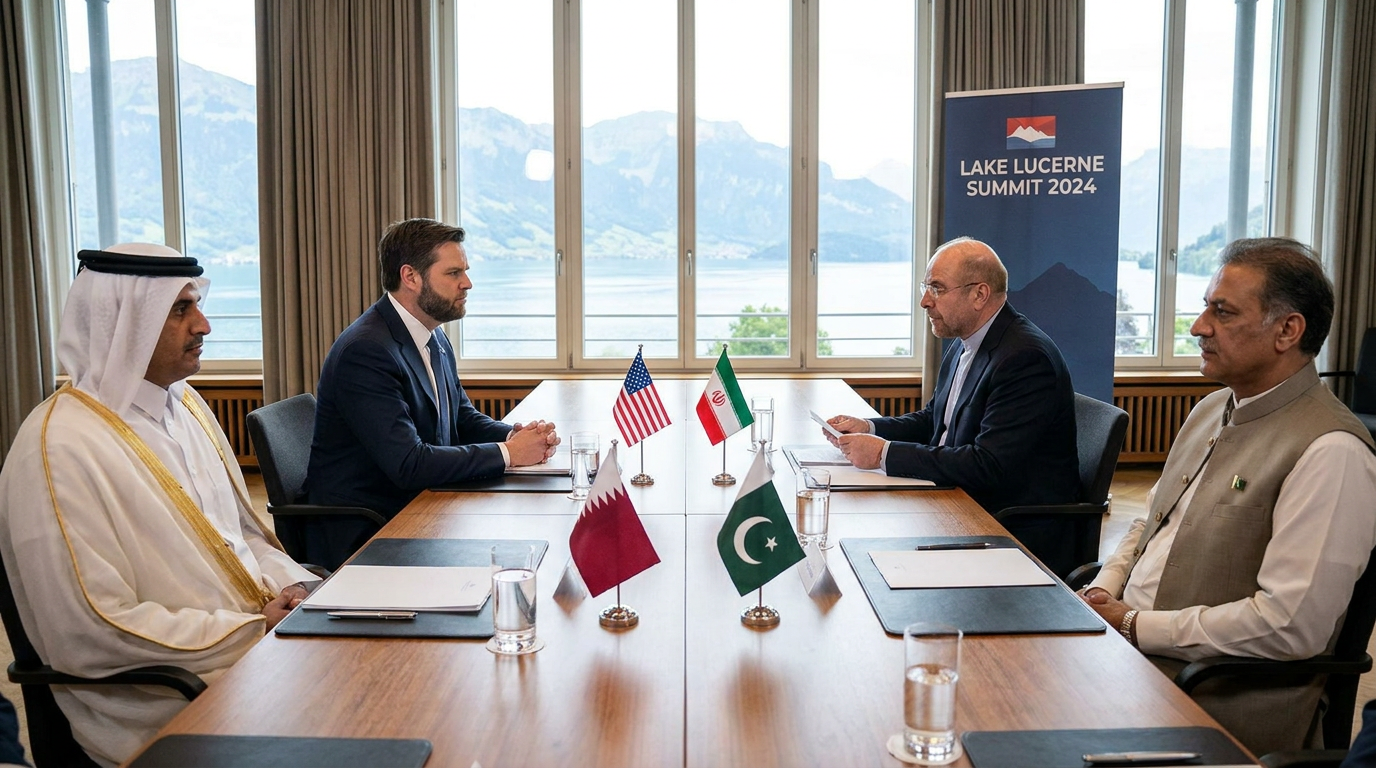
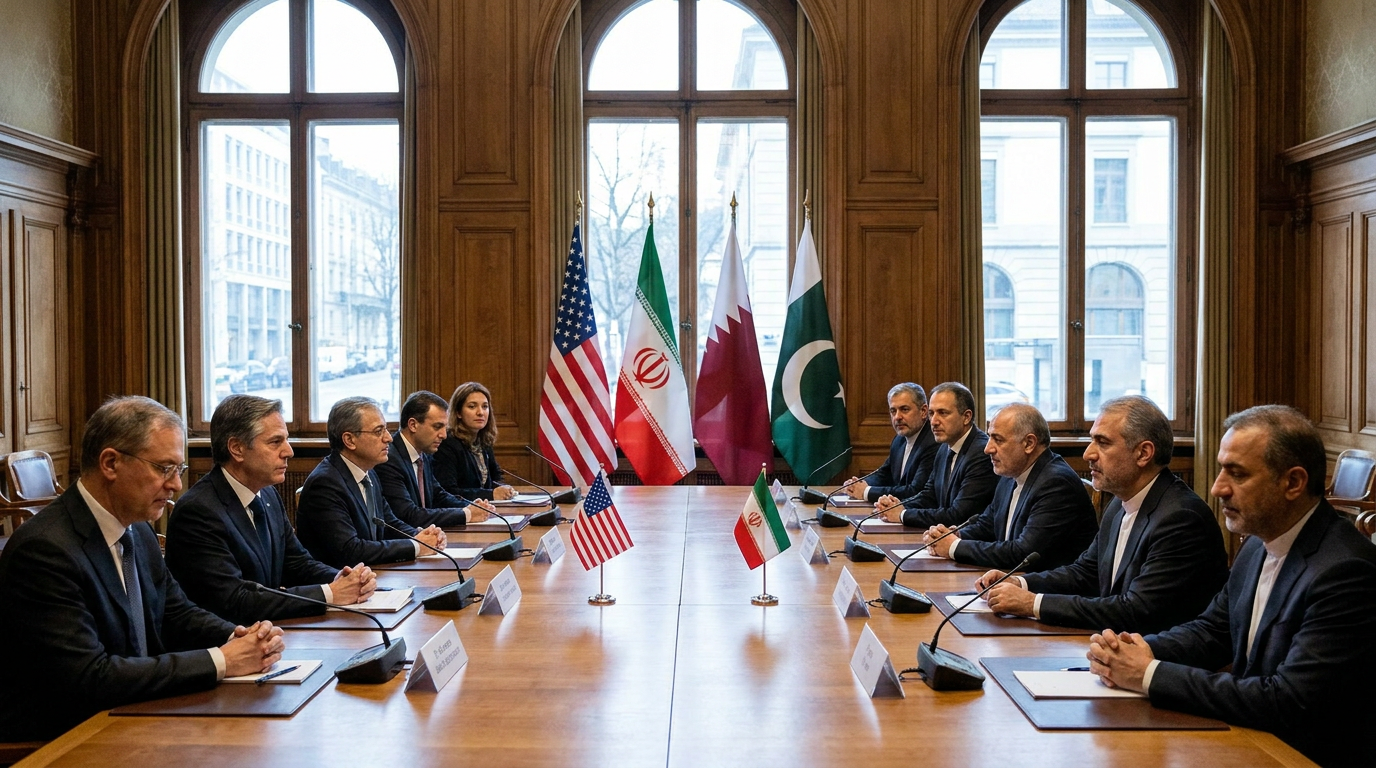
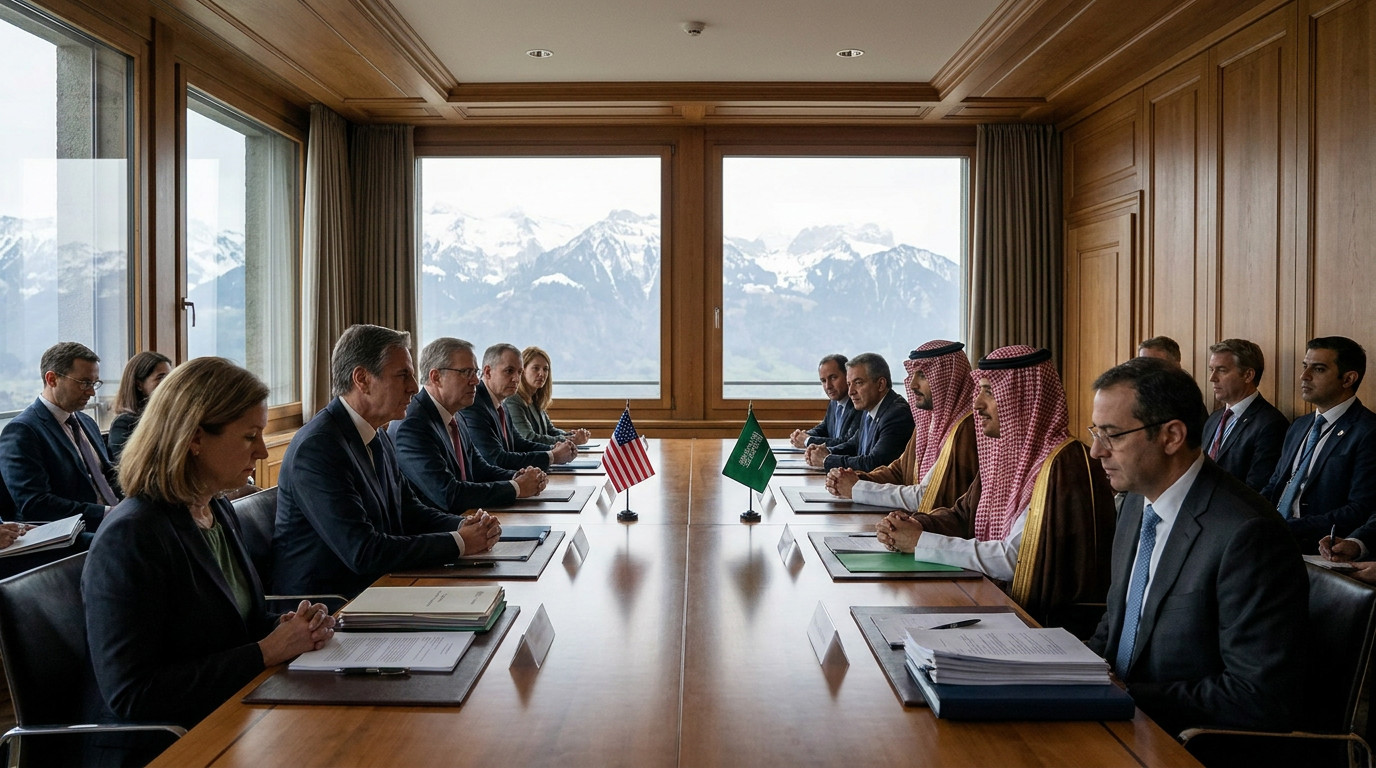
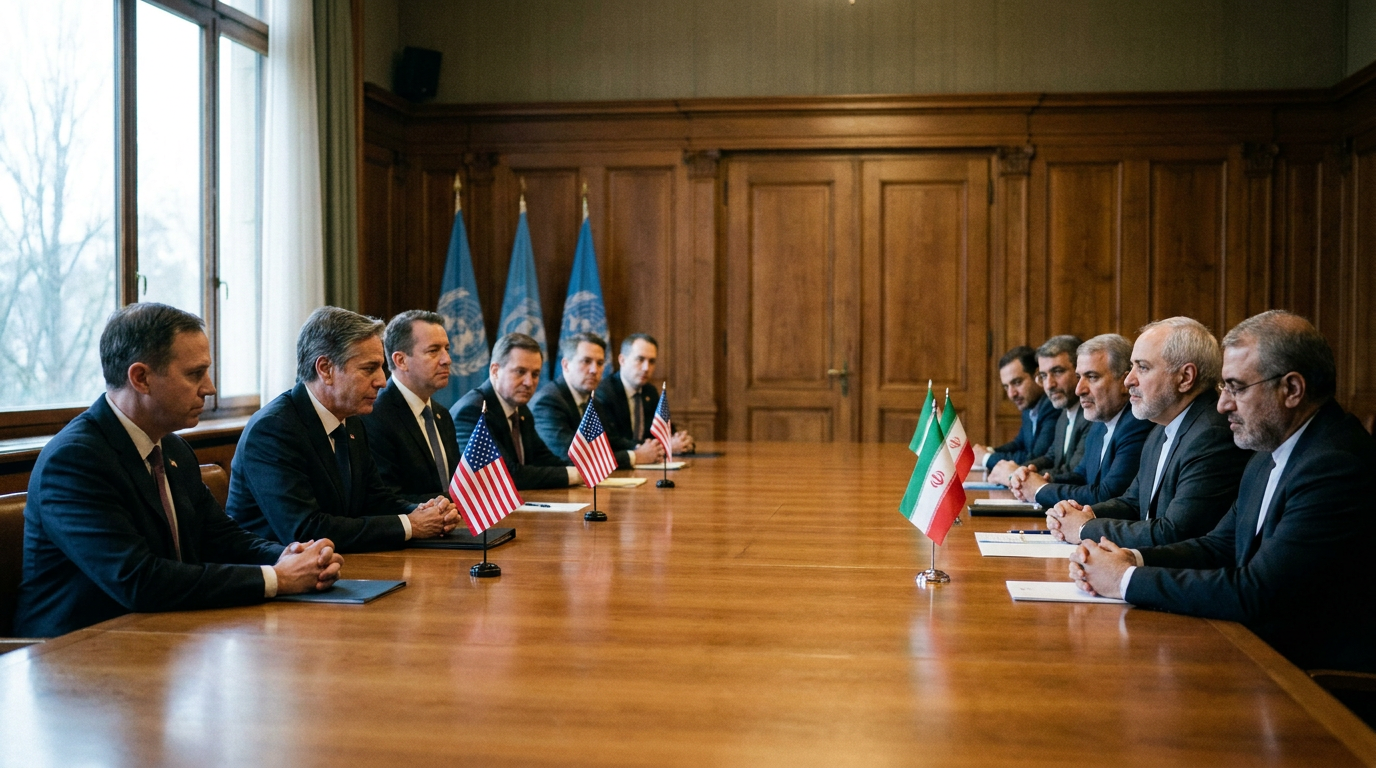
U.S. and Iranian delegations have officially opened face-to-face talks in Switzerland, launching a high-stakes diplomatic effort to halt a spiraling regional conflict. The summit centers on a proposed 60-day roadmap designed to freeze hostilities and establish a framework for a broader peace agreement. The direct negotiations mark a sharp departure from years of indirect mediation, signaling the urgency both nations place on avoiding a full-scale war.[1][2]
The U.S. delegation, led by JD Vance, arrived in Geneva amid intense security and global scrutiny. The decision to engage directly with Tehran follows a period of severe economic and military brinkmanship that has threatened to destabilize the entire Middle East. Diplomats from both sides are operating under immense pressure to deliver a workable de-escalation framework before the window for a peaceful resolution closes.[2][4]
Tensions reached a boiling point in recent weeks when Tehran claimed to have shut down the Strait of Hormuz. The strait is a critical maritime chokepoint that handles roughly a fifth of the world's daily oil consumption, and any prolonged closure threatens to send global energy markets into a tailspin. Securing guarantees for the unhindered flow of commercial shipping through the Persian Gulf is a primary objective for the U.S. delegation.[2][6]

The ripple effects of the summit are already visible on the ground in the Levant. In a coordinated gesture to give the Swiss talks breathing room, the Israeli government directed its military to limit operations in southern Lebanon. The border region has been the site of intense, ongoing clashes between Israeli forces and Hezbollah, threatening to open a devastating second major front in the region.[3]
The ripple effects of the summit are already visible on the ground in the Levant.
Despite the tactical pause, Israeli leadership remains deeply skeptical of Tehran's intentions. Israeli President Isaac Herzog publicly warned that Iran-backed proxy groups are actively attempting to sabotage the Lebanon peace process. Herzog's comments underscore the fragility of the current diplomatic push, highlighting fears that Iran may be using the Geneva talks to buy time while its allied militias rearm and reposition.[4]
The core of the current negotiation is the 60-day roadmap. While the full text remains classified, diplomatic sources indicate it requires simultaneous, verifiable concessions. Iran would be expected to halt its disruptions of maritime trade and rein in proxy attacks, while the U.S. and its allies would likely pause certain targeted sanctions and adjust their military posture in the region to lower the temperature.[1][2]

The talks carry significant domestic political weight in the United States, where the approach to Iran remains deeply polarized. The decision to negotiate directly has drawn sharp commentary from across the political spectrum, with critics questioning the administration's leverage and comparing the current strategy unfavorably to past diplomatic efforts. The outcome in Geneva will likely become a major flashpoint in U.S. foreign policy debates.[5]
Over the next 48 hours, working groups in Geneva will attempt to finalize the technical mechanisms for monitoring the 60-day freeze. If successful, the initial deal could pave the way for a broader, more comprehensive summit later this year. However, if the talks collapse, military officials and regional analysts warn that the Middle East could rapidly slide into an uncontrollable, multi-front conflict with devastating global economic consequences.[1][2][3]
How we got here
Early 2026
Clashes between Israeli forces and Hezbollah escalate along the Lebanon border.
Recent weeks
Iran claims to have shut the Strait of Hormuz, causing panic in global energy markets.
June 21, 2026
U.S. and Iranian delegations begin direct face-to-face talks in Switzerland.
Viewpoints in depth
U.S. Administration's View
Seeking to stabilize global markets and prevent a wider war through pragmatic diplomacy.
The U.S. delegation views the 60-day roadmap as a necessary circuit-breaker. By engaging directly with Tehran, the administration hopes to secure immediate guarantees for maritime shipping in the Strait of Hormuz and prevent the localized conflict in Lebanon from spiraling into a regional war that could draw in U.S. forces. Proponents argue that while the talks are politically risky, the alternative—a multi-front conflict and skyrocketing energy prices—is unacceptable.
Israeli Leadership's View
Skeptical of Iran's sincerity, viewing the talks as a stalling tactic while proxy groups rearm.
While Israel has agreed to a tactical pause in Lebanon to give the Swiss talks a chance, its leadership remains deeply distrustful of the process. Officials, including President Isaac Herzog, argue that Iran is using the negotiations to relieve economic pressure while simultaneously directing proxy groups like Hezbollah to continue their attacks. From this perspective, any deal that does not permanently dismantle proxy capabilities is merely delaying an inevitable confrontation.
Tehran's View
Leveraging its control over maritime chokepoints to force sanctions relief and assert regional dominance.
For Iran, the talks represent an opportunity to translate its recent military posturing into tangible economic relief. By demonstrating its ability to disrupt the Strait of Hormuz and project power through regional proxies, Tehran believes it has forced the U.S. to the negotiating table on more favorable terms. The Iranian delegation is likely seeking immediate sanctions relief and a reduction of the U.S. military footprint in the Persian Gulf in exchange for a temporary freeze in hostilities.
What we don't know
- Whether Iran's proxy groups in Lebanon and elsewhere will adhere to a ceasefire negotiated in Geneva.
- The specific concessions the U.S. has offered regarding economic sanctions.
- How global oil markets will react if the 60-day roadmap fails to materialize.
Key terms
- Strait of Hormuz
- A narrow waterway between the Persian Gulf and the Gulf of Oman through which roughly 20% of the world's oil passes.
- Proxy Groups
- Armed organizations, such as Hezbollah in Lebanon, that receive funding, training, and direction from a larger state power.
Frequently asked
Why are the U.S. and Iran meeting now?
The talks were triggered by escalating regional conflicts, including intense fighting in Lebanon and Iranian threats to global shipping in the Strait of Hormuz.
What is the 60-day roadmap?
It is a proposed framework to freeze hostilities, ensure maritime security, and provide a stable window for negotiating a longer-term peace agreement.
How is Israel reacting to the talks?
Israel has temporarily limited military actions in Lebanon to allow for diplomacy, though its leaders remain highly skeptical of Iran's intentions and warn of proxy sabotage.
Sources
Source coverage
6 outlets
3 viewpoints surfaced





[1]Al JazeeraDiplomatic Pragmatists
Iran-U.S. launch historic peace talks with 60-day roadmap
Read on Al Jazeera →[2]BBCDiplomatic Pragmatists
US and Iran begin talks on initial peace deal in Switzerland
Read on BBC →[3]NYTRegional Security Skeptics
Israel directs its military to limit its actions in Lebanon, though tensions persist.
Read on NYT →[4]Fox NewsRegional Security Skeptics
Iran-backed proxies sabotaging Lebanon peace as JD Vance leads US delegation to Switzerland, Herzog says
Read on Fox News →Bill Maher mocks Trump over Iran, asks what happened to 'The Art of the Deal'
Read on Fox News →[6]U.S. Energy Information AdministrationEconomic Stakeholders
The Strait of Hormuz is the world's most important oil transit chokepoint
Read on U.S. Energy Information Administration →
More in news politics
See all 8 stories →Middle East Diplomacy
U.S. and Iran Open Historic Peace Talks in Switzerland with 60-Day Roadmap
8 sources
Middle East Diplomacy
U.S. and Iran Open Historic Peace Talks in Switzerland with 60-Day Roadmap
6 sources
US-Iran Relations
Historic US-Iran Peace Talks Open in Switzerland with 60-Day Roadmap Amid Lebanon Tensions
8 sources
Middle East Diplomacy
U.S. and Iran Open Historic Peace Talks in Switzerland with 60-Day Roadmap
6 sources
Every angle. Every day.
Get news politics stories with full source coverage and perspective breakdowns delivered to your inbox.