
‘Toy Story 5’ Opens Globally to Universal Acclaim for Bridging the Digital Divide
Pixar's highly anticipated sequel is tracking for a massive $130 million opening weekend, earning rave reviews for its nuanced, emotional exploration of classic toys competing with modern screen time.
By Factlen Editorial Team
- Film Critics & Industry Analysts
- Focus on the film's box office impact, animation quality, and Pixar's successful return to form.
- Tech & Culture Commentators
- Praise the film's nuanced, non-judgmental exploration of childhood screen time and digital play.
- General Audiences
- Celebrate the emotional resonance, nostalgia, and family-friendly entertainment value.
What's not represented
- · Child psychologists and early childhood educators evaluating the film's depiction of healthy digital boundaries.
- · Executives from major tech companies reacting to the personification of their devices on the big screen.
Why this matters
For millions of families navigating the daily friction of screen time, the film provides a shared, empathetic framework to discuss digital habits. Beyond its massive economic boost to the theatrical industry, it transforms a generational parenting anxiety into a unifying, positive cultural moment.
Key points
- Toy Story 5 opened globally on June 19, 2026, tracking for a massive $130 million domestic opening weekend.
- The plot centers on classic toys competing for attention against modern tablet computers and electronic games.
- Critics and audiences have universally praised the film for its nuanced, non-judgmental approach to the screen-time debate.
- The movie earned a rare A+ CinemaScore, indicating exceptional word-of-mouth and strong multi-generational appeal.
- The release marks a triumphant return to form for Pixar, showcasing groundbreaking advancements in their animation rendering technology.
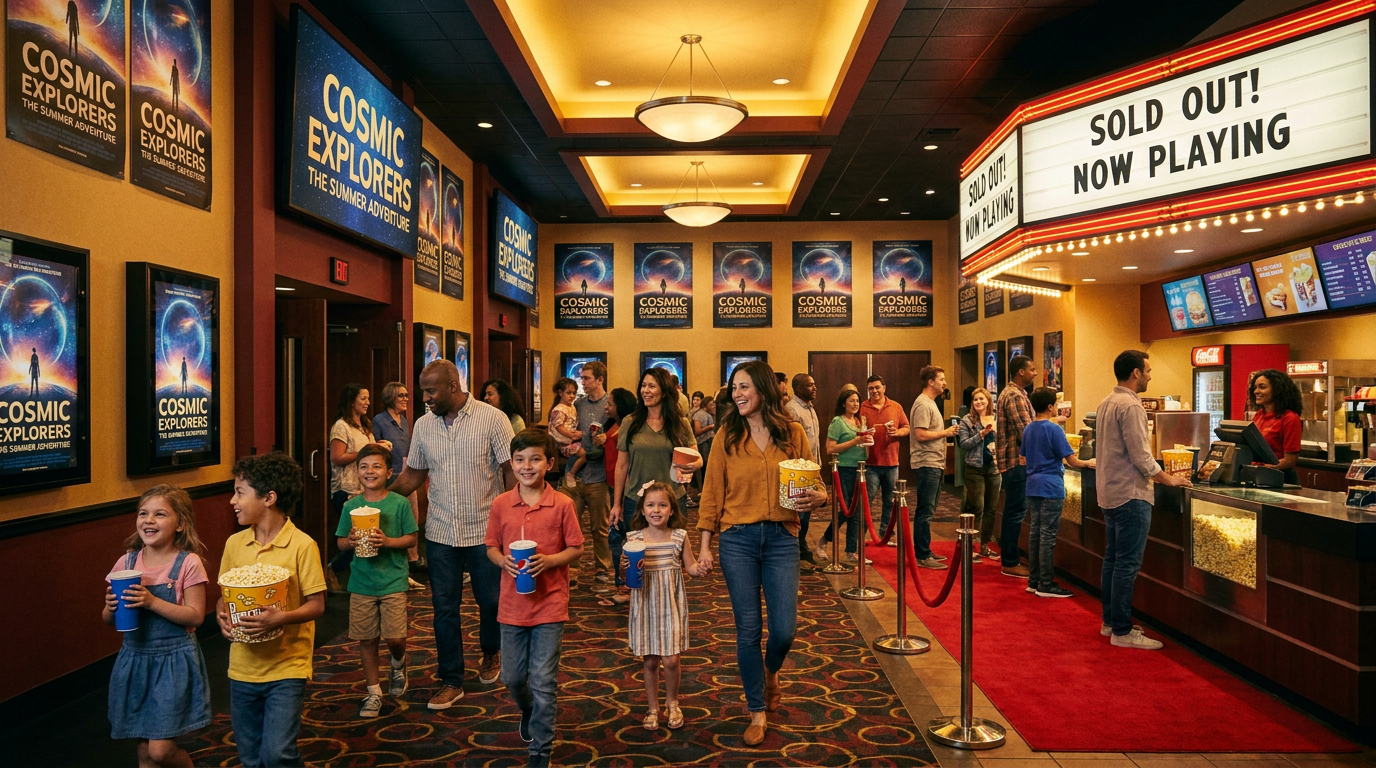
Today marks the highly anticipated global theatrical release of Toy Story 5, the latest and arguably most ambitious installment in Pixar Animation Studios' crown-jewel franchise. Arriving in cinemas worldwide on June 19, 2026, the film is already tracking for a colossal $130 million domestic opening weekend, a figure that promises to revitalize the summer box office. Beyond the impressive financial projections, the movie is drawing universal acclaim from early press screenings and opening-day audiences. The release is being hailed across the industry as a major cultural event, drawing massive crowds of families, teenagers, and nostalgic adults alike to multiplexes, eager to reunite with some of cinema's most beloved animated characters.[1][3]
Directed by Pixar veteran Andrew Stanton, the film introduces a deeply modern and universally relatable conflict: Woody, Buzz Lightyear, and the rest of the iconic toy box gang find their very existence threatened not by a neighborhood garage sale or a chaotic daycare center, but by the glowing, irresistible allure of tablet computers and electronic games. As their kid becomes increasingly captivated by digital worlds, the physical toys must navigate their own obsolescence and figure out how to remain relevant in an era dominated by touchscreens. This premise strikes at the heart of a ubiquitous modern parenting dilemma, elevating the narrative from a simple adventure to a poignant commentary on how childhood itself has fundamentally transformed over the past decade.[2][4]
Rather than leaning into a heavy-handed, anti-technology sermon, the film has been widely praised by critics and cultural commentators for its surprisingly nuanced approach. Reviewers note that the script deliberately avoids demonizing the electronic devices or the children who use them. Instead, it acknowledges the genuine creativity, global connection, and interactive joy that digital play can offer. The narrative ultimately advocates for a healthy, realistic balance between physical imagination and screen time, showing how tactile toys and digital tools can complement rather than destroy one another. This empathetic framing has been highlighted as a masterstroke, preventing the film from feeling like a scolding lecture and allowing its emotional beats to land with authentic resonance.[4][7]

The massive opening weekend projections are a deeply welcome sign for the theatrical exhibition industry, which has increasingly relied on established, high-quality family IP to drive consistent foot traffic. Industry analysts suggest that Toy Story 5 is uniquely benefiting from a powerful multi-generational draw. It is successfully pulling in millennial parents—who grew up with the groundbreaking 1995 original—alongside their Gen Alpha children, who are experiencing the franchise's magic on the big screen for the first time. This dual demographic appeal is a rare commodity in modern Hollywood, and theater owners are already reporting sold-out premium large-format screenings across the country.[1][3]
Critical reviews have been overwhelmingly positive, with many major outlets calling the sequel a triumphant return to form for the legendary animation studio. The visual presentation, in particular, has been singled out as a breathtaking masterpiece. Pixar reportedly overhauled its proprietary rendering engine specifically for this film, allowing animators to brilliantly contrast the soft, worn, tactile textures of the classic toys with the sleek, hyper-illuminated, and reflective surfaces of modern electronics. The resulting imagery is both visually striking and thematically purposeful, using the very physics of light and shadow to underscore the central conflict between the analog and digital worlds.[5][6]
Critical reviews have been overwhelmingly positive, with many major outlets calling the sequel a triumphant return to form for the legendary animation studio.
At its core, the film retains the franchise's signature emotional intelligence, refusing to shy away from difficult feelings. By exploring profound themes of obsolescence, adaptation, and the inevitability of change, the narrative resonates deeply with adult audiences who are navigating the rapid, often overwhelming pace of technological advancement in their own lives and careers. The toys' struggle to find their place in a changing ecosystem mirrors the anxieties of a modern workforce and society, proving once again that Pixar's greatest strength lies in using colorful, family-friendly avatars to process complex, universal human emotions.[2][6]

Early audience metrics strongly reflect this critical consensus, pointing to a massive word-of-mouth hit. The film earned a remarkably rare A+ CinemaScore from opening day crowds, a grade that historically indicates exceptional audience satisfaction and incredibly long legs at the box office throughout the competitive summer season. Exit polls show that viewers are leaving theaters not just entertained, but deeply moved, with many parents reporting that the film sparked immediate, healthy conversations with their children about their own relationships with technology and playtime.[8]
Technology and culture writers have expressed profound relief at the film's deft handling of the often-toxic 'iPad kid' discourse. By personifying the electronic devices not as malicious, soulless villains but as misunderstood tools of a new, rapidly evolving era, the story actively fosters empathy rather than generational division. Commentators have praised the filmmakers for recognizing that technology is a permanent fixture in modern childhood, and that teaching children how to integrate it healthily is far more productive than attempting to banish it entirely. This progressive stance has earned the film accolades from tech journalists who are often critical of Hollywood's tendency to rely on technophobic tropes.[7]
The successful launch of this sequel marks a significant milestone for Pixar, definitively proving that their oldest and most cherished franchise still possesses the creative elasticity to address highly contemporary issues. It demonstrates that the core premise—the secret, emotional life of toys—remains an incredibly potent and versatile vehicle for exploring the human condition. By taking a massive creative risk and directly confronting the very technology that threatens traditional toys, the studio has managed to breathe fresh, vital life into characters that audiences have known for over three decades.[3][5]

As millions of families flock to theaters this weekend, Toy Story 5 stands as a powerful testament to the enduring, unifying power of shared cinematic experiences. In an increasingly fragmented media landscape, it offers a rare cultural moment where a single piece of entertainment successfully bridges the gap between the analog past and the digital future. By validating the anxieties of parents while celebrating the digital realities of children, the film leaves audiences both thoroughly entertained and deeply moved, cementing its status as the defining family movie of the year.[1][4]
How we got here
Nov 1995
The original Toy Story is released, becoming the first entirely computer-animated feature film.
Jun 2019
Toy Story 4 opens to critical acclaim, seemingly concluding Woody's character arc.
Feb 2023
Disney CEO Bob Iger officially announces that Toy Story 5 is in development.
Aug 2024
Pixar reveals the film's core conflict—toys versus electronics—at the D23 Expo.
Jun 19, 2026
Toy Story 5 opens globally in theaters to massive box office projections and universal praise.
Viewpoints in depth
Film Critics & Industry Analysts
Focusing on the film's box office impact and Pixar's successful return to form.
Industry watchers view the $130 million opening projection as a vital shot in the arm for both Pixar and the broader theatrical exhibition sector. After a period of uneven box office returns for original animated features, analysts argue that leaning on a legacy franchise was a necessary financial stabilizer. However, critics emphasize that the studio avoided the trap of a lazy cash-grab, instead delivering a visually stunning and emotionally resonant film that justifies its existence beyond the balance sheet.
Tech & Culture Commentators
Praising the film's nuanced, non-judgmental exploration of childhood screen time.
For cultural commentators, the film's greatest triumph is its refusal to vilify modern technology. Early apprehensions that the plot would devolve into a boomer-esque 'screens are bad' lecture were quickly dispelled. Instead, tech writers have lauded the narrative for acknowledging the genuine creativity, connection, and joy that digital platforms can provide to children, advocating for a holistic approach to play where iPads and wooden cowboys can peacefully coexist.
Parents & General Audiences
Celebrating the emotional resonance, nostalgia, and family-friendly entertainment value.
The rare A+ CinemaScore reflects a deep emotional connection from opening day crowds, particularly millennial parents who grew up with the original 1995 film. For this demographic, the movie serves as a poignant bridge between their own analog childhoods and the digital realities of their Gen Alpha children. Audiences have praised the film for sparking healthy, open conversations at home about screen time, all while delivering the humor and heart expected from the franchise.
What we don't know
- Whether the massive opening weekend projections will translate into sustained, record-breaking global box office legs throughout the competitive summer season.
- How the film's nuanced message about screen time will influence broader cultural conversations and parenting strategies regarding digital play.
- If this definitively marks the final chapter for Woody and Buzz, or if the franchise will continue to evolve alongside future technological shifts.
Key terms
- CinemaScore
- A market research firm that surveys film audiences on opening night to grade their viewing experience, widely used to predict a movie's box office longevity.
- Gen Alpha
- The demographic cohort succeeding Generation Z, generally encompassing children born from the early 2010s to the mid-2020s, who have grown up entirely in the tablet era.
- Rendering Engine
- The software used by animation studios to calculate the light, shadow, and texture of 3D models to produce the final frames of a film.
Frequently asked
What is the main plot of Toy Story 5?
Woody, Buzz, and the gang must figure out how to remain relevant when their kid becomes captivated by tablet computers and electronic games.
Who directed Toy Story 5?
Pixar veteran Andrew Stanton, known for directing Finding Nemo and WALL-E, helmed the project.
Is the movie anti-technology?
No. Critics have praised the film for its nuanced approach, showing the value of both physical toys and digital creativity rather than simply demonizing screens.
Sources
Source coverage
8 outlets
3 viewpoints surfaced








[1]VarietyFilm Critics & Industry Analysts
‘Toy Story 5’ Opens to Massive $130M Projections as Pixar Finds the Heart in the Digital Age
Read on Variety →[2]The Hollywood ReporterFilm Critics & Industry Analysts
Review: 'Toy Story 5' Masterfully Bridges the Gap Between Classic Toys and Screen Time
Read on The Hollywood Reporter →[3]ForbesTech & Culture Commentators
Why 'Toy Story 5' is the Most Important Family Movie of 2026
Read on Forbes →[4]The New York TimesTech & Culture Commentators
In ‘Toy Story 5,’ Pixar Tackles the iPad Era With Grace and Humor
Read on The New York Times →[5]IGNFilm Critics & Industry Analysts
Toy Story 5 Review: A Triumphant Return That Proves the Franchise Still Has Plenty of Magic
Read on IGN →[6]The GuardianFilm Critics & Industry Analysts
Toy Story 5 review – Woody and Buzz’s digital battle is a poignant triumph
Read on The Guardian →[7]WiredTech & Culture Commentators
How Toy Story 5 Avoided the 'Screens Are Bad' Cliché to Deliver a Modern Masterpiece
Read on Wired →[8]CinemaScoreGeneral Audiences
Toy Story 5 Earns Rare A+ CinemaScore on Opening Day
Read on CinemaScore →
Every angle. Every day.
Get entertainment stories with full source coverage and perspective breakdowns delivered to your inbox.