
The Quiet Revolution: How Sensory-Friendly Dining is Reshaping the Restaurant Industry
From fast-casual chains to fine-dining establishments, restaurants are increasingly adopting sensory-friendly hours and neuro-inclusive designs to accommodate guests seeking calmer environments.
By Factlen Editorial Team
- Neurodivergent Advocates
- Pushing for permanent, universal inclusive design rather than isolated quiet hours.
- Restaurant Operators
- Balancing the costs of retrofitting with the benefits of a loyal new customer base.
- General Diners & Designers
- Embracing quieter spaces as an antidote to modern sensory overload and digital fatigue.
What's not represented
- · Front-of-house staff managing the operational flow during quiet hours
- · Architects specializing in acoustic engineering for hospitality
Why this matters
For millions of neurodivergent individuals and their families, dining out has historically been an overwhelming, inaccessible experience. This industry-wide shift not only opens up public spaces to a marginalized demographic but also signals a broader cultural embrace of accessibility and mental well-being.
Key points
- The restaurant industry is increasingly adopting sensory-friendly hours and neuro-inclusive designs.
- Modifications include dimmed lighting, acoustic dampening, and fragrance-free environments.
- Fine dining establishments are joining family entertainment centers in offering quieter dining experiences.
- The trend caters to neurodivergent individuals, but also appeals to seniors and diners experiencing sensory fatigue.
- Advocates are pushing for permanent universal design rather than isolated 'quiet hours.'
For decades, the modern restaurant experience has been defined by a cacophony of sensory inputs. Clattering open kitchens, pulsating background music, vibrant neon signage, and tightly packed tables have long been the hallmarks of a buzzing dining room. But for millions of individuals with autism spectrum disorder, ADHD, or sensory processing sensitivities, this barrage of stimuli transforms a simple meal out into an overwhelming and inaccessible ordeal. Now, a quiet revolution is sweeping through the hospitality industry.[7]
Across the globe, an increasing number of dining establishments—ranging from sprawling family entertainment centers to intimate fine-dining venues—are rethinking their environments. They are introducing "sensory-friendly" hours and neuro-inclusive design principles aimed at creating calmer, more accommodating spaces. This shift represents a profound evolution in how the industry views accessibility, moving beyond wheelchair ramps to address the invisible barriers that keep neurodivergent guests from enjoying public spaces.[2][7]
The movement has gained significant traction in the family entertainment sector, where the need for inclusive spaces is acutely felt by parents of autistic children. Chuck E. Cheese, for example, has pioneered "Sensory Sensitive Sundays," opening participating locations early with dimmed lighting, lowered music, and reduced arcade noise. These dedicated hours provide a safe, judgment-free zone for children who might otherwise be unable to visit during regular, highly stimulating business hours.[1]
But the trend is no longer confined to children's venues. Fine dining establishments are increasingly recognizing that neurodivergent adults and families crave high-quality culinary experiences without the sensory assault. In suburban Chicago, the acclaimed Prairie Grass Cafe recently launched dedicated sensory-friendly dinner services. By opening early, eliminating background music, dimming the lights, and spacing out reservations, the restaurant created a tranquil environment where guests were encouraged to bring noise-canceling headphones and fidget tools.[4]

The response to these initiatives has been overwhelmingly positive, highlighting a massive, previously underserved demographic. Operators report that families who had entirely given up on dining out are returning, often becoming fiercely loyal patrons. This aligns with broader industry forecasts for 2026, which indicate that consumers are increasingly prioritizing comfort, wellness, and inclusive values when choosing where to spend their dining dollars.[6]
The response to these initiatives has been overwhelmingly positive, highlighting a massive, previously underserved demographic.
As the concept matures, the focus is shifting from temporary "quiet hours" to permanent, neuro-inclusive architectural design. Modern restaurant developers are now integrating sensory-friendly elements into their blueprints from day one. This includes the strategic use of acoustic panels and absorptive booths to mitigate the harsh echoes that bounce off trendy concrete floors and exposed brick walls.[3]
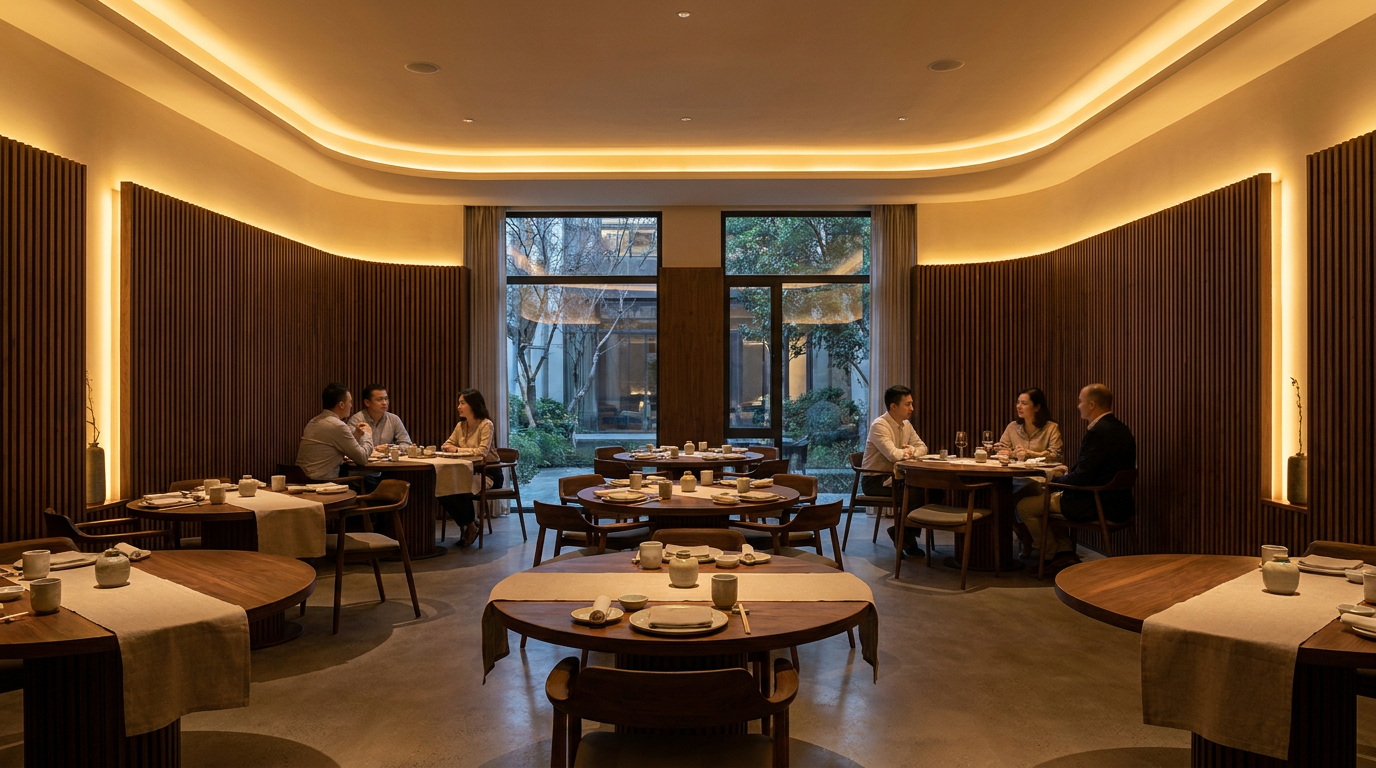
Lighting is another critical frontier. Harsh, flickering fluorescent bulbs and glaring overhead LEDs are known triggers for individuals with sensory sensitivities and epilepsy. In response, designers are pivoting toward softer alternatives like cove lighting, which conceals the direct light source and bathes the room in a gentle, indirect glow. Some progressive establishments are even installing individual table lamps with adjustable dimmers, granting guests personal control over their immediate visual environment.[3][5]
The sensory experience of dining extends far beyond sights and sounds; smell and taste are equally potent triggers. Artificial air fresheners and poorly ventilated kitchens can create an olfactory overload. To combat this, sensory-friendly restaurants are investing in advanced grill ventilation systems, establishing fragrance-free zones, and ensuring that cleaning products are unscented.[5]

Menu design is also undergoing an inclusive overhaul. Unpredictable textures and surprise ingredients can cause significant distress for diners with taste sensitivities. Restaurants are combating this by offering highly detailed, literal menu descriptions and utilizing clear visual indicators for allergens and flavor profiles. Furthermore, printing physical menus in accessible, sans-serif fonts like Calibri helps accommodate guests with dyslexia, while digital QR-code ordering systems provide a low-interaction alternative for those who find speaking to servers overstimulating.[3][5]
Crucially, the physical modifications are only half the equation. The success of a sensory-friendly restaurant relies heavily on staff training and empathy. Hospitality workers are increasingly receiving education on neurodiversity, learning how to recognize signs of sensory overload, and understanding how to accommodate special requests—such as serving sauces on the side or expediting orders—without judgment or friction.[4][7]
Interestingly, the benefits of this quieter, gentler approach are spilling over into the broader population. In an era characterized by digital fatigue and constant connectivity, neurotypical diners are also seeking out less aggressive environments. Seniors yearning for a peaceful meal, professionals looking to decompress after a chaotic workday, and couples desiring genuine conversation are all gravitating toward restaurants that prioritize tranquility over buzz.[2]

Ultimately, the rise of sensory-friendly dining signals a maturing hospitality industry that recognizes the profound value of true inclusivity. By lowering the volume and softening the lights, restaurants are doing more than just changing their ambiance; they are opening their doors to a vibrant community that has spent far too long eating at home. As this trend continues to accelerate through 2026, the definition of a "good atmosphere" is being permanently rewritten to mean an environment where absolutely everyone can pull up a chair.[7]
How we got here
2019
Early discussions around sensory-friendly spaces begin gaining traction, primarily in retail stores and movie theaters.
2023
Independent fine-dining establishments begin experimenting with dedicated sensory-friendly dinner services.
2024
Major retail and restaurant chains begin formalizing 'quiet hours' to accommodate a broader range of sensory needs.
2025
Family entertainment brands roll out nationwide sensory-sensitive initiatives during Autism Awareness Month.
2026
Neuro-inclusive design principles, such as acoustic dampening and adjustable lighting, become standard considerations in new restaurant construction.
Viewpoints in depth
Neurodivergent Advocates
Pushing for permanent, universal inclusive design.
Advocacy groups celebrate the introduction of sensory-friendly hours but stress that true inclusivity requires permanent structural changes. They argue that neurodivergent individuals shouldn't be restricted to dining out only on Sunday mornings or late afternoons. Instead, they champion universal design—incorporating acoustic dampening, adjustable lighting, and clear menu typography into the baseline architecture of all new restaurants, ensuring the space is accessible at any hour.
Restaurant Operators
Balancing the costs of retrofitting with the benefits of a loyal new customer base.
For restaurant owners, the shift toward sensory-friendly dining presents both an opportunity and a logistical challenge. Retrofitting an existing dining room with high-quality acoustic panels and advanced HVAC systems to eliminate odors can be expensive. However, operators who make the investment report a strong return in customer loyalty. Families who previously avoided dining out entirely are becoming dependable regulars, and the quieter atmosphere often leads to higher check averages as guests linger longer in a comfortable space.
General Diners
Embracing quieter spaces as an antidote to modern sensory overload.
The appeal of sensory-friendly dining has unexpectedly crossed over into the neurotypical population. In an era marked by constant digital connectivity and sensory fatigue, many diners are actively seeking out calmer environments. Seniors, professionals looking to decompress, and couples wanting to hold a conversation without shouting over club-level music are increasingly favoring restaurants that prioritize tranquility, proving that designing for the margins often improves the experience for the majority.
What we don't know
- Whether the upfront costs of acoustic retrofitting will prevent smaller, independent restaurants from adopting permanent sensory-friendly designs.
- How the integration of sensory-friendly elements will evolve as augmented reality and digital ordering become more prevalent in dining rooms.
Key terms
- Neurodivergent
- A non-medical term describing people whose brains develop or work differently, including those with autism, ADHD, and dyslexia.
- Sensory Processing Sensitivity
- A trait where individuals have a heightened nervous system response to physical, emotional, or social stimuli, such as loud noises or bright lights.
- Cove Lighting
- A form of indirect lighting built into ledges or recesses in a ceiling, providing a soft, diffused glow without exposing the actual light source.
- Universal Design
- The concept of designing environments and products so they can be accessed, understood, and used to the greatest extent possible by all people.
Frequently asked
What makes a restaurant sensory-friendly?
It typically involves lowering background music, dimming harsh lighting, spacing out tables to reduce crowding, and using acoustic panels to minimize echoing.
Who benefits from sensory-friendly dining?
While designed primarily for neurodivergent individuals, such as those with autism or ADHD, these environments also appeal to seniors, people with hearing impairments, and anyone seeking a quieter meal.
Are these changes permanent or just for special events?
Many restaurants start with dedicated "quiet hours," but there is a growing trend toward integrating permanent neuro-inclusive design elements, like better acoustics and adjustable lighting, into everyday operations.
Sources
Source coverage
7 outlets
3 viewpoints surfaced







[1]TrendHunterRestaurant Operators
Sensory-Inclusive Entertainment: Chuck E. Cheese Sensory Sensitive Sundays
Read on TrendHunter →[2]Troy MediaGeneral Diners & Designers
Sensory-friendly hours becoming a new trend among retailers and restaurants
Read on Troy Media →[3]Modern Restaurant ManagementGeneral Diners & Designers
Designing for Neurodiversity in Restaurants
Read on Modern Restaurant Management →[4]Restaurant BusinessRestaurant Operators
Prairie Grass Cafe launches sensory-friendly dining
Read on Restaurant Business →[5]PJP OnlineNeurodivergent Advocates
What is a Sensory Friendly Restaurant?
Read on PJP Online →[6]National Restaurant AssociationRestaurant Operators
2026 State of the Restaurant Industry
Read on National Restaurant Association →[7]Factlen Editorial TeamNeurodivergent Advocates
Synthesis by Factlen editorial team
Read on Factlen Editorial Team →

Every angle. Every day.
Get food drink stories with full source coverage and perspective breakdowns delivered to your inbox.