
The Paternal Brain: How Fatherhood Physically Rewires Men's Minds
Emerging neuroscientific research reveals that active fatherhood triggers structural brain changes and hormonal shifts, challenging the idea that only mothers are biologically primed for parenting.
By Factlen Editorial Team

- Neuroscientists & Researchers
- Focuses on the empirical evidence of brain plasticity and hormonal shifts, viewing fatherhood as a measurable biological event.
- Public Health & Policy Advocates
- Argues that this biological data necessitates systemic changes, particularly the implementation of robust paid paternity leave.
- Factlen Editorial Team
- Synthesizes the clinical data with the broader societal implications of redefining the maternal instinct.
What's not represented
- · Employers navigating the economic impact of extended paternity leave
- · Fathers in non-traditional or multi-generational caregiving setups
Why this matters
Understanding the biological reality of the 'paternal brain' validates the importance of active fathering and provides a powerful, science-backed argument for equitable paid paternity leave policies.
Key points
- Neuroscience reveals that fatherhood triggers structural brain changes and hormonal shifts similar to those seen in mothers.
- First-time fathers experience a 1-2% reduction in cortical volume, streamlining the brain for empathy and social cognition.
- Highly involved fathers see a significant drop in testosterone and a spike in bonding hormones like oxytocin and prolactin.
- Unlike mothers, a father's brain plasticity is heavily experience-dependent, triggered by active, hands-on caregiving.
- This biological evidence provides a strong scientific argument for the necessity of equitable paid paternity leave.
For generations, the concept of the "maternal instinct" has dominated our cultural understanding of early parenthood. Society has largely accepted that pregnancy and childbirth trigger profound biological transformations in mothers, hardwiring them for caregiving. Fathers, meanwhile, were often viewed as secondary figures whose transition to parenthood was primarily psychological and social. But a quiet revolution in neuroscience is rapidly dismantling this outdated binary. Advanced brain imaging and endocrinology are revealing that fatherhood is a deeply biological event for men, triggering structural brain changes and hormonal shifts that rival those seen in mothers.[6]
This paradigm shift is increasingly breaking into mainstream awareness. Recent discussions highlighted by NPR and The Washington Post have brought the "paternal brain" out of academic journals and into public discourse, emphasizing how men's brains physically rewire themselves after bringing home a new baby. The emerging consensus is clear: active fathering is not just a learned behavior, but a biologically supported state of being. By examining the evidence across multiple neuroimaging and hormonal studies, we can map exactly how the male brain adapts to the demands of raising a child.[1][2]
The most striking evidence for the paternal brain comes from longitudinal magnetic resonance imaging (MRI) studies. When neuroscientists scan the brains of first-time fathers before their partner's pregnancy and again after the baby is born, they observe significant structural alterations. Specifically, researchers have documented a 1% to 2% reduction in cortical volume—the outer layer of the brain—following the birth of a child. While "volume reduction" might sound alarming, neuroscientists emphasize that this is a highly beneficial process of neuroplasticity, akin to the brain streamlining its operations.[3]
This cortical pruning is not random; it is highly targeted. The volume reductions occur primarily in the Default Mode Network (DMN), a web of brain regions associated with mind-wandering, self-reflection, and social cognition. By pruning away less necessary synaptic connections in these areas, the brain becomes more efficient at processing social and emotional information. In the context of a new baby, this streamlined DMN enhances a father's ability to read subtle facial expressions, interpret different types of cries, and anticipate the infant's needs. The brain literally reshapes itself to prioritize empathy and vigilance.[3][5]

Crucially, these structural changes in fathers closely mirror the cortical pruning observed in new mothers, albeit generally to a slightly lesser degree. The fact that men undergo this physical rewiring without experiencing the massive physiological events of pregnancy and childbirth points to a fascinating evolutionary mechanism. It suggests that the human brain possesses a universal "parental caregiving network" that can be activated independently of gestation. The biological blueprint for nurturing is not exclusively female; it is a human trait waiting for the right environmental triggers to come online.[3][6]
Beyond structural rewiring, the transition to fatherhood is accompanied by profound neurochemical and hormonal shifts. The most well-documented of these is a significant drop in testosterone. Studies tracking men from the prenatal period through the first year of their child's life show that highly involved fathers experience an average testosterone reduction of up to 30%. From an evolutionary perspective, this hormonal dampening is thought to reduce aggression and mating-seeking behaviors, redirecting the father's energy and focus toward protecting and nurturing his vulnerable offspring.[4][5]
Beyond structural rewiring, the transition to fatherhood is accompanied by profound neurochemical and hormonal shifts.
As testosterone dips, other hormones critical for bonding surge. Oxytocin, often dubbed the "cuddle hormone" or "love hormone," spikes in fathers just as it does in mothers. In men, oxytocin levels rise significantly during interactive play and skin-to-skin contact with their infants. This hormonal surge reinforces the brain's reward circuits, making the exhausting work of parenting feel deeply satisfying. Furthermore, fathers experience increases in prolactin—a hormone traditionally associated with lactation in women, but which in men promotes nurturing behaviors and responsiveness to infant cries.[4]

The most empowering revelation from this body of research is the mechanism that drives these biological changes: active caregiving. Unlike mothers, whose initial brain changes are heavily primed by the endocrine tsunami of pregnancy, a father's neuroplasticity is highly experience-dependent. It is a dose-response relationship. The more time a father spends actively caring for his infant—changing diapers, soothing, feeding, and engaging in skin-to-skin contact—the more pronounced his brain and hormonal changes become. Biology follows behavior.[2][5]
This experience-dependent plasticity explains why the "paternal brain" is not guaranteed simply by biological conception. A father who is physically absent or entirely hands-off will not experience the same degree of cortical pruning or hormonal shifts as a highly engaged father. The brain requires the sensory input of the baby—the smell of their head, the sound of their cry, the tactile feedback of holding them—to trigger the neurobiological remodeling. This underscores the reality that fathers are literally made, not just born, through the daily work of parenting.[5][6]

The discovery of the caregiving feedback loop has profound implications for diverse family structures. Because the parental brain network is activated by the act of nurturing rather than the act of giving birth, adoptive fathers, stepfathers, and men in same-sex relationships exhibit the exact same neurobiological adaptations when they serve as primary or highly involved caregivers. The human brain's capacity for parental rewiring is remarkably flexible, prioritizing the survival and well-being of the child regardless of genetic lineage.[3][6]
Understanding the biological reality of fatherhood also sheds crucial light on paternal mental health. Just as the massive hormonal and neurological shifts of motherhood can trigger postpartum depression (PPD), the corresponding changes in fathers carry similar risks. Research indicates that up to 10% of new fathers experience paternal postpartum depression, often linked to the stress of the transition and the sharp drop in testosterone. By recognizing fatherhood as a biological event, the medical community is better equipped to screen for and treat paternal mental health struggles, which historically have been overlooked.[1][5]
The evidence pack surrounding the paternal brain extends far beyond individual health; it provides a formidable, science-backed argument for systemic policy change. For decades, paid paternity leave has been framed as a progressive perk or a tool for gender equality in the workplace. While those arguments remain valid, neuroscience adds a critical biological imperative. If a father's brain requires active, hands-on time with the infant to fully activate its caregiving networks, then denying men time off after birth actively hinders their biological transition to parenthood.[2][6]

Policies that force fathers back to work days after a child is born interrupt the crucial early window of neuroplasticity and hormonal bonding. Conversely, nations with robust, use-it-or-lose-it paid paternity leave policies are effectively giving families the time necessary to establish these lifelong biological and emotional foundations. The science suggests that equitable leave policies do not just support families logistically; they optimize the neurobiological development of the fathers themselves, leading to more engaged parenting long-term.[6]
Ultimately, the emerging science of the paternal brain offers a deeply uplifting message. It dismantles the myth of the bumbling, biologically detached father, replacing it with a portrait of profound male neuroplasticity. Men are biologically equipped to be deeply nurturing, empathetic, and attuned caregivers. By embracing the evidence that active fathering physically reshapes the mind, society can better support men in their transition to parenthood, fostering healthier fathers, happier children, and more resilient families.[1][6]
How we got here
2014
Early fMRI studies begin showing that primary-caregiving fathers exhibit brain activation patterns nearly identical to primary-caregiving mothers.
2022
International studies confirm longitudinal gray matter cortical volume reductions in first-time fathers, mirroring the 'pregnancy brain' effect.
2026
Mainstream media and public health advocates increasingly use paternal neuroscience to argue for systemic changes to paternity leave policies.
Viewpoints in depth
Neuroscientists & Researchers
Focuses on the empirical evidence of brain plasticity and hormonal shifts, viewing fatherhood as a measurable biological event.
For the scientific community, the discovery of the paternal brain fundamentally alters our understanding of human evolution and neuroplasticity. Researchers emphasize that the 'parental caregiving network' is a universal human trait, not a strictly female one. By using advanced MRI scans and longitudinal hormone tracking, they have proven that the male brain is highly malleable and designed to adapt to the demands of child-rearing. Their primary focus is on mapping exactly which neural pathways are pruned and how these physiological changes correlate with improved infant outcomes and paternal mental health.
Public Health & Policy Advocates
Argues that this biological data necessitates systemic changes, particularly the implementation of robust paid paternity leave.
Policy advocates view this neuroscientific data as the ultimate leverage for workplace reform. They argue that if a father's brain requires active, hands-on time with an infant to fully activate its caregiving networks, then denying men paid time off is a public health failure. From this perspective, paternity leave is not merely a lifestyle perk or a tool to help mothers return to work; it is a critical biological window. Advocates use this data to push lawmakers and corporations to adopt use-it-or-lose-it leave policies that allow fathers the time necessary to undergo these vital neurobiological adaptations.
What we don't know
- The exact long-term permanence of these structural brain changes as the child grows into adolescence and adulthood.
- How the degree of cortical pruning differs precisely between primary, secondary, and equally-sharing caregiving fathers across larger, more diverse population samples.
Key terms
- Cortical Pruning
- A natural biological process where the brain eliminates unnecessary neural connections to make specific networks—in this case, those related to empathy and social cognition—more efficient.
- Default Mode Network (DMN)
- A network of interacting brain regions associated with self-reflection, mind-wandering, and the ability to understand the emotions and intentions of others.
- Oxytocin
- A hormone that acts as a neurotransmitter in the brain, playing a crucial role in social bonding, trust, and the parent-infant connection.
- Neuroplasticity
- The brain's ability to reorganize itself by forming new neural connections in response to learning, experience, or environmental changes.
Frequently asked
Does this brain rewiring happen to adoptive fathers?
Yes. Research shows that the parental brain network is activated by the act of caregiving, not genetics. Adoptive fathers and stepfathers who act as primary caregivers experience similar neurobiological adaptations.
Are these brain changes permanent?
While long-term studies are still ongoing, neuroscientists believe that the structural changes, particularly the cortical pruning, establish long-lasting neural pathways that permanently enhance a father's caregiving capacity.
Can fathers experience postpartum depression?
Yes. Up to 10% of new fathers experience paternal postpartum depression, which researchers believe is linked to the significant drop in testosterone, sleep deprivation, and the stress of the transition.
Sources
Source coverage
6 outlets
3 viewpoints surfaced






[1]NPRPublic Health & Policy Advocates
Recent studies show fathers' brains change after bringing home a new baby
Read on NPR →[2]The Washington PostPublic Health & Policy Advocates
How fatherhood changes men's brains, according to neuroscience
Read on The Washington Post →[3]Cerebral CortexNeuroscientists & Researchers
First-time fathers show longitudinal gray matter cortical volume reductions: evidence from two international samples
Read on Cerebral Cortex →[4]PNASNeuroscientists & Researchers
Fathers' brain responses to infant cries are related to oxytocin and caregiving
Read on PNAS →[5]American Psychological AssociationNeuroscientists & Researchers
The neuroscience of fatherhood: How caregiving shapes the male brain
Read on American Psychological Association →[6]Factlen Editorial TeamFactlen Editorial Team
Synthesis by Factlen editorial team
Read on Factlen Editorial Team →

More in health
See all 5 stories →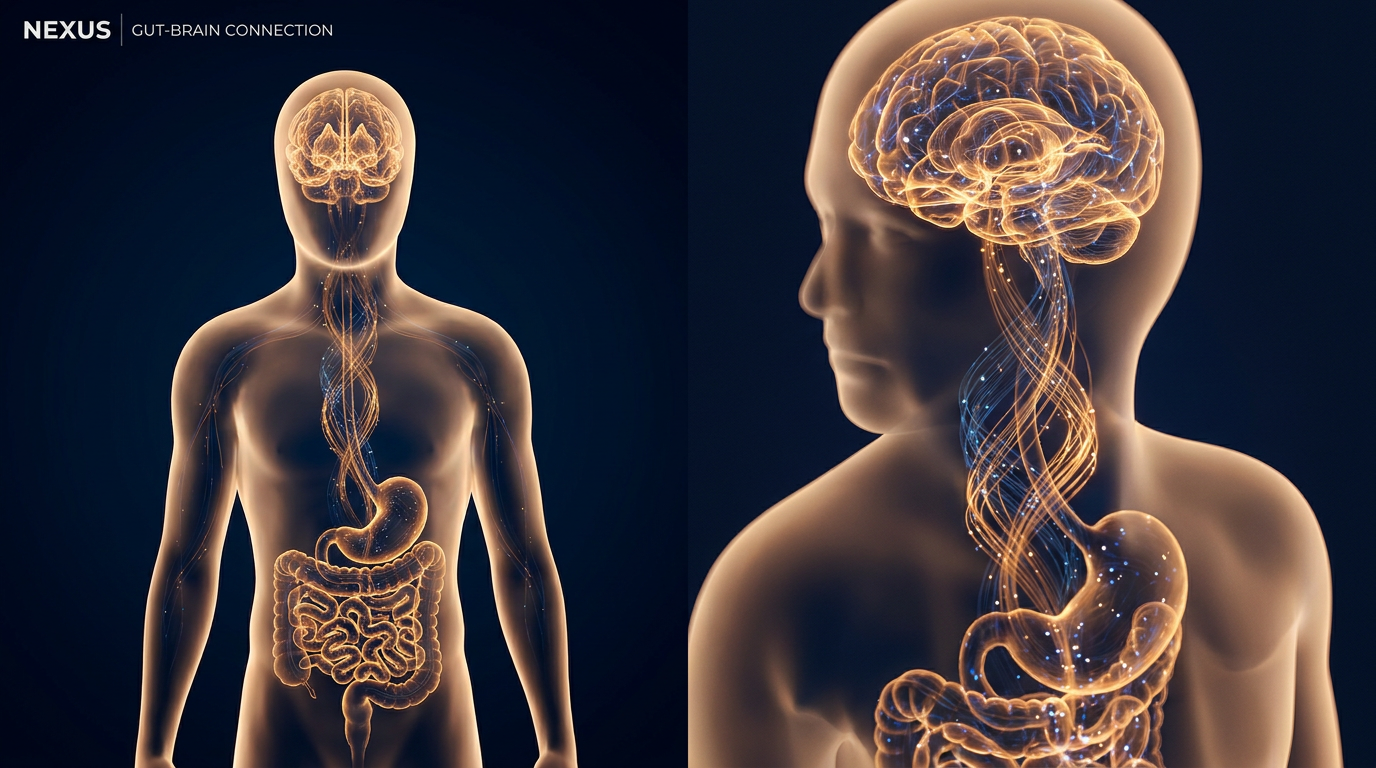


Every angle. Every day.
Get health stories with full source coverage and perspective breakdowns delivered to your inbox.