
The 2026 Electric Motorcycle Buyer's Guide: Range, Charging, and the Solid-State Shift
Electric motorcycles have matured from expensive novelties to practical daily riders, driven by sub-$15,000 models, the arrival of solid-state batteries, and major manufacturers entering the market.
By Factlen Editorial Team
- Urban Commuters
- Riders who prioritize daily practicality, low maintenance, and stop-and-go efficiency.
- Traditional Motorcyclists
- Enthusiasts who value the mechanical engagement and limitless range of internal combustion engines.
- EV Tech Enthusiasts
- Early adopters focused on performance metrics, software integration, and cutting-edge battery science.
What's not represented
- · Rural riders without home charging access
- · Motorcycle dealership service technicians
Why this matters
For riders looking to commute or tour, the math on electric motorcycles has fundamentally changed in 2026. Understanding real-world range, charging standards, and battery degradation is essential before making an informed switch from gas to electric.
Key points
- The electric motorcycle market in 2026 has shifted focus from $20,000+ flagships to accessible, sub-$15,000 models.
- Real-world highway range remains 40% to 55% lower than advertised city range due to aerodynamic drag.
- Solid-state batteries have entered production, offering up to 370 miles of range and 10-minute fast charging.
- Daily running costs are negligible, with no oil changes and battery packs rated for over 50,000 miles.
The electric motorcycle market has officially crossed the threshold from experimental tech to mainstream viability. In 2026, the landscape is no longer dominated solely by $20,000-plus flagship models aimed at early adopters. Instead, a wave of sub-$15,000 machines, the entry of legacy Japanese manufacturers, and the commercial debut of solid-state batteries have fundamentally rewritten the buying calculus for riders.[2][6]
The most significant shift this year is the aggressive price restructuring among established EV brands. The "flagship-versus-flagship" era quietly ended as companies pivoted to capture the middle market. LiveWire, born from Harley-Davidson DNA, slashed prices on its S2 platform—including the Del Mar and Mulholland—bringing them down to the $12,000 range. Zero Motorcycles followed suit, expanding its sub-$7,000 X Line to appeal to urban commuters and dirt-adjacent riders.[4][6]
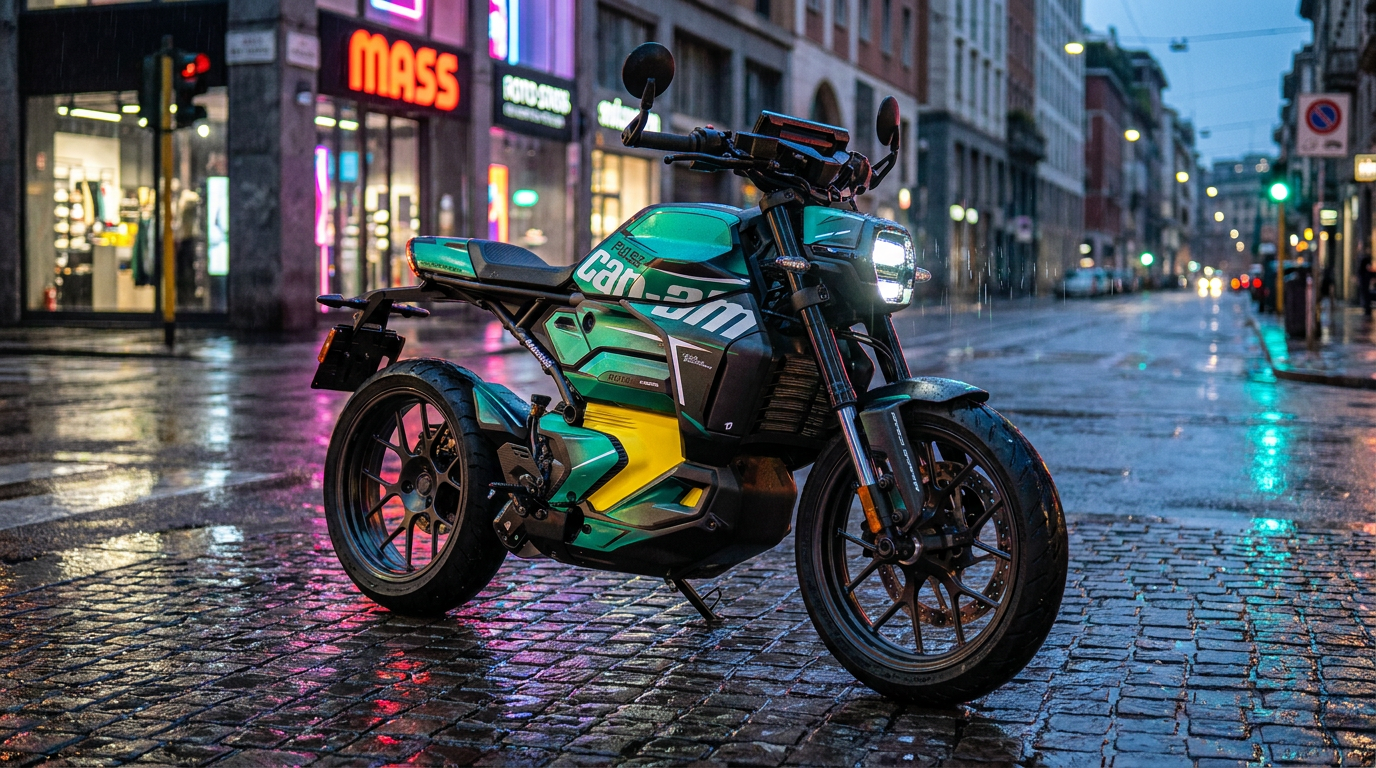
Legacy powersports brands are also making their long-awaited moves. Can-Am has returned to two wheels with the Pulse commuter and Origin dual-sport, priced around $11,000 to $14,000. These machines are designed as "transitional" electric two-wheelers—approachable, tech-forward, and featuring massive 10.25-inch touchscreens with Apple CarPlay. Meanwhile, Honda has launched the WN7, its first full-size production electric street motorcycle, signaling that the industry's largest players are finally committing to the electric transition.[1][3][4]
But before buying into the electric hype, riders must confront the reality of EV motorcycle range. Unlike electric cars, motorcycles lack the aerodynamic profile to slip efficiently through the air at highway speeds. As a result, real-world highway range is often 40% to 55% lower than advertised city ratings.[5]

In stop-and-go urban traffic, electric motorcycles excel. The regenerative braking captures energy, and the lower speeds keep aerodynamic drag to a minimum. A bike like the Can-Am Pulse or LiveWire S2 Del Mar can easily achieve 100 to 113 miles of city range. However, taking that same bike on a 75-mph interstate run will drain the battery in less than an hour.[1][3][5]
"If you ride under 150 kilometers (about 90 miles) daily, electric works beautifully," notes industry analysis. "But if you regularly do 400-kilometer weekends, the current technology demands meticulous planning." This dichotomy forces buyers to be brutally honest about their actual riding habits rather than their aspirational road trips.[2]
To combat range anxiety, the industry is pushing charging speeds rather than just stuffing heavier batteries into the frames. Most daily riders rely on Level 1 or Level 2 home charging, plugging into a standard 110V or 240V outlet overnight. For these users, a 4-to-8-hour charge time is perfectly adequate.[7]
To combat range anxiety, the industry is pushing charging speeds rather than just stuffing heavier batteries into the frames.
For touring, however, DC Fast Charging is the critical bottleneck. Bikes equipped with CCS2 fast-charging ports, like the Honda WN7 or the Energica Experia, can recharge from 20% to 80% in roughly 30 to 40 minutes. Without fast charging, a mid-ride top-up can take hours, effectively tethering the bike to its home radius.[3][5][7]
The technological holy grail arriving in 2026 is the solid-state battery. Verge Motorcycles has begun delivering the TS Pro, the first mass-production electric motorcycle to utilize solid-state packs. By replacing the liquid electrolyte found in traditional lithium-ion batteries with a solid material, these packs achieve significantly higher energy density and thermal stability.[3][5]

The performance leap is staggering. The Verge TS Pro claims a maximum range of up to 370 miles (600 km) and can add 186 miles of range in just 10 minutes of charging. While currently priced at a premium, this technology provides the blueprint for how electric motorcycles will eventually conquer the long-distance touring segment.[3][5]
Beyond range and charging, the actual riding experience of an electric motorcycle is profoundly different from its internal-combustion counterpart. The defining characteristic is instant, linear torque. The LiveWire S2 Mulholland, for example, produces 194 lb-ft of torque—more than double that of a Suzuki Hayabusa.[4]
This power delivery is managed without a clutch or gear shifter, creating a seamless, "twist-and-go" dynamic. In heavy city traffic, the absence of clutch fatigue and engine heat makes electric bikes vastly superior commuters. Advanced software also allows for customizable "Roll-Forward Regen," where riders can brake simply by twisting the throttle away from them, mimicking aggressive engine braking while recapturing energy.[1][2][4]
Weight and handling remain a balancing act. Batteries are heavy, and while the lack of a traditional engine and transmission offsets some of this, full-size electric motorcycles still weigh between 390 and 500 pounds. However, because the battery pack is usually mounted low in the chassis, the center of gravity is dropped, making the bikes feel surprisingly nimble at low speeds.[1][4][7]
For riders intimidated by heavy machines, a new class of ultra-light electrics has emerged. The Cleveland-built Land Moto District weighs just over 200 pounds and features a swappable battery system. It blurs the line between an e-bike and a motorcycle, offering multi-mode software that can lock speeds for bike paths or unlock 75-mph performance for the highway.[4]

Finally, buyers must weigh the total cost of ownership. While the upfront purchase price of an electric motorcycle remains higher than a comparable gas bike, the running costs are negligible. There are no oil changes, valve clearances, spark plugs, or air filters to replace. Electricity costs a fraction of gasoline, especially when charging off-peak or via home solar panels.[7]
Battery degradation, a common fear among new buyers, has proven to be a minor issue in practice. Modern lithium-ion packs are rated for over 1,000 charge cycles before noticeable degradation occurs, equating to roughly 50,000 miles of riding. Most manufacturers now back their batteries with 5-to-8-year warranties, ensuring that the power plant will likely outlast the original owner's tenure with the bike.[7]
How we got here
2019
Harley-Davidson launches the original LiveWire, establishing a high-water mark for electric performance but at a prohibitive $29,799 price point.
2023
Zero Motorcycles introduces the DSR/X, proving that electric powertrains can handle the demands of adventure touring.
2025
The 'flagship era' ends as major brands slash prices and pivot toward sub-$15,000 middleweight models to capture a broader market.
Early 2026
Verge Motorcycles begins delivering the TS Pro, the first mass-production electric motorcycle featuring solid-state battery technology.
Viewpoints in depth
Urban Commuters
Riders who prioritize daily practicality, low maintenance, and stop-and-go efficiency.
For the urban commuter, the electric motorcycle is arguably a solved problem. These riders rarely exceed 50 miles a day, making the 100+ mile city range of bikes like the Can-Am Pulse or LiveWire S2 Del Mar more than sufficient. They value the absence of engine heat in summer traffic, the elimination of clutch fatigue, and the convenience of waking up to a 'full tank' every morning via a standard wall outlet. For this camp, the higher upfront cost is quickly offset by the near-zero maintenance and cheap electricity.
Traditional Motorcyclists
Enthusiasts who value the mechanical engagement and limitless range of internal combustion engines.
Traditionalists remain the hardest demographic to convert. They argue that motorcycles are inherently emotional purchases, and the silent, linear power delivery of an EV strips away the visceral engagement of shifting gears and hearing an exhaust note. More practically, this camp points to the severe range penalty at highway speeds and the spotty nature of rural fast-charging infrastructure. For riders who define motorcycling by spontaneous, 300-mile weekend rides through remote canyons, current EV technology still feels too restrictive.
EV Tech Enthusiasts
Early adopters focused on performance metrics, software integration, and cutting-edge battery science.
This group views electric motorcycles not as compromises, but as superior performance machines. They point to the staggering torque figures—such as the LiveWire S2 Mulholland's 194 lb-ft—that internal combustion engines simply cannot match off the line. Furthermore, they are highly focused on the arrival of solid-state batteries, viewing bikes like the Verge TS Pro as proof that the final hurdles of energy density and charge times are actively being dismantled. To them, the software-defined nature of these bikes, featuring customizable regen and over-the-air updates, is the future of two-wheeled mobility.
What we don't know
- How quickly solid-state battery technology will trickle down from premium $29,000 superbikes to affordable, entry-level commuter motorcycles.
- Whether the resale value of first-generation lithium-ion electric motorcycles will plummet as solid-state technology becomes the new industry standard.
Key terms
- Regenerative Braking
- A system that captures kinetic energy during deceleration and converts it back into electricity to recharge the battery.
- Solid-State Battery
- An advanced battery technology using solid electrodes and a solid electrolyte, offering higher capacity and faster charging than liquid-based lithium-ion batteries.
- DC Fast Charging (CCS2)
- A high-power charging standard that allows electric vehicles to rapidly recharge their batteries, often reaching 80% capacity in under 40 minutes.
- Kilowatt-hour (kWh)
- A unit of energy used to measure the capacity of an electric vehicle's battery pack.
- Roll-Forward Regen
- A software feature that allows riders to activate regenerative braking by twisting the throttle grip forward, away from the rider.
Frequently asked
Do I need a special charger for an electric motorcycle?
Most electric motorcycles can charge from a standard 110V or 240V household outlet. However, utilizing public DC Fast Charging requires a bike equipped with a compatible port, such as CCS2.
How long do electric motorcycle batteries last?
Modern battery packs are typically rated for over 1,000 charge cycles (roughly 50,000 miles) before noticeable degradation, and most manufacturers provide 5-to-8-year warranties.
Why does highway riding drain the battery so quickly?
Motorcycles lack aerodynamic efficiency. At highway speeds, the motor must expend significantly more energy to overcome wind resistance, and the lack of stop-and-go traffic eliminates regenerative braking opportunities.
What is a solid-state battery?
A solid-state battery replaces the liquid electrolyte found in traditional lithium-ion batteries with a solid material, allowing for higher energy density, faster charging times, and improved safety.
Sources
Source coverage
7 outlets
3 viewpoints surfaced






[1]AutoWeekUrban Commuters
Can-Am Origin and Pulse: Transitional Electric Two-Wheelers
Read on AutoWeek →[2]Bike-EVUrban Commuters
Switching to Electric in 2026: The Honest Rider Verdict
Read on Bike-EV →[3]MotawillEV Tech Enthusiasts
The Top 12 Electric Motorcycles of 2026: Ultimate Comparison Guide
Read on Motawill →[4]Wind Burned EyesTraditional Motorcyclists
2026 Electric Motorcycles: Will They Work For You?
Read on Wind Burned Eyes →[5]TycorunEV Tech Enthusiasts
Electric Motorcycle Range (2026): Top Models & Real-World Tests
Read on Tycorun →[6]CZ MotorpartsTraditional Motorcyclists
Zero vs LiveWire in 2026: Rebuilt Lineups and Slashed Prices
Read on CZ Motorparts →[7]Leader MotoEV Tech Enthusiasts
Electric Motorcycle Buying Guide: Range and Charging
Read on Leader Moto →
More in shopping
See all 6 stories →E-Bike Tech
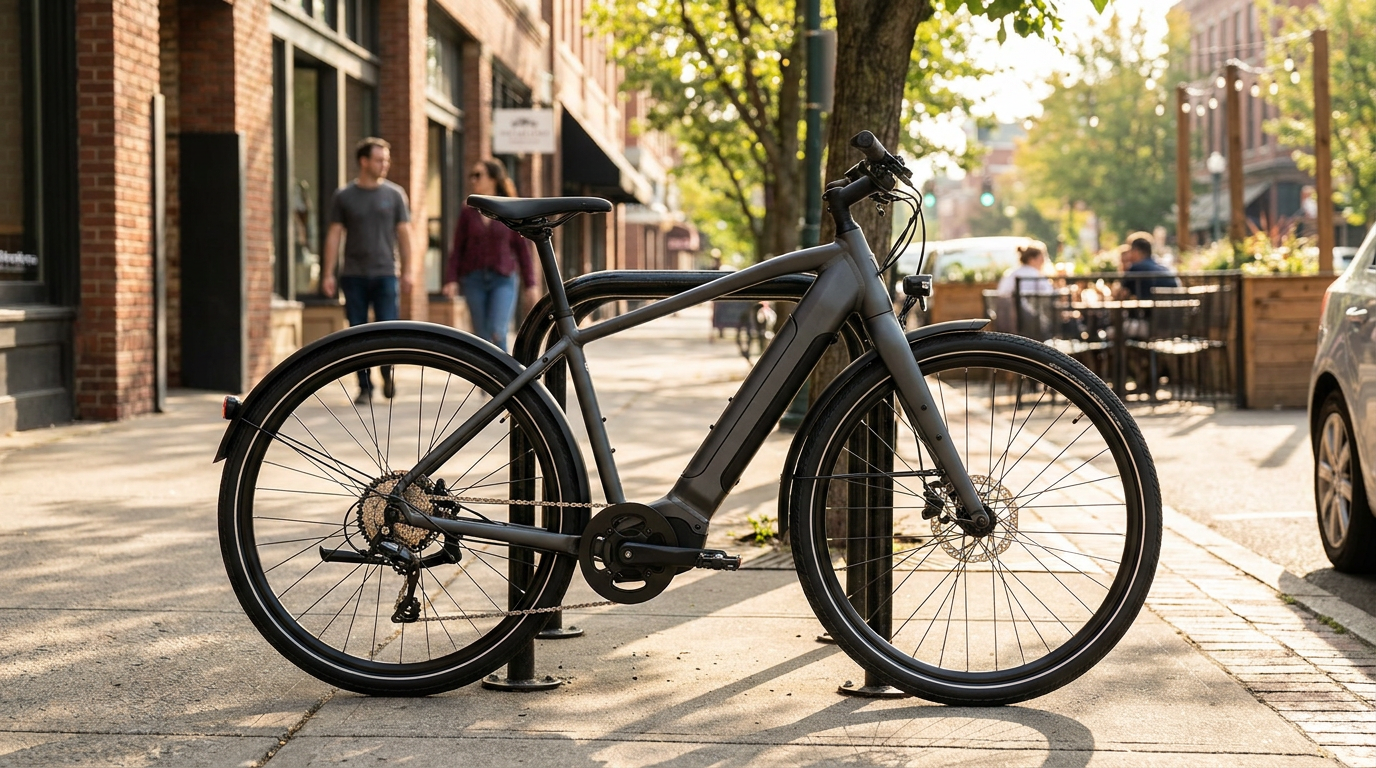
The 2026 E-Bike Buying Guide: Motors, Classes, and the Safety Specs You Can't Ignore
7 sources
TV Tech
OLED vs. Mini-LED TVs in 2026: The Complete Technology Comparison
7 sources

Summer Sales
Amazon Shifts Prime Day to June, Triggering Massive Summer Retail Showdown
6 sources

Sleep Tech
How Accurate Is Your Sleep Tracker? A Review of the Clinical Evidence
6 sources

Every angle. Every day.
Get shopping stories with full source coverage and perspective breakdowns delivered to your inbox.