
The 20-Year Heat Pump: Why Year-Round Systems Require a New Approach to Maintenance
Heat pumps run year-round, meaning they accumulate wear faster than traditional furnaces. A few simple maintenance shifts can save homeowners thousands of dollars and extend the system's life by a decade.
By Factlen Editorial Team
- HVAC Professionals
- Focus on the necessity of technical maintenance to prevent catastrophic failure.
- Energy Efficiency Advocates
- Prioritize the climate and cost-saving benefits of optimal operation.
- Cost-Conscious Homeowners
- Focus on maximizing the return on investment through diligent DIY care.
What's not represented
- · Renters without maintenance control
- · Landlords managing multiple units
Why this matters
A neglected heat pump uses up to 25% more energy and will fail 5 to 8 years earlier than a maintained one. Understanding the unique needs of a year-round system turns a potential financial liability into a long-term, money-saving asset.
Key points
- Heat pumps run year-round and accumulate wear faster than seasonal furnaces.
- A neglected heat pump consumes 10% to 25% more energy than a maintained one.
- Replacing indoor air filters every 1-3 months is the most impactful DIY task.
- Outdoor units require a strict 18-inch clearance from leaves, snow, and shrubs.
- Heat pumps operate most efficiently when left at a steady temperature, rather than using deep setbacks.
- Annual professional tune-ups can extend a system's lifespan from 12 years to 20 years.
Heat pumps have become the gold standard for home climate control, offering unparalleled energy efficiency by moving heat rather than generating it. But this year-round duty cycle comes with a catch: they accumulate wear and tear twice as fast as traditional seasonal systems.[7]
Unlike a furnace that sits dormant all summer or an air conditioner that hibernates through the winter, an air-source heat pump is almost always working. This continuous operation means that skipping basic maintenance doesn't just risk a breakdown—it actively drains your wallet.[7]
According to the U.S. Department of Energy, a neglected heat pump consumes 10% to 25% more energy than a well-maintained one. When components get dirty or airflow is restricted, the system has to work harder to extract heat from the air, erasing the very efficiency gains that make heat pumps so attractive.[1]

The lifeblood of any heat pump is airflow. The system relies on passing massive volumes of air over its refrigerant coils to absorb or release heat. If that airflow is choked off by a clogged indoor filter or an overgrown outdoor unit, the compressor has to run longer and hotter to achieve the same indoor temperature.[7]
For homeowners, the single most impactful maintenance task is replacing or cleaning the indoor air filter every one to three months. A dirty filter can reduce a heat pump's energy output by up to 25%, forcing the system to run constantly and accelerating wear on the blower motor.[2][6]

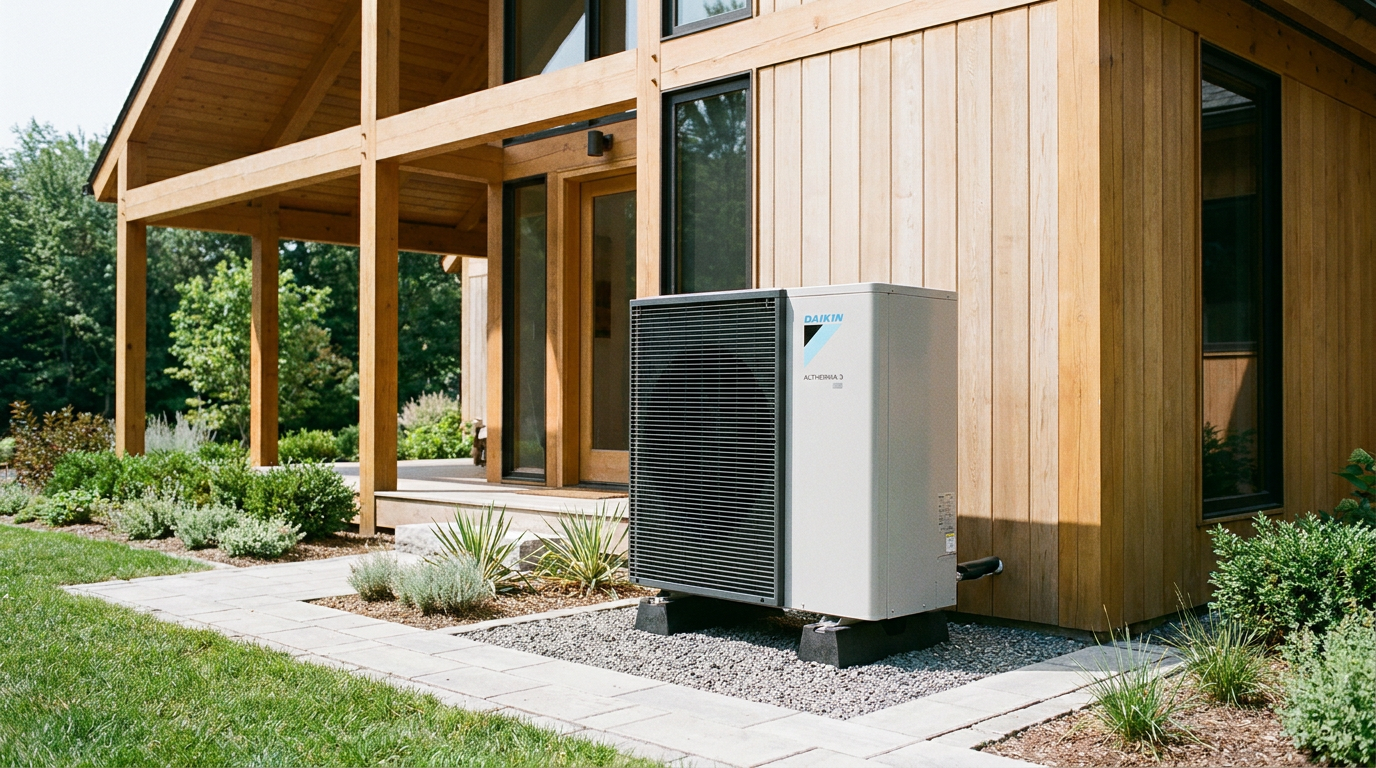
Outside the house, the heat pump's exterior unit requires a strict 18-inch clearance zone. Leaves, snow, dirt, and encroaching shrubs block the intake fins. A dirty outdoor coil can reduce the system's efficiency by up to 30%, making seasonal clearing a mandatory DIY chore.[2][3]
Beyond physical cleaning, heat pumps require a behavioral shift in how homeowners use their thermostats. For decades, energy experts advised setting the temperature back 10 degrees when leaving the house or going to sleep to save money on heating fuel.[7]
Beyond physical cleaning, heat pumps require a behavioral shift in how homeowners use their thermostats.
With a heat pump, that advice is obsolete. Heat pumps operate most efficiently when maintaining a steady temperature. Deep setbacks force the system to work in overdrive to recover the lost degrees, often triggering the highly inefficient electric resistance backup heat. The new rule for heat pumps is simple: set it and forget it.[4]

While homeowners can handle filters and foliage, the complex refrigeration cycle requires professional oversight. HVAC industry standards, including those from ASHRAE, dictate that heat pumps undergo a comprehensive professional tune-up at least once a year, ideally in the spring before the peak cooling season.[3]
During a professional service visit, technicians measure airflow, inspect electrical terminals, and critically, check the refrigerant charge. Low refrigerant is a primary cause of poor performance and frozen coils. The EPA mandates that leaks exceeding 10% of a system's annual charge must be repaired, as escaping refrigerant harms the environment and cripples the heat pump's capacity.[3][5]
Technicians also perform a deep cleaning of the indoor and outdoor coils using specialized solutions, and flush the condensate drain line. Blocked condensate drains are one of the most common causes of moisture-related HVAC failures, leading to water damage and system shutdowns.[3][5]
The economics of heat pump maintenance are unforgiving to those who skip it. An annual professional tune-up typically costs between $75 and $200. In contrast, emergency repairs for a blown compressor or frozen coil can easily exceed $1,500.[2][6]
More importantly, maintenance dictates the lifespan of the equipment. A properly serviced air-source heat pump will reliably heat and cool a home for 15 to 20 years. A neglected system, however, typically suffers catastrophic component failure after just 10 to 12 years.[6]

Factoring in the lost energy efficiency, the expensive emergency repairs, and the cost of replacing the entire system half a decade early, skipping a $150 annual service call can ultimately cost a homeowner thousands of dollars over the life of the unit.[6]
As millions of homes transition to electric heat pumps to reduce carbon emissions and lower utility bills, understanding this new maintenance paradigm is essential. A heat pump is an investment in your home's infrastructure—one that pays dividends only if you keep the air flowing.[7]
Viewpoints in depth
HVAC Professionals
Focus on the necessity of technical maintenance to prevent catastrophic failure.
Technicians emphasize that while homeowners can handle filters, the refrigeration cycle is a closed, pressurized system that requires specialized gauges and training. They point out that running a system with low refrigerant doesn't just cool poorly—it actively damages the compressor, turning a minor leak into a total system replacement.
Energy Efficiency Advocates
Prioritize the climate and cost-saving benefits of optimal operation.
Efficiency experts view maintenance as a critical climate action. Because heat pumps are central to decarbonizing home heating, ensuring they run at their stated efficiency ratings is vital. They advocate heavily for the 'set it and forget it' behavioral shift, noting that old thermostat habits are the biggest barrier to realizing a heat pump's true energy savings.
Cost-Conscious Homeowners
Focus on maximizing the return on investment through diligent DIY care.
For homeowners, the focus is on avoiding the steep costs of emergency HVAC repairs. By strictly adhering to filter replacement schedules and keeping the outdoor unit clear of snow and leaves, they aim to stretch the equipment's lifespan to the full 20 years, ensuring the system pays for itself multiple times over in energy savings.
What we don't know
- How new smart-thermostat algorithms will further optimize heat pump defrost cycles in extreme cold.
- Whether future building codes will mandate automatic fault-detection sensors on all residential heat pumps.
Key terms
- Air-Source Heat Pump
- A system that transfers heat between the inside of a building and the outside air, providing both heating and cooling.
- Reversing Valve
- The component that allows a heat pump to switch between heating and cooling modes by reversing the flow of refrigerant.
- Auxiliary Heat (Backup Heat)
- A secondary, highly energy-intensive electric heating element that kicks in when the heat pump cannot reach the desired temperature quickly enough.
- Condensate Drain
- A tube that removes the moisture extracted from the air during the cooling and defrost cycles.
Frequently asked
How often should I change my heat pump filter?
Check it monthly and replace it every 1 to 3 months, depending on your home's dust levels and whether you have pets.
Should I turn down my heat pump at night to save money?
No. Heat pumps operate most efficiently when maintaining a steady temperature. Deep setbacks can trigger expensive backup heating.
Can I clean the outdoor coils myself?
You can gently rinse the outside fins with a garden hose to remove loose debris, but a professional should perform a deep chemical clean annually.
How long does a heat pump last?
A well-maintained air-source heat pump typically lasts 15 to 20 years, while a neglected system often fails after 10 to 12 years.
Sources
Source coverage
7 outlets
3 viewpoints surfaced







[1]U.S. Department of EnergyEnergy Efficiency Advocates
Operating and Maintaining Your Heat Pump
Read on U.S. Department of Energy →[2]EnergySageCost-Conscious Homeowners
Heat pump maintenance: What to DIY and when to call a pro
Read on EnergySage →[3]ASHRAEHVAC Professionals
Standard Practice for Inspection and Maintenance of Commercial Building HVAC Systems
Read on ASHRAE →[4]BC HydroEnergy Efficiency Advocates
Heat pump maintenance and operation tips
Read on BC Hydro →[5]DaikinHVAC Professionals
Heat pump maintenance and servicing
Read on Daikin →[6]FilterbuyCost-Conscious Homeowners
Heat Pump Maintenance Guide: Costs, Lifespan, and Efficiency
Read on Filterbuy →[7]Factlen Editorial TeamEnergy Efficiency Advocates
Synthesis by Factlen editorial team
Read on Factlen Editorial Team →
Every angle. Every day.
Get home stories with full source coverage and perspective breakdowns delivered to your inbox.