
Stem Cells Banish Severe Autoimmune Disease for 15 Years in Landmark Trial
Two patients with a rare, debilitating autoimmune disorder have achieved over 15 years of drug-free remission following a pioneering allogeneic stem-cell transplant.
By Factlen Editorial Team
- Clinical Researchers
- Focus on the unprecedented 15-year drug-free remission and the biological proof-of-concept for immune system replacement.
- Patient Advocates
- Emphasize the life-changing quality of life improvements while acknowledging the desperate need for curative options.
- Drug Safety Monitors
- Highlight the severe risks of the procedure and argue that the treatment must remain a last-resort option until larger trials prove safety.
What's not represented
- · Health Insurance Providers
- · Patients with mild NMOSD
Why this matters
This 15-year milestone proves that replacing a faulty immune system can effectively cure a previously relentless autoimmune disease. While the procedure carries severe risks, it offers a definitive proof-of-concept that could eventually revolutionize treatments for intractable neuro-immune conditions.
Key points
- Two patients with severe NMOSD have achieved over 15 years of drug-free remission following a stem-cell transplant.
- The procedure utilized allogeneic hematopoietic stem cells sourced from healthy donors to rebuild the patients' immune systems.
- Intense chemotherapy was required beforehand to completely eradicate the malfunctioning immune cells causing the disease.
- Both patients experienced dramatic quality-of-life improvements, including regained mobility and the ability to start a family.
- The treatment carries severe risks, including graft-versus-host disease and cancer, meaning it remains a last-resort option.
For decades, patients diagnosed with severe autoimmune diseases have faced a grim prognosis: a lifetime of symptom management, daily immunosuppressive medications, and the constant looming threat of sudden, debilitating relapses. But a landmark clinical follow-up has just shattered that paradigm. Two patients suffering from a devastating and historically relentless autoimmune condition have achieved an unprecedented milestone: more than 15 years of complete, drug-free remission following a pioneering stem-cell treatment. The findings, published this week in the medical journal Med, provide the most compelling evidence to date that replacing a faulty immune system entirely can effectively halt a disease that was previously thought to be an inescapable life sentence.[1][2][3]
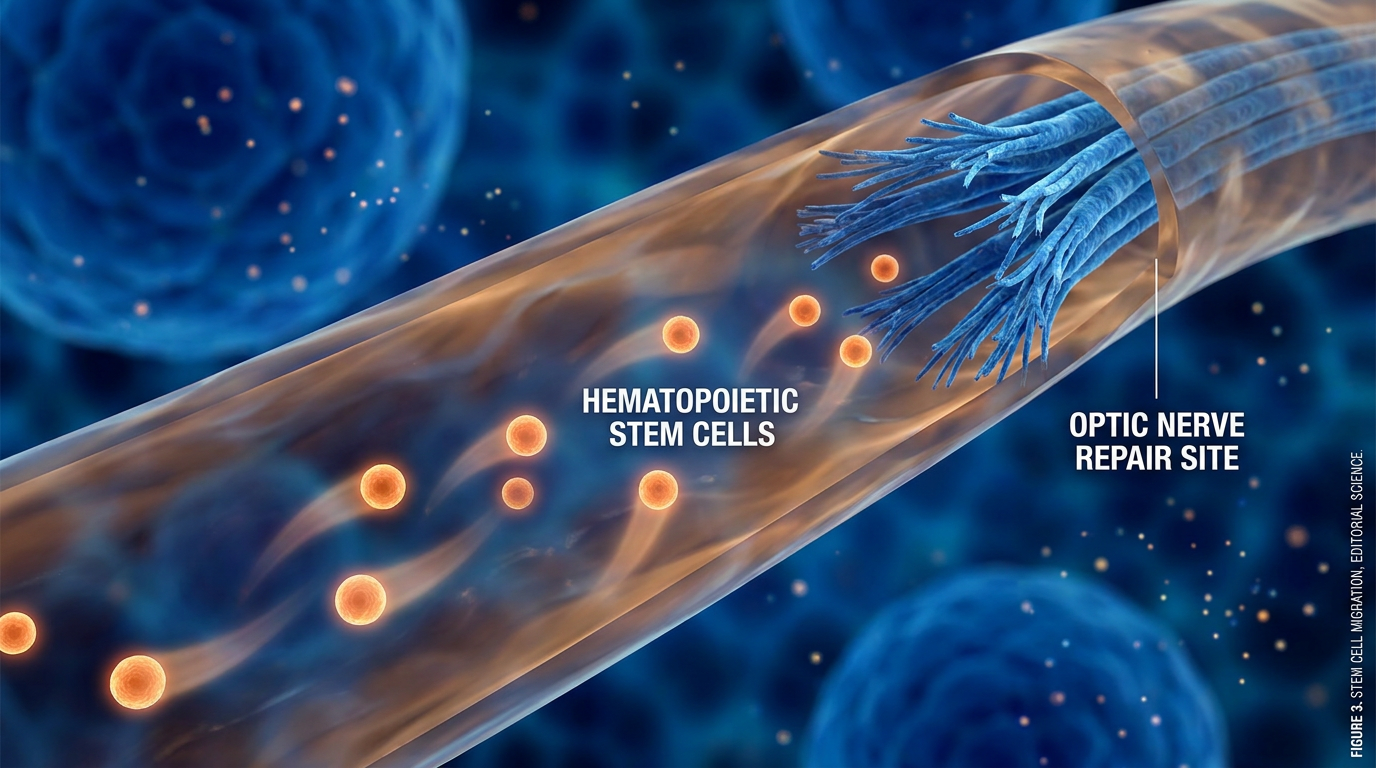
The patients at the center of this breakthrough were diagnosed with neuromyelitis optica spectrum disorder (NMOSD), a rare and highly aggressive neuro-immune condition. In patients with NMOSD, the body’s natural defense mechanisms go haywire, mistakenly identifying healthy tissues as foreign invaders. Specifically, the immune system launches targeted attacks against the spinal cord and the optic nerve, which connects the eye to the brain. This relentless biological assault causes profound inflammation and tissue damage, leading to recurring, terrifying episodes of sudden vision loss, severe eye pain, intractable vomiting, muscle weakness, and in the most severe cases, permanent paralysis.[3][5]
The standard of care for NMOSD has historically relied on a regimen of powerful, lifelong immunosuppressive drugs designed to blunt the immune system's attacks and reduce the frequency of relapses. While these therapies can be effective for many, they come with a heavy burden of chronic side effects and leave patients perpetually vulnerable to routine infections. More importantly, for a critical subset of patients—including the two individuals involved in this study—standard medications simply do not work. Their disease continued to progress despite aggressive pharmaceutical intervention, leaving them facing a future of inevitable, compounding neurological decline.[1][3][5]
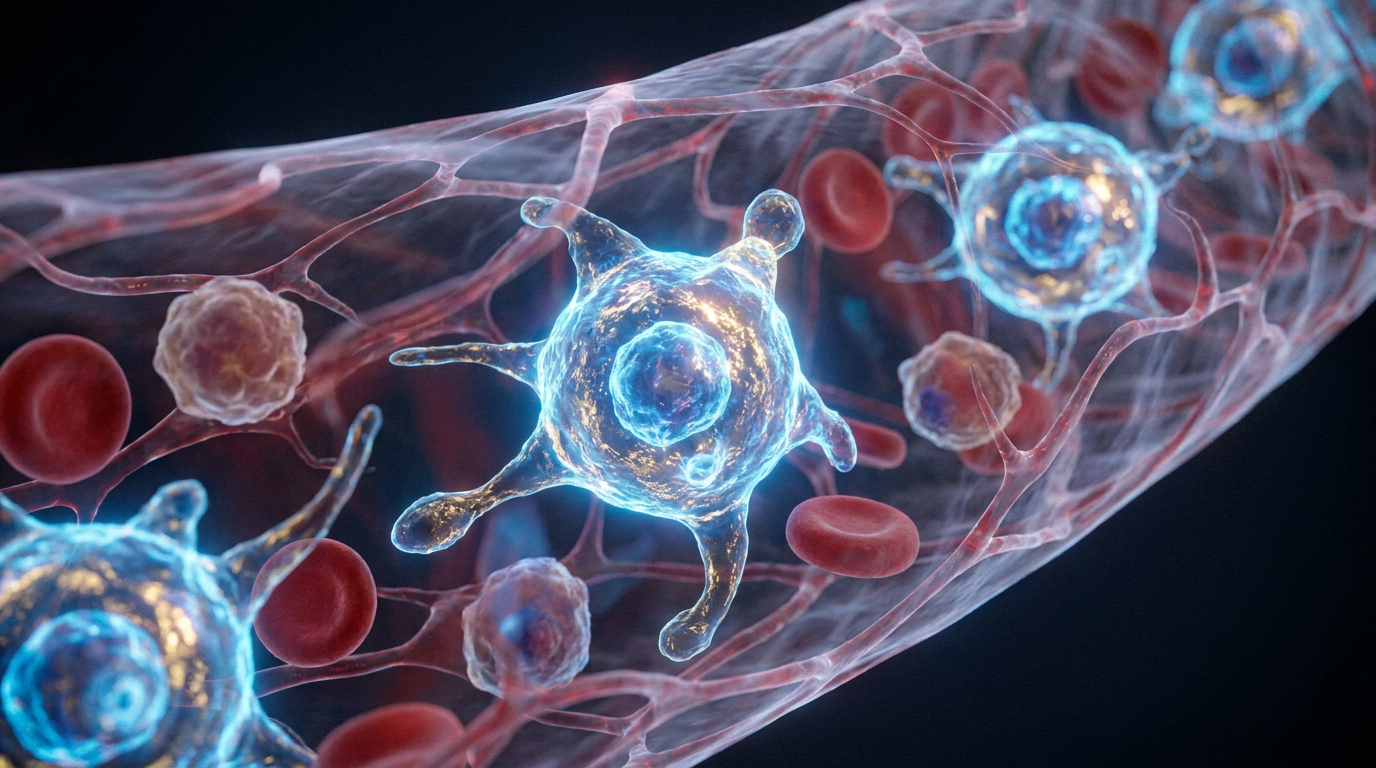
Faced with the failure of conventional treatments, researchers opted for a radical and high-stakes intervention: an allogeneic hematopoietic stem-cell transplant (HSCT). While autologous stem-cell transplants—which use a patient’s own previously harvested and cleaned cells—have been explored in various autoimmune contexts, this trial took a different approach. An allogeneic transplant utilizes blood-forming stem cells harvested from a completely different, healthy donor. According to the study’s authors, this represents the first published instance of an allogeneic transplant being utilized specifically to combat NMOSD, marking a significant leap into uncharted medical territory.[1][2][3]

The biological mechanism behind this treatment is both elegant and brutal: it requires the complete destruction of the patient's existing immune system before a new one can be built. In the weeks leading up to the transplant, doctors subjected the patients to an intense, grueling conditioning regimen. This involved the administration of powerful chemotherapy drugs, specifically fludarabine and treosulfan, combined with targeted B-cell depleting antibody therapies. The goal was to systematically hunt down and eradicate every malfunctioning immune cell responsible for the autoimmune attacks, essentially wiping the biological slate clean.[1][3][6]
Once the patients' faulty immune systems were entirely dismantled, the rebuilding phase began with a single, critical infusion of healthy donor stem cells. The first patient, a man suffering from a particularly severe manifestation of NMOSD, underwent the procedure in 2009, receiving donor stem cells provided by his healthy sister. The following year, a woman battling the same relentless condition underwent the identical procedure, this time utilizing stem cells sourced from an unrelated donor match. These infused cells were tasked with migrating to the bone marrow and generating an entirely new, disease-free immune system from scratch.[3][6]
Once the patients' faulty immune systems were entirely dismantled, the rebuilding phase began with a single, critical infusion of healthy donor stem cells.
The long-term clinical evidence emerging from this trial is nothing short of extraordinary. Today, more than 15 years after their respective procedures, rigorous medical follow-ups confirm that neither patient has experienced a single return of disease-related antibodies or clinical symptoms. They have remained in a state of complete, unmedicated remission for over a decade and a half. In the context of NMOSD, where the threat of relapse usually dictates every aspect of a patient's life, this duration of drug-free stability is virtually unheard of, offering a profound departure from the typical, tragic disease trajectory.[1][2][4]
Beyond the clinical data, the real-world impact on the patients' quality of life has been transformative. Prior to the transplant, the male patient was facing severe, compounding disability; today, his neurological condition has recovered so significantly that he was able to resume a completely normal life, return to work, and even start a family. The female patient, who had suffered devastating mobility losses, regained substantial use of her arms and upper body. Crucially, she no longer requires the daily cocktail of heavy medications previously needed just to manage her symptoms, effectively escaping the shadow of chronic illness.[3][4]

Extensive biological assays and blood tests have confirmed the underlying mechanism responsible for this clinical triumph. Scientists report that the allogeneic transplant successfully and permanently replaced the patients' faulty immune networks with healthy, donor-derived immune cells. By physically swapping out the cellular machinery that was generating the harmful autoantibodies, the procedure appears to have eliminated the root source of the autoimmune attack entirely. It is not merely a suppression of the disease, but a fundamental cellular reboot that has restored the body's natural state of self-tolerance.[2][3][6]
However, the evidence pack surrounding this breakthrough also highlights significant, transparent uncertainty regarding the treatment's broader safety profile. Allogeneic stem-cell transplants are notoriously aggressive procedures that carry life-threatening risks. The most prominent danger is graft-versus-host disease (GVHD), a severe and potentially fatal complication where the newly transplanted donor immune cells recognize the recipient's own tissues as foreign invaders and begin to attack them. To mitigate this risk, patients require heavy, temporary immunosuppression immediately following the transplant, leaving them highly susceptible to opportunistic infections.[3][5][6]
The reality of these risks was borne out in the trial data, as both patients experienced documented, serious adverse effects in the years following their treatments. The medical records indicate complications including severely swollen lymph nodes and prolonged antibody deficiencies that required ongoing medical intervention and careful monitoring. Most concerningly, one of the patients subsequently developed bladder cancer, a stark reminder of the profound physiological toll exacted by the intense chemotherapy conditioning regimen and the subsequent immune system disruption.[3][6]

Because of this steep and undeniable risk-to-benefit ratio, medical experts and the study’s lead authors are explicitly cautioning that allogeneic HSCT cannot currently be considered a first-line therapy for NMOSD or other autoimmune conditions. The procedure's inherent toxicity and the potential for fatal complications mean it must remain a treatment of absolute last resort. Currently, researchers suggest the protocol should be considered primarily for younger patients whose disease is exceptionally aggressive, rapidly disabling, and entirely unresponsive to standard, safer immunotherapies.[3][5][6]
Despite these caveats, the findings published in Med provide a crucial, undeniable proof-of-concept: a severe autoimmune disease can be halted indefinitely by completely replacing the immune system. Researchers emphasize that this 15-year milestone provides the necessary ethical and scientific justification to launch larger, carefully controlled clinical trials. These expanded studies will be essential to determine if the conditioning regimens can be refined, the risks mitigated, and the approach safely standardized for a broader population of patients suffering from refractory NMOSD.[1][3][4]
If the safety protocols can be optimized, this breakthrough offers a tantalizing glimpse into the future of autoimmune medicine. It challenges the long-held dogma that conditions like NMOSD can only be managed, never cured. By proving that a complete cellular reboot can yield a decade and a half of symptom-free life, this research opens the door to exploring similar allogeneic transplant strategies for a host of other intractable neuro-immune and neurodegenerative conditions, potentially rewriting the future for millions of patients worldwide.[4][5][6]
How we got here
2009
The first patient, a man with severe NMOSD, receives an allogeneic stem cell transplant using cells from his sister.
2010
A second patient, a woman with the same condition, undergoes the procedure using stem cells from an unrelated donor.
2020
The decade mark passes with both patients remaining entirely symptom-free and off all immunosuppressive medications.
June 2026
Results are published in the journal Med, officially confirming over 15 years of complete, drug-free disease remission.
Viewpoints in depth
Clinical Researchers
Focus on the unprecedented 15-year drug-free remission and the biological proof-of-concept.
For the scientific community, the primary takeaway is the biological validation that a severe autoimmune disease can be halted indefinitely by replacing the immune system. Researchers point to the complete absence of disease-related antibodies over 15 years as proof that the root cause of NMOSD was eliminated, not just suppressed. They argue this justifies the immense effort required to refine the procedure for broader applications.
Patient Advocacy Groups
Emphasize the life-changing quality of life improvements and the desperate need for curative options.
Advocates highlight the profound human impact of the trial: a man returning to work and starting a family, and a woman regaining her mobility and independence. From this perspective, the severe risks of the transplant must be weighed against the guaranteed devastation of untreatable NMOSD. They argue that patients facing inevitable paralysis deserve access to high-risk, high-reward interventions.
Medical Ethicists & Safety Monitors
Highlight the severe risks and argue that the treatment must remain a last-resort option.
Safety monitors focus heavily on the documented adverse effects, including graft-versus-host disease, severe infections, and the development of bladder cancer in one patient. They caution against viewing the procedure as a miracle cure, emphasizing that the intense toxicity of the chemotherapy conditioning regimen makes it far too dangerous for widespread use until larger trials can establish safer protocols.
What we don't know
- Whether the intense chemotherapy conditioning regimen can be modified to reduce the risk of secondary cancers.
- How the treatment will perform across a larger, more diverse population of NMOSD patients in upcoming clinical trials.
- If this specific allogeneic transplant protocol can be successfully adapted to treat other severe autoimmune diseases.
Key terms
- Neuromyelitis optica spectrum disorder (NMOSD)
- A rare autoimmune disease where the immune system attacks the optic nerve and spinal cord, causing severe inflammation.
- Allogeneic hematopoietic stem-cell transplant
- A medical procedure where a patient receives blood-forming stem cells from a healthy donor to rebuild their immune system.
- Graft-versus-host disease (GVHD)
- A potentially severe complication of transplants where the donated immune cells recognize the recipient's tissues as foreign and attack them.
- B-cell depleting antibodies
- Targeted medications designed to destroy specific white blood cells that are responsible for producing harmful autoantibodies.
Frequently asked
What is neuromyelitis optica spectrum disorder?
NMOSD is a rare, severe autoimmune disease where the immune system mistakenly attacks the spinal cord and optic nerve, leading to vision loss and paralysis.
How does the stem cell treatment work?
Doctors use intense chemotherapy to wipe out the patient's faulty immune system, then infuse healthy stem cells from a donor to build a new, disease-free immune system.
Is this a cure for all autoimmune diseases?
Not currently. The procedure carries severe, life-threatening risks and is only being considered as a last resort for patients who do not respond to standard treatments.
What are the risks of the transplant?
Risks include severe infections, graft-versus-host disease (where donor cells attack the recipient), antibody deficiencies, and an increased risk of certain cancers.
Sources
Source coverage
6 outlets
3 viewpoints surfaced






[1]NatureClinical Researchers
Stem cells banish severe autoimmune disease for 15 years
Read on Nature →[2]MedClinical Researchers
Long-term remission of neuromyelitis optica with allogeneic hematopoietic stem cell transplant
Read on Med →[3]QazinformDrug Safety Monitors
Rare autoimmune disease halted for 15 years after stem-cell transplant
Read on Qazinform →[4]Positron TodayPatient Advocates
Stem cells banish severe autoimmune disease for 15 years
Read on Positron Today →[5]National Institutes of HealthClinical Researchers
The Treatment of Central Nervous System Autoimmune Conditions
Read on National Institutes of Health →[6]Factlen Editorial TeamDrug Safety Monitors
Synthesis by Factlen editorial team
Read on Factlen Editorial Team →
More in science
See all 5 stories →Stem Cell Therapy
Donor Stem Cells Halt Severe Autoimmune Disease for 15 Years in Landmark Study
7 sources
Cellular Therapy
Donor Stem Cells Banish Severe Autoimmune Disease for 15 Years in Landmark Study
5 sources

Stem Cell Tech
Stem Cell Transplant Banishes Severe Autoimmune Disease for 15 Years in Medical First
7 sources
Every angle. Every day.
Get science stories with full source coverage and perspective breakdowns delivered to your inbox.