
NWSL Shatters Midseason Attendance and Revenue Records in Landmark 2026 Campaign
The National Women's Soccer League has reached unprecedented financial and viewership milestones halfway through its 2026 season, driven by successful expansion markets and a transformative broadcast deal.
By Factlen Editorial Team
- Sports Business Analysts
- Focuses on the league's valuation, media rights strategy, and transition to a highly profitable enterprise.
- Player Advocates
- Emphasizes how the financial boom translates to better working conditions, higher salaries, and free agency rights for the athletes.
- Mainstream Sports Media
- Highlights the on-field product, competitive parity, and the league's growing footprint in the broader sports entertainment landscape.
What's not represented
- · Local municipal leaders discussing the economic impact of new stadiums
- · European club executives reacting to the talent drain
Why this matters
The league's surging profitability proves that women's sports are no longer just a long-term growth investment but a self-sustaining financial powerhouse today. This sets a new global standard for female athlete compensation, infrastructure, and media visibility.
Key points
- The NWSL has broken its midseason attendance record, averaging over 18,500 fans per match in 2026.
- A transformative $240 million media rights deal has dramatically increased franchise valuations and league revenue.
- Player compensation has surged, with minimum salaries doubling and top stars signing multi-million dollar contracts.
- The league's competitive parity is increasingly drawing elite international talent away from European super-clubs.
- Clubs are heavily investing in purpose-built, soccer-specific stadiums and fully funded youth academies.
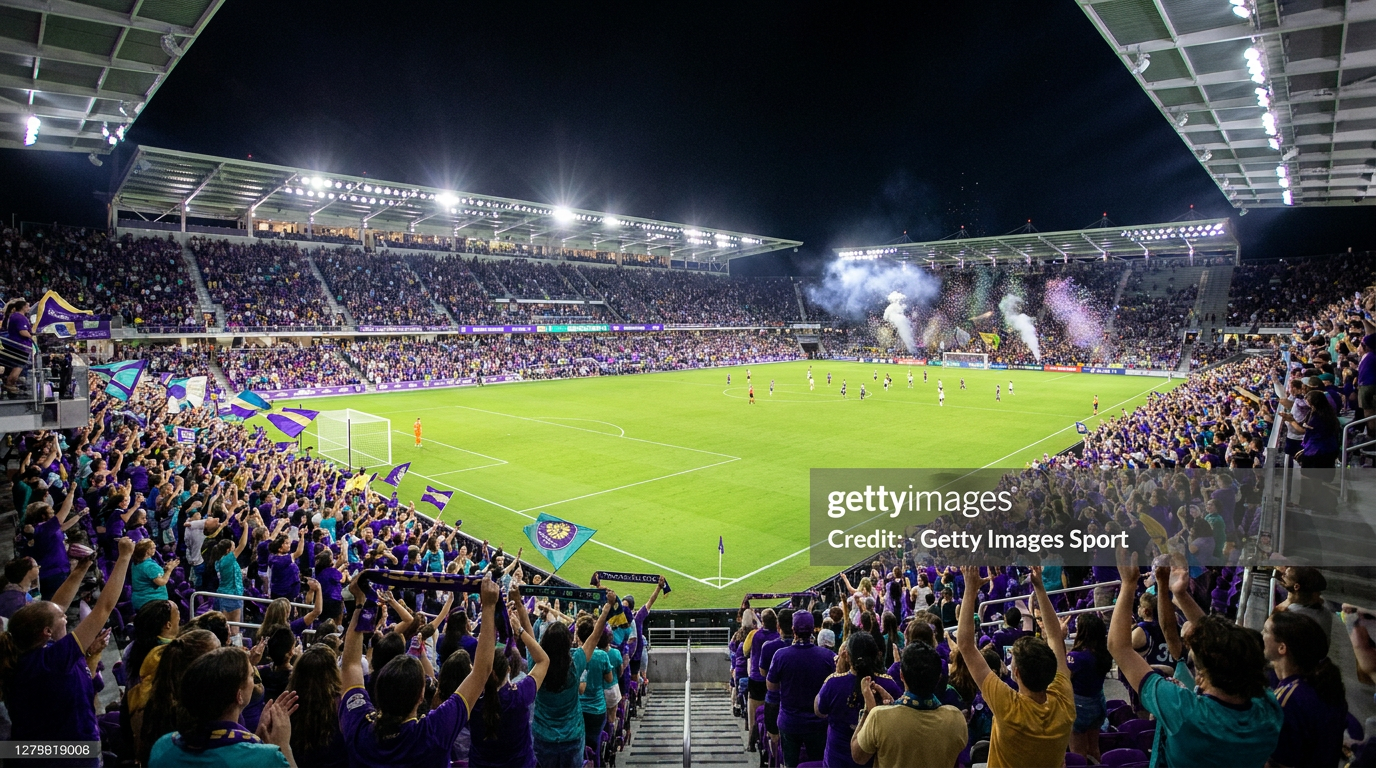
Halfway through its 2026 campaign, the National Women's Soccer League (NWSL) has officially transitioned from a promising growth property into a dominant fixture of the American sports landscape. League officials announced this week that average match attendance has surged past 18,500 fans per game, shattering the previous midseason record set just last year.[1][2]
The attendance boom is being driven by a combination of entrenched legacy clubs expanding their fanbases and the explosive arrival of new markets. The 2026 addition of BOS Nation FC brought the league to 16 active franchises, and the Boston club has sold out every home match of its inaugural season so far, mirroring the immediate success seen by recent expansion sides in California and Utah.[1][2]
Behind the packed stadiums is a fundamentally transformed financial model. The league's landmark $240 million media rights deal, distributed across CBS, ESPN, Amazon, and Scripps, is now fully operational and paying massive dividends. Franchise valuations have skyrocketed accordingly, with the average NWSL club now valued at over $100 million—a staggering leap from the single-digit millions seen less than a decade ago.[3][4]

This influx of capital is directly impacting the product on the pitch. Following the latest Collective Bargaining Agreement, the league's salary cap has expanded significantly, allowing teams to offer highly competitive wages. Minimum salaries have more than doubled since 2021, and top-tier players are increasingly signing multi-million dollar, multi-year contracts that provide unprecedented financial security.[4][5]
The improved compensation and working conditions are also shifting the global balance of power in women's football. While European super-clubs have traditionally lured top talent with Champions League prestige, a growing number of international stars are migrating to the United States. Players cite the NWSL's top-to-bottom competitive parity—where the last-place team can genuinely upset the league leaders on any given weekend—as a major draw compared to the top-heavy leagues in England and Spain.[6]
The improved compensation and working conditions are also shifting the global balance of power in women's football.
Infrastructure investments are keeping pace with the talent acquisition. The era of NWSL teams playing in shared minor-league baseball stadiums or cavernous, empty NFL venues is rapidly ending. Following the blueprint set by the Kansas City Current's CPKC Stadium—the first purpose-built stadium for a women's professional sports team—several other franchises have broken ground on their own dedicated facilities, creating intimate, hostile environments that look brilliant on television.[2][4]

Broadcasters are reaping the rewards of these packed, vibrant stadiums. Viewership metrics across all four network partners have seen double-digit year-over-year growth. Prime-time Friday and Saturday night slots, in particular, are drawing massive audiences, proving that women's soccer can anchor weekend sports programming rather than just serving as shoulder content.[4][7]
The league's success is also trickling down to the grassroots level. Flush with new revenue, NWSL clubs are heavily investing in their youth academies. These fully funded development pathways are designed to identify and nurture local talent, ensuring that the United States maintains a robust domestic pipeline of players capable of stepping up to the professional ranks in the coming years.[8]

While the trajectory is overwhelmingly positive, league executives acknowledge the challenges of scaling so rapidly. Managing the influx of capital requires strict oversight to ensure sustainable growth, and the league is actively working to upgrade refereeing standards and travel logistics to match the elite level of play.[1][3]
As the 2026 season marches toward what promises to be a highly contested playoff bracket, the NWSL's midseason report card is clear. The league has not only secured its financial future but has cemented its status as the premier destination for women's soccer globally, setting a blueprint for how to successfully commercialize and elevate women's sports.[2][5]
How we got here
2013
The NWSL plays its inaugural season with eight founding teams.
2021
The NWSL Players Association secures the league's first-ever Collective Bargaining Agreement.
2024
The league announces a landmark $240 million media rights deal across four major networks.
March 2026
The 16-team season kicks off, featuring the debut of the Boston expansion franchise.
June 2026
The league shatters midseason attendance and viewership records.
Viewpoints in depth
League Executives & Owners
Focused on sustainable financial growth, infrastructure, and media valuation.
For ownership groups and league officials, the 2026 season validates years of aggressive investment. By moving out of shared, oversized NFL stadiums and into intimate, soccer-specific venues, owners have created a premium matchday experience that commands higher ticket prices and drives merchandise sales. Executives argue that the league's strict salary cap, while sometimes criticized, is the exact mechanism that ensures the competitive parity keeping broadcasters and fans engaged week after week.
Players' Association
Focused on equitable compensation, working conditions, and long-term career stability.
The players' union views the current boom as the hard-won result of their organizing efforts. While celebrating the massive influx of revenue, player advocates remain focused on ensuring that the wealth is distributed fairly across the entire roster, not just to marquee stars. They emphasize that higher minimum salaries, improved travel accommodations, and robust free agency rights are essential to maintaining the NWSL's status as the best league in the world to build a professional career.
Global Football Analysts
Focused on the shifting balance of power between the US and European leagues.
International observers note a distinct shift in the global talent market. For years, the prestige and financial muscle of clubs like Barcelona, Lyon, and Chelsea threatened to eclipse the NWSL. However, analysts point out that the NWSL's new media deal and rising salary cap have neutralized Europe's financial advantage. Furthermore, the grueling, highly competitive nature of the NWSL—where there are no 'easy' matches—is increasingly appealing to elite players looking to test themselves weekly, rather than coasting through lopsided domestic leagues in Europe.
What we don't know
- How the league will structure its next round of expansion bidding for 2027 and beyond.
- Whether European leagues will alter their financial regulations to compete with the NWSL's rising wages.
- How the upcoming international tournament calendar will impact player availability and league scheduling.
Key terms
- Collective Bargaining Agreement (CBA)
- A written legal contract between the league and the players' union detailing compensation, working conditions, and rights.
- Soccer-Specific Stadium
- A sports facility purpose-built primarily for soccer, offering better sightlines and atmosphere than shared baseball or American football venues.
- Salary Cap
- A league-mandated limit on the amount of money a team can spend on player salaries, designed to maintain competitive balance.
Frequently asked
How many teams are currently in the NWSL?
As of the 2026 season, the league features 16 teams, including the newly added Boston franchise, BOS Nation FC.
Where can I watch NWSL matches?
Matches are broadcast across a mix of CBS, ESPN, Amazon Prime Video, and Scripps Sports, following a landmark media rights deal.
How does the NWSL compare to European leagues?
The NWSL is widely considered the most competitive league top-to-bottom, whereas European leagues often feature a few dominant, heavily funded super-clubs.
Sources
Source coverage
8 outlets
3 viewpoints surfaced








[1]ESPNMainstream Sports Media
NWSL midseason report: Attendance surges past 18,000 average as league hits new heights
Read on ESPN →[2]The AthleticMainstream Sports Media
How the NWSL's 2026 expansion cemented its status as a global powerhouse
Read on The Athletic →[3]ForbesSports Business Analysts
The Business Of Women's Soccer: NWSL Franchise Valuations Soar Amid Revenue Boom
Read on Forbes →[4]Sports Business JournalSports Business Analysts
Media rights windfall fuels NWSL's infrastructure and salary investments
Read on Sports Business Journal →[5]Just Women's SportsPlayer Advocates
Record crowds, record pay: The NWSL players reaping the rewards of the new era
Read on Just Women's Sports →[6]BBC SportMainstream Sports Media
Is the NWSL pulling ahead? European stars flock to US amid competitive parity
Read on BBC Sport →[7]CBS SportsMainstream Sports Media
NWSL viewership records tumble across networks in 2026
Read on CBS Sports →[8]Equalizer SoccerPlayer Advocates
Beyond the first team: How NWSL clubs are building out their youth academies
Read on Equalizer Soccer →
More in sports
See all 7 stories →Standings
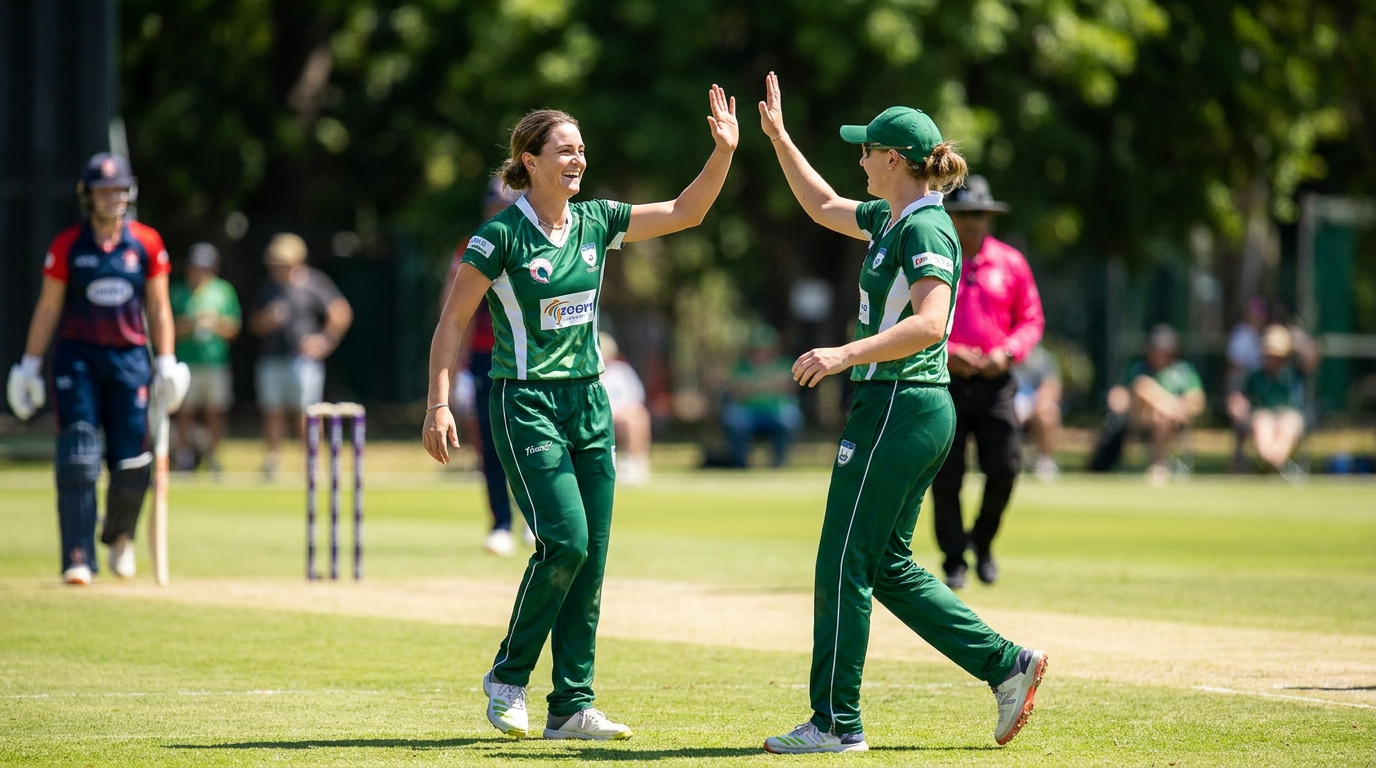
T20 Blast 2026 Standings: Hampshire Hawks Soar as Defending Champions Somerset Stumble
8 sources

Injury
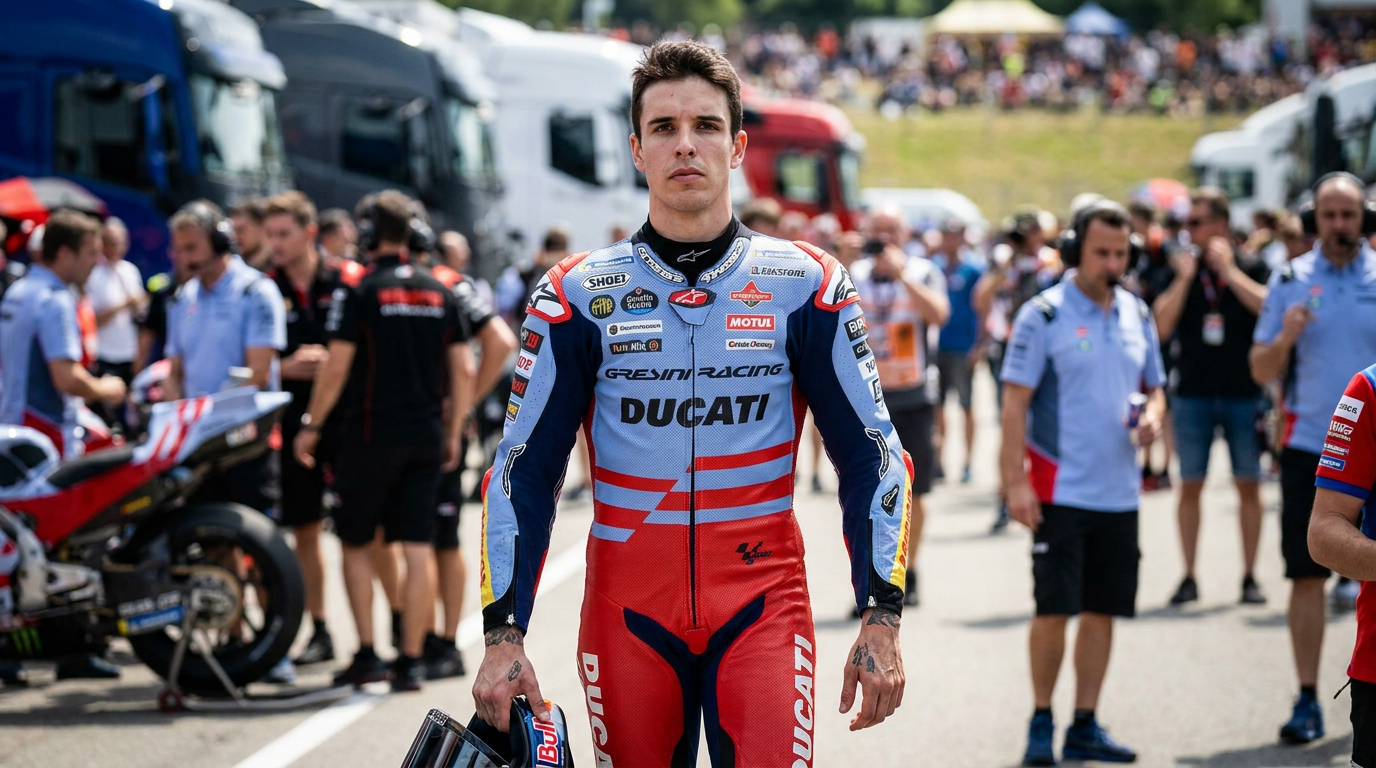
Alex Marquez Cleared for MotoGP Return at Brno One Month After Horrific Crash
7 sources
Standings
Hamilton's First Ferrari Victory Shakes Up 2026 F1 Standings as Antonelli Maintains Lead
6 sources

Grass Court Season
Alexandra Eala Stuns World No. 2 Elena Rybakina in Historic Berlin Open Upset
7 sources

Every angle. Every day.
Get sports stories with full source coverage and perspective breakdowns delivered to your inbox.