
Hub Motor vs. Mid-Drive: The Definitive E-Bike Trade-Off Analysis
Choosing the right electric bike comes down to one crucial component: the motor. We break down the mechanical differences, costs, and terrain trade-offs between hub and mid-drive systems.
By Factlen Editorial Team
- Urban Commuters
- Prioritizes affordability, low maintenance, and throttle access for flat city riding.
- Performance Cyclists
- Values the torque, gear leverage, and natural ride feel required for steep hills and trails.
- Value Analysts
- Focuses on the long-term cost of ownership, weighing upfront premiums against ongoing drivetrain wear.
What's not represented
- · Traditional analog cyclists who argue against electric assistance entirely
- · E-bike conversion kit builders who retrofit older bicycles
Why this matters
Choosing the wrong e-bike motor can leave you stranded on steep hills or paying for expensive maintenance you don't need. Understanding how these two systems transfer power ensures you buy a bike that matches your local terrain and riding style.
Key points
- Hub motors drive the wheel directly, offering a cheaper, simpler, and throttle-friendly ride.
- Mid-drive motors power the chain, utilizing the bike's gears to multiply torque for steep hills.
- Hub motors preserve the drivetrain but can overheat on sustained, steep climbs.
- Mid-drives offer a more natural ride feel and better range but accelerate chain and cassette wear.
- Hub motors are ideal for flat urban commuting, while mid-drives excel in off-road and hilly terrain.
The electric bicycle market has matured significantly, but buyers in 2026 still face one fundamental architectural decision before making a purchase: choosing between a hub motor and a mid-drive motor. This single component dictates how the bike accelerates, climbs, and handles, as well as how much it will cost to maintain over the next decade. While marketing materials often frame one technology as universally superior, the reality is a strict set of mechanical trade-offs that depend entirely on how and where the bicycle will be ridden.[6][7]
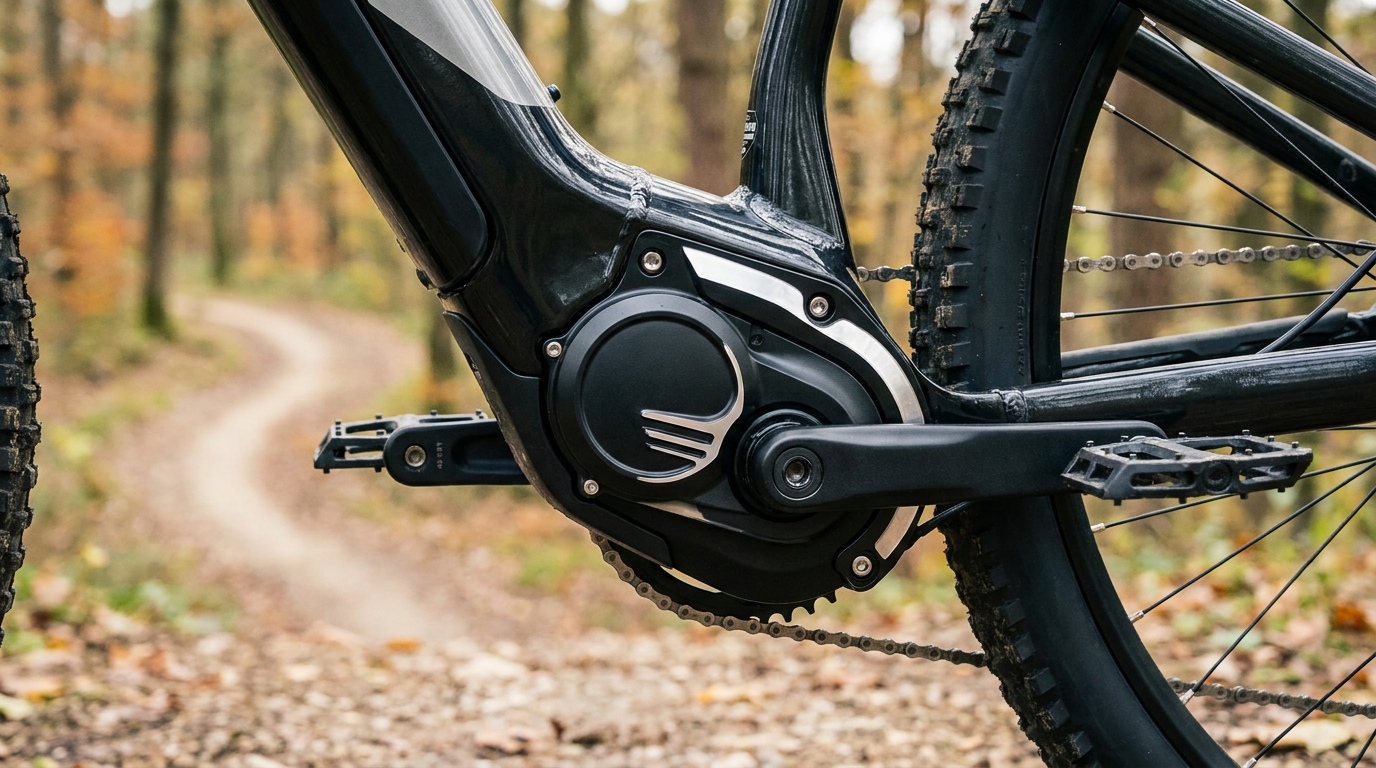
The core mechanical difference lies in where the electrical power enters the bicycle. A hub motor is sealed inside the center of the front or rear wheel, driving the wheel directly and entirely bypassing the bicycle's chain and gears. In contrast, a mid-drive motor is mounted low at the bottom bracket—directly between the pedals—and sends its power through the bike's existing chain and rear cassette.[1][5]
When evaluating the case for hub motors, the strongest argument is upfront affordability and mechanical simplicity. Because they are self-contained units that do not require custom frame integration, hub motors are significantly cheaper to manufacture and install. This allows brands to offer highly capable, entry-level electric bikes for well under two thousand dollars, making electric mobility accessible to a much broader audience.[1][4]
A secondary argument for the hub motor is drivetrain preservation. Because the motor pushes the wheel directly, it places zero additional stress on the bicycle's chain, cassette, or derailleur. Riders can shift poorly or forget to lubricate their chain entirely, and the motor will still propel them forward smoothly. Furthermore, many hub motor systems include a thumb throttle, allowing the rider to cruise without pedaling at all.[5][6]

Against the hub motor, the primary evidence points to severe inefficiency on steep terrain. Because a hub motor cannot utilize the bicycle's gears, it must rely on brute electrical force to climb hills. On sustained gradients steeper than eight percent, this lack of mechanical leverage causes the motor to draw massive amounts of current, draining the battery rapidly and risking thermal shutdown if pushed too hard for too long.[2][4]
Further evidence against the hub motor involves weight distribution and maintenance headaches. Placing a heavy copper-wound motor inside the rear wheel shifts the bike's center of gravity backward, which can make the front end feel light and compromise handling on loose surfaces. Additionally, fixing a simple flat tire becomes a complex chore, requiring the rider to disconnect heavy-duty electrical cables and wrestle with a cumbersome wheel assembly.[3][6]
Further evidence against the hub motor involves weight distribution and maintenance headaches.
Turning to the case for mid-drive motors, the most compelling argument is gear leverage and hill-climbing dominance. By running power through the chain, a mid-drive motor benefits from the rear cassette just like human legs do. When the rider shifts into a low gear, the motor's torque is multiplied, allowing it to spin at an optimal, efficient RPM while effortlessly hauling heavy cargo up punishing inclines.[2][5]
Another strong argument for the mid-drive is superior ride quality and battery efficiency. Most mid-drives utilize sophisticated torque sensors that measure exactly how hard the rider is pushing, delivering power that feels like a natural extension of the body rather than a sudden motorized surge. Because the motor operates in its most efficient RPM band, mid-drives routinely extract ten to fifteen more miles of range from the same size battery compared to a hub motor.[1][2]

Against the mid-drive motor, the data clearly shows accelerated drivetrain wear. Pushing up to 750 watts of mechanical power through a standard bicycle chain stretches the metal and grinds down cassette teeth at a highly accelerated rate. While a hub motor bike might travel 5,000 kilometers on a single chain, a mid-drive rider will often need to replace their chain and cassette every 1,500 to 3,000 kilometers, increasing long-term maintenance costs.[3][5]
Additional evidence against the mid-drive is the higher barrier to entry, both in cost and rider skill. Mid-drive systems typically add a five-hundred-dollar premium to the retail price of the bicycle. Furthermore, they require the rider to actively participate in the mechanics; if a rider forgets to downshift before stopping, the motor will struggle to accelerate from a standstill in a high gear, placing immense strain on the system.[4][6]
Synthesizing the evidence, a hub motor fits well when the rider commutes on mostly flat or gently rolling urban terrain. It is the ideal choice for budget-conscious buyers, riders who want the option of a throttle-only moped experience, and those who prefer to minimize routine mechanical maintenance. For casual weekend cruising and city errands, the hub motor offers unbeatable value.[1][4]
Conversely, a hub motor does not fit well when the route involves steep, technical off-road trails or when the rider needs to haul heavy cargo over sustained mountain passes. In these scenarios, the lack of gear leverage will quickly expose the motor's thermal and efficiency limits, leaving the rider pushing a heavy bicycle uphill.[2][3]

A mid-drive motor fits well when the rider regularly tackles steep hills, values a balanced and natural cycling feel, and wants maximum range per charge. It is the undisputed champion for electric mountain biking, heavy-duty cargo hauling, and riders who view the electric assist as an enhancement to their own athletic effort rather than a replacement for it.[3][5]
Finally, a mid-drive does not fit well when the rider wants a zero-maintenance machine or dislikes shifting gears. If a rider expects to simply twist a throttle and go without thinking about chains, derailleurs, or optimal RPMs, the added complexity and cost of a mid-drive system will ultimately prove frustrating rather than liberating.[4][7]
How we got here
Early 2010s
Direct-drive hub motors dominate the early e-bike market due to their simplicity and low manufacturing cost.
2014
Bosch introduces its first major mid-drive system, shifting the premium market toward gear-leveraged performance.
2020
Geared hub motors become the standard for entry-level bikes, offering better freewheeling and lighter weight than direct-drive models.
2026
Mid-drive systems become highly refined with advanced torque sensors, while hub motors remain the undisputed choice for budget commuters.
Viewpoints in depth
Urban Commuters' View
Advocates for the simplicity and affordability of hub motors for daily city riding.
For riders navigating flat city streets, the hub motor represents the most practical application of e-bike technology. Commuters prioritize reliability and low maintenance over raw torque. Because hub motors bypass the bicycle's drivetrain, they eliminate the accelerated chain wear that plagues mid-drive systems. Furthermore, the inclusion of a throttle allows commuters to accelerate from stoplights or arrive at the office without breaking a sweat, making the hub motor an ideal car replacement for urban environments.
Performance Cyclists' View
Argues that mid-drive motors are essential for off-road trails and steep inclines.
Mountain bikers and performance-oriented riders view the mid-drive motor as a non-negotiable requirement. By leveraging the bicycle's cassette, a mid-drive motor multiplies its torque in low gears, allowing riders to conquer 20-percent gradients that would cause a hub motor to overheat. Additionally, the centered weight distribution of a bottom-bracket motor preserves the bike's natural handling characteristics, ensuring it remains nimble and balanced when navigating technical single-track or jumping over obstacles.
Value Analysts' View
Weighs the upfront cost of mid-drives against the long-term maintenance of both systems.
From a pure cost-of-ownership perspective, the debate is highly nuanced. Mid-drive systems demand a higher initial investment—often $500 or more—and require frequent chain and cassette replacements due to the immense torque passing through the drivetrain. However, hub motors carry their own hidden costs; their heavy rear wheels make fixing a simple flat tire a labor-intensive process that bike shops often charge extra for. Analysts conclude that buyers must match their motor choice to their actual terrain to avoid paying for performance they will never use.
What we don't know
- Whether solid-state batteries will eventually make hub motors light enough to compete with mid-drives in off-road handling.
- How upcoming right-to-repair legislation will affect the proprietary software locks on premium mid-drive systems.
Key terms
- Hub Motor
- An electric motor integrated directly into the center of the front or rear wheel, driving the bike independently of the pedals.
- Mid-Drive Motor
- A motor positioned at the bike's bottom bracket that powers the chain, utilizing the bicycle's gears for mechanical advantage.
- Torque Sensor
- A mechanism that measures exactly how hard the rider is pedaling and delivers proportional motor assistance for a natural ride feel.
- Cadence Sensor
- A basic sensor that detects only whether the pedals are turning, delivering a fixed amount of power regardless of rider effort.
- Drivetrain
- The mechanical system—including the chain, cassette, and derailleur—that transfers power from the pedals to the rear wheel.
Frequently asked
Can I ride a mid-drive e-bike without pedaling?
Generally, no. Most mid-drive systems rely on pedal-assist sensors and do not include a throttle, meaning you must pedal to engage the motor.
Do mid-drive motors wear out the chain faster?
Yes. Because a mid-drive motor pushes its power directly through the bicycle's chain and gears, these components experience accelerated wear and require more frequent replacement.
Which motor is better for steep hills?
A mid-drive motor is significantly better for steep hills because it leverages the bicycle's gears to multiply torque, preventing the motor from overheating.
Are hub motors easier to maintain?
Hub motors have fewer moving parts and preserve the bike's chain, but their heavy rear-wheel placement makes fixing a simple flat tire much more difficult.
Sources
Source coverage
7 outlets
3 viewpoints surfaced






[1]HimiwayUrban Commuters
Electric bike mid drive vs hub motor efficiency
Read on Himiway →[2]EVELOPerformance Cyclists
Hub Motor vs. Mid-Drive: Which is Better?
Read on EVELO →[3]HPC BikesPerformance Cyclists
Mid-Drive vs. Hub Motor Kits: Which is Better in 2026?
Read on HPC Bikes →[4]Zeus E-BikesValue Analysts
Mid-Drive vs Hub Motor: The Definitive Canadian Guide
Read on Zeus E-Bikes →[5]Bike Yard OnlinePerformance Cyclists
Hub motor vs mid-drive: The 2026 guide
Read on Bike Yard Online →[6]ebikes.orgUrban Commuters
Mid-Drive vs. Hub-Drive E-Bikes
Read on ebikes.org →[7]Factlen Editorial TeamValue Analysts
Synthesis by Factlen editorial team
Read on Factlen Editorial Team →

More in shopping
See all 6 stories →Home Electrification
The 2026 Guide to Buying a Heat Pump: Navigating SEER2, Cold-Climate Tech, and Rebates
8 sources
Sleep Wearables
The Science of Sleep Trackers: What Oura, Whoop, and Apple Watch Actually Measure
7 sources

E-Bikes
The Ultimate 2026 E-Bike Buying Guide: How to Choose the Right Electric Bicycle
7 sources
Rider Aids
The Invisible Co-Pilot: How IMUs and Cornering ABS Are Revolutionizing Motorcycle Safety
8 sources
Every angle. Every day.
Get shopping stories with full source coverage and perspective breakdowns delivered to your inbox.