
How the US-Iran Peace Deal is Reshaping Global Markets and Energy Prices
The reopening of the Strait of Hormuz following an interim peace agreement has triggered a sharp drop in global oil prices, offering immediate relief to energy-importing nations. However, central banks remain cautious, warning that sticky core inflation may delay broader interest rate cuts.
By Factlen Editorial Team
- Monetary Hawks
- Maintain that underlying economic demand and wage growth are still too hot, requiring sustained high interest rates despite cheaper oil.
- Macroeconomic Doves
- Argue that the collapse in energy prices removes the primary driver of inflation, clearing the path for immediate rate cuts.
- Emerging Market Analysts
- Focus on the immediate fiscal relief for developing nations that were facing currency crises due to exorbitant energy import costs.
What's not represented
- · Environmental advocates concerned that cheaper oil will slow the transition to renewable energy.
- · Domestic oil producers facing sudden revenue drops due to the global price collapse.
Why this matters
The unblocking of the world's most critical oil chokepoint directly lowers fuel costs for consumers and businesses globally, averting a feared global depression. Yet, how central banks react to this relief will determine mortgage rates, borrowing costs, and the trajectory of the global economy for the rest of the year.
Key points
- The US-Iran interim peace deal has reopened the Strait of Hormuz, allowing trapped oil and gas shipments to resume.
- Global crude prices have dropped sharply, providing immediate relief to energy-heavy economies in Southeast Asia.
- Consumers are expected to see lower fuel and utility costs in the coming weeks as wholesale price drops filter down.
- Despite the drop in headline inflation, central banks like the Federal Reserve remain hesitant to cut interest rates.
- Markets are pricing in a normalization of global supply chains, though the interim nature of the deal keeps long-term volatility in play.
The signing of an interim peace agreement between the United States and Iran has sent immediate shockwaves through global financial markets, fundamentally altering the economic outlook for the second half of 2026. For months, the specter of a prolonged conflict and the effective closure of the Strait of Hormuz had choked off vital energy supplies, threatening to plunge the global economy into a deep depression. Now, with maritime chokepoints reopening, the immediate threat of an energy-driven economic collapse has evaporated, triggering a massive recalibration across equities, commodities, and bond markets.[4][5]
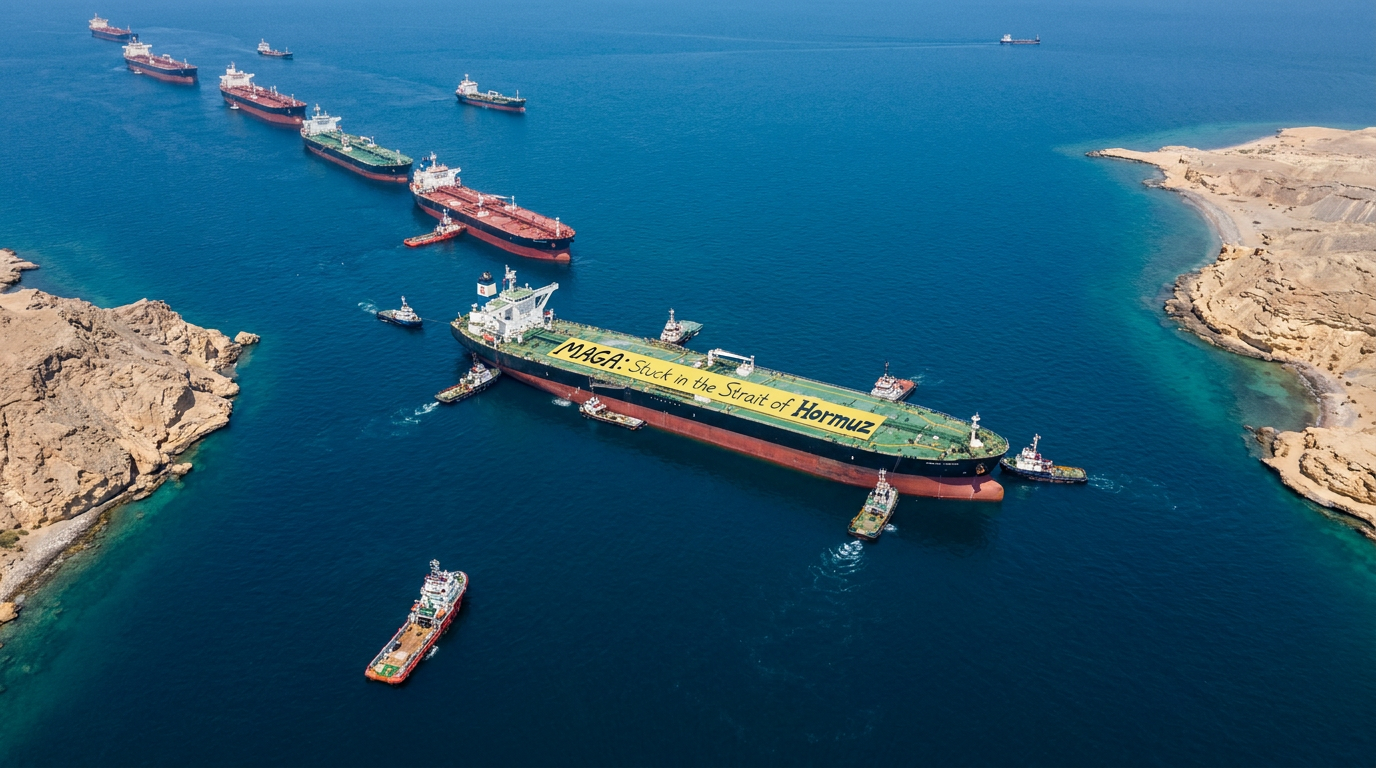
The mechanism driving this sudden market relief is the unblocking of the Strait of Hormuz, a narrow waterway between the Persian Gulf and the Gulf of Oman. Historically, roughly 20 percent of the world's total oil consumption passes through this 21-mile-wide chokepoint. When hostilities escalated earlier this year, insurance premiums for commercial shipping skyrocketed, and physical blockades forced energy conglomerates to halt shipments entirely. The resumption of safe passage means millions of barrels of trapped crude oil and liquefied natural gas are suddenly flooding back into the global market, rapidly driving down wholesale prices.[5][8]

The economic damage inflicted during the closure was severe and unevenly distributed, heavily punishing nations that rely on imported energy. Southeast Asian economies bore the brunt of the crisis, with corporate earnings in the Philippines and Thailand suffering the region's worst downgrades. Because these nations lack substantial domestic energy reserves, the sudden spike in import costs decimated industrial profit margins and drained foreign currency reserves. The peace deal effectively acts as a massive, unexpected stimulus package for these emerging markets, instantly lowering their import bills and stabilizing their currencies.[2]
For everyday consumers across the globe, the geopolitical breakthrough is expected to translate into tangible financial relief within weeks. Wholesale fuel and gas prices have already plummeted in response to the treaty, a drop that will soon filter down to local gas stations and residential utility bills. Analysts project that the reduction in basic energy costs will free up billions of dollars in discretionary consumer spending, providing a vital tailwind for retail and service sectors that had been bracing for a severe recession.[1]
However, the dramatic plunge in energy prices is creating a complex dilemma for the world's central banks, particularly the United States Federal Reserve. While "headline inflation"—the raw number that includes volatile food and energy costs—is guaranteed to drop sharply, central bankers remain intensely focused on "core inflation." Core metrics strip out energy prices to measure the underlying heat of the economy, such as housing, healthcare, and wage growth. Currently, those core metrics remain stubbornly elevated, complicating the narrative that the peace deal will immediately usher in an era of cheap borrowing.[1][7]

However, the dramatic plunge in energy prices is creating a complex dilemma for the world's central banks, particularly the United States Federal Reserve.
This disconnect between falling oil prices and sticky underlying inflation explains why certain asset classes are not reacting as one might expect. Gold, traditionally a safe-haven asset that thrives in low-interest-rate environments, is actually on track for a weekly loss. Investors are realizing that a hawkish Federal Reserve is likely to keep interest rates higher for longer, outweighing the immediate euphoria of the peace deal. The bond market is signaling that while the energy crisis is over, the broader fight against systemic inflation is not.[3]
The political framing of the economic rescue is already taking shape in Washington. Former President Donald Trump has characterized the negotiated settlement as an "unconditional surrender" by Iran, claiming that the aggressive diplomatic intervention was the only way to prevent the conflict from triggering a global depression. Regardless of the partisan rhetoric, macroeconomic data supports the assertion that a prolonged closure of the Strait of Hormuz would have tipped several major Western economies into negative GDP growth by the third quarter.[4]
Beyond the immediate energy markets, the unblocking of Middle Eastern shipping routes is accelerating the normalization of global supply chains. For months, commercial vessels were forced to take massive detours around the Cape of Good Hope to avoid the conflict zone, adding weeks to transit times and doubling freight costs. The return to standard routing through the Red Sea and the Suez Canal is expected to slash shipping rates, lowering the cost of imported manufactured goods from Asia to Europe and North America.[6]

Despite the widespread relief, energy-importing nations are treating the interim deal as a wake-up call rather than a permanent fix. The vulnerability exposed by the Hormuz closure has accelerated strategic discussions in Tokyo, Seoul, and Berlin about energy independence. Policymakers are acutely aware that the current agreement is "interim," meaning the geopolitical risk premium has been reduced but not eliminated. Consequently, state-backed investments in renewable energy infrastructure and domestic nuclear pilot programs are expected to continue at an aggressive pace to insulate economies from future Middle Eastern volatility.[8]
The corporate sector is also undergoing a rapid recalibration in the wake of the agreement. Multinational manufacturing firms, particularly in the automotive and heavy machinery sectors, are revising their forward-looking earnings guidance upward. During the height of the crisis, many of these companies had paused capital expenditures and implemented hiring freezes, anticipating a severe margin squeeze from exorbitant power costs. With energy futures now stabilizing at pre-conflict levels, corporate boards are unlocking frozen budgets, signaling a potential rebound in business investment in the latter half of the year.[6]

Looking ahead, the global economy faces a transitional period as the shockwaves of the peace deal settle. Financial markets must now pivot from pricing in apocalyptic supply shortages to navigating a more traditional, albeit sluggish, macroeconomic environment. The ultimate success of this economic recovery will depend not just on the flow of oil through the Strait of Hormuz, but on whether central banks can successfully thread the needle—cooling core inflation without suffocating the growth unleashed by cheaper energy.[5][7]
Ultimately, the US-Iran interim pact serves as a stark reminder of the fragile interconnectedness of the modern global economy. A localized geopolitical dispute effectively held the world's inflation rate hostage, demonstrating that despite decades of diversification efforts, fossil fuel chokepoints remain the Achilles' heel of global commerce. As the immediate crisis fades, the legacy of the 2026 Hormuz closure will likely be a permanent shift in how nations value energy security, fundamentally altering the calculus of global trade long after the ink on the peace treaty has dried.[5][8]
How we got here
Early 2026
Conflict escalates, leading to the effective closure of the Strait of Hormuz to commercial shipping.
Spring 2026
Global energy prices spike, severely impacting import-reliant economies in Asia and Europe and threatening a global depression.
June 18, 2026
The US and Iran sign an interim peace agreement, agreeing to unblock maritime chokepoints.
June 19, 2026
Global markets react with a sharp sell-off in crude oil and a recalibration of inflation expectations.
Viewpoints in depth
Energy-Importing Nations
Relief mixed with caution, accelerating the transition away from fossil fuels to avoid future blackmail.
For governments in Tokyo, Seoul, and Berlin, the reopening of the Strait of Hormuz is a massive fiscal relief, but it has fundamentally altered their long-term strategic planning. Having stared down the barrel of a global depression caused by a single maritime chokepoint, these nations are now treating energy independence as a critical national security imperative. Expect to see accelerated state funding for domestic nuclear pilot programs and renewable grids, as policymakers attempt to permanently decouple their economies from Middle Eastern geopolitical volatility.
Central Bankers
Skeptical of the energy drop's permanence, focused on underlying services inflation before cutting rates.
Monetary policymakers at the Federal Reserve and the European Central Bank are viewing the peace deal through a lens of extreme caution. While they welcome the drop in headline inflation, their primary mandate is to ensure that systemic price increases—driven by wage growth, housing, and services—are fully extinguished. Central bankers fear that cutting interest rates too quickly in response to a temporary drop in oil prices could reignite demand, forcing them to hike rates again if the 'interim' peace deal collapses later in the year.
Global Shipping Industry
Rapidly rerouting vessels back through the Red Sea and Hormuz, anticipating a collapse in elevated freight premiums.
Logistics conglomerates and maritime insurers are scrambling to normalize operations after months of chaos. The forced detours around the Cape of Good Hope had artificially constrained the global supply of shipping containers and driven up freight rates to pandemic-era highs. With the chokepoints cleared, the industry is bracing for a rapid deflation in shipping costs, which will benefit global retailers but severely compress the profit margins of the major ocean freight carriers that capitalized on the crisis.
What we don't know
- Whether the 'interim' peace deal will hold long enough to be formalized into a permanent diplomatic treaty.
- Exactly how quickly the drop in wholesale energy prices will translate to consumer utility bills and retail goods.
- If the Federal Reserve will view the energy relief as sufficient to begin cutting interest rates in the third quarter of 2026.
Key terms
- Strait of Hormuz
- A narrow waterway between the Persian Gulf and the Gulf of Oman through which roughly 20 percent of the world's oil supply passes.
- Headline Inflation
- The raw inflation figure reported through the Consumer Price Index, which includes volatile components like food and energy.
- Core Inflation
- An inflation metric that strips out food and energy prices to reveal underlying economic price trends, such as housing and services.
- Hawkish
- A monetary policy stance that prioritizes controlling inflation, typically by keeping interest rates high to cool down the economy.
Frequently asked
Will gas prices go down immediately?
Wholesale energy prices have already dropped significantly, but it typically takes a few weeks for these savings to reach local gas stations and residential utility bills.
Does this mean the Federal Reserve will cut interest rates?
Not necessarily. Central banks are currently focusing on 'core inflation,' which excludes energy prices and remains stubbornly high due to housing and wage growth.
Why were Asian economies hit so hard by the closure?
Countries like the Philippines and Thailand rely heavily on imported oil and gas, making their corporate earnings and national budgets highly vulnerable to supply shocks in the Middle East.
Sources
Source coverage
8 outlets
3 viewpoints surfaced







[1]BBCMacroeconomic Doves
Five ways the Iran peace deal could affect you and your money
Read on BBC →[2]BloombergMonetary Hawks
Philippine, Thai Earnings Southeast Asia’s Worst Hit by Iran War
Read on Bloomberg →Gold Set for Weekly Loss as Hawkish Fed Outweighs Peace Deal
Read on Bloomberg →[4]CNBCMacroeconomic Doves
Trump claims Iran deal is 'unconditional surrender,' says his power has 'no limits': Axios
Read on CNBC →[5]ReutersEmerging Market Analysts
Oil plunges as Strait of Hormuz reopens following US-Iran interim pact
Read on Reuters →[6]Financial TimesEmerging Market Analysts
Global supply chains brace for normalization as Middle East tensions cool
Read on Financial Times →[7]Wall Street JournalMonetary Hawks
Fed officials signal caution on rate cuts despite energy price relief
Read on Wall Street Journal →[8]Al JazeeraEmerging Market Analysts
Energy markets react as Tehran and Washington sign interim agreement
Read on Al Jazeera →

Every angle. Every day.
Get business stories with full source coverage and perspective breakdowns delivered to your inbox.