
How Adaptive Tech and Audio Cues Are Turning Esports Into the Ultimate Level Playing Field
Driven by modular controllers and innovative sound design, competitive gaming is breaking down physical barriers, allowing disabled players to compete at the highest professional levels.
By Factlen Editorial Team
- Accessibility Advocates
- Organizations pushing for universal design in gaming software and hardware.
- Hardware & Software Engineers
- The developers tasked with translating complex visual data into accessible formats.
- Competitive Disabled Athletes
- The players utilizing these tools to compete at the highest levels.
- Neutral Analysts
- Observers tracking the broader impact of accessibility on the esports industry.
What's not represented
- · Tournament Organizers
- · Able-bodied Professional Players
Why this matters
Esports is emerging as one of the few competitive arenas where disabled and able-bodied athletes can compete head-to-head. The standardization of adaptive hardware and accessible software ensures that millions of disabled individuals can participate in the cultural and competitive touchstone of modern gaming.
Key points
- Blind gamer Sven Van de Wege won a main-stage match at Evo 2023 using only audio cues.
- Street Fighter 6 features a dynamic soundscape that translates spatial data and attack heights into precise audio signals.
- Modular hardware like the PlayStation Access controller allows players to customize inputs to their specific physical needs.
- Dedicated disabled esports organizations are fielding professional rosters in major competitive titles.
The roar of the crowd inside the Mandalay Bay arena at Evo 2023 was deafening. Nearly 10,000 fans had gathered for the world's largest fighting game tournament, but the most electric moment of the weekend didn't happen in the grand finals. It happened in a preliminary pool match for Street Fighter 6. Sven "BlindWarriorSven" Van de Wege, a competitor who lost his sight to cancer at the age of six, sat on the main stage wearing a black blindfold. Relying entirely on the game's sound design, he anticipated his opponent's movements, executed a flawless combo, and landed a devastating E. Honda headbutt to secure a 2-1 victory. As the crowd erupted, it became clear that the definition of a professional gamer was changing.[2]
For decades, competitive video gaming was assumed to be an inherently able-bodied pursuit. The highest echelons of esports demand rapid visual processing, split-second reaction times, and complex, two-handed motor control. Tournaments were gated by the assumption that every player could see a monitor and manipulate a standard plastic gamepad with ten highly dexterous fingers.[1]
But a quiet revolution in both software engineering and adaptive hardware has fundamentally altered the competitive landscape. Today, esports is emerging as one of the few professional arenas in the world where disabled and able-bodied athletes can compete head-to-head on a genuinely level playing field. Driven by modular controllers and innovative sound design, the industry is shifting from merely offering "accessible gaming" to providing true competitive parity.[1][5]
The mechanism driving this shift is twofold, beginning with how developers are rethinking software. In the past, visually impaired players had to rely on standard sound effects—like the generic thud of a punch or the swoosh of a fireball—to guess what was happening on screen. In Street Fighter 6, Capcom introduced a dynamic, engineered soundscape specifically designed to replace visual information with high-fidelity auditory data.[3]
Instead of relying on sight to judge spacing, players can activate a persistent pinging sound that rises in pitch as characters move closer together and drops as they separate. Distinct audio cues signal whether an incoming attack is high, mid, or low. There are even specific sounds to indicate when an opponent is attempting a "cross-up"—a tricky maneuver where a character jumps over the defender to strike from behind.[3]

By translating spatial data and animation frames into a precise auditory map, the game allows players like Sven to react to attacks they cannot see. They can monitor their own health bars, track their special move meters, and execute split-second blocks relying entirely on the game's audio mix. It transforms a visual martial arts simulation into a complex rhythm and sound game.[2][3]
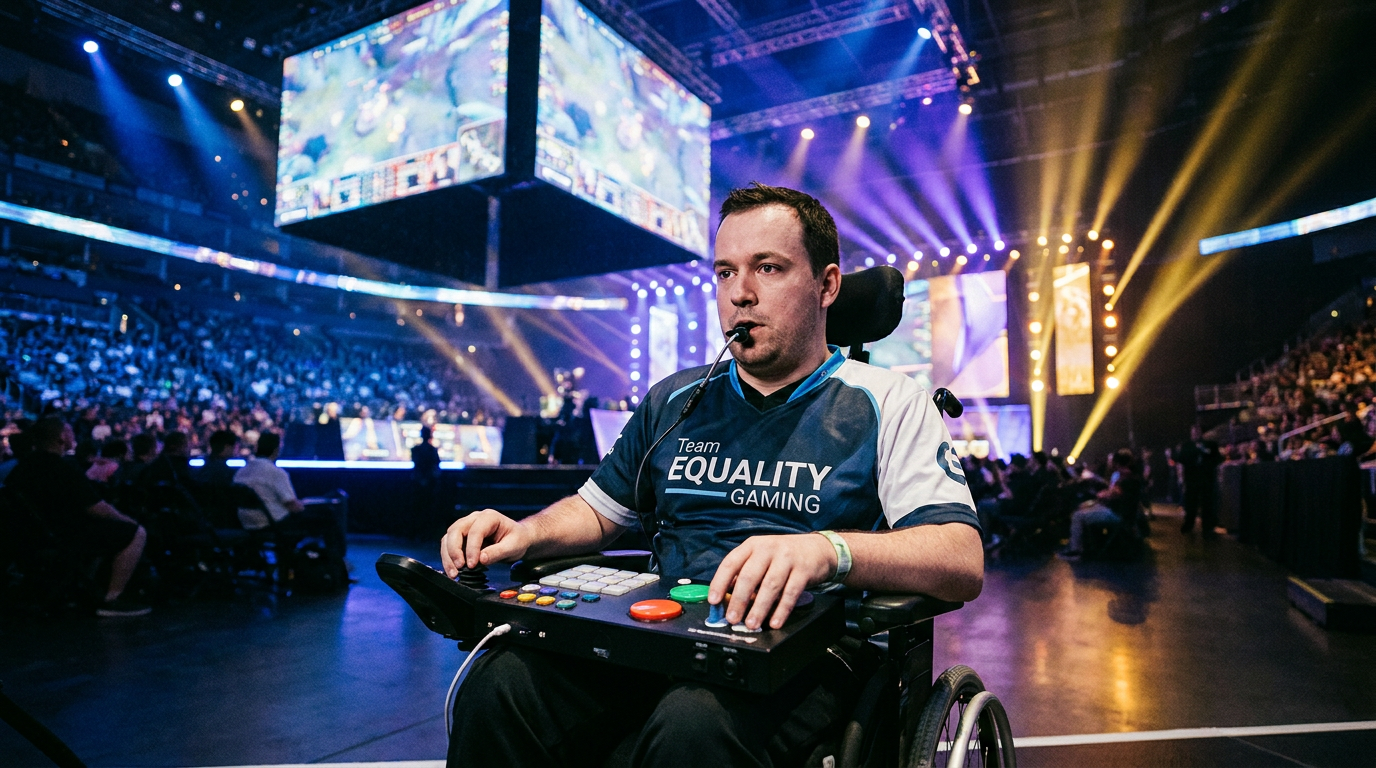
While software solves the visual barrier, the hardware industry has had to dismantle the physical one. The traditional controller is a rigid device that assumes a very specific range of motion. For players with spinal cord injuries, muscular dystrophy, or limb differences, standard gamepads are often painful or entirely unusable, locking them out of the digital arena regardless of their strategic brilliance.[1][7]
While software solves the visual barrier, the hardware industry has had to dismantle the physical one.
The solution has been radical modularity. Following Microsoft's pioneering Xbox Adaptive Controller, Sony entered the space in late 2023 with the PlayStation Access controller. Rather than forcing the player to adapt to the shape of the controller, these devices are designed to adapt to the physical realities of the player.[4]
The Access controller is a circular, highly customizable kit that can be laid flat on a wheelchair tray or mounted to standard accessibility equipment using industry-standard screw patterns. It features 19 swappable button caps of various shapes and sizes—including flat, curved, and overhang designs—and a joystick that can be oriented in any 360-degree direction to accommodate limited wrist mobility.[4][7]

Crucially, these adaptive hubs include multiple expansion ports. This allows players to plug in third-party switches, foot pedals, and breath-operated "sip-and-puff" tubes. A player paralyzed from the neck down can map a complex fighting game combo or a precise sniper shot to a single bite-switch or a slight head movement, bridging the gap between their tactical intent and the game's digital execution.[4][7]
This technological parity is fostering a new tier of competitive organizations and advocacy groups. Organizations like AbleGamers have spent nearly two decades pushing the industry to view accessibility not as a charitable afterthought, but as a core design principle. Their work has helped standardize the tools that make competitive play possible for the estimated 1.3 billion people globally who experience significant disabilities.[4][5]
Meanwhile, dedicated disabled esports organizations are fielding professional rosters that prove the efficacy of these tools. Sweden-based Para Esports, for example, hosts a competitive Counter-Strike: Global Offensive team named PARA.Ghost. The squad is composed entirely of players with Duchenne Muscular Dystrophy, a progressive muscle-wasting disease.[6]
For these players, the digital server strips away real-world physical limitations. In a tactical shooter or a fighting game, a player's real-world mobility is irrelevant. When equipped with the right adaptive inputs, the only things that matter are their strategic mind, their map awareness, and their mastery of the game's mechanics.[1][6]

Despite these massive strides, significant challenges remain in the quest for total parity. While fighting games and racing simulators have successfully implemented comprehensive non-visual cues, complex 3D shooters and sprawling strategy games still struggle to convey their chaotic environments purely through sound. Furthermore, menu navigation in many major titles still lacks full text-to-speech support, requiring blind players to memorize exact button sequences or seek sighted assistance just to queue up for a match.[1][3]
Yet the trajectory of the industry is clear, and the momentum is irreversible. The applause that shook the Evo arena wasn't just for a single victory; it was a recognition that the gates to competitive gaming have been permanently forced open. As adaptive technology becomes cheaper and more standardized, the next global esports champion could very well be someone who plays without ever looking at a screen or holding a traditional controller.[1][2]
How we got here
2004
AbleGamers is founded to advocate for accessibility in the video game industry.
September 2018
Microsoft releases the Xbox Adaptive Controller, pioneering modular accessibility hardware.
June 2023
Capcom launches Street Fighter 6 with an unprecedented suite of audio accessibility features.
August 2023
BlindWarriorSven wins a main-stage match at Evo 2023, showcasing the power of audio cues.
December 2023
Sony releases the PlayStation Access controller, expanding hardware options for disabled gamers.
Viewpoints in depth
Accessibility Advocates
Organizations pushing for universal design in gaming software and hardware.
Groups like AbleGamers argue that gaming is a fundamental social and cultural touchstone. They emphasize that accessibility should not be an afterthought patched in post-release, but a core pillar of game development. Their goal is "plug-and-play" parity, where disabled gamers can buy a title on launch day and immediately compete alongside their able-bodied peers without needing expensive, custom-engineered workarounds.
Hardware & Software Engineers
The developers tasked with translating complex visual data into accessible formats.
For engineers at companies like Capcom and Sony, the challenge lies in information density. In a fighting game running at 60 frames per second, conveying distance, meter levels, and attack vectors purely through sound requires meticulous audio mixing so the cues don't become a chaotic wall of noise. Hardware designers face a similar puzzle: creating a single device that can adapt to a spinal cord injury, muscular dystrophy, or a limb difference, while remaining durable enough for professional esports.
Competitive Disabled Athletes
The players utilizing these tools to compete at the highest levels.
For the athletes themselves, the focus is on competition, not just participation. Players like BlindWarriorSven and the members of Para Esports view adaptive tech as the great equalizer. They don't want separate, easier leagues; they want the tools to execute their strategies in the main tournament brackets. For them, the digital arena is a space where physical limitations vanish, leaving only skill, reaction time, and game knowledge.
What we don't know
- How quickly complex 3D shooters and strategy games can implement the same level of non-visual audio cues seen in fighting games.
- Whether major tournament organizers will standardize rules for highly customized, 3D-printed adaptive controllers to ensure competitive fairness.
- When full text-to-speech menu navigation will become a mandatory standard for all AAA competitive titles.
Key terms
- Audio Cues
- Specific sound effects designed to convey gameplay information, such as character distance or attack height, without relying on visuals.
- Cross-up
- A fighting game attack where a character jumps over their opponent and strikes from behind, requiring the defender to block in the opposite direction.
- Adaptive Hardware
- Technology modified or specifically designed to be usable by individuals with physical disabilities, such as modular controllers or sip-and-puff switches.
- Evo
- The Evolution Championship Series, the world's largest and longest-running annual esports tournament dedicated exclusively to fighting games.
Frequently asked
How do blind players compete in fighting games?
They rely on specialized audio cues built into the game, such as dynamic pitch changes that indicate the distance between characters and distinct sounds for different types of attacks.
What is an adaptive controller?
It is a highly customizable gaming device designed for players with limited mobility, featuring swappable buttons, mountable joysticks, and expansion ports for external switches.
Are there esports teams exclusively for disabled gamers?
Yes. Organizations like Para Esports host competitive teams, such as a Counter-Strike squad where all players have Duchenne Muscular Dystrophy.
Sources
Source coverage
7 outlets
4 viewpoints surfaced







[1]Factlen Editorial TeamNeutral Analysts
Synthesis by Factlen editorial team
Read on Factlen Editorial Team →[2]KotakuCompetitive Disabled Athletes
Blind Street Fighter 6 Player Wins Hearts And Minds At EVO 2023
Read on Kotaku →[3]PCMagHardware & Software Engineers
Street Fighter 6 Director, Producer Talk Roster, Accessibility, and More
Read on PCMag →[4]Sony Interactive EntertainmentHardware & Software Engineers
The Access controller: One year on
Read on Sony Interactive Entertainment →[5]AbleGamersAccessibility Advocates
Creating Opportunities That Enable Play
Read on AbleGamers →[6]Para EsportsCompetitive Disabled Athletes
Different Is The New Cool
Read on Para Esports →[7]New MobilityAccessibility Advocates
Review: PlayStation Access Controller
Read on New Mobility →
More in sports
See all 9 stories →Coaching Turnaround
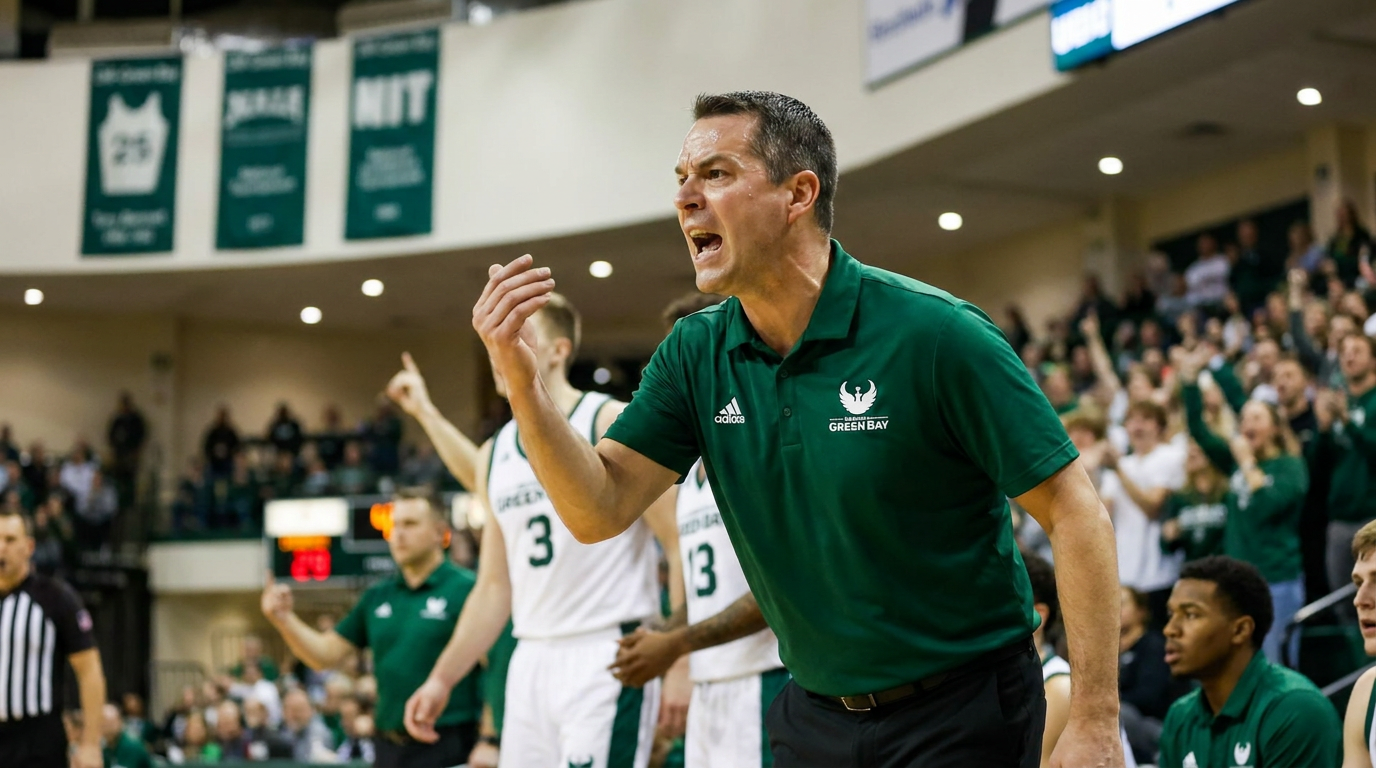
Green Bay Rewards Doug Gottlieb with Contract Extension After Historic Turnaround
5 sources
Tailender Evolution
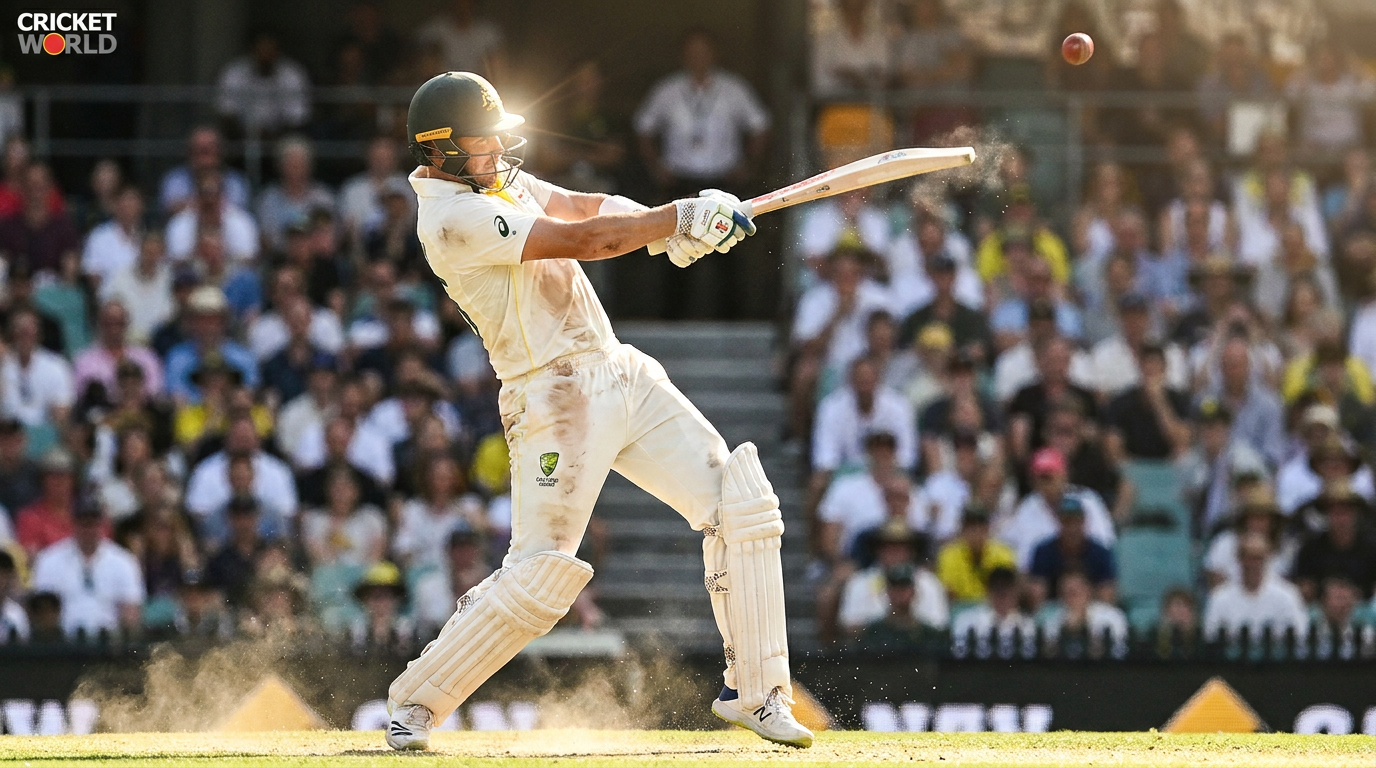
Matt Fisher's Maiden Fifty Highlights the Tactical Evolution of the Test Cricket Tailender
6 sources
Storyline
Lionel Messi Ties All-Time World Cup Goal Record With Hat-Trick in Argentina's 2026 Opener
8 sources

Tactics
Spain's 'Tiki-Taka 2.0' Faces Early Test: Inside Luis de la Fuente's 2026 World Cup Tactics
6 sources

Every angle. Every day.
Get sports stories with full source coverage and perspective breakdowns delivered to your inbox.