
Global Basketball Injury Report: NBA Finals Resilience, WNBA Recoveries, and EuroLeague Health Data
As the 2026 NBA Finals test the endurance of the Knicks and Spurs, global basketball leagues are showcasing the impact of modern sports medicine through high-profile returns and strategic injury prevention.
By Factlen Editorial Team
- Medical Staff & Trainers
- Focusing on sustainable recovery and injury prevention.
- Coaching & Management
- Balancing immediate competitive stakes with player fatigue.
- The Players
- Demonstrating resilience and the drive to compete through pain.
What's not represented
- · Independent sports medicine researchers analyzing the long-term impact of condensed global schedules.
Why this matters
Modern sports medicine is fundamentally changing how athletes recover from injuries, allowing fans to watch their favorite players compete at the highest levels rather than sitting on the sidelines. The proactive health strategies deployed across global basketball leagues offer a blueprint for athletic longevity and resilience.
Key points
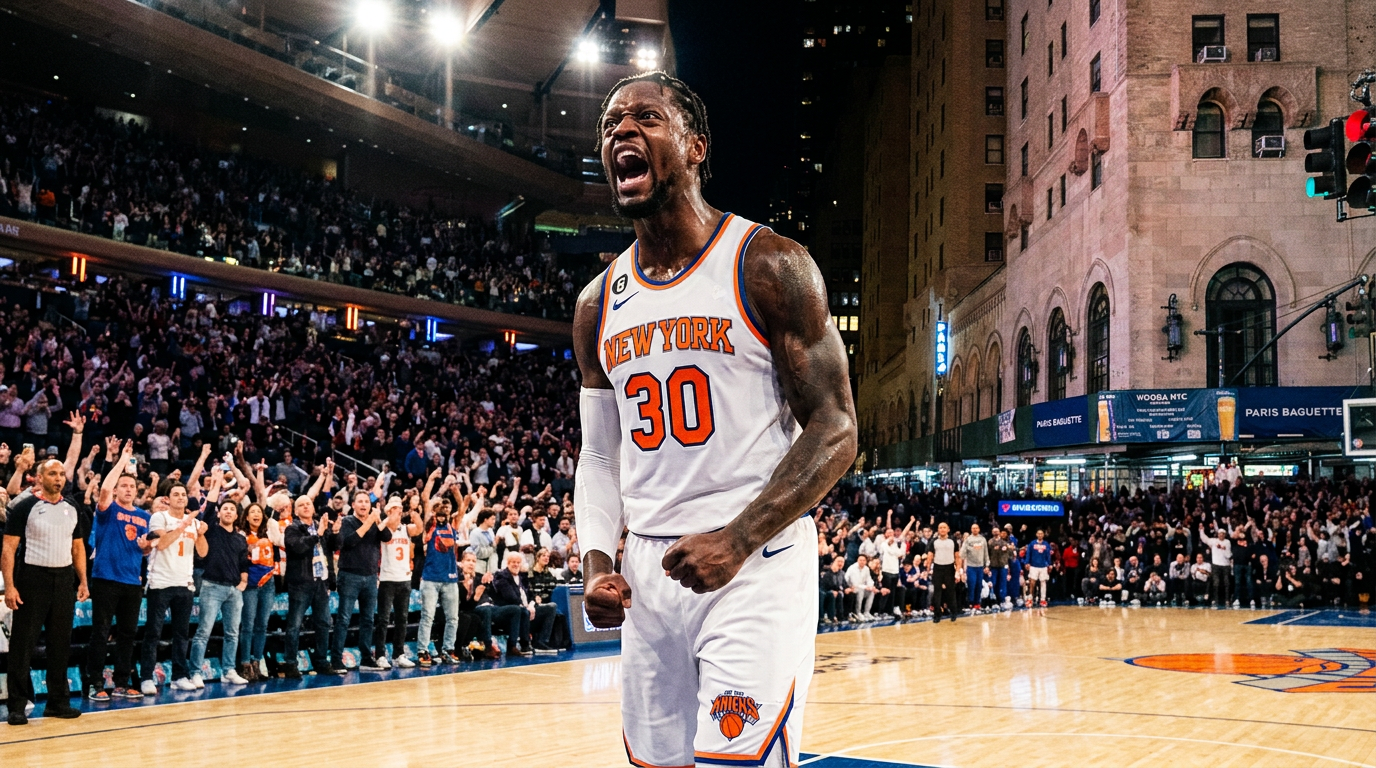
- Jalen Brunson returned from a Game 1 knee collision to score 30 points, alleviating concerns about his Finals availability.
- Knicks center Mitchell Robinson is playing through the NBA Finals just days after undergoing successful surgery on his right pinky.
- The Spurs are actively monitoring Victor Wembanyama's heavy minute load to preserve his stamina for the remainder of the championship series.
- The Golden State Valkyries are utilizing a cautious, progressive rehabilitation approach for Kate Martin's grade-two quadriceps strain.
- EuroLeague data revealed AS Monaco as the 2025-26 season's healthiest team, while Real Madrid boasted the fastest injury recovery times.
June represents the crucible of the global basketball calendar, a month where championships are decided, new seasons find their rhythm, and the physical toll of the sport comes into sharp focus. Across the NBA, WNBA, and EuroLeague, the narrative of the 2026 season is being heavily shaped by how teams manage health, navigate recoveries, and deploy modern sports medicine. Rather than a story of attrition, recent weeks have highlighted remarkable athletic resilience and strategic foresight, with marquee players returning to the hardwood to deliver season-defining performances. From the high-stakes environment of the NBA Finals to the meticulous rehabilitation programs of the WNBA, the ability to overcome physical adversity has become the ultimate competitive advantage.
The most visible theater of this physical resilience is the 2026 NBA Finals, where the New York Knicks and the San Antonio Spurs are battling for the championship. The series immediately tested the Knicks' fortitude during Game 1, when star point guard Jalen Brunson collided with Spurs forward Harrison Barnes. The impact to Brunson's right knee sent a collective gasp through Madison Square Garden, as the guard limped off the court and retreated to the locker room for medical evaluation. Given Brunson's pivotal role in guiding New York back to the Finals for the first time since 1999, the momentary absence threatened to derail the team's momentum.[2]
However, the scare proved to be brief, underscoring the effectiveness of the Knicks' medical staff and Brunson's own durability. He returned to the bench shortly after the collision and re-entered the game, showing no lingering effects from the contact. Brunson ultimately orchestrated a 105-95 comeback victory, pouring in 30 points—including 13 in the decisive fourth quarter—while logging heavy minutes against a physical San Antonio defense. Following the triumph, Brunson quickly alleviated any lingering concerns about his availability for the remainder of the series, simply stating during his post-game interview that he would be perfectly fine moving forward.[3]
Brunson is not the only Knick playing through the physical demands of a deep postseason run. Center Mitchell Robinson entered the Finals just five days removed from undergoing successful surgery to repair a right pinky injury. Despite the remarkably tight turnaround, Robinson was cleared to participate fully in practice and took the floor for Game 1 wearing a protective brace on his hand. His presence is considered absolutely vital for New York's defensive strategy, specifically in providing the necessary physicality and rim protection to contend with San Antonio's towering frontcourt. The willingness to play through discomfort underscores the heightened stakes of the championship round.[1]

The Knicks' roster depth has also been bolstered by the successful rehabilitation of forward OG Anunoby, who previously missed time during the Eastern Conference semifinals with a hamstring strain. Anunoby's methodical recovery allowed him to return at full strength for the conference finals and the championship series, providing crucial two-way stability on the perimeter. The collective ability of New York's core to absorb injuries, undergo rapid rehabilitation, and return to high-level competition has been a defining characteristic of their 2026 championship pursuit, proving that durability is just as important as tactical execution.[1]
On the opposing sideline, the San Antonio Spurs are navigating their own health and endurance challenges, primarily centered around managing the workload of their 7-foot-4 franchise centerpiece, Victor Wembanyama. As the series progressed into Game 3, Wembanyama logged a grueling 44 minutes of court time, finishing with 24 points, 13 rebounds, and three blocks. However, the extended playing time visibly drained the young star, who admitted to lacking his desired strength and explosiveness in the closing moments of the narrow 107-106 defeat. The sheer physical output required to anchor a team in the Finals is testing the limits of his conditioning.[4]
The heavy reliance on Wembanyama prompted immediate reflection from the San Antonio coaching staff regarding minute management and long-term stamina. Spurs head coach Mitch Johnson openly acknowledged the need to better monitor his star's energy reserves, emphasizing the importance of ensuring Wembanyama has the necessary fuel to close out highly contested Finals matchups. Johnson noted that he must help the center maintain the energy required to finish games strongly. This strategic adjustment highlights the delicate balance teams must strike between maximizing their best players' impact and protecting them from the compounding fatigue of a deep playoff run.[4]

The heavy reliance on Wembanyama prompted immediate reflection from the San Antonio coaching staff regarding minute management and long-term stamina.
San Antonio's frontcourt rotation faced additional complications ahead of Game 5, with backup center Luke Kornet listed as questionable due to an undisclosed illness. While Kornet's minutes had been limited earlier in the series—playing just four minutes in Game 3—his potential absence further thins the Spurs' depth chart, placing even more responsibility on Wembanyama and the starting unit. Managing these sudden roster shifts, whether due to acute illness or cumulative wear and tear, remains a critical variable as the Finals reach their climax and rotation flexibility becomes increasingly scarce.[4]
While the NBA crowns its champion, the WNBA is in the early stages of its 2026 regular season, where teams are taking a decidedly cautious and forward-looking approach to player health. The Golden State Valkyries, navigating their sophomore campaign, have provided a textbook example of modern injury management with guard Kate Martin. After Martin suffered a grade-two right quadriceps strain in late April, the Valkyries' medical team implemented a supervised rehabilitation program focused on progressive loading and sport-specific conditioning, rather than rushing her back to the court for early-season matchups.[5]
A grade-two strain involves a partial tear of muscle fibers and typically requires a two-to-four-week recovery window, depending on the athlete's response to treatment. By prioritizing a full functional return over immediate game availability, Golden State aims to ensure that Martin can execute the quick lateral movements and sprinting demands of the WNBA without the risk of re-injury. This methodical approach reflects a broader league-wide trend of valuing long-term player health and sustained performance over short-term roster needs, especially early in the grueling summer schedule.[5]

Similar injury management strategies are playing out across the WNBA landscape as teams look to preserve their rosters for the long haul. The Chicago Sky recently ruled out veteran guard Moriah Jefferson due to a leg injury ahead of a crucial Eastern Conference matchup against the Washington Mystics. With teams navigating the condensed schedule of the WNBA Commissioner's Cup, medical staffs are frequently opting to sideline players at the first sign of physical distress, preventing minor ailments from evolving into season-ending catastrophes that could derail playoff aspirations.[6]
The tangible benefits of proactive health management are perhaps best illustrated by the recently released EuroLeague injury data for the 2025-26 season. The comprehensive report, compiled by the EuroLeague medical department, analyzed which clubs were most and least affected by player absences over the course of the grueling European campaign. AS Monaco emerged as the healthiest organization in the competition, a feat their strength and conditioning staff attributed to highly individualized training regimens, the professionalism of the roster, and a seamless collaboration between coaches and physiotherapists to monitor player load.[7]
The EuroLeague data also shed light on the varying recovery timelines across the continent, highlighting the disparity in medical resources and rehabilitation protocols. Real Madrid led the league in rehabilitation efficiency, with their injured players missing an average of just 2.5 games before returning to action. This rapid turnaround time underscores the competitive advantage gained by organizations that invest heavily in elite medical infrastructure, advanced recovery technologies, and precise load management protocols to get their athletes back on the floor safely and swiftly.[7]

Conversely, teams that struggled to mitigate the impact of injuries found themselves at a severe disadvantage in the EuroLeague standings. Partizan Belgrade was identified as the most heavily impacted team in the competition, with their injured players missing an average of 8.3 games per incident. The stark contrast between Monaco's preventative success and Partizan's injury woes highlights how physical health has become just as critical to a team's success as tactical execution, roster talent, or home-court advantage in modern global basketball.[7]
Ultimately, the global basketball injury landscape in June 2026 reveals a sport that is evolving rapidly in its approach to human performance and athletic longevity. From Jalen Brunson shaking off a frightening collision in the NBA Finals, to the Golden State Valkyries meticulously rehabbing a quad strain, to EuroLeague clubs analyzing season-long medical data, the emphasis has shifted firmly toward resilience and recovery. As the physical stakes continue to rise across all professional leagues, the teams that best protect and restore their athletes are the ones left standing when the final buzzer sounds.[1][3][5][7]
How we got here
Late April 2026
Kate Martin suffers a grade-two right quadriceps strain, beginning a supervised rehab program.
May 2026
Mitchell Robinson undergoes successful surgery on his right pinky to prepare for the NBA Finals.
June 3, 2026
Jalen Brunson leaves Game 1 of the NBA Finals with a knee injury but returns to lead a comeback victory.
June 8, 2026
Victor Wembanyama logs 44 minutes in Game 3, prompting discussions about his workload and stamina.
Viewpoints in depth
Medical Staff & Trainers
Focusing on sustainable recovery and injury prevention.
For medical professionals across the NBA, WNBA, and EuroLeague, the primary objective is protecting the athlete's long-term functional health. This perspective champions progressive loading, individualized training regimens, and strict adherence to recovery timelines over the pressure to rush a player back for a crucial game. As highlighted by the Golden State Valkyries' cautious approach with Kate Martin and AS Monaco's league-leading prevention strategies, modern sports medicine relies heavily on data, biomechanics, and collaborative load management to prevent minor strains from evolving into catastrophic, career-altering injuries.
Coaching & Management
Balancing immediate competitive stakes with player fatigue.
Coaches and front offices operate in a high-pressure environment where winning dictates every decision, forcing a delicate balancing act when it comes to player health. During the crucible of the NBA Finals, coaches like Mitch Johnson must weigh the immediate necessity of keeping a generational talent like Victor Wembanyama on the floor against the compounding fatigue that extended minutes create. This viewpoint must constantly negotiate with medical advice, determining when it is acceptable for a player to push through discomfort—such as Mitchell Robinson playing with a surgically repaired pinky—and when a player must be protected from themselves.
The Players
Demonstrating resilience and the drive to compete through pain.
For the athletes, injuries represent both a physical hurdle and a psychological test. The player's perspective is often defined by an intense competitive drive to be on the floor during the sport's biggest moments, frequently leading them to play through significant pain. Jalen Brunson's quick return from a frightening knee collision to score 30 points exemplifies this mindset. Players spend their entire lives training for championship opportunities, and their willingness to endure grueling rehabilitation, wear protective braces, and battle through exhaustion underscores the immense personal stakes involved in professional basketball.
What we don't know
- How Luke Kornet's illness will impact the San Antonio Spurs' frontcourt rotation in the remaining Finals games.
- The exact date Kate Martin will be cleared for full-contact WNBA game action.
- Whether the heavy minutes logged by star players in the NBA Finals will have lingering physical effects in the offseason.
Key terms
- Grade-two strain
- A moderate muscle injury involving a partial tear of muscle fibers, typically requiring several weeks of rehabilitation.
- Progressive loading
- A physical therapy technique where stress and weight are gradually reintroduced to an injured muscle to safely rebuild strength.
- Minute management
- The strategic limitation of a player's time on the court to prevent excessive fatigue and reduce the risk of injury.
- Commissioner's Cup
- An in-season WNBA competition where designated regular-season games count toward a separate tournament standings.
Frequently asked
What was Jalen Brunson's injury in Game 1 of the Finals?
Brunson suffered a scare after a collision to his right knee with Harrison Barnes, but he quickly returned to the game and scored 30 points.
How long is Kate Martin expected to be out?
Martin is recovering from a grade-two quad strain, which typically carries a two-to-four-week recovery timeline, though the Valkyries are prioritizing a full functional return.
Which EuroLeague team had the fewest injuries in 2025-26?
AS Monaco was the least affected by injuries, while Real Madrid led the league in the fastest recovery times.
Why is Mitchell Robinson wearing a brace?
Robinson underwent successful surgery to repair a right pinky injury just five days before Game 1 of the NBA Finals.
Sources
Source coverage
7 outlets
3 viewpoints surfaced






[1]Sports IllustratedThe Players
NBA Finals Injury Report: Mitchell Robinson and OG Anunoby Updates
Read on Sports Illustrated →[2]BolaVIPThe Players
Jalen Brunson leaves Game 1 of the NBA Finals with apparent injury
Read on BolaVIP →[3]BasketNewsThe Players
Jalen Brunson provides injury update after scary NBA Finals moment
Read on BasketNews →[4]San Antonio Express-NewsCoaching & Management
Spurs' Luke Kornet questionable; Mitch Johnson on Wembanyama's minutes
Read on San Antonio Express-News →[5]Nitecast MediaMedical Staff & Trainers
Golden State Valkyries guard Kate Martin rehabbing quad strain
Read on Nitecast Media →[6]The PlayoffsCoaching & Management
WNBA Injury Report Chicago Sky vs. Washington Mystics: Key Players Sidelined
Read on The Playoffs →Ranking the Least and Most Injury-Affected EuroLeague Teams
Read on BasketNews EuroLeague →
More in sports
See all 13 stories →Grass Court Season
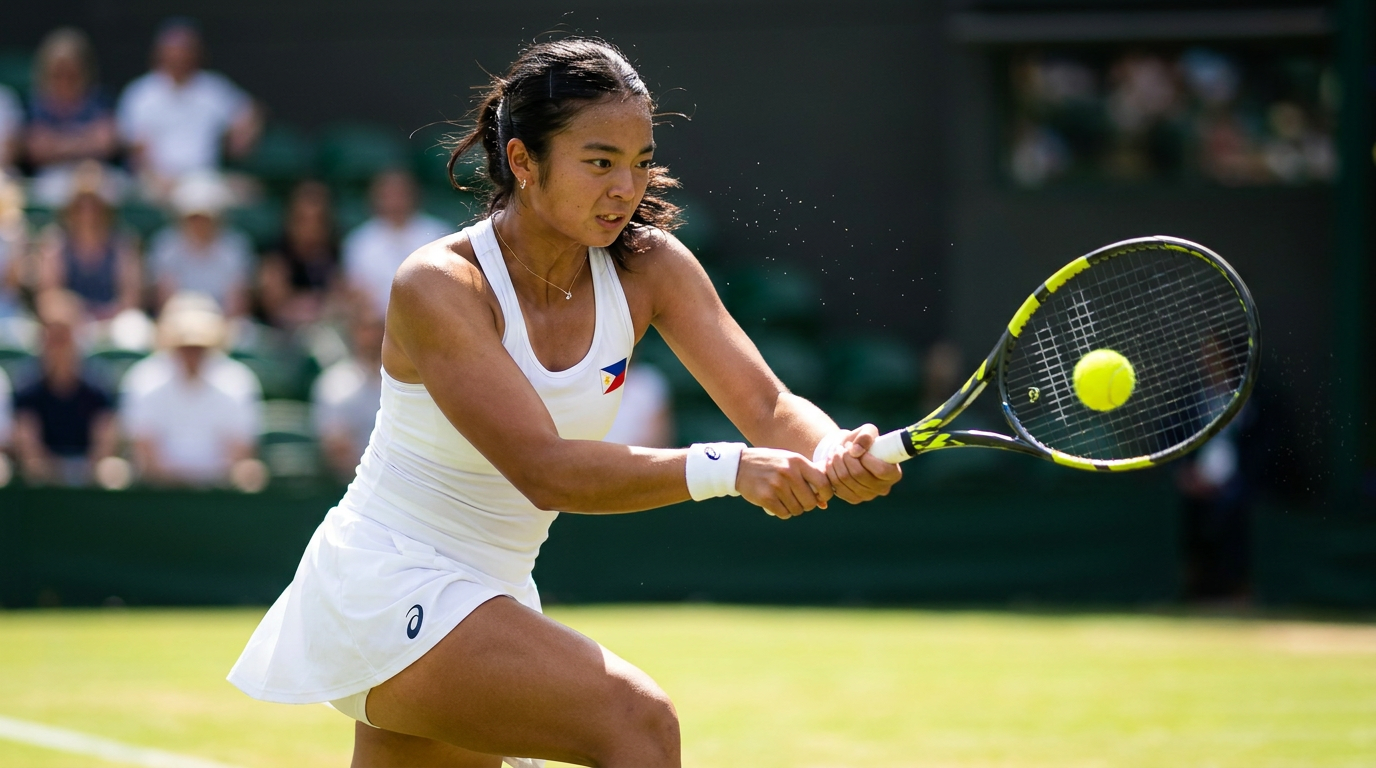
Alexandra Eala Stuns World No. 2 Elena Rybakina in Historic Berlin Open Upset
7 sources
Injury
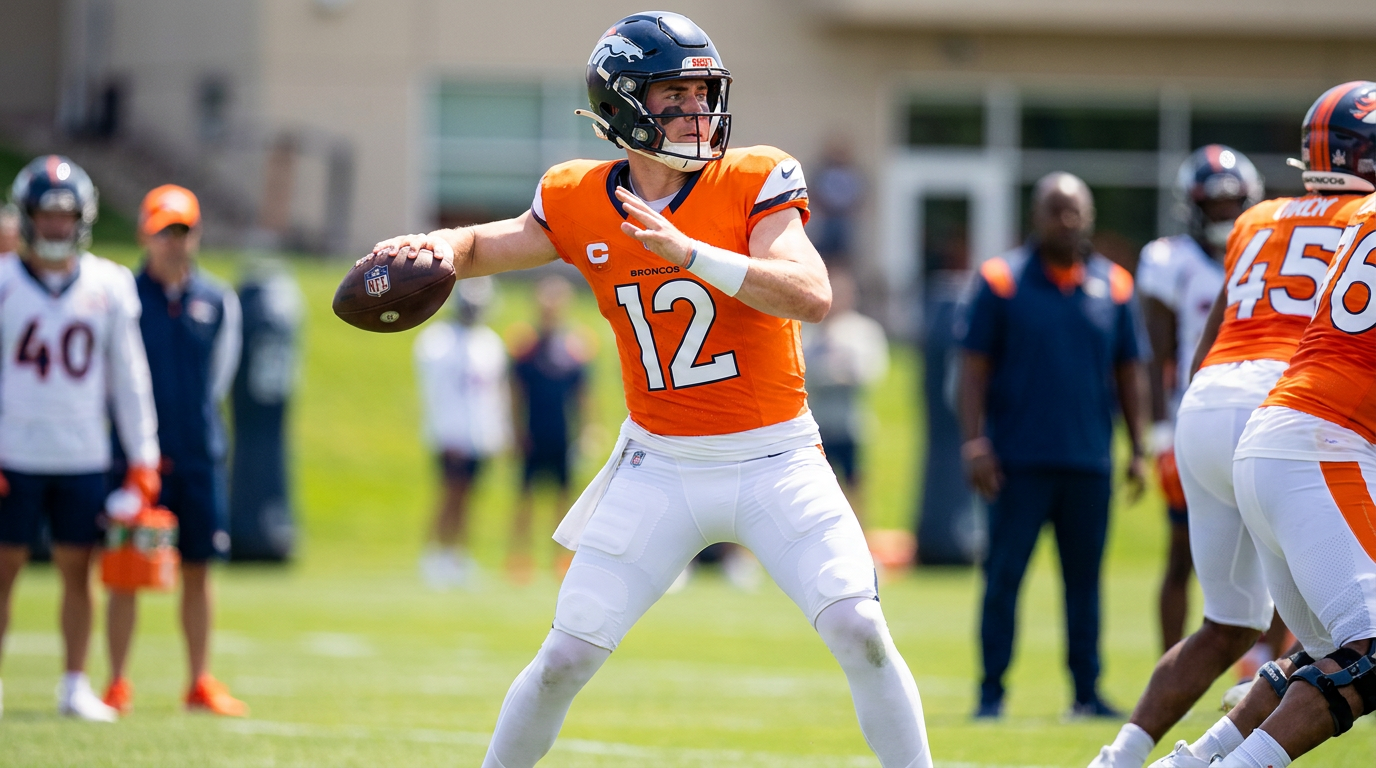
NFL Quarterbacks Return to the Field: Minicamp Injury Updates Highlighted by Bo Nix's Early Comeback
8 sources
NBA Finals
New York Knicks Celebrate First NBA Championship in 53 Years with Historic Canyon of Heroes Parade
6 sources

Sports Biomechanics
The 'Fifth Stroke': The Physics and Evolution of Swimming's Fastest Technique
5 sources
Every angle. Every day.
Get sports stories with full source coverage and perspective breakdowns delivered to your inbox.