
Colombia 2026 World Cup Preview: Why Los Cafeteros Are the Ultimate Dark Horse
Riding a tactical resurgence under Néstor Lorenzo, Colombia enters the 2026 World Cup as a formidable dark horse. With a blend of veteran brilliance and dynamic wing play, Los Cafeteros are eyeing a deep run, provided their aging core can withstand the physical toll.
By Factlen Editorial Team
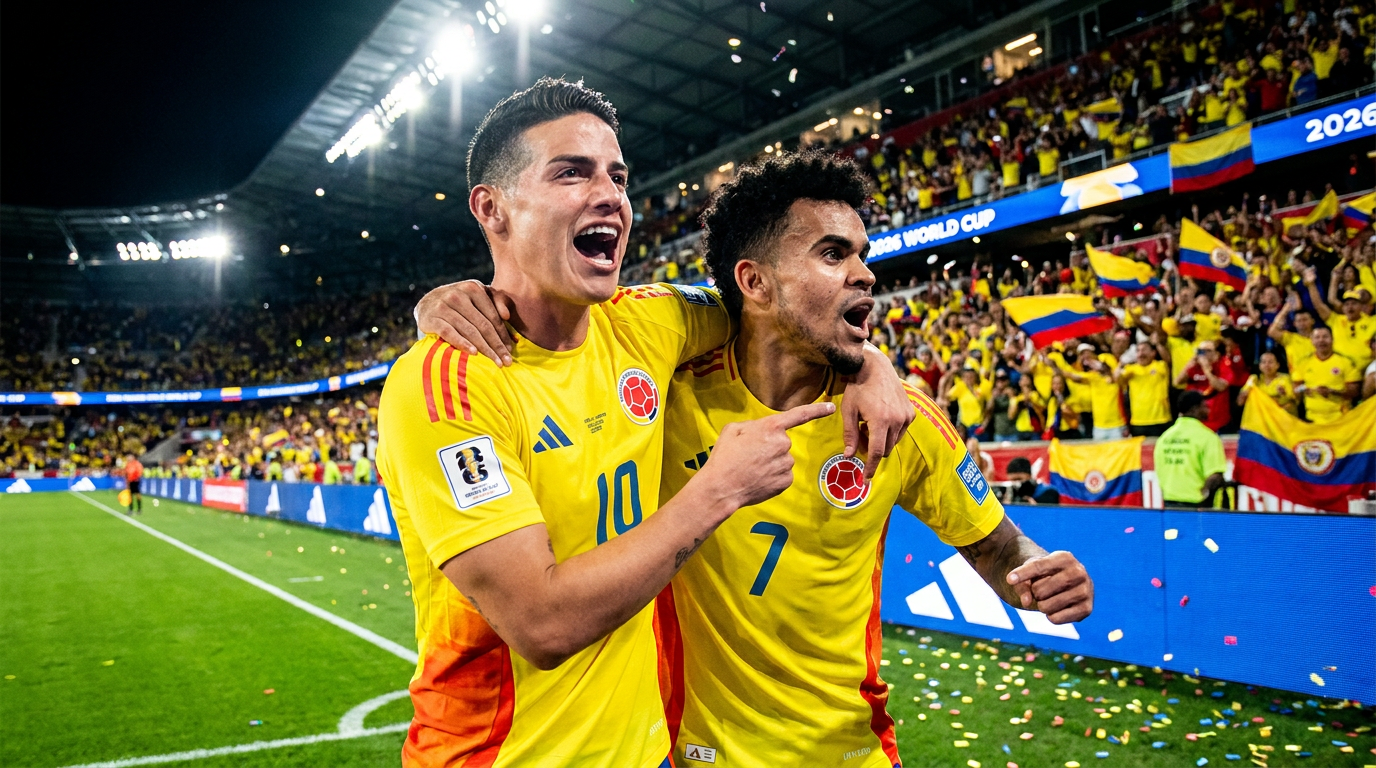
- Optimistic Supporters
- Fans who believe Lorenzo's tactics and the James-Díaz connection can replicate or exceed the 2014 quarterfinal run.
- Neutral Analysts
- Observers who view Colombia as the quintessential dark horse, capable of beating anyone on their day.
- Tactical Skeptics
- Pundits who worry about the lack of a world-class No. 9 and the transition defense of an aging core.
What's not represented
- · DR Congo Supporters
- · Uzbekistan National Team Analysts
- · Portuguese Tactical Scouts
Why this matters
As the 2026 World Cup expands to 48 teams, identifying genuine contenders outside the traditional European and South American heavyweights is crucial for fans. Colombia’s tactical resurgence makes them a prime candidate to disrupt the tournament's late stages and eliminate a tournament favorite.
Key points
- Colombia opened their 2026 World Cup campaign with a 3-1 victory over Uzbekistan.
- Manager Néstor Lorenzo has built a tactically pragmatic 4-2-3-1 system.
- The attack relies heavily on the creative brilliance of James Rodríguez and the pace of Luis Díaz.
- A victory over DR Congo in Guadalajara would put Colombia on the brink of knockout qualification.
- Pundits view Colombia as a major dark horse, though questions remain about their transition defense.
The atmosphere in Mexico City was electric as Colombia announced their return to the global stage. After the heartbreak of missing the 2022 tournament in Qatar, Los Cafeteros opened their 2026 FIFA World Cup campaign with a clinical 3-1 victory over debutants Uzbekistan. For a nation that lives and breathes the sport, the opening win was more than just three points; it was validation of a grueling four-year rebuild.[2][3]
Ranked 13th in the world, Colombia entered the expanded 48-team tournament carrying the label of the ultimate dark horse. They navigated the notoriously difficult South American qualifiers with a commanding third-place finish, accumulating 28 points and notably taking down continental heavyweights Brazil and Argentina along the way. That campaign, coupled with a run to the 2024 Copa América final, established a formidable foundation for their North American expedition.[1][3][6]
The architect behind this resurgence is Néstor Lorenzo. The 60-year-old Argentine, who spent years as José Pékerman's trusted assistant during Colombia's golden era, took the top job in 2022 and immediately instilled a ruthless pragmatism. Unlike the chaotic iterations of Colombia's past, Lorenzo has engineered a self-sustaining tactical ecosystem. He relies on intense preparation and meritocracy, unafraid to tweak his structure if the on-field mechanics falter.[3]
Lorenzo's tactical blueprint is built around a fluid 4-2-3-1 formation, but the reality on the pitch is heavily asymmetrical. During build-up play, the left-back—typically Johan Mojica—often tucks inside to form a temporary back three alongside center-backs Davinson Sánchez and Jhon Lucumí. This structural shift provides the defensive security necessary to unleash their most potent attacking weapons on the opposite flank.[2][3]

The defining offensive pattern for Colombia relies on overloading one side to isolate attackers on the other. The team purposefully jams the left side of the pitch with bodies, drawing multiple defenders toward their star winger, Luis Díaz. Once the opposition is pulled out of shape, Colombia launches a rapid diagonal switch to the far post, where right-back Daniel Muñoz bombs forward into acres of space. Muñoz already validated this approach by scoring a sensational opening volley in the tournament.[1][2][3]
The defining offensive pattern for Colombia relies on overloading one side to isolate attackers on the other.
At the heart of this tactical machine remains James Rodríguez. Now 34, the veteran playmaker continues to defy age when wearing the national team colors. Operating as the classic No. 10, Rodríguez dictates the tempo, dominates central areas, and provides the creative brilliance needed to unlock resilient defensive blocks. His confederation-best seven assists during qualifying proved that his left foot remains one of the most lethal weapons in international football.[1][2][3]
Flanking him is the undisputed focal point of the squad's transition play: Luis Díaz. The 29-year-old winger arrives at the World Cup at the absolute peak of his career, fresh off a spectacular club season where he registered 26 goals and 19 assists across all competitions for Bayern Munich. Díaz's elite dribbling, explosive pace, and clinical finishing make him a constant nightmare for opposing fullbacks, and his ability to draw double-teams is the linchpin of Lorenzo's offensive strategy.[1][2]
However, tactical skeptics point to a glaring vulnerability: the No. 9 position. With the goalscoring burden falling heavily on Luis Suárez—the Sporting CP striker, not the Uruguayan legend—pundits worry that the shirt might weigh heavy on him at the World Cup. While Suárez hammered in 38 goals across all competitions in Portugal last season, he has historically struggled to replicate that form consistently for the national team. If Suárez struggles to finish the chances created by Rodríguez and Díaz, Colombia could find themselves overly reliant on moments of individual brilliance.[3][4]

Defensively, Colombia must balance their attacking flair with structural integrity. In the engine room, Jefferson Lerma anchors the midfield alongside Gustavo Puerta, tasked with ensuring transitional stability. Because the squad's average age leans older, Colombia cannot press relentlessly for a full 90 minutes. Instead, they must rely on calculated defensive blocks and rapid physical regeneration between matches, a factor that could become a liability if they are forced into high-octane track meets against younger, faster opponents.[2][4]
The draw has been relatively kind to Los Cafeteros. Placed in Group K alongside Portugal, DR Congo, and Uzbekistan, Colombia faces a highly favorable path to the knockout rounds. Following their Matchday 1 victory, they sit atop the group with three points and a +2 goal difference. Meanwhile, DR Congo and Portugal ground out a highly competitive 1-1 draw in Houston, leaving the group dynamics perfectly poised for Colombia to seize control.[1][2]

A victory in their upcoming clash against DR Congo at the Estadio Akron in Guadalajara would catapult Colombia to six points, putting them on the absolute brink of automatic qualification for the Round of 32. Crucially, securing early progression would grant Lorenzo the luxury of rotating his aging core in the final group stage match against European heavyweights Portugal in Miami.[2]
Looking ahead, the projection for this Colombian side is a deep, entertaining run, with a quarterfinal appearance standing as a realistic benchmark. They are structurally sound enough to break down low blocks and possess the transition speed to punish elite teams on the counter. While their transition defense and reliance on aging stars might eventually catch up to them against the absolute top tier of European opposition, Los Cafeteros have already proven they belong back on the sport's biggest stage.[1][3][4][5][6]
How we got here
March 2022
Colombia fails to qualify for the Qatar World Cup, prompting a national team rebuild.
July 2022
Néstor Lorenzo is appointed as head coach, beginning a massive unbeaten streak.
November 2023
Colombia defeats Brazil 2-1 in World Cup qualifying, signaling their return to the elite.
July 2024
Reaches the Copa América final, cementing their status as a South American powerhouse.
June 2026
Opens their World Cup campaign with a 3-1 victory over Uzbekistan in Mexico City.
Viewpoints in depth
Optimistic Supporters
Fans who believe Lorenzo's tactics and the James-Díaz connection can replicate or exceed the 2014 quarterfinal run.
For the Colombian faithful, the 28-game unbeaten streak leading up to the Copa América final was proof that the dark days of missing the 2022 World Cup are firmly in the rearview mirror. Supporters argue that Néstor Lorenzo has finally unlocked a system that maximizes James Rodríguez's playmaking without exposing the defense. They view the opening 3-1 victory over Uzbekistan as a statement of intent, confident that the squad's blend of seasoned veterans and peak-age stars in Europe can outmaneuver even the tournament's heavyweights.
Tactical Skeptics
Pundits who worry about the lack of a world-class No. 9 and the transition defense of an aging core.
Skeptics acknowledge Colombia's flair but question their structural resilience against elite opposition. Analysts point out that relying on Luis Suárez—who has struggled to translate his club form to the international stage—as the primary No. 9 is a massive gamble. Furthermore, they argue that an aging midfield and defense cannot sustain a high-intensity press for 90 minutes. If forced into a track meet by a younger, faster European side in the knockout rounds, skeptics fear Colombia's transition defense will be brutally exposed.
Neutral Analysts
Observers who view Colombia as the quintessential dark horse, capable of beating anyone on their day.
Neutral observers see Colombia as the ultimate wildcard of the 2026 World Cup. They highlight the team's impressive qualifying victories over Brazil and Argentina as evidence of their giant-killing potential. While acknowledging the defensive concerns, analysts emphasize that tournament football often rewards pragmatic, well-drilled sides with individual match-winners. In Luis Díaz and James Rodríguez, Colombia possesses the exact type of individual brilliance needed to break deadlocks in tight knockout fixtures.
What we don't know
- Whether striker Luis Suárez can consistently finish the chances created by the midfield on the biggest stage.
- How Colombia's aging core will handle the physical toll of a deep run in a 48-team tournament.
- If their transition defense can hold up against elite European counter-attacks in the knockout rounds.
Key terms
- Los Cafeteros
- The official nickname for the Colombian national football team, translating to 'The Coffee Growers.'
- No. 10
- A traditional attacking midfield role responsible for playmaking and creating chances, famously occupied by James Rodríguez.
- Low Block
- A defensive strategy where a team defends deep in their own half to restrict space for the opposition's attackers.
- Transition Play
- The phase of the game immediately after possession is won or lost, requiring rapid tactical adjustments.
Frequently asked
Who is Colombia's manager?
Néstor Lorenzo, an Argentine coach who previously served as an assistant under José Pékerman during Colombia's 2014 and 2018 World Cup runs.
What group is Colombia in?
Colombia is in Group K, alongside Portugal, DR Congo, and Uzbekistan.
Who are Colombia's key players?
The team relies heavily on winger Luis Díaz, veteran playmaker James Rodríguez, and attacking right-back Daniel Muñoz.
Where are they playing their group matches?
Colombia opened their campaign in Mexico City, plays DR Congo in Guadalajara, and finishes the group stage against Portugal in Miami.
Sources
Source coverage
6 outlets
3 viewpoints surfaced






[1]World Soccer TalkNeutral Analysts
Colombia's 2026 World Cup group stage outlook
Read on World Soccer Talk →[2]GoalNeutral Analysts
Colombia team news and Group K permutations
Read on Goal →[3]The GuardianOptimistic Supporters
Colombia 2026 World Cup preview: Lorenzo's tactical machine
Read on The Guardian →[4]CBS Sports GolazoTactical Skeptics
Morning Footy: Colombia World Cup Roster and Group K Preview
Read on CBS Sports Golazo →[5]DAZNNeutral Analysts
DAZN Panel's World Cup predictions: The Dark Horses
Read on DAZN →[6]CBC SportsOptimistic Supporters
2026 World Cup preview: Favorites, dark horses, and what to know
Read on CBC Sports →
More in sports
See all 9 stories →Coaching Turnaround
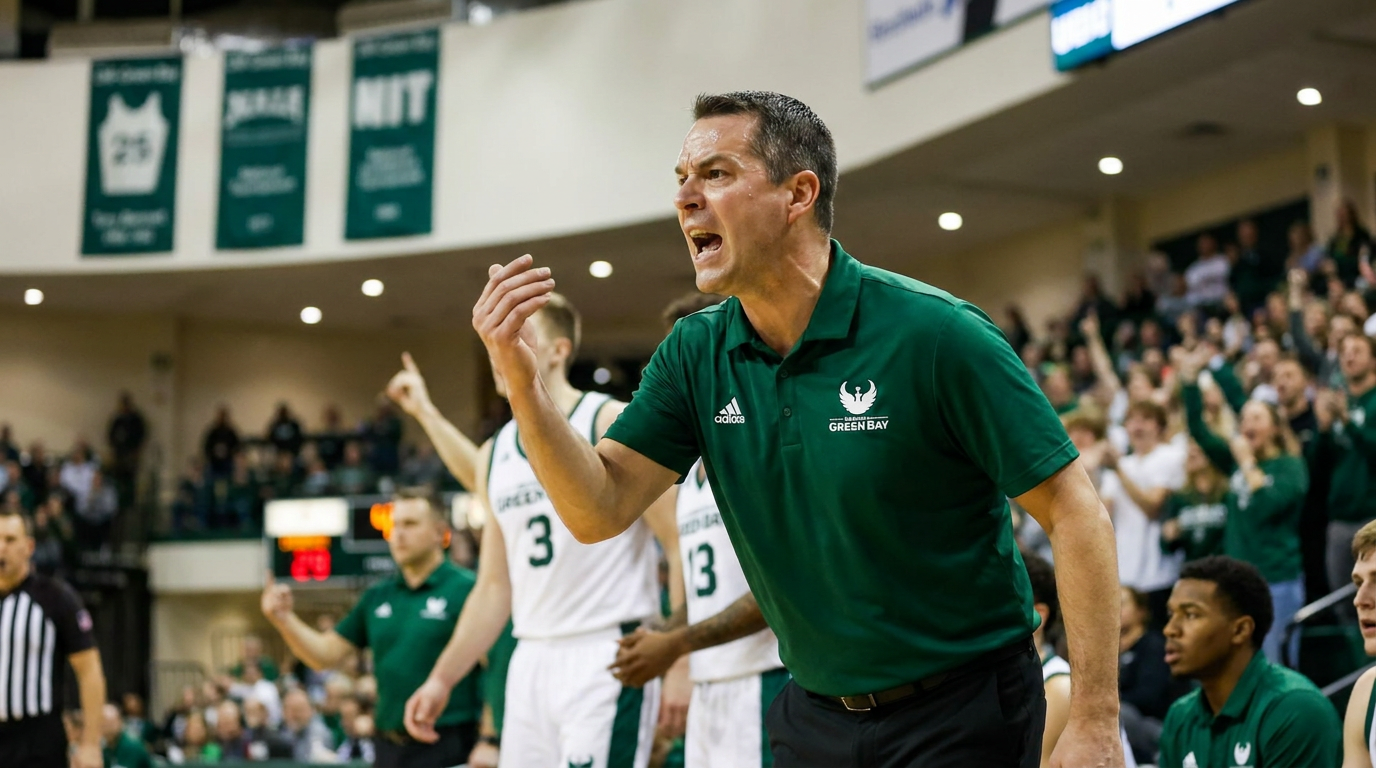
Green Bay Rewards Doug Gottlieb with Contract Extension After Historic Turnaround
5 sources
Tailender Evolution
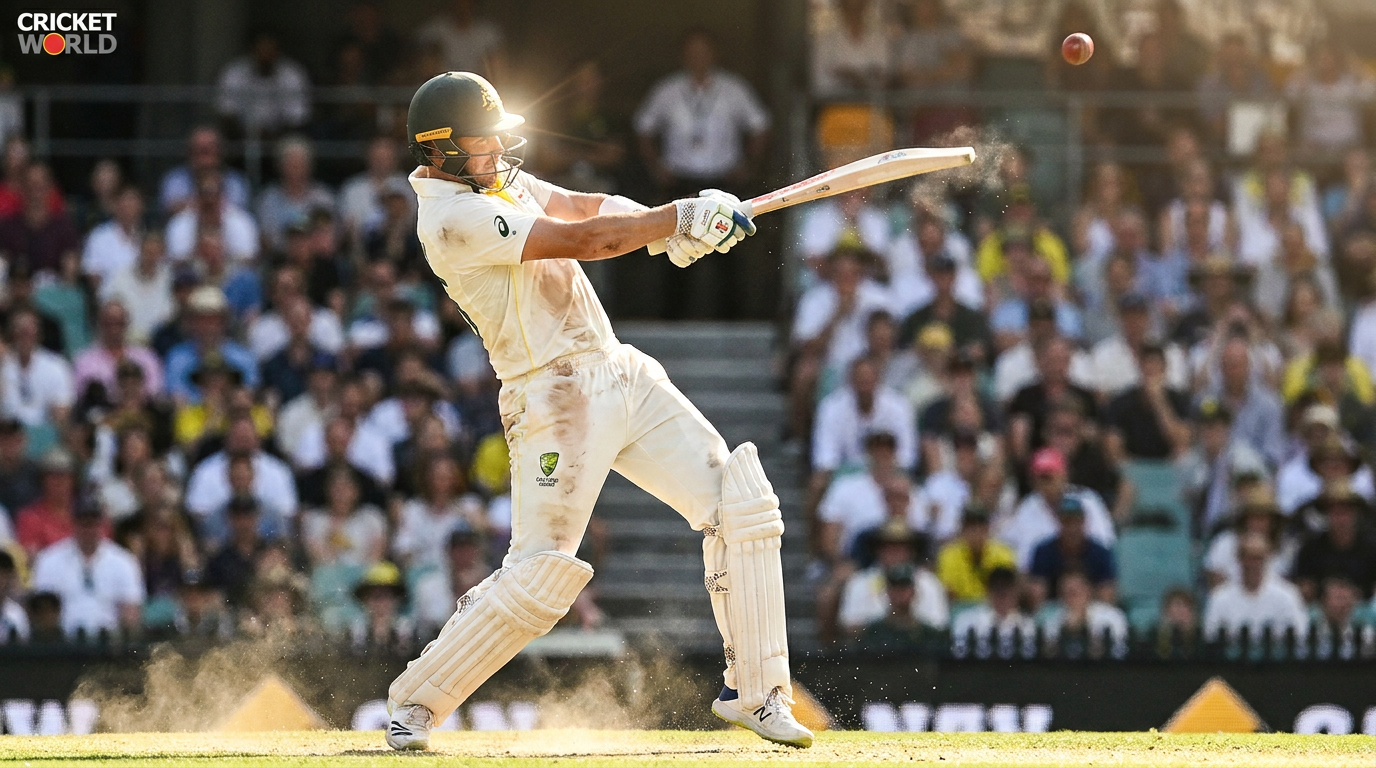
Matt Fisher's Maiden Fifty Highlights the Tactical Evolution of the Test Cricket Tailender
6 sources
Storyline
Lionel Messi Ties All-Time World Cup Goal Record With Hat-Trick in Argentina's 2026 Opener
8 sources

Tactics
Spain's 'Tiki-Taka 2.0' Faces Early Test: Inside Luis de la Fuente's 2026 World Cup Tactics
6 sources
Every angle. Every day.
Get sports stories with full source coverage and perspective breakdowns delivered to your inbox.