
Apple Forced to Allow Alternative App Stores and External Payments on iPhone in Brazil
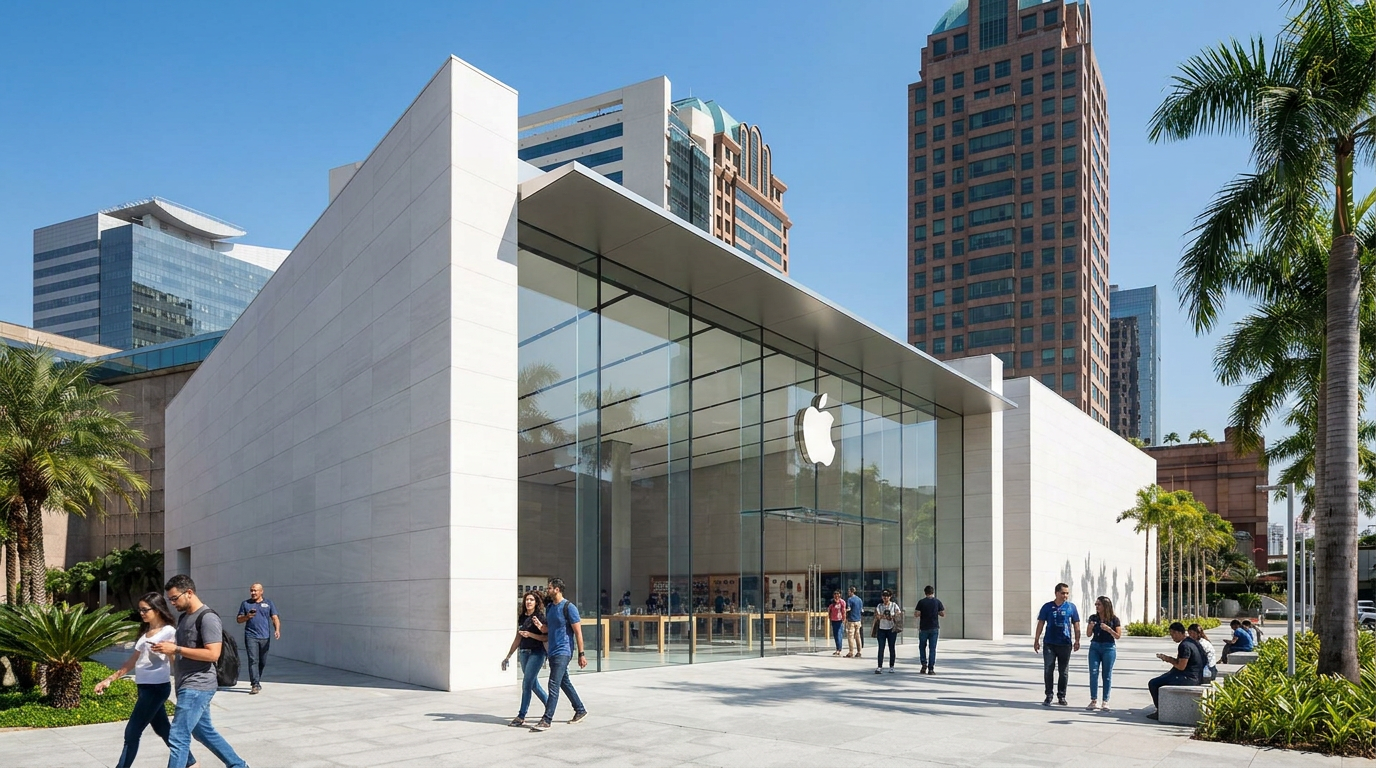
Following an antitrust settlement with Brazilian regulators, Apple is opening iOS to third-party app marketplaces and external payment systems in the country. The changes, rolling out in iOS 26.5, make Brazil the latest major market to dismantle Apple's exclusive control over iPhone software distribution.
By Factlen Editorial Team
- Antitrust Regulators
- Argue that Apple's strict payment rules and 30% commissions stifle competition and inflate prices for consumers.
- App Developers
- Welcome the flexibility to use alternative payments but remain frustrated by Apple's new Core Technology Commission.
- Apple
- Emphasizes that a closed ecosystem is necessary to protect users from malware, fraud, and privacy violations.
What's not represented
- · Brazilian consumers
- · Small independent developers
Why this matters
For Brazilian iPhone users, this means more choices for downloading apps and potentially lower prices as developers bypass Apple's traditional 30% cut. Globally, it signals a continuing domino effect as regulators worldwide successfully dismantle the closed iOS ecosystem.
Key points
- Apple is allowing third-party app stores and external payments on iOS in Brazil.
- The changes take effect in iOS 26.5 following a settlement with Brazil's antitrust regulator, CADE.
- Direct web sideloading remains prohibited; apps must be downloaded through authorized alternative marketplaces.
- Apple is introducing a new fee structure, including a 5% Core Technology Commission for apps distributed outside its store.
- Brazil joins the EU, Japan, and South Korea in forcing Apple to open its walled garden.
Apple is officially dismantling the walls around the iPhone ecosystem in Latin America's largest market. Starting with the release of iOS 26.5, users in Brazil can download applications from alternative marketplaces and developers can process payments outside of Apple's proprietary system. The sweeping changes mark a historic shift for the company's mobile platform in the region, effectively ending Apple's exclusive control over how software is distributed and monetized on Brazilian iPhones. For years, Apple has fiercely defended its closed ecosystem, arguing that a single, tightly controlled App Store is the only way to guarantee user security and a seamless experience. Now, under intense regulatory pressure, the tech giant is yielding, offering developers the tools to build their own storefronts and integrate third-party payment processors directly into their applications.[1][4]
The catalyst for this regional overhaul is a binding antitrust settlement with Brazil's Administrative Council for Economic Defense (CADE). The regulatory saga began in 2022 when Latin American e-commerce giant MercadoLibre filed a formal complaint, accusing Apple of abusing its monopoly power to create artificial barriers for competitors. Following a three-year investigation, CADE concluded that Apple's strict prohibition on third-party services and its mandate that developers exclusively use the iOS payment system constituted anti-competitive conduct. In December 2025, Apple agreed to a Term of Commitment to Cease, giving the company 105 days to implement a more open framework or face fines of up to $27 million. The resulting iOS 26.5 update represents the technical fulfillment of that legal obligation.[2][5]
Despite the newly opened ecosystem, Brazilian iPhone owners will not be able to simply download apps directly from any website—a practice commonly known as sideloading. Instead, all software distributed outside the official App Store must flow through authorized third-party app marketplaces. Apple is utilizing a framework called MarketplaceKit to allow developers to build these alternative storefronts, provided they meet Apple's ongoing requirements for customer support and security. Furthermore, Apple will still require all apps to pass a baseline "Notarization" review. This process combines automated checks and human oversight to identify malware and verify that the app functions as advertised, ensuring that a minimum standard of security is maintained even when Apple is not the primary distributor.[1][4]
The most immediate impact for many developers will be the newfound freedom in how they handle transactions. Under the new rules, app creators can integrate alternative payment processing methods directly into their iOS apps, allowing them to bypass Apple's In-App Purchase (IAP) system entirely. Alternatively, developers can include links that direct users to an external website to complete their purchases. This fundamentally changes the economics of iOS development in Brazil, giving companies the ability to shop around for payment processors with lower transaction fees. However, Apple has warned that it will not provide refunds for transactions conducted outside its ecosystem and will have a diminished capacity to assist customers who encounter fraud or billing issues through third-party platforms.[2][3]

The most immediate impact for many developers will be the newfound freedom in how they handle transactions.
While developers can now bypass the traditional App Store checkout, Apple is ensuring it still collects a toll for access to its user base. The company has introduced a revised fee structure for Brazil that lowers the standard App Store commission to between 10% and 21%, down from the historical 15% to 30% range. However, developers who choose to continue using Apple's IAP system will be hit with an additional 5% payment processing fee. More controversially, apps that are distributed entirely outside the App Store through alternative marketplaces will be subject to a 5% "Core Technology Commission." Apple argues this fee compensates the company for the underlying tools, frameworks, and intellectual property that enable developers to build iOS software in the first place.[3][6]
Apple has historically fought these types of open-market mandates by citing severe risks to user privacy and device security, and the Brazilian framework includes specific carve-outs designed to protect vulnerable users. Apps categorized in the "Kids" section of the App Store are strictly barred from using external payment links. Furthermore, any alternative payment systems integrated into apps must include robust parental gates for users under the age of 18, and minors are entirely blocked from accessing web-based payment flows. In a victory for parents, standard iOS safeguards like Screen Time and purchase-approval prompts will remain fully functional, even for applications downloaded from third-party storefronts.[1][4]
Brazil's regulatory victory makes it the fourth major global market to successfully force Apple's hand, joining the European Union, Japan, and South Korea. The Brazilian framework closely mirrors the complex system Apple built to comply with the EU's Digital Markets Act earlier in the decade. However, Apple has been quick to draw distinctions, noting that the agreement with CADE allowed the company to maintain slightly tighter security controls than the European mandate. For example, Brazil's requirement that all alternative distribution flow through authorized marketplace operators—rather than allowing direct web downloads—aligns more closely with Apple's preferred compromise between open competition and platform security.[4][5]

Developers operating in Brazil have until early July 2026 to agree to the updated Apple Developer Program License Agreement if they wish to take advantage of the new distribution and payment options. As the dust settles in South America, the broader trend is unmistakable: the impenetrable walled garden that defined the iPhone's first 15 years is rapidly being replaced by a fragmented, region-by-region patchwork of open ecosystems. With regulators in the United Kingdom and Australia currently preparing similar antitrust measures, Apple's era of absolute control over the iOS economy appears to be permanently drawing to a close.[3][5]
How we got here
2022
MercadoLibre files an antitrust complaint against Apple in Brazil over its App Store policies.
2025
Brazil's CADE regulator finds Apple guilty of anti-competitive conduct regarding its iOS ecosystem.
December 2025
Apple and CADE reach a binding settlement giving Apple 105 days to open iOS to alternative payments.
June 2026
Apple officially rolls out the new alternative marketplace framework in Brazil with iOS 26.5.
Viewpoints in depth
Antitrust Regulators & Competitors
Argue that Apple's 30% cut and strict payment rules stifle competition and inflate prices for consumers.
Regulators and competing tech firms argue that Apple's closed ecosystem acts as an illegal monopoly, allowing the company to extract exorbitant rents from developers who have no other way to reach iPhone users. By forcing Apple to allow alternative marketplaces and payment processors, regulators believe they are dismantling artificial barriers to entry. This allows regional giants like MercadoLibre to compete fairly and gives smaller developers the economic breathing room to innovate without handing over nearly a third of their revenue to Apple.
Apple & Security Advocates
Warn that fragmenting app distribution introduces malware risks and makes it harder to protect users from scams.
Apple maintains that its walled garden is a feature, not a bug. The company and aligned security advocates argue that centralizing app distribution and payment processing is the only reliable way to protect users from malware, data theft, and financial fraud. They warn that forcing the ecosystem open will inevitably lead to a rise in malicious software and confusing user experiences, noting that Apple will have a severely diminished ability to issue refunds or provide customer support for transactions that occur on third-party platforms.
App Developers
Welcome the flexibility but express frustration with the new Core Technology Commission and complex fee structures.
The developer community has largely welcomed the ability to bypass Apple's In-App Purchase system, viewing it as a necessary step toward fairer digital economics. However, many remain deeply frustrated by Apple's compliance strategy. Developers point out that the new fee structure—particularly the 5% Core Technology Commission—ensures that Apple still extracts a significant cut of their revenue even when they do all the work of hosting, distributing, and processing payments for their apps independently.
What we don't know
- How many major developers will actually build alternative marketplaces in Brazil given the 5% Core Technology Commission.
- Whether the reduced fees will result in noticeably lower subscription prices for Brazilian consumers.
Key terms
- Sideloading
- The practice of installing software on a device directly from the internet, bypassing an official app store.
- Notarization
- Apple's baseline security review process that checks apps for malware and basic functionality before they can run on iOS.
- In-App Purchase (IAP)
- Apple's proprietary payment system for digital goods, which historically took a 15% to 30% cut of transactions.
Frequently asked
Can I download any app from the web now?
No. Apple still prohibits direct web sideloading in Brazil. You must download apps through an authorized third-party marketplace.
Will this make iPhone apps cheaper?
It might. Developers can use external payment processors with lower fees, which could allow them to pass the savings on to users, though Apple still charges a baseline commission.
Are parental controls still active?
Yes. Apps downloaded from alternative marketplaces are still subject to iOS Screen Time limits, and external payment links are blocked for users under 18.
Sources
Source coverage
6 outlets
3 viewpoints surfaced





[1]9to5MacApple
Apple announces major App Store changes for Brazil, including alternative app marketplaces
Read on 9to5Mac →[2]Silicon RepublicAntitrust Regulators
Apple opens up iOS to third-party app stores in Brazil
Read on Silicon Republic →[3]MacRumorsApp Developers
Apple Announces Major App Store Changes on iOS in Brazil
Read on MacRumors →[4]AppleInsiderApple
Apple brings alternative app stores and payments to Brazil
Read on AppleInsider →[5]The Next WebAntitrust Regulators
Apple opens iOS to alternative app stores in Brazil following antitrust settlement
Read on The Next Web →[6]AppChargeApp Developers
Apple's Alternative Payments Framework is Now Live in Brazil
Read on AppCharge →
Every angle. Every day.
Get technology stories with full source coverage and perspective breakdowns delivered to your inbox.