
Why Astronomers Are Using 'Earthshine' to Track Climate Change and Hunt for Exoplanets
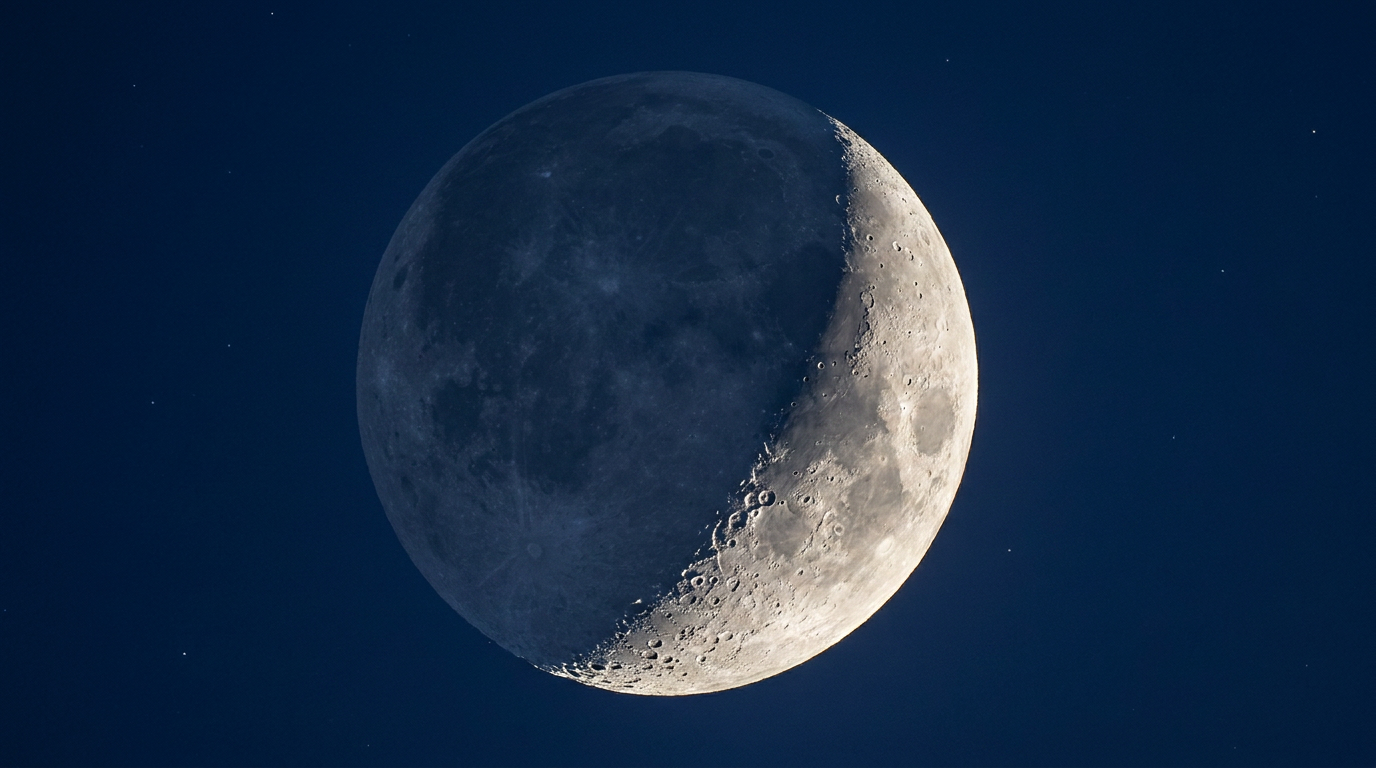
The faint light reflected from Earth onto the dark side of the Moon is revealing critical data about our planet's warming climate and providing a blueprint for detecting habitable exoplanets.
By Factlen Editorial Team
Climate Researchers 40%Astrobiologists 40%Observational Astronomers 20%
- Climate Researchers
- Focus on Earth's energy imbalance and how dropping albedo accelerates global warming.
- Astrobiologists
- View earthshine as a crucial training ground for detecting biosignatures on distant exoplanets.
- Observational Astronomers
- Emphasize the technical challenge of measuring faint reflected light and separating it from direct lunar illumination.
What's not represented
- · Satellite Remote Sensing Engineers
- · Climate Modellers
Why this matters
By studying the faint light bouncing off the Moon, scientists are not only measuring how much extra solar heat Earth is absorbing, but also perfecting the exact techniques needed to find biological life on other planets.

More in science
See all 77 stories →Solar Sails
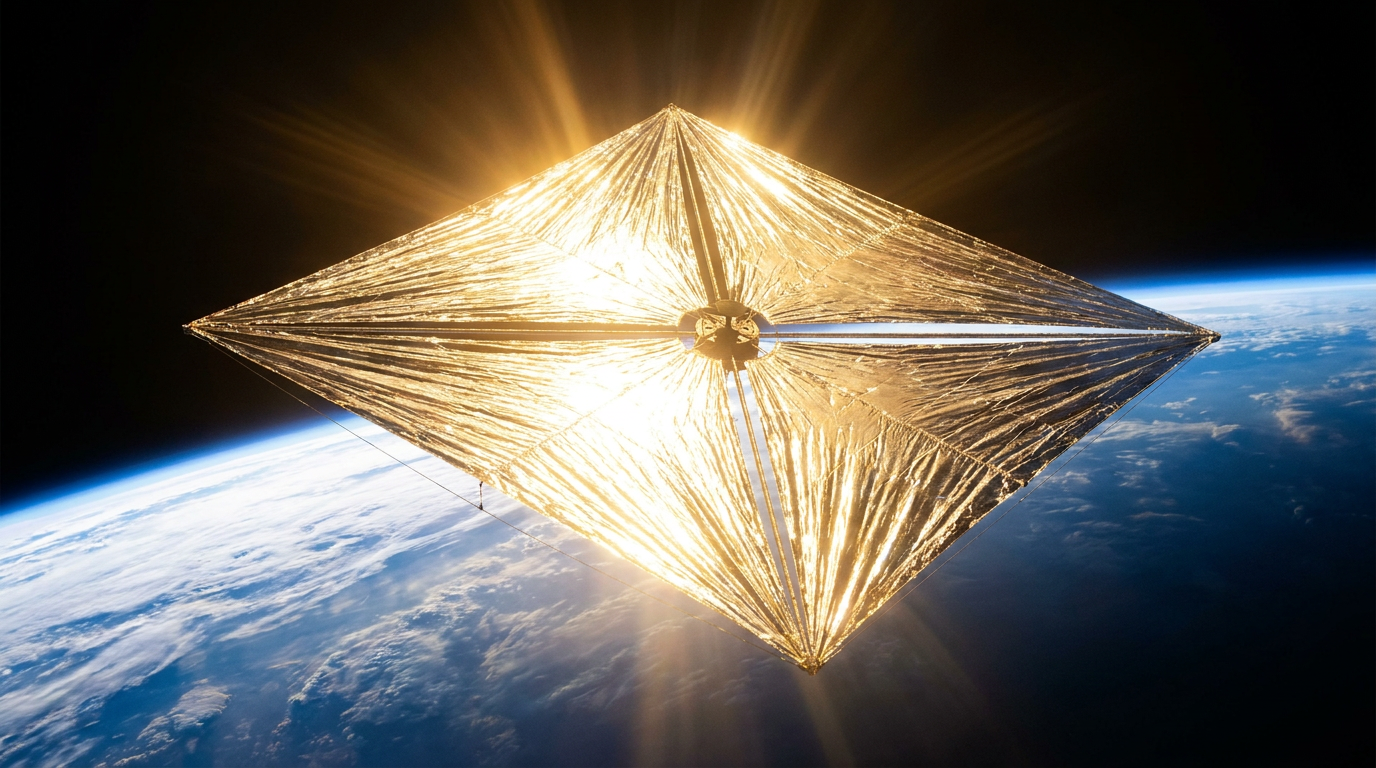
How Solar Sails Harness the Momentum of Light to Navigate Deep Space
6 sources
Stonehenge Origins
Evidence Pack: Neolithic Humans, Not Glaciers, Transported Stonehenge's 6-Ton Altar Stone
8 sources

Cellular Imaging
The Laser Phase Plate: A Century-Old Physics Trick Just Unlocked the Human Proteome
5 sources

Cancer Vaccines
Personalized mRNA Cancer Vaccine Halves Melanoma Recurrence in 5-Year Milestone
8 sources

Stay informed
Every angle. Every day.
Get science stories with full source coverage and perspective breakdowns delivered to your inbox.