
The Laser Phase Plate: A Century-Old Physics Trick Just Unlocked the Human Proteome
By adapting a 1930s optical breakthrough to modern electron microscopes, physicists have drastically improved our ability to see the tiny proteins that drive human health and disease.
By Factlen Editorial Team
Structural Biologists 40%Applied Physicists 35%Biomedical Engineers 25%
- Structural Biologists
- Focused on mapping the proteome and understanding cellular machinery in its native context.
- Applied Physicists
- Focused on the engineering triumph of manipulating electron waves with concentrated light to avoid electrostatic charging.
- Biomedical Engineers
- Focused on the translation of this technology into drug discovery and targeted therapeutics.
What's not represented
- · Commercial microscope manufacturers scaling the tech
- · Computational biologists analyzing the new data volumes
Why this matters
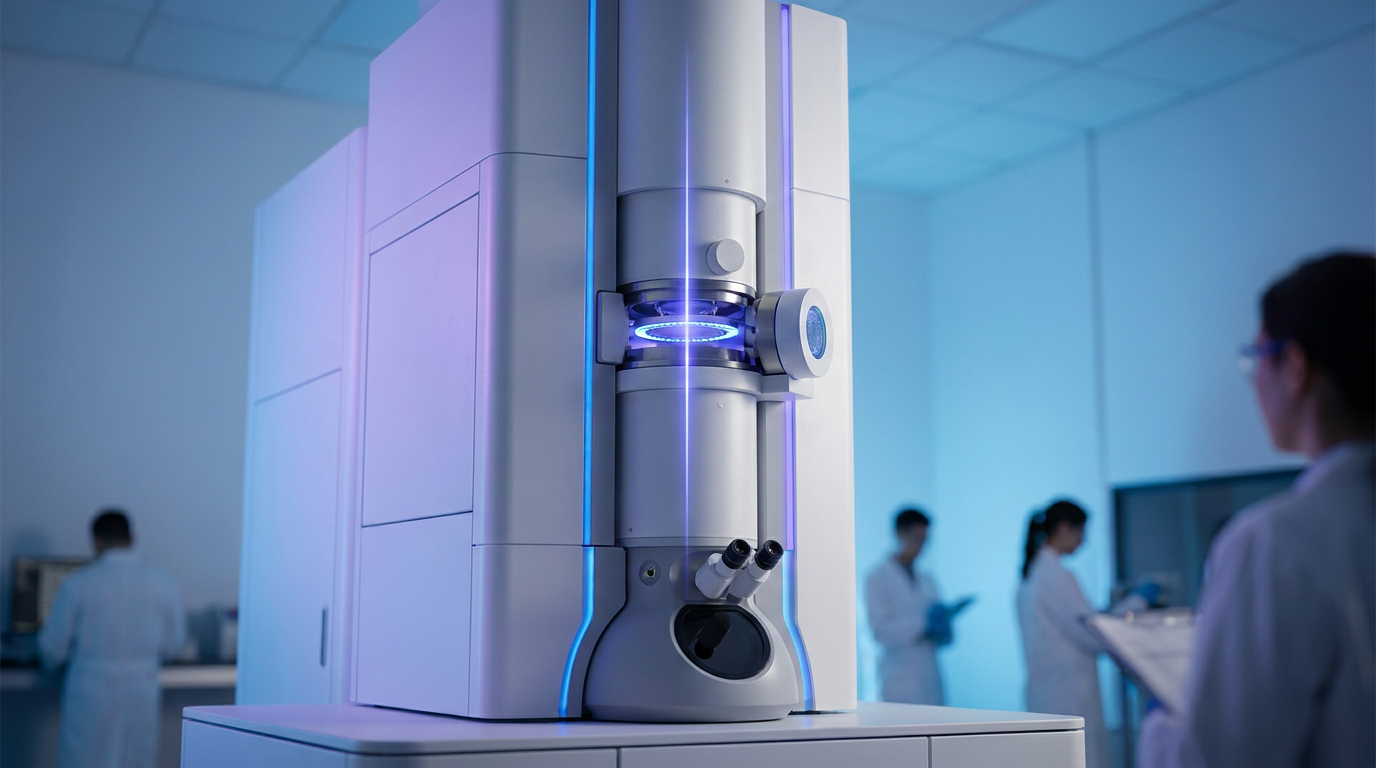
More than 90% of the proteins in human cells are too small to be clearly imaged by existing cryo-electron microscopes. By bringing these invisible molecular machines into sharp focus, this technology will dramatically accelerate the discovery of new drugs and targeted treatments for diseases.

More in science
See all 77 stories →Solar Sails
How Solar Sails Harness the Momentum of Light to Navigate Deep Space
6 sources

Stonehenge Origins
Evidence Pack: Neolithic Humans, Not Glaciers, Transported Stonehenge's 6-Ton Altar Stone
8 sources

Planetary Physics
Why Astronomers Are Using 'Earthshine' to Track Climate Change and Hunt for Exoplanets
6 sources

Cancer Vaccines
Personalized mRNA Cancer Vaccine Halves Melanoma Recurrence in 5-Year Milestone
8 sources
Stay informed
Every angle. Every day.
Get science stories with full source coverage and perspective breakdowns delivered to your inbox.