
US-Iran Peace Talks Postponed as Regional Clashes Erupt and Hormuz Remains Mined
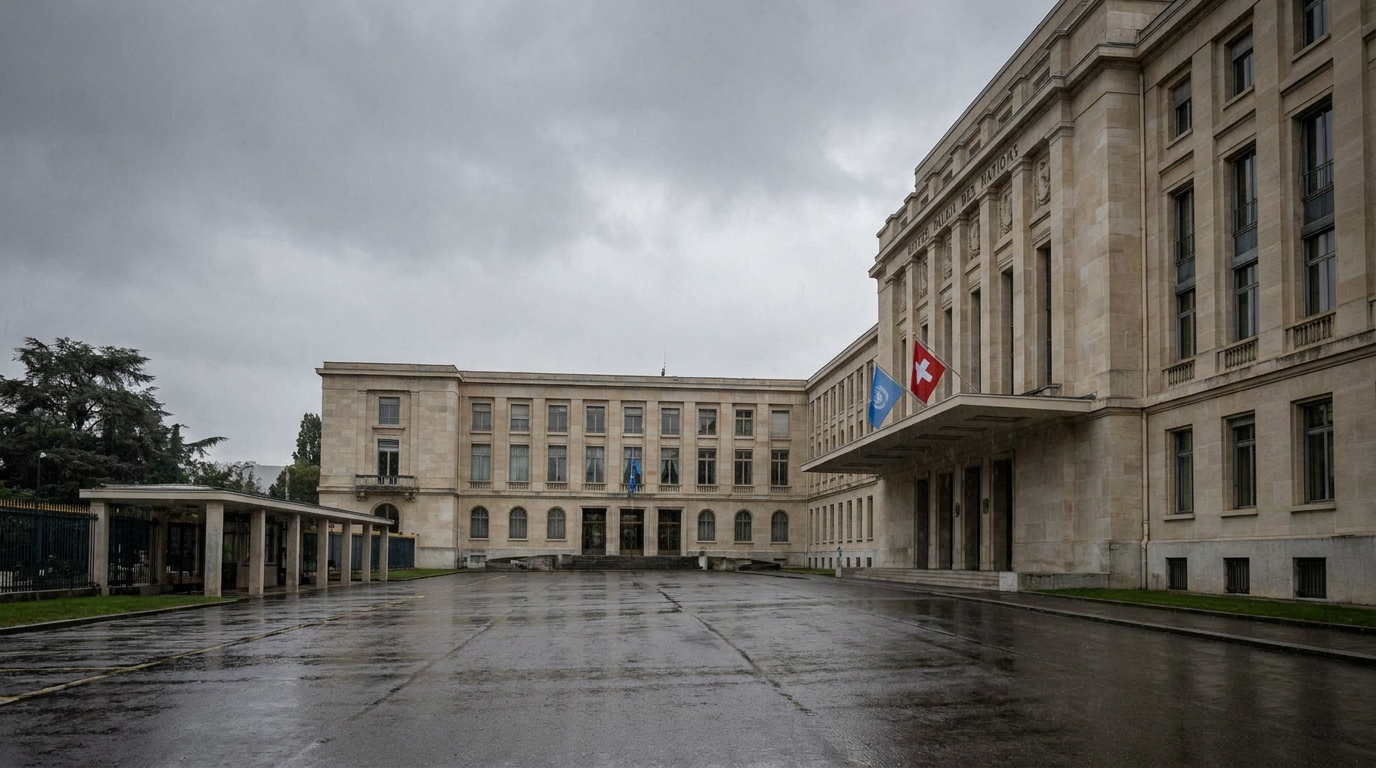
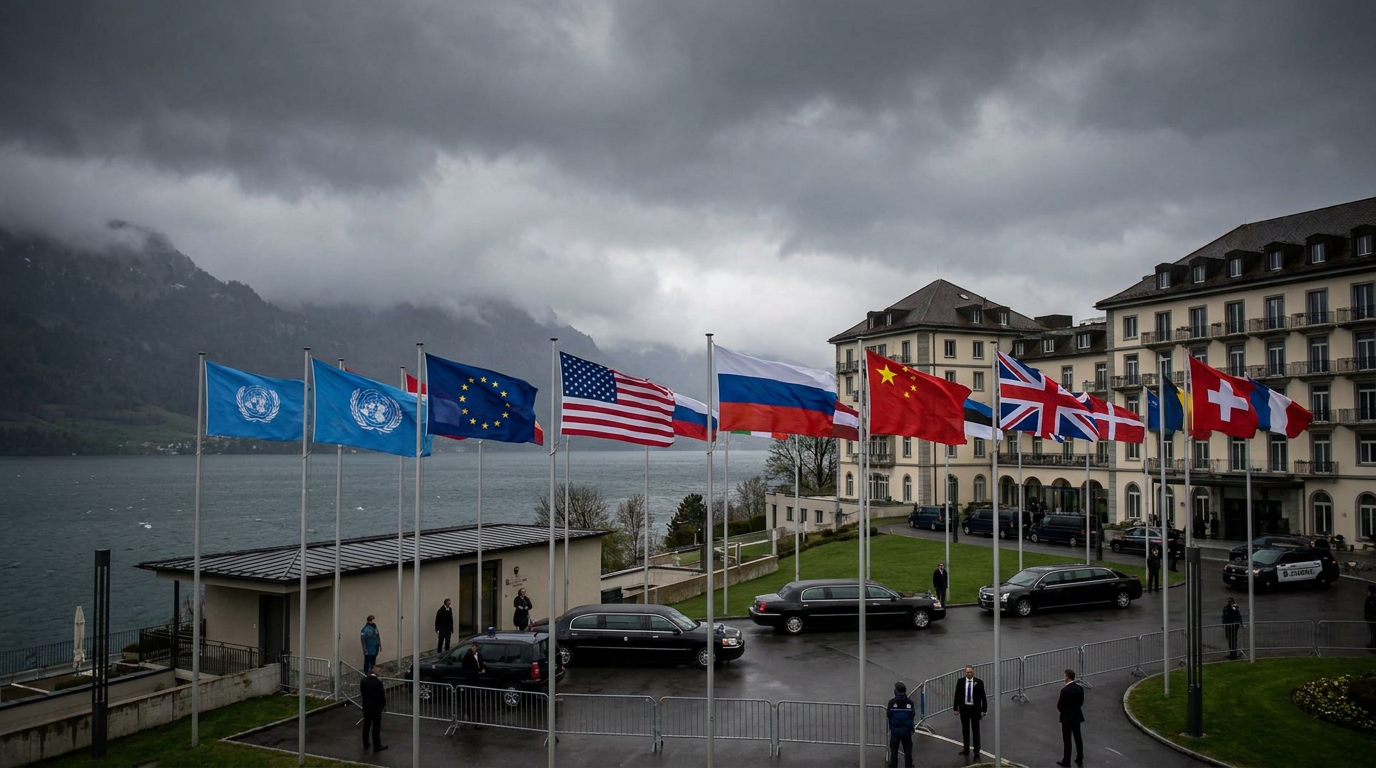
Planned negotiations in Switzerland to finalize the US-Iran ceasefire have been suspended following renewed fighting in Lebanon and logistical delays in clearing the Strait of Hormuz.
By Factlen Editorial Team
- US Negotiators & Allies
- Argues that negotiations cannot proceed while Iran stalls on concessions and regional violence continues.
- Iranian & Regional Voices
- Maintains that talks are impossible while Israeli military operations target allied forces in Lebanon.
- Economic & Maritime Stakeholders
- Focuses on the urgent need to clear the Strait of Hormuz to stabilize global energy markets and shipping.
What's not represented
- · Lebanese civilians affected by the renewed border clashes
- · Omani maritime authorities managing the diverted shipping traffic
Why this matters
The delay in finalizing the US-Iran peace agreement leaves global energy markets in a precarious state, with the Strait of Hormuz still blocked by naval mines and oil prices surging. A collapse of the fragile ceasefire could reignite direct conflict and draw neighboring nations deeper into the crisis.
Key points
- US-Iran peace talks in Switzerland have been indefinitely postponed.
- The US delegation canceled its trip amid disputes over concessions.
- Iran refused to attend following Israeli strikes on Lebanon that killed 22.
- The Strait of Hormuz remains blocked by 80 naval mines.
- Oil prices are rising as normal shipping through the Gulf remains halted.
The highly anticipated diplomatic summit in Switzerland, intended to cement a fragile memorandum of understanding between the United States and Iran, has been indefinitely postponed. Swiss officials confirmed the suspension early Friday after the US delegation, led by Vice President JD Vance, abruptly canceled its travel plans.[1][2]
The diplomatic breakdown coincides with a sudden escalation of violence in the Levant. Despite a nominal truce meant to stabilize the region, fierce clashes erupted in southern Lebanon, resulting in the deaths of at least 18 people and four Israeli Defense Forces (IDF) soldiers.[1][3][7]
In response to the Israeli military operations, Tehran announced it would hold back from the Geneva talks. Iranian officials cited the attacks on their regional allies as a primary reason for pausing negotiations, complicating the broader effort to formalize the end of the recent US-Iran hostilities.[3]
From the American side, the decision to pull Vance from the summit reflects growing skepticism about the immediate viability of the deal. Conservative commentators and administration allies have suggested that the US is unwilling to proceed while Iran stalls on key concessions and regional proxies remain active.[6]
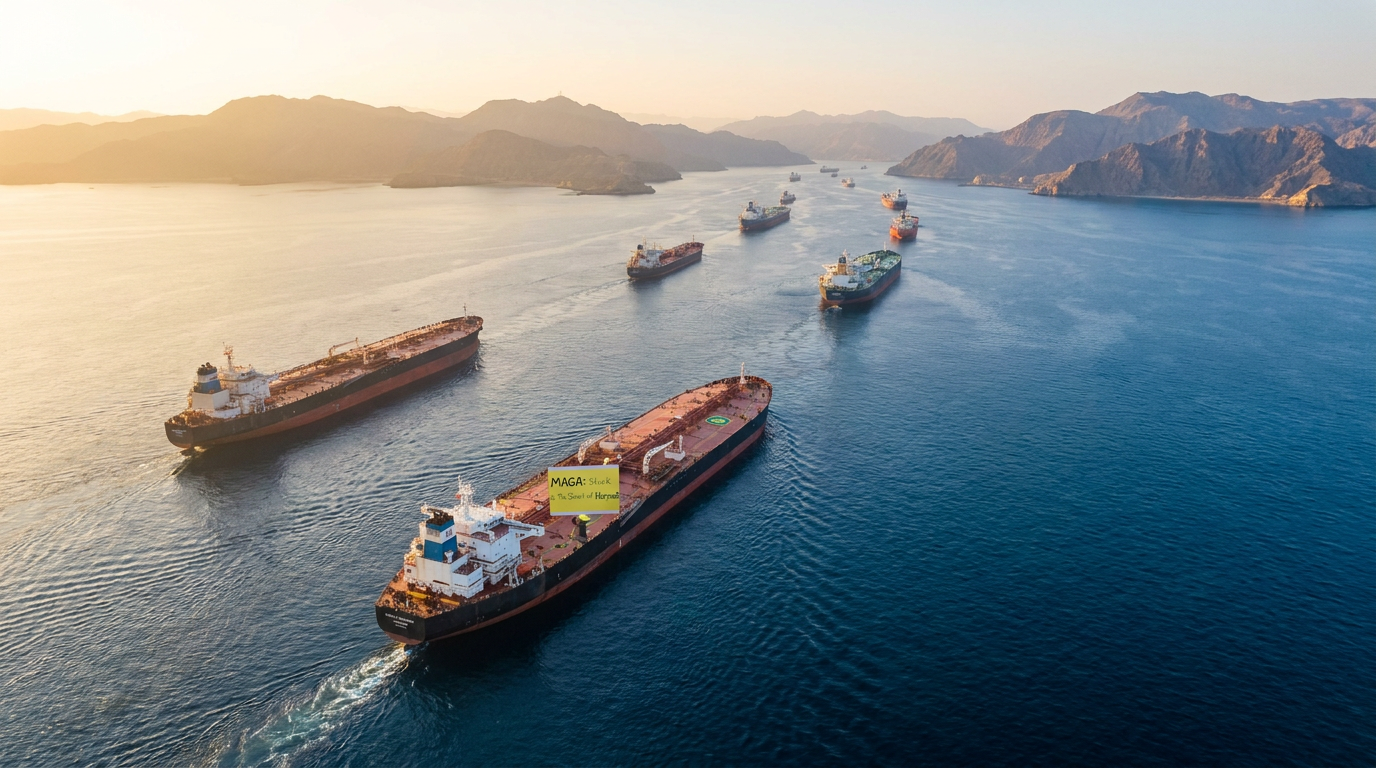
Beyond the diplomatic maneuvering, the physical remnants of the conflict continue to strangle global trade. The independent tanker owner trade body reported Friday that normal shipping cannot resume in the Strait of Hormuz until approximately 80 naval mines are cleared from the center of the waterway.[4]

Beyond the diplomatic maneuvering, the physical remnants of the conflict continue to strangle global trade.
While a few vessels have begun to carefully navigate the Gulf following the initial signing of the Trump administration's memorandum of understanding, they are forced to take precarious routes near the Omani coast, risking running aground. The center of the strait is expected to remain closed for "some time."[4][5]
The prolonged closure of the world's most critical maritime chokepoint has sent immediate shockwaves through energy markets. Brent crude reversed its recent slide, climbing sharply as traders priced in the dual threats of the Lebanon escalation and the stalled mine-clearing operations.[5]

The economic toll of the "Iran war" and its messy aftermath is already straining Western economies. In the UK, public borrowing surged to a higher-than-expected £23.3 billion in May, a figure directly attributed to the fiscal challenges and energy subsidies necessitated by the conflict's disruption of global supply chains.[4][5]
For the White House, the stalling of the agreement presents a significant political vulnerability. Having championed the initial memorandum as a historic victory, the administration now faces criticism that the deal's ultimate success—and the president's foreign policy legacy—rests largely in Tehran's hands.[2][6]
Diplomatic backchannels remain open, with Swiss intermediaries attempting to salvage a timeline for future talks. However, until the immediate violence in Lebanon subsides and a coordinated international effort begins clearing the Strait of Hormuz, the formal resolution to the conflict remains in limbo.[2][5]
How we got here
Early June 2026
The US and Iran sign a memorandum of understanding to halt direct hostilities.
Mid-June 2026
A fragile truce is implemented in Lebanon between Israel and Hezbollah.
June 18, 2026
Clashes erupt in southern Lebanon, breaking the local truce and killing 22 people.
June 19, 2026
The US delegation cancels its trip to Switzerland, and talks are officially postponed.
Viewpoints in depth
US Administration's View
The White House is unwilling to proceed with formal negotiations while Iran stalls on key terms.
American officials and conservative allies argue that proceeding with the Switzerland summit would project weakness while Iran continues to leverage its regional proxies. By pulling Vice President Vance from the trip, the administration is signaling that the initial memorandum of understanding was conditional, and that further diplomatic progress requires immediate, verifiable concessions from Tehran regarding its military posture.
Iran's View
Tehran views the ongoing military actions by US allies as a violation of the spirit of the ceasefire.
Iranian leadership has tied its participation in the Geneva talks directly to the security situation in the Levant. Following the deaths of 18 people in Lebanon during clashes with the IDF, Tehran argues that it cannot negotiate a broader peace while its regional allies remain under active bombardment. They view the US inability or unwillingness to restrain Israel as a breach of trust.
Global Energy Markets' View
Traders and maritime organizations are focused entirely on the physical blockage of the Strait of Hormuz.
For the global economy, the diplomatic finger-pointing is secondary to the physical reality of 80 naval mines in the world's most important oil chokepoint. Tanker associations and energy analysts warn that forcing massive vessels to hug the Omani coastline is unsustainable and highly dangerous. They are demanding that both Washington and Tehran prioritize an immediate, depoliticized mine-clearing operation to prevent a catastrophic energy shock.
What we don't know
- When, or if, the Switzerland talks will be rescheduled.
- Who will take responsibility for the complex and dangerous task of clearing the 80 mines from the Strait of Hormuz.
- Whether the clashes in Lebanon will escalate into a broader regional conflict.
Key terms
- Strait of Hormuz
- A vital maritime chokepoint between the Persian Gulf and the Gulf of Oman, through which roughly a fifth of the world's oil consumption passes.
- Memorandum of Understanding (MoU)
- A formal agreement between two or more parties that is not legally binding but signals a willingness to move forward with a treaty.
Frequently asked
Why were the Switzerland talks canceled?
The US delegation pulled out, and Iran refused to participate, following a breakdown of a truce in Lebanon and ongoing disputes over the terms of the ceasefire.
Is the Strait of Hormuz open to shipping?
Not fully. While some ships are taking risky coastal routes, the center of the strait remains blocked by approximately 80 naval mines.
How is this affecting the global economy?
The blockage has caused oil prices to spike and is straining national budgets due to the broader economic fallout of the conflict.
Sources
Source coverage
7 outlets
3 viewpoints surfaced







[1]BBCUS Negotiators & Allies
US-Iran talks postponed as Vance pulls out of Switzerland trip
Read on BBC →[2]NYTUS Negotiators & Allies
Swiss Officials Say Iran Talks Are Off, for Now
Read on NYT →[3]Al JazeeraIranian & Regional Voices
US-Iran talks postponed as Israel attacks Lebanon
Read on Al Jazeera →[4]The GuardianEconomic & Maritime Stakeholders
Normal shipping will not resume in strait of Hormuz until 80 mines cleared
Read on The Guardian →[5]ReutersEconomic & Maritime Stakeholders
Global markets brace as Hormuz mine-clearing operations face delays
Read on Reuters →[6]Fox NewsUS Negotiators & Allies
Vance cancels Swiss trip as Iran stalls on key concessions
Read on Fox News →[7]Times of IsraelIranian & Regional Voices
IDF strikes Hezbollah targets in Lebanon following border truce violations
Read on Times of Israel →
More in news politics
See all 6 stories →US-Iran Deal
US and Iran Sign Historic Deal to End 110-Day War as Domestic Fights Over $80 Billion Cost Begin
8 sources
Middle East Peace
U.S. and Iran Sign Deal to End 110-Day War, Reopen Strait of Hormuz
8 sources

Defense Spending
Public Support Wanes as Congress Questions the Mounting Costs of the US-Iran Conflict
7 sources
US-Iran Relations
US-Iran Peace Talks in Switzerland Postponed Amid Renewed Fighting in Lebanon
7 sources
Every angle. Every day.
Get news politics stories with full source coverage and perspective breakdowns delivered to your inbox.