
US-Iran Peace Talks Cancelled as Lebanon Violence Prompts Blunt Warning from Vance to Israel
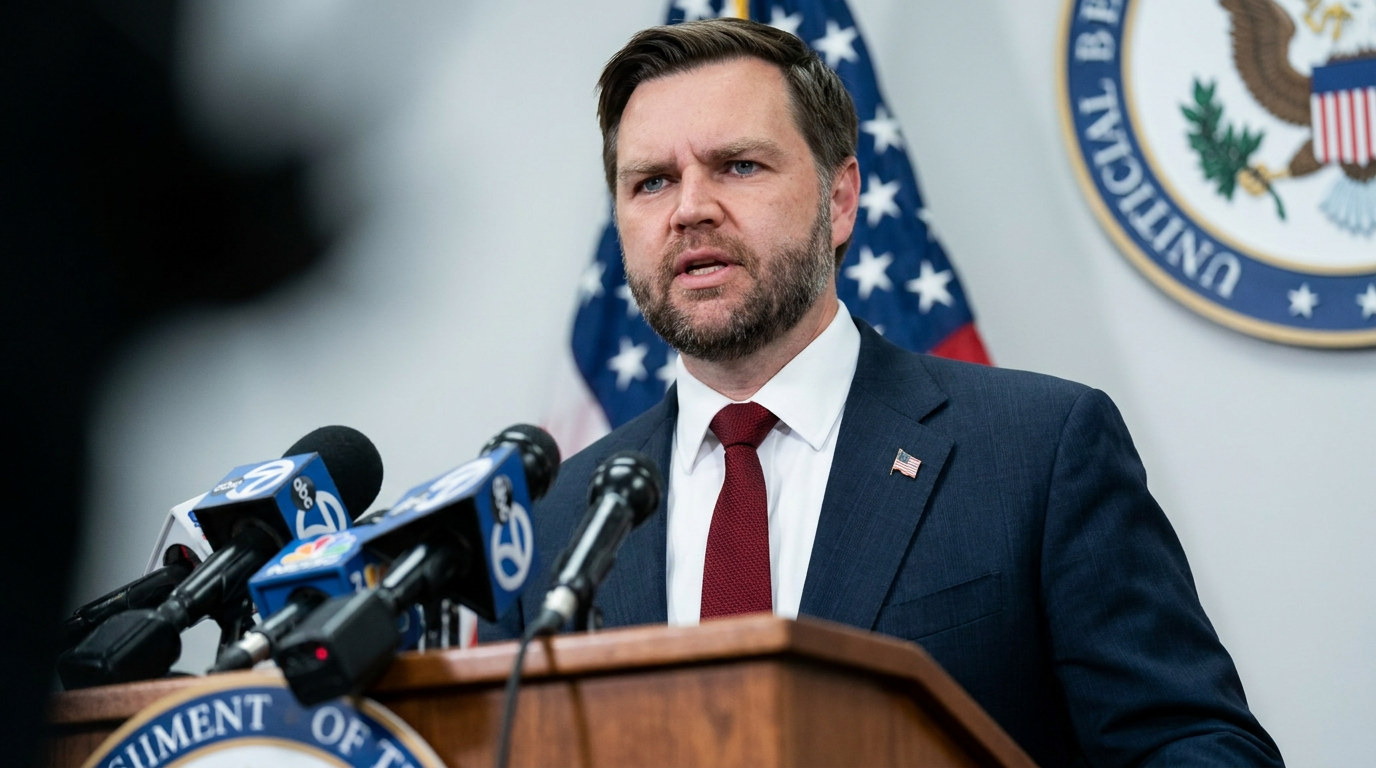
A highly anticipated summit in Switzerland to implement the US-Iran peace deal was abruptly canceled following deadly clashes between Israel and Hezbollah. The breakdown prompted US Vice President JD Vance to issue a rare public rebuke of Israeli hardliners, warning that military force alone cannot solve the region's security challenges.
By Factlen Editorial Team
- US Administration
- Focused on securing the Iran deal to stabilize energy markets and reduce regional conflict.
- Israeli Hardliners
- Opposed to the deal, viewing it as a capitulation that endangers Israel's security.
- Iranian & Lebanese Negotiators
- Demanding an immediate halt to Israeli military operations in Lebanon as a condition for talks.
- Global Energy Markets
- Highly sensitive to the diplomatic process, prioritizing the reopening of the Strait of Hormuz.
What's not represented
- · Lebanese civilians displaced by the ongoing border conflict
- · European nations reliant on Middle Eastern energy imports
Why this matters
The collapse of the Switzerland talks threatens a fragile peace agreement that had just begun to lower global energy prices by reopening the Strait of Hormuz. If the diplomatic rift between the US and Israel cannot be bridged, a return to full-scale regional conflict could send oil and gasoline prices soaring again.
Key points
- A planned US-Iran summit in Switzerland was cancelled after deadly clashes between Israel and Hezbollah.
- Vice President JD Vance scrapped his trip and publicly rebuked Israeli ministers opposing the peace deal.
- Vance warned Israel that it cannot 'kill your way out' of long-term national security problems.
- Iranian officials refused to proceed with talks until a comprehensive ceasefire is enforced in Lebanon.
- The diplomatic breakdown threatens a fragile agreement designed to reopen the Strait of Hormuz and lower global oil prices.
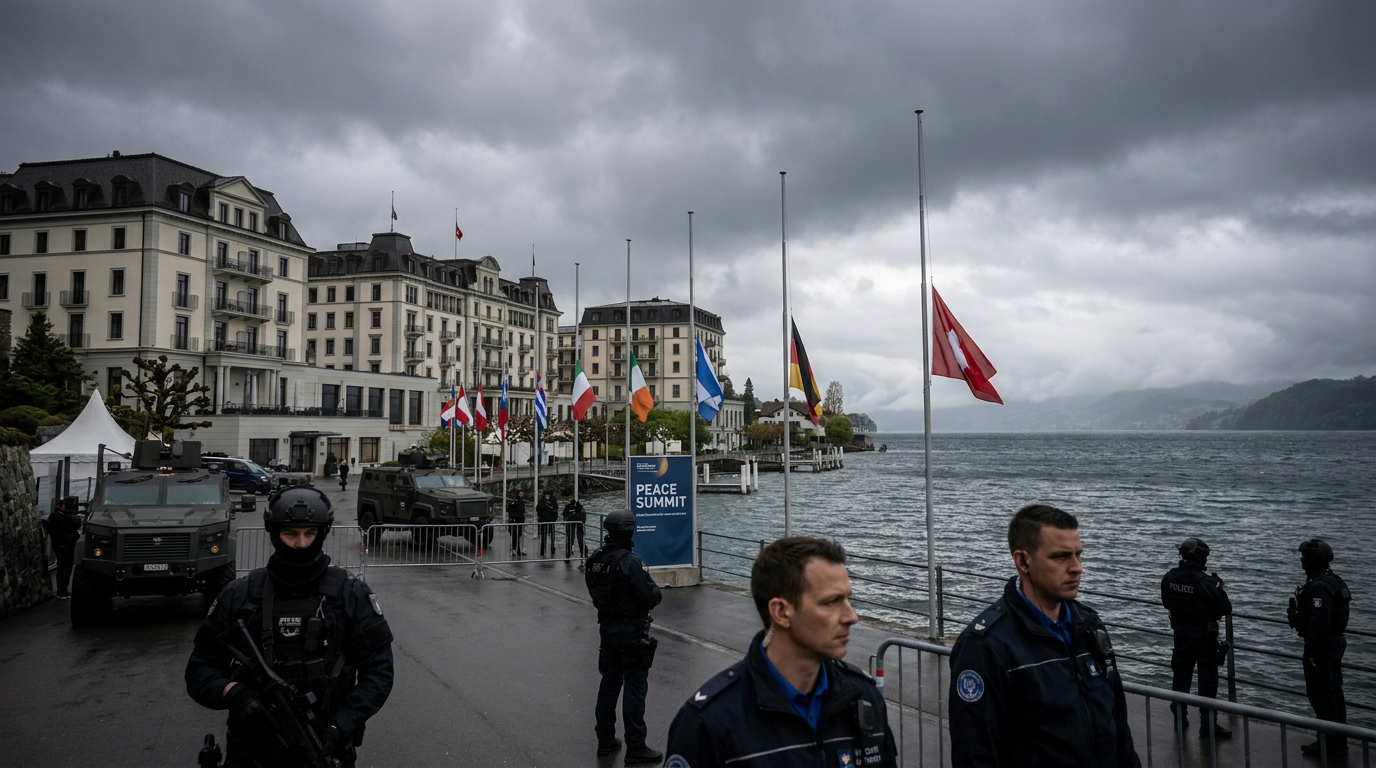
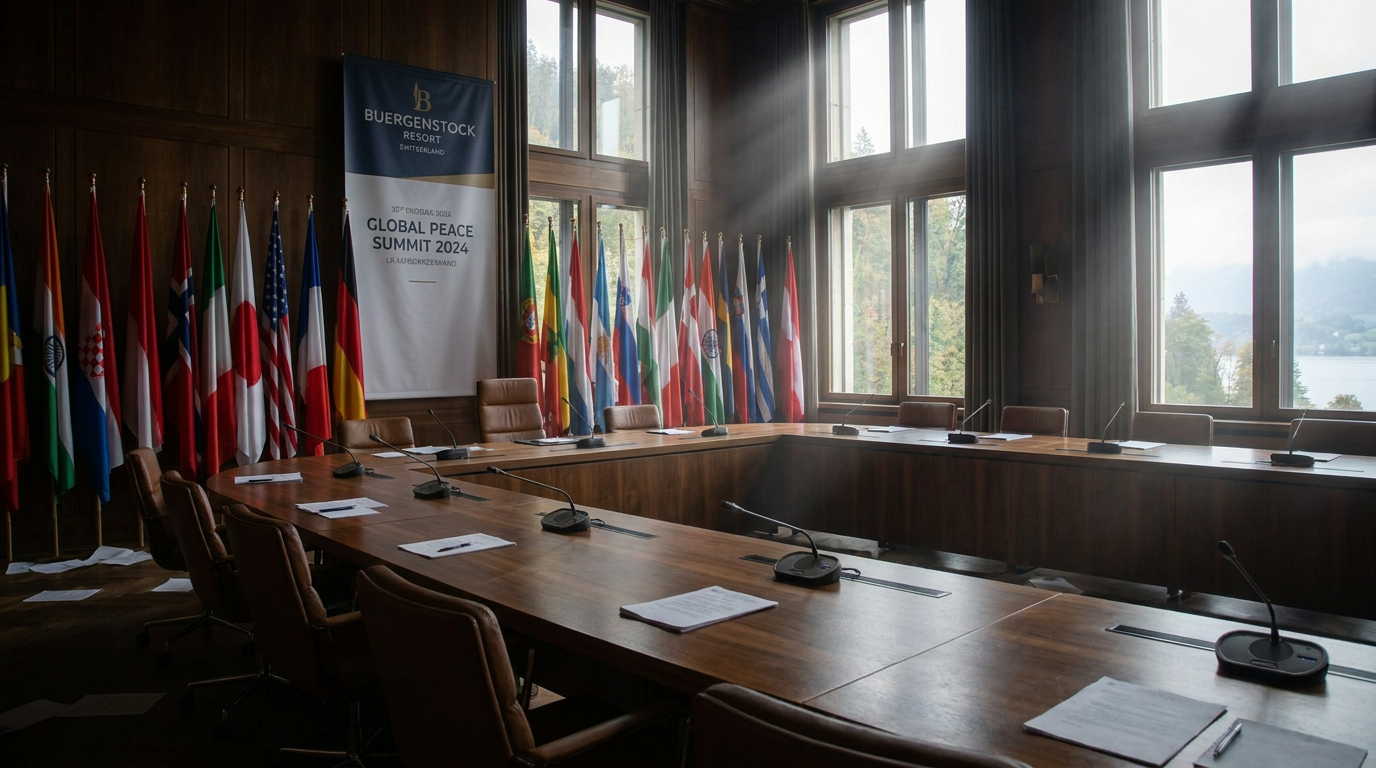
A highly anticipated diplomatic summit in Switzerland to implement a landmark US-Iran peace agreement was abruptly canceled on Friday, derailed by a sudden explosion of violence between Israel and Hezbollah in southern Lebanon. The collapse of the talks prompted US Vice President JD Vance to scrap his flight to the negotiations and issue a remarkably blunt public rebuke of Israeli leadership.[1][2]
The diplomatic breakdown threatens to unravel a fragile memorandum of understanding (MoU) signed earlier in the week by US President Donald Trump and Iranian President Masoud Pezeshkian. The 60-day interim agreement was designed to halt hostilities, freeze Iran's nuclear advancement, and reopen the Strait of Hormuz to global shipping. However, the pact required a cessation of military operations on all fronts, a condition shattered when Hezbollah killed four Israeli soldiers and Israel retaliated with a wave of airstrikes across southern Lebanon and the Bekaa Valley, killing at least 18 people.[1][4][7]
Prior to the truce, Israeli forces had been advancing toward the southern Lebanese city of Nabatieh, establishing a "security zone" that comprises hundreds of square miles of territory. Hezbollah's overnight drone and rocket salvos targeted Israeli troops attempting to hold these positions, prompting the devastating Israeli aerial response that ultimately grounded the US delegation.[1][4]
The flare-up triggered intense frustration in Washington, exposing a widening rift between the Trump administration and hardline members of Israeli Prime Minister Benjamin Netanyahu's cabinet. In an interview with The New York Times, Vice President Vance directly challenged Israeli Finance Minister Bezalel Smotrich and National Security Minister Itamar Ben-Gvir, who have fiercely opposed the US-Iran pact as a dangerous capitulation.[2][8]

"What is your exact proposal? You're a country of nine million people," Vance said, addressing the Israeli ministers. "You can't just kill your way out of solving every single national security problem that you have." Vance argued that the agreement forces Tehran into verifiable diplomatic concessions and accused Israeli critics of operating from a place of "mistrust" and "weird panic."[2][5][8]
You're a country of nine million people," Vance said, addressing the Israeli ministers.
The unprecedented rhetoric from a sitting US Vice President underscores the administration's determination to secure the Iran deal, which it views as a monumental foreign policy victory and a crucial lever for stabilizing global energy markets. President Trump echoed the sentiment, telling NBC News that he had spoken with Israeli leadership and urged them to accept a ceasefire with Hezbollah, reportedly telling them, "You just gotta calm down sometimes and use your head."[5][6][7]
Israeli hardliners, however, remain deeply skeptical. Ben-Gvir responded sharply on social media, comparing the situation to the United States dealing with "the Nazis of the 20th century" and insisting that military force is the only language understood by regional adversaries. Israeli officials maintain that the country is not a party to the US-Iran MoU and retains the right to defend its northern border against Hezbollah incursions.[4][5]

Conversely, Iranian and Lebanese negotiators have drawn a hard line, refusing to proceed with the Switzerland talks while Israeli airstrikes continue. Iranian officials conveyed through Hezbollah intermediaries that Washington bears the responsibility for reining in Israel, making a comprehensive ceasefire in Lebanon a non-negotiable prerequisite for any further dialogue regarding Iran's nuclear program or regional posture.[3][4]
The sudden cancellation of the talks—announced so late that Vance's staff and the White House press pool were already gathered at Joint Base Andrews—sent immediate ripples through global financial markets. Earlier in the week, the mere announcement of the MoU had triggered a massive relief rally. Brent crude oil prices had tumbled to a three-month low of roughly $83 per barrel, and European natural gas prices dropped significantly on expectations that the Strait of Hormuz would fully reopen.[1][4][7]
The Strait of Hormuz is one of the world's most critical energy chokepoints, and its effective closure during the US-Iran conflict had stranded millions of barrels of oil and liquefied natural gas, driving up global inflation. While the US military announced it had lifted its naval blockade of Iranian ports and authorized the resumption of commercial traffic, shipping companies remain hesitant to send vessels into the waterway without the formal signing of the peace accord.[1][7]

Energy analysts warn that if the diplomatic process collapses and the Strait of Hormuz remains contested, crude oil prices could surge back toward the $100-per-barrel mark, pushing US gasoline prices back toward $5 per gallon just as the summer driving season peaks. The US Senate Joint Economic Committee estimates that Americans have already spent more than $25 billion in additional gasoline costs since the conflict began.[9]
By late Friday, US and Qatari mediators had reportedly brokered a renewed, fragile ceasefire between Israel and Hezbollah in Lebanon. Yet, the technical talks in the Swiss village of Obbürgen remain indefinitely postponed, leaving the broader US-Iran peace framework in a precarious limbo. As the 60-day clock on the interim agreement ticks down, the Trump administration faces the daunting task of keeping both its closest Middle Eastern ally and its primary regional adversary from torpedoing the deal before it can be finalized.[1][4][6]
How we got here
Early June 2026
The US and Iran sign a 60-day memorandum of understanding to halt hostilities and reopen the Strait of Hormuz.
June 18, 2026
Vice President JD Vance gives an interview sharply criticizing Israeli hardliners for opposing the pact.
June 19, 2026
Hezbollah and Israel trade deadly strikes in Lebanon, prompting the abrupt cancellation of the Switzerland implementation talks.
Late June 19, 2026
US and Qatari mediators reportedly broker a renewed, fragile ceasefire between Israel and Hezbollah.
Viewpoints in depth
The US Administration's View
Prioritizing the broader US-Iran deal, regional stability, and energy market relief.
The Trump administration views the memorandum of understanding with Iran as a monumental foreign policy achievement that halts Tehran's nuclear advancement while stabilizing global energy markets. Vice President JD Vance and President Trump have expressed deep frustration with Israeli hardliners, arguing that the US has earned the region's trust and that Israel must give verifiable diplomacy a chance rather than relying solely on military force.
Israeli Hardliners' View
Viewing the US-Iran deal as a dangerous capitulation that rewards aggression.
Figures like National Security Minister Itamar Ben-Gvir and Finance Minister Bezalel Smotrich argue that the US-Iran pact compromises Israel's long-term defense by offering Tehran upfront financial relief and lifting naval blockades. They maintain a deep mistrust of Iranian intentions, insisting that military pressure is the only effective deterrent against adversaries they view as existential threats.
Iran and Hezbollah's View
Demanding a comprehensive ceasefire on all fronts before continuing negotiations.
Iranian negotiators and their Lebanese allies insist that the US-Iran interim agreement explicitly requires an end to hostilities on all fronts. They place the burden on Washington to restrain Israeli military operations in southern Lebanon, declaring that technical talks regarding Iran's nuclear program and the Strait of Hormuz cannot proceed while Israeli airstrikes continue.
What we don't know
- When or if the technical talks in Switzerland will be rescheduled.
- Whether the renewed, fragile ceasefire between Israel and Hezbollah will hold long enough to salvage the US-Iran MoU.
- How global energy markets will react when trading opens following the cancellation of the summit.
Key terms
- Memorandum of Understanding (MoU)
- A formal agreement outlining the terms and details of an understanding, serving as the foundation for a future binding treaty.
- Strait of Hormuz
- A critical maritime chokepoint between the Persian Gulf and the Gulf of Oman, through which a significant portion of the world's oil and liquefied natural gas flows.
- Brent Crude
- A major global benchmark for the price of oil, sourced from the North Sea.
Frequently asked
Why were the Switzerland talks cancelled?
The talks were derailed by a sudden escalation of violence in southern Lebanon, where Hezbollah killed four Israeli soldiers and Israel retaliated with deadly airstrikes. Iran refused to proceed with negotiations without a comprehensive ceasefire.
What did JD Vance say to Israel?
Vice President Vance issued a rare public rebuke to Israeli hardliners, stating that a country of nine million people cannot 'kill your way out' of every national security problem and urging them to give diplomacy a chance.
How does this affect gas prices?
The initial US-Iran agreement had caused global oil prices to drop, but the cancellation of the talks brings renewed uncertainty. If the peace deal collapses and the Strait of Hormuz remains contested, energy prices could surge again.
Sources
Source coverage
9 outlets
4 viewpoints surfaced









[1]The GuardianGlobal Energy Markets
US-Iran talks abruptly called off after Israel and Hezbollah trade deadly attacks
Read on The Guardian →[2]Fox NewsUS Administration
JD Vance tells Israeli critics 'you can't kill your way' out of national security problems
Read on Fox News →[3]Al JazeeraIranian & Lebanese Negotiators
Iran war live: Tehran says US must ensure Israel ends attacks on Lebanon
Read on Al Jazeera →[4]The Straits TimesIranian & Lebanese Negotiators
Uncertainty hangs over timing of US-Iran peace talks
Read on The Straits Times →[5]Business StandardIsraeli Hardliners
'You can't kill your way to security': JD Vance's blunt warning to Israel
Read on Business Standard →[6]The Irish TimesUS Administration
'You just gotta calm down': Trump says he told Israel
Read on The Irish Times →[7]RinnovabiliGlobal Energy Markets
US-Iran peace deal: what it means for global energy markets
Read on Rinnovabili →[8]The New York TimesUS Administration
Vance Rebukes Israeli Hard-Liners Over Opposition to Iran Pact
Read on The New York Times →[9]KSATGlobal Energy Markets
Gas prices remain elevated despite US-Iran peace deal, data shows
Read on KSAT →
More in news politics
See all 10 stories →US-Iran Relations
US-Iran Peace Talks Postponed as Israel and Hezbollah Renew Fragile Ceasefire
6 sources
Immigration Law
State Department Memo Authorizes Detention of Colombian Activist Over Political Speech
7 sources
Middle East Peace
US-Iran Peace Summit in Switzerland Cancelled After Violence Flares in Lebanon
6 sources
Immigration Enforcement
State Department Memo Approves ICE Detention of Colombian Activist Over Criticism of Trump Ally
6 sources
Every angle. Every day.
Get news politics stories with full source coverage and perspective breakdowns delivered to your inbox.