
The Science of Heat Mitigation: How Elite Athletes Survive and Compete in Extreme Temperatures
As global temperatures rise and summer sports calendars expand, sports scientists are relying on a mix of 14-day acclimatization protocols and phase-change cooling tech to keep athletes safe.
By Factlen Editorial Team
- Clinical Sports Physiologists
- Focus on biological adaptation and core temperature safety.
- Applied Performance Coaches
- Prioritize practical game-day cooling logistics and mixed methods.
- Sports Technology Developers
- Focus on wearable cooling materials and thermal perception hacks.
What's not represented
- · Amateur athletes without access to cooling tech
- · Event organizers managing heat policies
Why this matters
With the 2026 World Cup underway in North America and summer heat waves becoming the norm, understanding how the human body adapts to thermal stress is crucial not just for elite competitors, but for anyone exercising outdoors.
Key points
- Heat acclimatization requires 7 to 14 days of repeated exposure to trigger vital biological adaptations like plasma volume expansion.
- Athletic performance drops by roughly 0.3 to 0.9 percent for every 1°C increase in ambient temperature above 10°C.
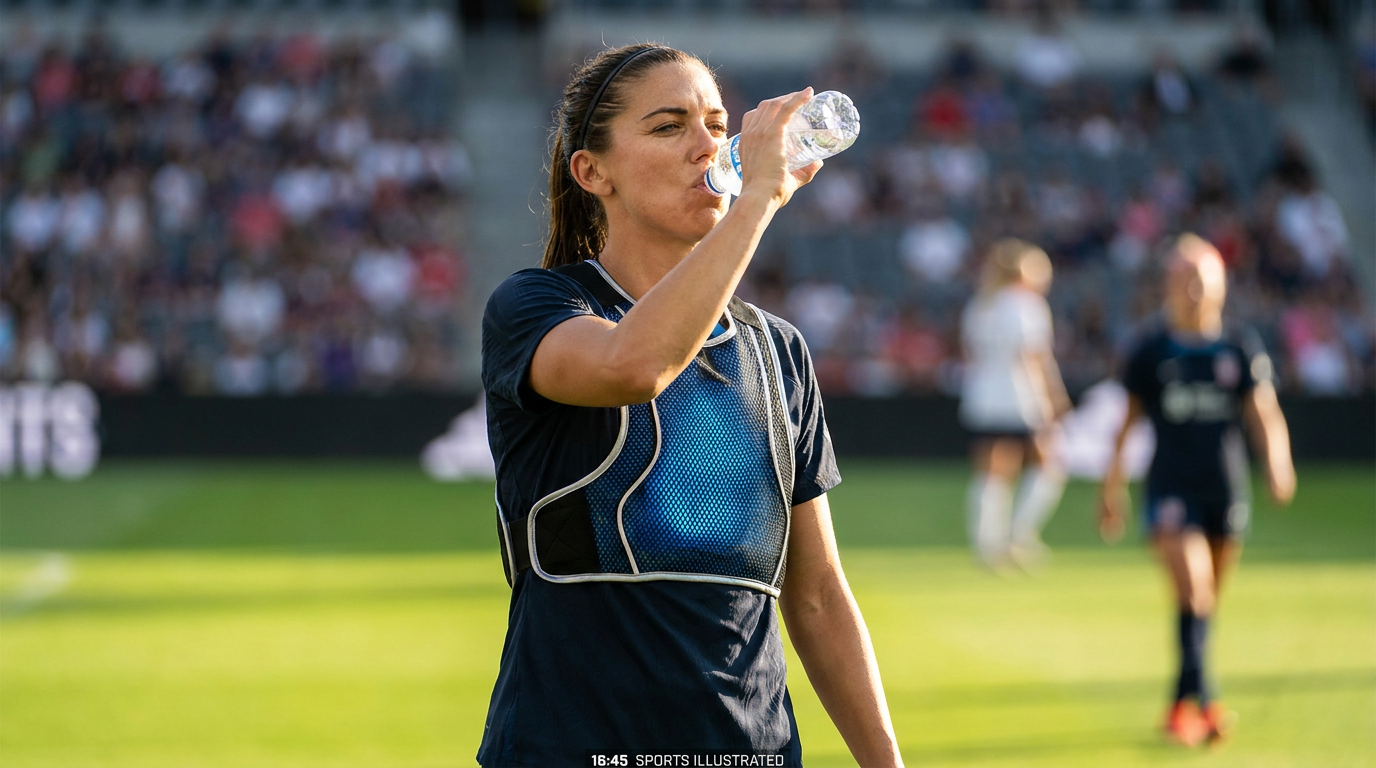
- Pre-cooling with phase-change vests lowers starting body temperature, creating a 'heat sink' that delays the onset of critical hyperthermia.
- Ingesting ice slushies is highly effective for internal cooling because the phase change from solid to liquid absorbs massive amounts of metabolic heat.
- Menthol mouth rinses improve thermal comfort but do not lower actual core temperature, requiring careful monitoring to prevent overexertion.
The summer of 2026 is pushing the limits of human endurance. With the FIFA World Cup spanning the often-sweltering climates of North America and global temperatures continuing their upward trend, elite athletes are facing a formidable invisible opponent: thermal stress. In endurance and team sports, the heat is no longer just a discomfort; it is a primary physiological limiter that dictates pacing, strategy, and survival. To combat this, sports science has shifted its focus from simple hydration to advanced thermoregulation, employing a sophisticated blend of biological adaptation and wearable technology.[6]
The fundamental problem with exercising in the heat is a biological conflict of interest. When an athlete competes, their working muscles require massive amounts of oxygen-rich blood to sustain energy output. Simultaneously, the body must dissipate the metabolic heat generated by those muscles to prevent fatal hyperthermia. It does this by redirecting blood flow to the skin, where heat can be lost to the environment through sweat evaporation. This creates a cardiovascular tug-of-war: blood sent to the skin is blood stolen from the muscles.[1]
As ambient temperatures rise, this cardiovascular strain intensifies. Research indicates that athletic performance drops by an estimated 0.3 to 0.9 percent for every single degree Celsius increase above a baseline of 10°C. If an athlete's core body temperature reaches the critical threshold of approximately 39.5°C, the central nervous system intervenes. Muscle recruitment is throttled, perceived exertion skyrockets, and the athlete is forced to slow down—a protective mechanism to prevent exertional heat stroke.[1][4]
To delay this critical threshold, sports physiologists rely on a non-negotiable foundation: heat acclimatization. According to consensus statements from leading sports medicine bodies, acclimatization is the single most effective intervention an athlete can adopt to reduce physiological strain. It is a deliberate, progressive exposure to heat stress that forces the body to undergo a series of profound biological upgrades, fundamentally altering how it handles thermal loads.[2]

The timeline for these upgrades is remarkably consistent across human populations. A proper heat acclimatization protocol requires 7 to 14 days of repeated exercise in conditions that mimic the target competition environment. During the first few days, the cardiovascular system takes the brunt of the stress, characterized by high heart rates and rapid fatigue. However, by the end of the first week, the body initiates a cascade of molecular and systemic changes that dramatically improve its cooling efficiency.[1][2]
The most immediate and vital adaptation is plasma volume expansion. Within days of heat exposure, the body retains more water and sodium, increasing the liquid portion of the blood by up to 10 percent. This expanded blood volume is a game-changer for athletes. It provides a larger cardiovascular reservoir, allowing the heart to pump sufficient blood to both the working muscles and the skin without suffering a catastrophic drop in blood pressure or stroke volume.[2]
Following the cardiovascular adaptations, the body's sweating mechanism undergoes a radical overhaul. Acclimatized athletes begin sweating earlier in their exercise bouts, and they sweat in greater volumes. Crucially, the sweat glands become highly efficient at reabsorbing sodium, meaning the sweat becomes more dilute. This allows the athlete to dissipate massive amounts of heat through evaporative cooling while preserving critical electrolytes, delaying the onset of debilitating cramps and hyponatremia.[2]
Following the cardiovascular adaptations, the body's sweating mechanism undergoes a radical overhaul.
Despite these remarkable biological adaptations, human physiology has its limits. In extreme environments with high humidity—where sweat drips off the body rather than evaporating—even fully acclimatized athletes will eventually see their core temperatures creep toward the redline. This is where modern sports science pivots from biological adaptation to external technological interventions, specifically the practice of pre-cooling.[1]

Pre-cooling is designed to artificially lower an athlete's skin and core temperature before the starting gun even fires. By starting an event with a lower core temperature, the athlete creates a larger "heat sink"—essentially buying themselves more time and thermal capacity before they hit the 39.5°C performance cliff. Meta-analyses of endurance athletes show that effective pre-cooling can significantly improve time-to-exhaustion and overall power output in hot conditions.[4]
The gold standard for pre-cooling remains cold water immersion, commonly known as the ice bath. Submerging the body in water temperatures of 15°C to 20°C for up to 30 minutes rapidly extracts heat through conduction. While highly effective at lowering core temperature, ice baths present massive logistical hurdles. They are entirely impractical in the final moments before a match or race, as athletes need to stay mobile, complete dynamic warm-ups, and keep their muscles primed for explosive movements.[4]
To solve this logistical nightmare, sports technologists developed the modern cooling vest. Unlike traditional ice packs that can cause cold shock and restrict blood flow, today's vests utilize advanced phase-change materials. These chemical packs are engineered to hold a steady, moderate temperature—typically around 14°C—for over an hour. Athletes can wear these lightweight, articulated garments during their active warm-ups, effectively stripping heat from the skin without freezing the underlying working muscles.[3][4]

While pre-cooling handles the warm-up, "per-cooling"—cooling during the actual event—presents an entirely different set of challenges. In sports like cycling or marathon running, athletes are constantly in motion, making external garments a heavy, aerodynamic liability. Consequently, sports scientists have turned their attention inward, focusing on the gastrointestinal tract as a powerful avenue for heat extraction during competition.[6]
The most proven internal cooling strategy is the ingestion of ice slushies. The science relies on the physics of phase change: it takes a massive amount of thermal energy to convert solid ice into liquid water. When an athlete consumes a slushie, that thermal energy is pulled directly from the body's core. Studies demonstrate that ice slurries are significantly more effective at lowering core temperature than drinking liquid water of the exact same temperature, providing a measurable boost to endurance in the heat.[3][4]
A more controversial per-cooling tactic involves the use of menthol mouth rinses. Menthol stimulates the TRPM8 receptors in the mouth, tricking the brain into perceiving a rush of cold air. This powerful sensory illusion improves thermal comfort and lowers an athlete's perceived exertion, allowing them to push harder. However, physiologists warn that menthol does not actually lower core body temperature. By overriding the brain's natural heat-warning signals, athletes run the risk of pushing themselves dangerously close to exertional heat stroke.[5]

Today, the consensus among elite performance directors is the "Mixed Method" approach. Relying on a single intervention is rarely enough to combat severe thermal stress. Instead, athletes combine protocols: completing a 14-day acclimatization camp, wearing a phase-change vest during the warm-up, and ingesting ice slushies at halftime or aid stations. This multi-pronged strategy attacks heat accumulation from both the inside and the outside, yielding the greatest total reduction in thermoregulatory strain.[3]
The trickle-down effect of this elite research is already reshaping amateur athletics. Everyday runners and weekend warriors are increasingly adopting simplified versions of these protocols. While a dedicated 14-day heat camp may be out of reach, the principles of gradual exposure, pre-cooling with cold towels, and utilizing slushies over standard water are highly accessible. As the science of heat mitigation continues to evolve, it offers an empowering blueprint for safely navigating the realities of a warming world.[6]
How we got here
1945
Early military research on heat acclimatization is published, establishing the baseline for human thermal adaptation.
1996
The Atlanta Summer Olympics popularize the use of pre-cooling strategies, including early iterations of ice vests for endurance athletes.
2015
The British Journal of Sports Medicine publishes a landmark consensus statement standardizing the 7-to-14-day heat acclimatization protocol.
2026
Advanced phase-change materials and ingestible core-temperature sensors become standard equipment for elite summer competitions.
Viewpoints in depth
Clinical Sports Physiologists
Focus on the biological necessity of long-term heat adaptation and core temperature metrics.
For clinical researchers, there is no technological substitute for biological adaptation. They argue that while cooling vests and slushies are helpful adjuncts, the fundamental safety of an athlete relies on the plasma volume expansion and sweat-gland efficiency achieved through a strict 7-to-14-day heat acclimatization protocol. From this perspective, relying too heavily on external cooling without proper physiological adaptation is a dangerous gamble that masks underlying cardiovascular strain.
Applied Performance Coaches
Prioritize logistical feasibility, athlete compliance, and game-day execution.
Coaches on the ground view heat mitigation through a highly practical lens. While they acknowledge the gold standard of 14-day acclimatization, they often deal with condensed travel schedules that make full adaptation impossible. Therefore, they champion 'mixed method' technological interventions—like phase-change vests during warm-ups and ice slushies at halftime—because they are highly controllable, require zero extra training days, and deliver immediate, measurable performance boosts on game day.
Sports Technology Developers
Focus on pushing the boundaries of wearable materials and real-time biometric tracking.
The technology sector views thermal stress as an engineering problem to be solved. Developers are moving beyond static ice packs, focusing on advanced phase-change materials that perfectly balance weight, mobility, and heat extraction. Furthermore, they advocate for the widespread adoption of ingestible telemetry pills—tiny sensors swallowed by athletes that broadcast real-time core temperature data to the sidelines, allowing for precise, data-driven cooling interventions before an athlete ever reaches the danger zone.
What we don't know
- The exact rate at which heat acclimatization decays in highly trained elite athletes compared to the general population.
- Whether long-term, multi-season reliance on artificial pre-cooling blunts the body's natural physiological adaptations to heat.
- The precise optimal dosage of menthol required to improve thermal comfort without masking dangerous spikes in actual core temperature.
Key terms
- Core Temperature
- The internal temperature of the body's deep structures, typically maintained around 37°C but which can rise dangerously during intense exercise.
- Heat Acclimatization
- A biological adaptation process achieved through repeated exercise in hot environments, resulting in improved sweating and cardiovascular stability.
- Phase-Change Material
- Substances used in modern cooling vests that absorb and release thermal energy to maintain a constant, moderate temperature without causing cold shock.
- Pre-cooling
- Strategies like ice baths or cooling vests used before an event to lower starting body temperature and create a larger thermal buffer.
- Thermal Perception
- How hot or cold an athlete subjectively feels, which can be altered independently of actual core temperature using sensory compounds like menthol.
Frequently asked
Does drinking ice water actually lower core temperature?
Yes, but ice slushies are significantly more effective than cold liquid water. The physical process of melting the ice inside the stomach absorbs a massive amount of metabolic heat from the body's core.
How long do the benefits of heat acclimatization last?
The biological adaptations begin to decay after a few days without heat exposure, but the majority of the benefits—such as expanded plasma volume—are retained for two to four weeks.
Can athletes use a sauna to acclimatize to the heat?
Yes. Passive heat protocols, such as sitting in a sauna immediately after a workout, are a proven alternative for athletes who live in cool climates but are preparing for a hot-weather event.
Is menthol a safe cooling strategy for runners?
Menthol mouth rinses reduce the perception of heat and make exercise feel easier, but they do not lower actual core temperature. This can be dangerous if athletes push themselves too hard without monitoring their true thermal strain.
Sources
Source coverage
6 outlets
3 viewpoints surfaced





[1]British Journal of Sports MedicineClinical Sports Physiologists
Consensus recommendations on training and competing in the heat
Read on British Journal of Sports Medicine →[2]Gatorade Sports Science InstituteClinical Sports Physiologists
Heat Acclimatization to Improve Athletic Performance
Read on Gatorade Sports Science Institute →[3]Journal of Sports Science & MedicineApplied Performance Coaches
Effects of Mixed Pre-Cooling on High-Intensity Exercise in the Heat
Read on Journal of Sports Science & Medicine →[4]Sports MedicineApplied Performance Coaches
Practical Cooling Strategies During Continuous Exercise in Hot Environments: A Systematic Review and Meta-Analysis
Read on Sports Medicine →[5]Journal of Applied PhysiologySports Technology Developers
Menthol Mouth Rinsing and Cycling Performance in Females Under Heat Stress
Read on Journal of Applied Physiology →[6]Factlen Editorial TeamApplied Performance Coaches
Synthesis by Factlen editorial team
Read on Factlen Editorial Team →
More in sports
See all 5 stories →MLB Previews
Marlins Seek Series Sweep Against Giants Behind Red-Hot June Offense
6 sources

NL Matchup
Atlanta Braves Aim for Series Sweep Against Milwaukee Brewers in Clash of Division Leaders
6 sources

Interleague Play
Yankees and Reds Face Off in Rubber Match: Chase Burns Takes the Mound in the Bronx
8 sources

Every angle. Every day.
Get sports stories with full source coverage and perspective breakdowns delivered to your inbox.