
The Science of Building Umami in Plant-Based Cooking
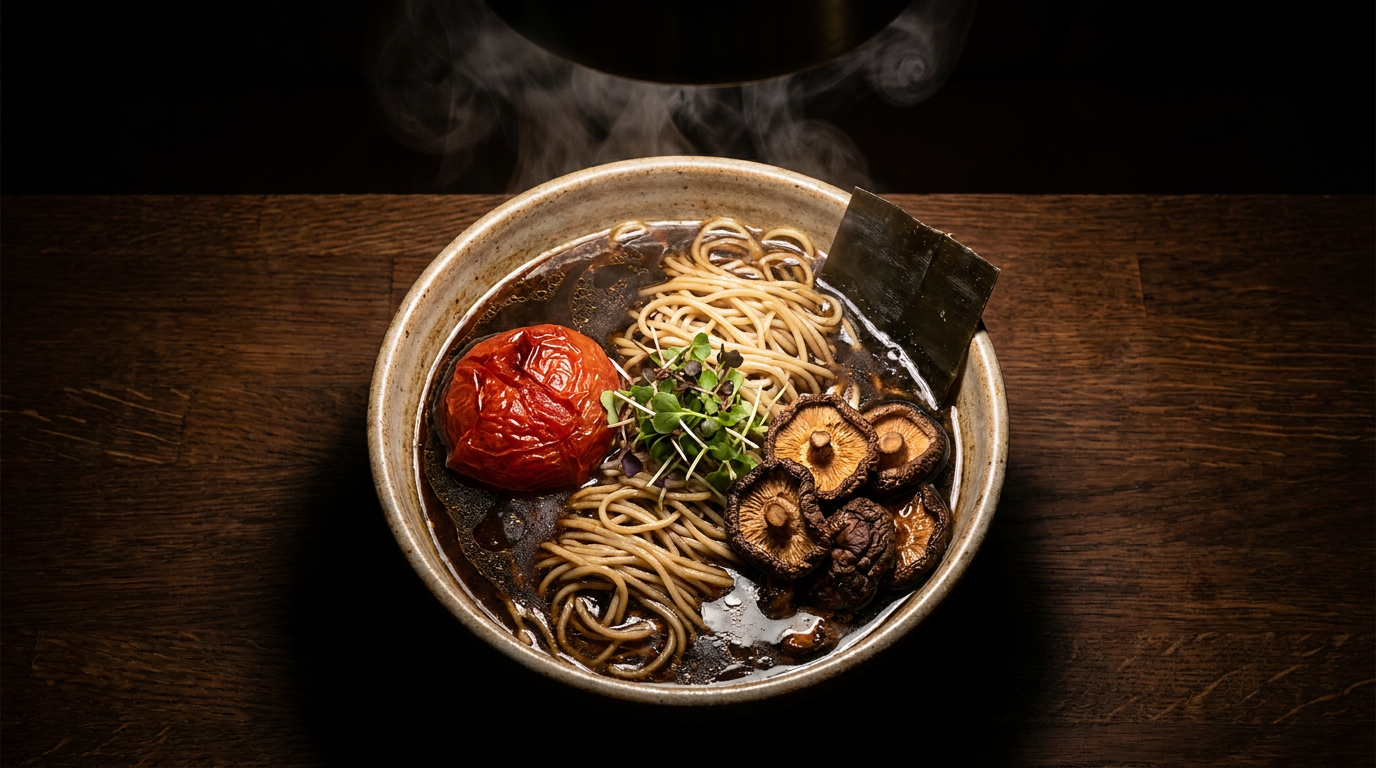
Food scientists and chefs are utilizing the molecular chemistry of umami synergy to give plant-based dishes the deep, savory satisfaction traditionally associated with meat.
By Factlen Editorial Team
Food Scientists 40%Plant-Based Chefs 35%Public Health Advocates 25%
- Food Scientists
- Focuses on the molecular interactions of amino acids and taste receptors to explain why we crave savory flavors.
- Plant-Based Chefs
- Emphasizes practical culinary techniques, like layering fermented ingredients and dried fungi, to build depth without meat.
- Public Health Advocates
- Values umami as a strategic tool for reducing dietary sodium while maintaining the palatability of sustainable diets.
What's not represented
- · Traditional Meat Producers
- · Highly Processed Vegan Meat Manufacturers
Why this matters
Understanding the chemistry of flavor empowers home cooks to create deeply satisfying, sustainable meals without relying on highly processed meat substitutes. It also offers a scientifically proven method for reducing dietary sodium without sacrificing taste.

More in food drink
See all 41 stories →Gut-Brain Axis
Psychobiotics and the Gut-Brain Axis: How Diet Shapes Mood and Mental Health
8 sources
Culinary Science
The Science of the Maillard Reaction: How Heat and Chemistry Transform Home Cooking
7 sources
Crop Science
Beyond Arabica: The Forgotten Coffee Species Making a Climate-Resilient Comeback
6 sources

Sustainable Viticulture
The Rise of PIWI Grapes: How Fungus-Resistant Vines Are Reshaping Sustainable Wine
6 sources

Stay informed
Every angle. Every day.
Get food drink stories with full source coverage and perspective breakdowns delivered to your inbox.