
Fat-Washing Spirits: The Chemistry Behind Savory Cocktails
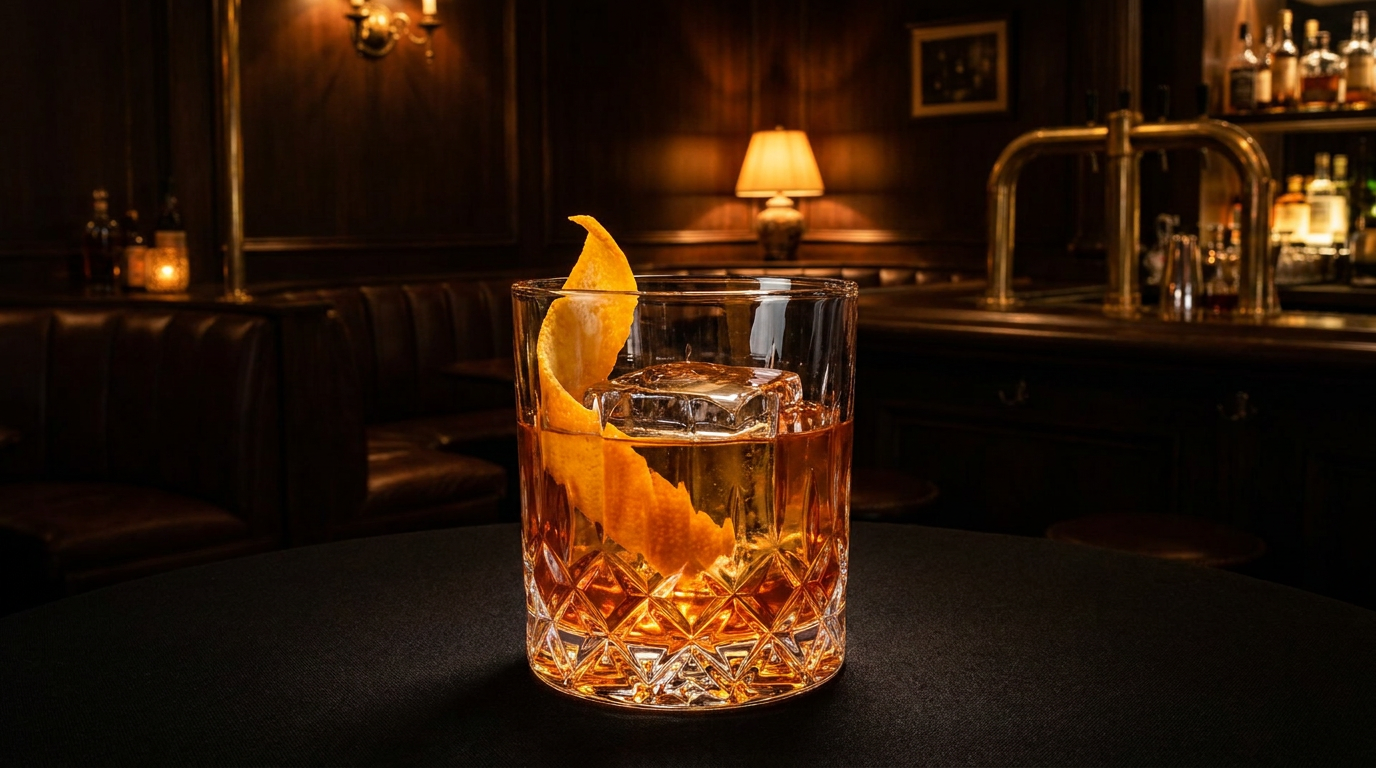
By leveraging the unique chemical properties of alcohol, bartenders are using a technique called fat-washing to infuse spirits with the savory flavors of bacon, butter, and olive oil.
By Factlen Editorial Team
- Culinary Mixologists
- Focus on flavor synergy, sensory experience, and pushing the boundaries of traditional cocktail profiles.
- Industrial Beverage Engineers
- Approach fat-washing as a problem of liquid-liquid extraction, mass transfer, and scalable chemistry.
- Home Bartending Enthusiasts
- Value the technique for its accessibility, requiring only basic kitchen equipment to elevate standard spirits.
What's not represented
- · Vegan mixologists adapting traditional animal-fat recipes
- · Cardiologists evaluating the trace lipid content in fat-washed drinks
Why this matters
Fat-washing demystifies the complex, savory cocktails found at high-end bars, revealing a straightforward chemical process that home mixologists can easily replicate to elevate their own drinks. Understanding this technique bridges the gap between culinary science and traditional bartending, opening up an entirely new dimension of flavor and texture.
More in food drink
See all 42 stories →Gut-Brain Axis
Psychobiotics and the Gut-Brain Axis: How Diet Shapes Mood and Mental Health
8 sources
Culinary Science
The Science of the Maillard Reaction: How Heat and Chemistry Transform Home Cooking
7 sources
Crop Science
Beyond Arabica: The Forgotten Coffee Species Making a Climate-Resilient Comeback
6 sources

Food Science
The Science of Building Umami in Plant-Based Cooking
8 sources
Every angle. Every day.
Get food drink stories with full source coverage and perspective breakdowns delivered to your inbox.