
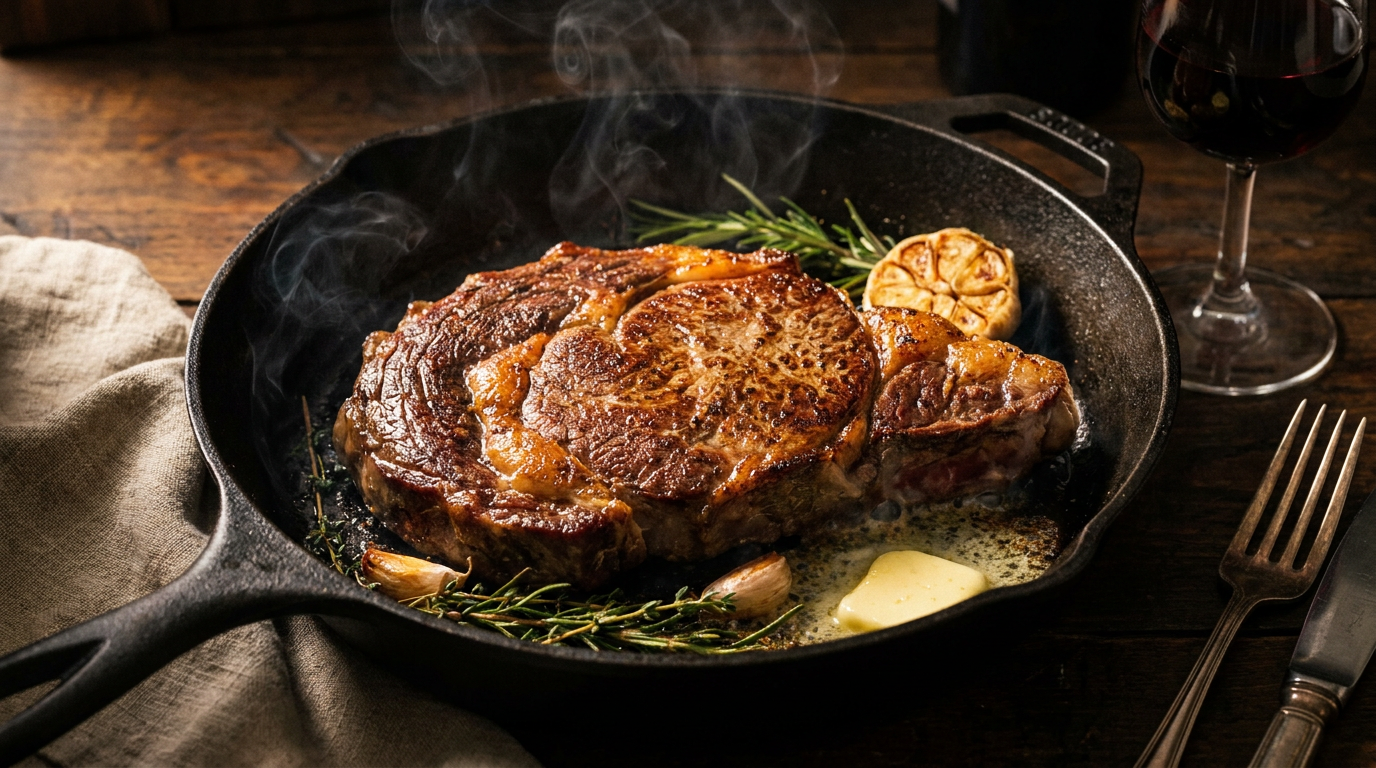
The Science of the Sear: How to Master the Maillard Reaction at Home
Understanding the chemistry behind the Maillard reaction is the secret to achieving restaurant-quality browning, crusts, and complex flavors in your own kitchen.
By Factlen Editorial Team
Culinary Scientists 40%Professional Chefs 35%Home Cooks 25%
- Culinary Scientists
- Focusing on the molecular pathways and thermodynamic thresholds of cooking.
- Professional Chefs
- Prioritizing practical techniques, heat management, and consistent results.
- Home Cooks
- Seeking accessible hacks and reliable methods to elevate weeknight dinners.
What's not represented
- · Vegetarian/Vegan Cooks (applying Maillard to plant-based proteins)
- · Cookware Manufacturers (designing pans for optimal heat retention)
Why this matters
By understanding the thermodynamics of cooking, you can stop ruining expensive cuts of meat and start unlocking the hundreds of savory flavor compounds that make restaurant food taste so good.
More in food drink
See all 45 stories →Drive-Thru Tech
The AI Drive-Thru Revolution: How Voice Bots and Automation Are Redesigning Fast Food
7 sources

Metabolic Health
The Science of Food Sequencing: How Eating Order Alters Blood Sugar
7 sources
Culinary Science
Fat-Washing Spirits: The Chemistry Behind Savory Cocktails
7 sources

Gut-Brain Axis
Psychobiotics and the Gut-Brain Axis: How Diet Shapes Mood and Mental Health
8 sources
Stay informed
Every angle. Every day.
Get food drink stories with full source coverage and perspective breakdowns delivered to your inbox.