
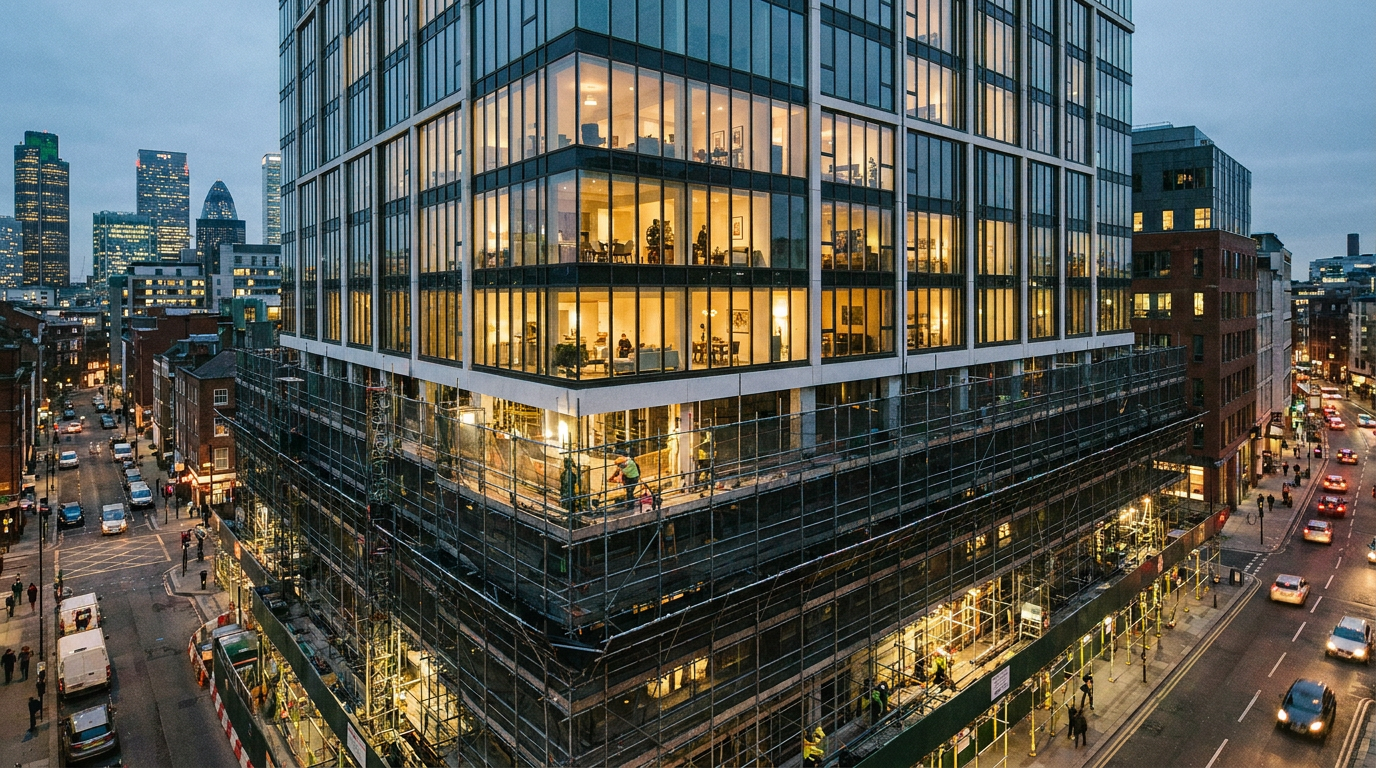
The Evidence Pack: How Empty Offices Are Becoming Affordable Housing in 2026
With over 90,000 units in the pipeline, adaptive reuse is transforming hollowed-out commercial districts into vibrant residential neighborhoods.
By Factlen Editorial Team
Urban Planners & Policymakers 40%Real Estate Developers 40%Environmental Advocates 20%
- Urban Planners & Policymakers
- City officials view conversions as a dual-purpose tool to rescue plummeting commercial tax revenues and inject life into hollowed-out downtowns.
- Real Estate Developers
- The private sector approaches conversions strictly through the lens of financial feasibility and structural risk.
- Environmental Advocates
- Sustainability experts champion adaptive reuse as a critical strategy for decarbonizing the built environment.
What's not represented
- · Current Office Tenants
- · Neighborhood Small Business Owners
Why this matters
As cities face a dual crisis of empty downtowns and severe housing shortages, office conversions offer a rare win-win. Understanding the economics and environmental benefits of this trend reveals how urban centers will evolve over the next decade.
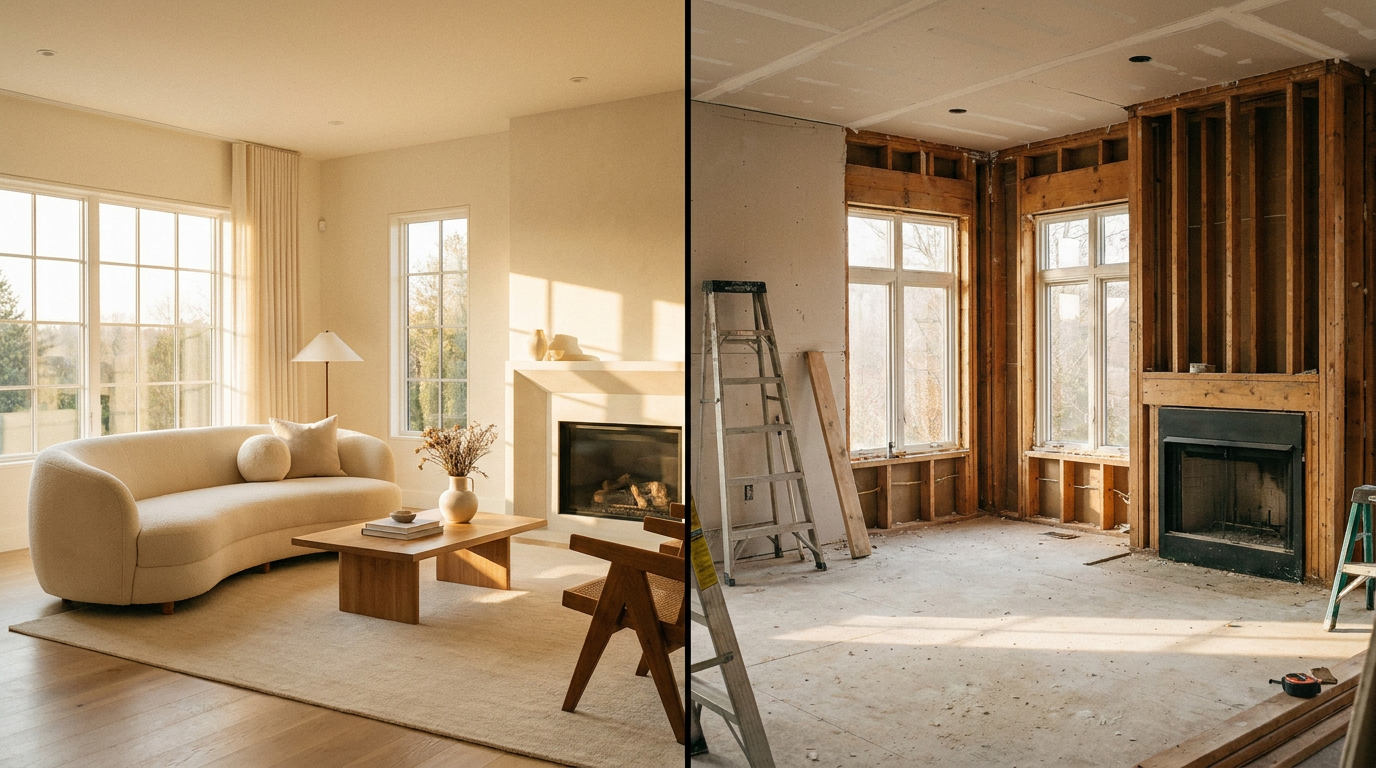
More in real estate
See all 38 stories →Homebuying
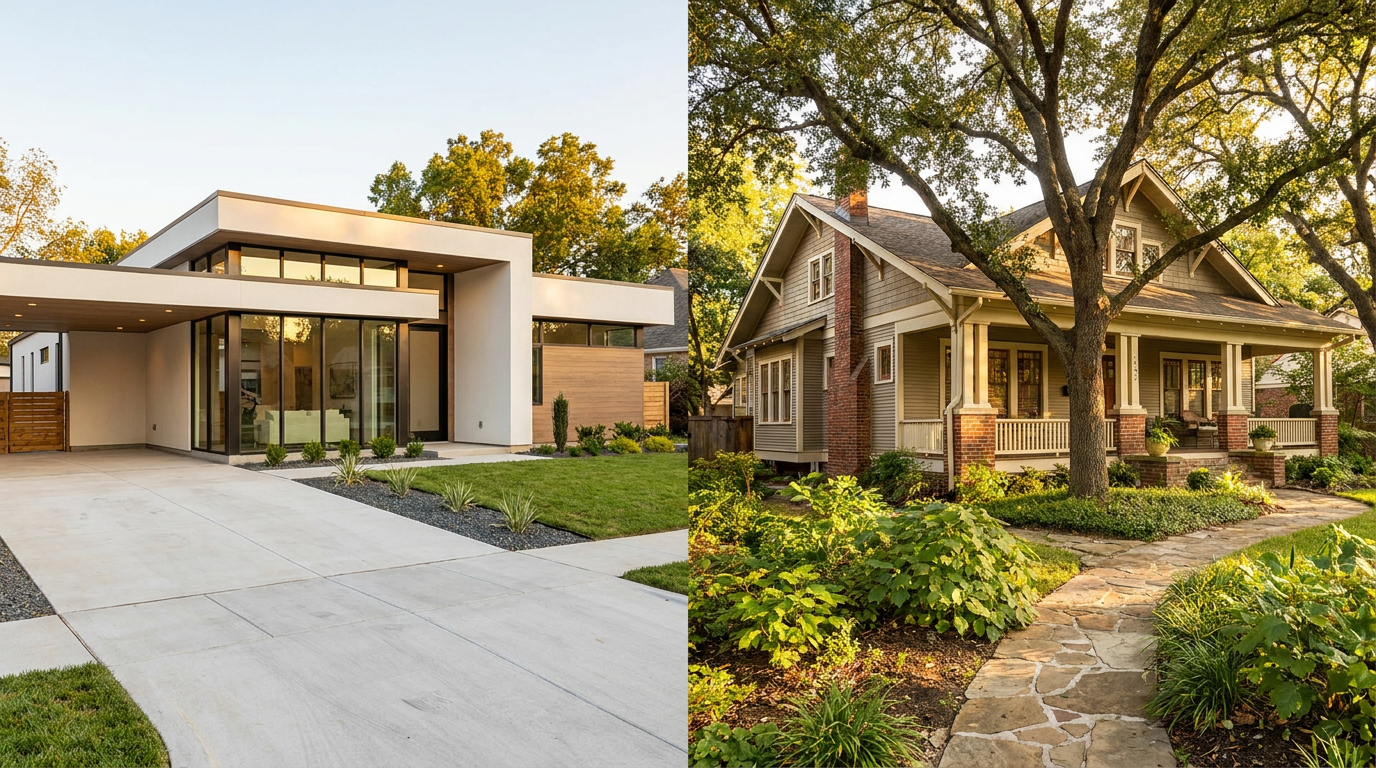
The 2026 Guide to Homebuying: New Construction vs. Existing Homes
8 sources
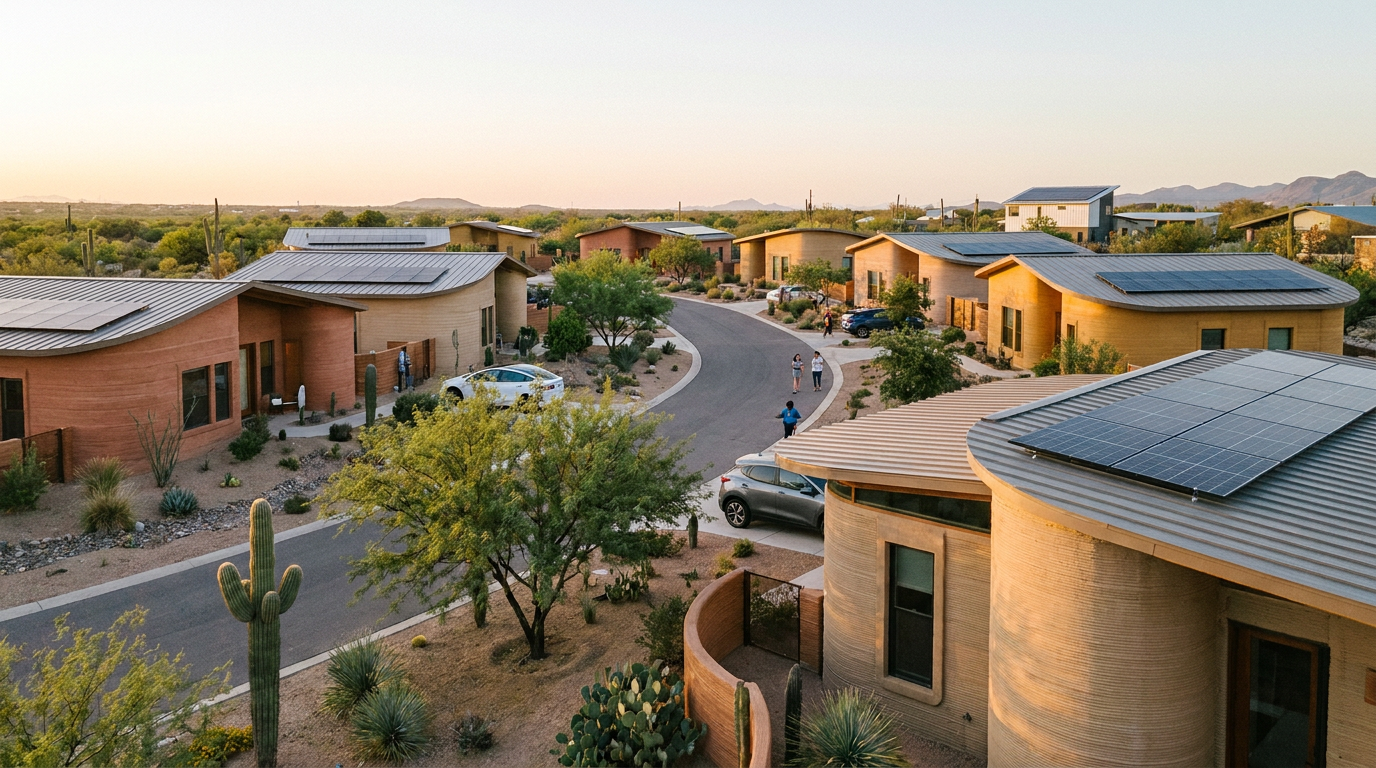
3D Printed Homes
The Global Rise of 3D-Printed Eco-Villages: How Automation is Tackling the Housing Crisis
8 sources
Zoning Reform
The Evidence Pack: How Upzoning and 'Missing Middle' Reforms Are Stabilizing Rents
8 sources
iBuyer Market
Selling to an iBuyer vs. a Traditional Agent: Which Strategy Fits You Best?
8 sources
Stay informed
Every angle. Every day.
Get real estate stories with full source coverage and perspective breakdowns delivered to your inbox.