
Buying a Turnkey Home vs. a Fixer-Upper: The 2026 Real Estate Math
With elevated interest rates and high construction costs in 2026, the classic debate between buying a move-in ready home and a fixer-upper has shifted. We break down the true costs, financing realities, and hidden risks of both paths.
By Factlen Editorial Team
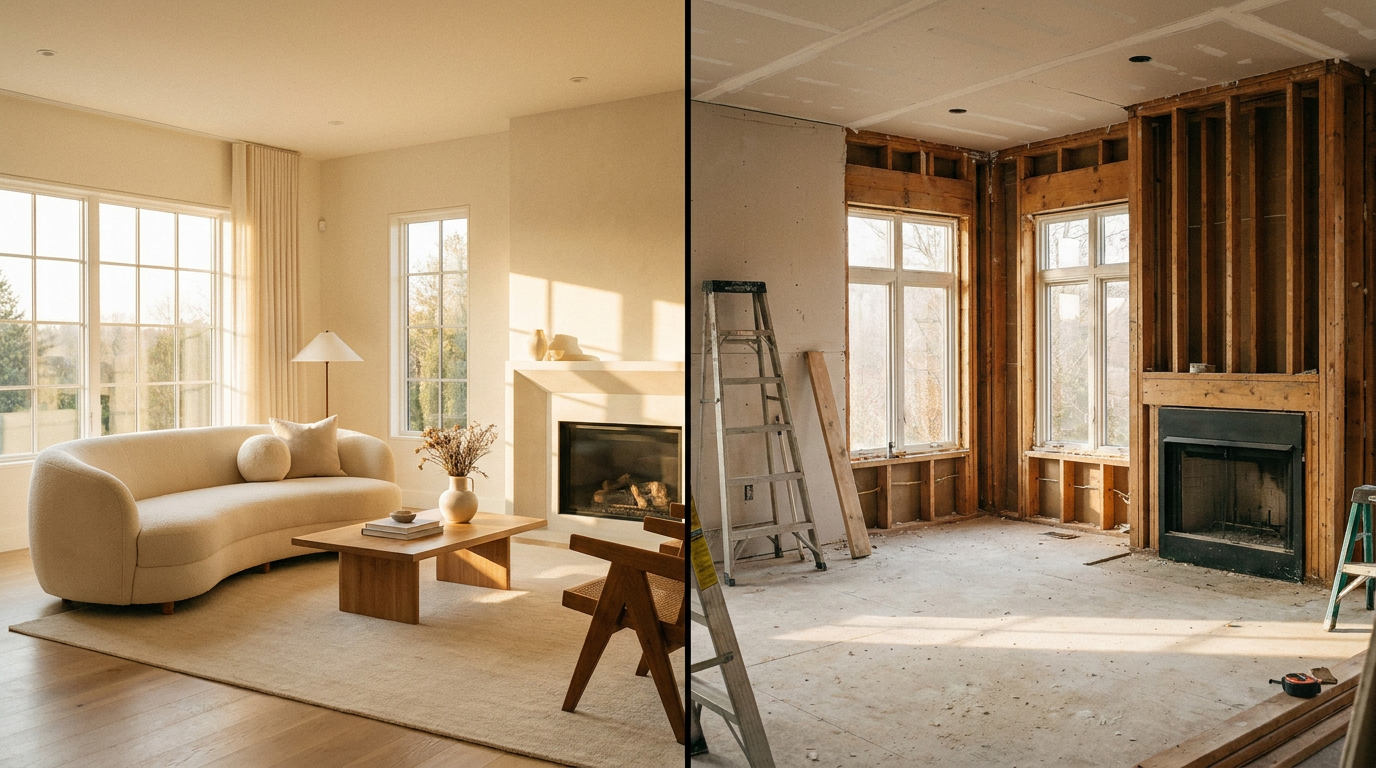
- Turnkey Buyers
- Value certainty, immediate comfort, and preserving cash reserves by rolling costs into a 30-year mortgage.
- Value-Add Investors
- Seek discounted properties to force equity through strategic renovations, comfortable managing contractors and timelines.
- Market Economists
- Analyze the widening price gap driven by high construction costs and buyer fatigue in the 2026 interest rate environment.
What's not represented
- · First-Time Homebuyers Priced Out
- · Local Zoning Boards
Why this matters
For anyone entering the housing market, choosing between a finished home and a renovation project dictates not just your initial purchase price, but your liquid cash reserves, your mortgage structure, and your daily stress levels for years to come. Understanding the current premium on convenience versus the true cost of construction prevents catastrophic budget overruns.

More in real estate
See all 39 stories →Homebuying
The 2026 Guide to Homebuying: New Construction vs. Existing Homes
8 sources
3D Printed Homes
The Global Rise of 3D-Printed Eco-Villages: How Automation is Tackling the Housing Crisis
8 sources
Zoning Reform
The Evidence Pack: How Upzoning and 'Missing Middle' Reforms Are Stabilizing Rents
8 sources
iBuyer Market
Selling to an iBuyer vs. a Traditional Agent: Which Strategy Fits You Best?
8 sources
Every angle. Every day.
Get real estate stories with full source coverage and perspective breakdowns delivered to your inbox.