
The 2026 Guide to Homebuying: New Construction vs. Existing Homes
With the historical price gap vanishing, homebuyers in 2026 face a complex trade-off between the warranties of new construction and the prime locations of existing properties.
By Factlen Editorial Team
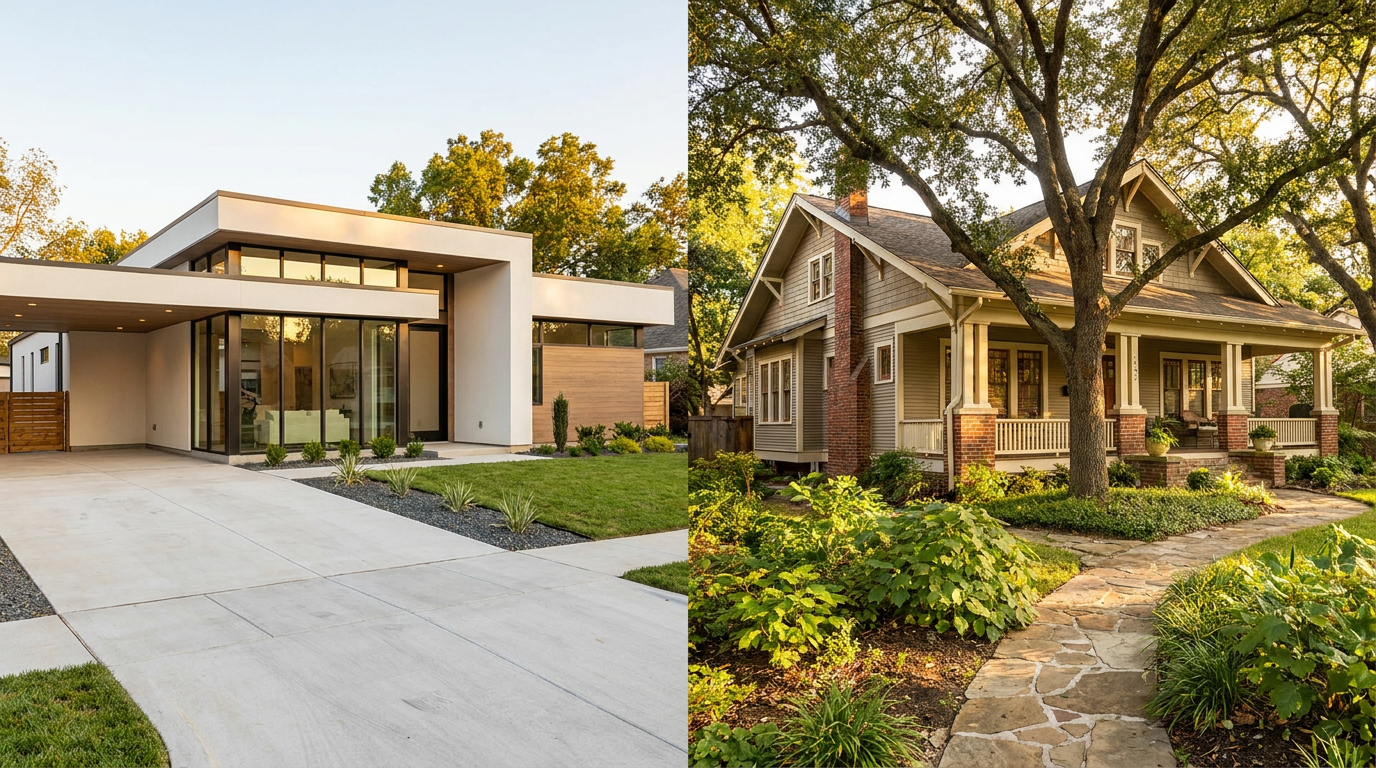
New Build Advocates 35%Resale Market Supporters 35%Real Estate Economists 30%
- New Build Advocates
- Buyers and builders prioritizing modern standards, energy efficiency, and financial predictability.
- Resale Market Supporters
- Homebuyers and urbanists who value established communities, architectural character, and proximity to city centers.
- Real Estate Economists
- Industry analysts tracking the structural shifts in housing inventory and pricing parity.
What's not represented
- · Environmental Advocates concerned about the ecological impact of suburban sprawl from new developments.
- · Low-Income Buyers entirely priced out of both the new and existing single-family markets.
Why this matters
For decades, buyers assumed new builds were a luxury out of reach. With existing home prices now matching or exceeding new construction in many markets, understanding the hidden costs of both options is essential to making a sound, empowering financial decision.

More in real estate
See all 39 stories →Real Estate Strategy
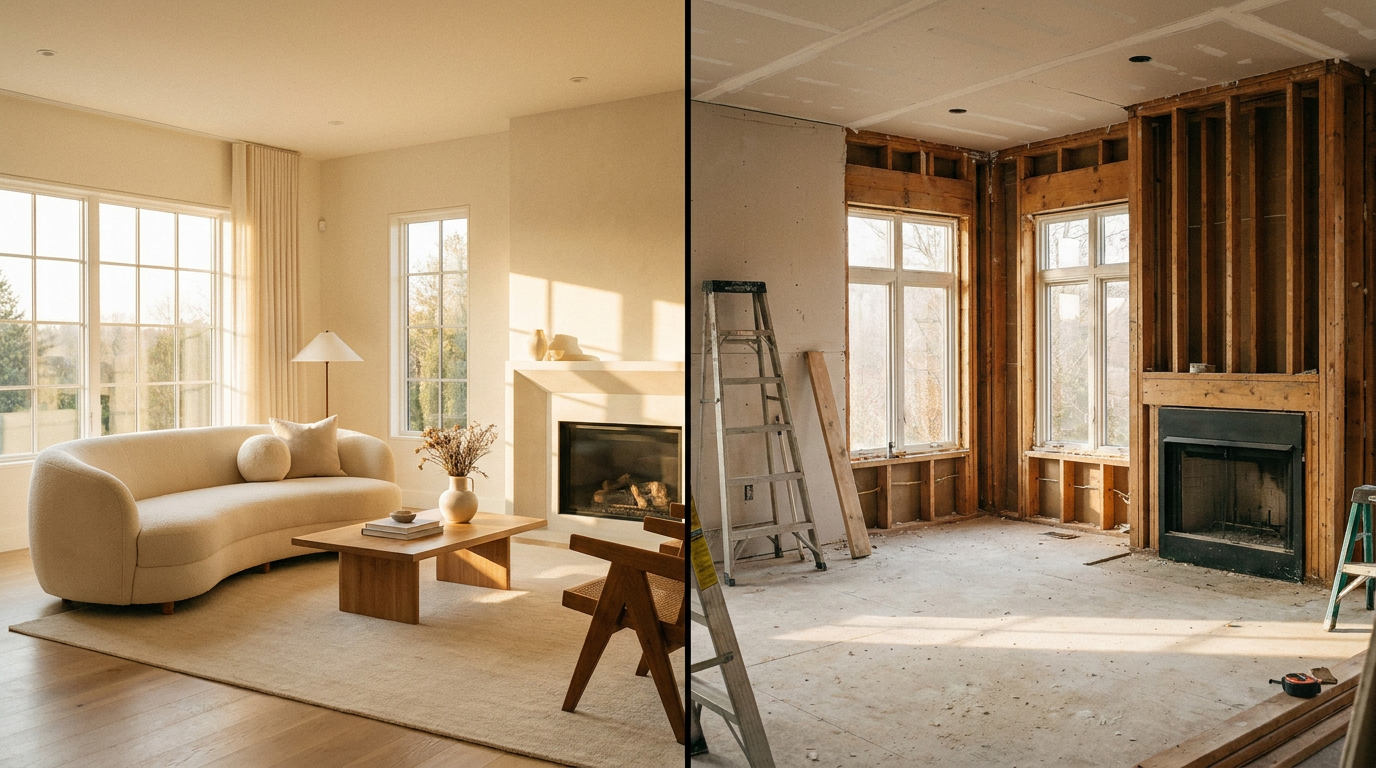
Buying a Turnkey Home vs. a Fixer-Upper: The 2026 Real Estate Math
7 sources
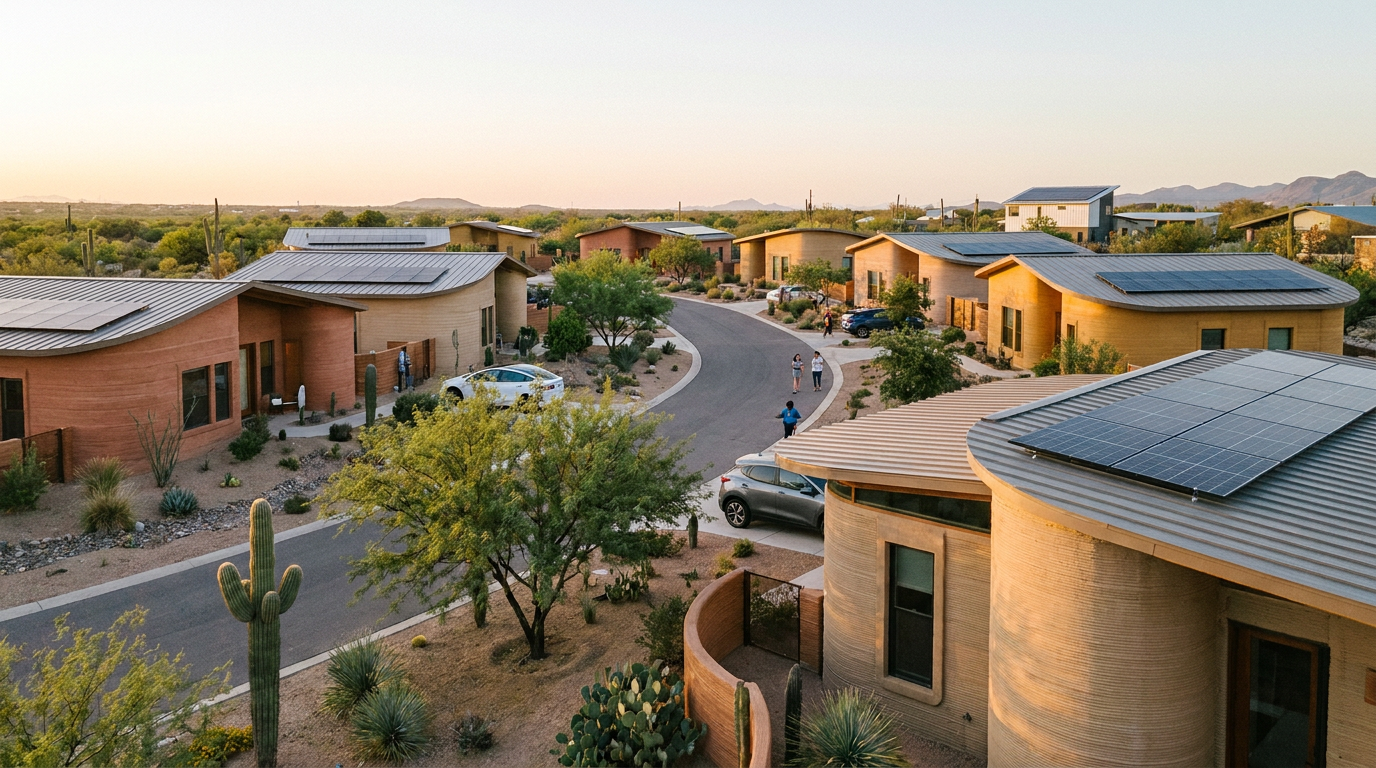
3D Printed Homes
The Global Rise of 3D-Printed Eco-Villages: How Automation is Tackling the Housing Crisis
8 sources
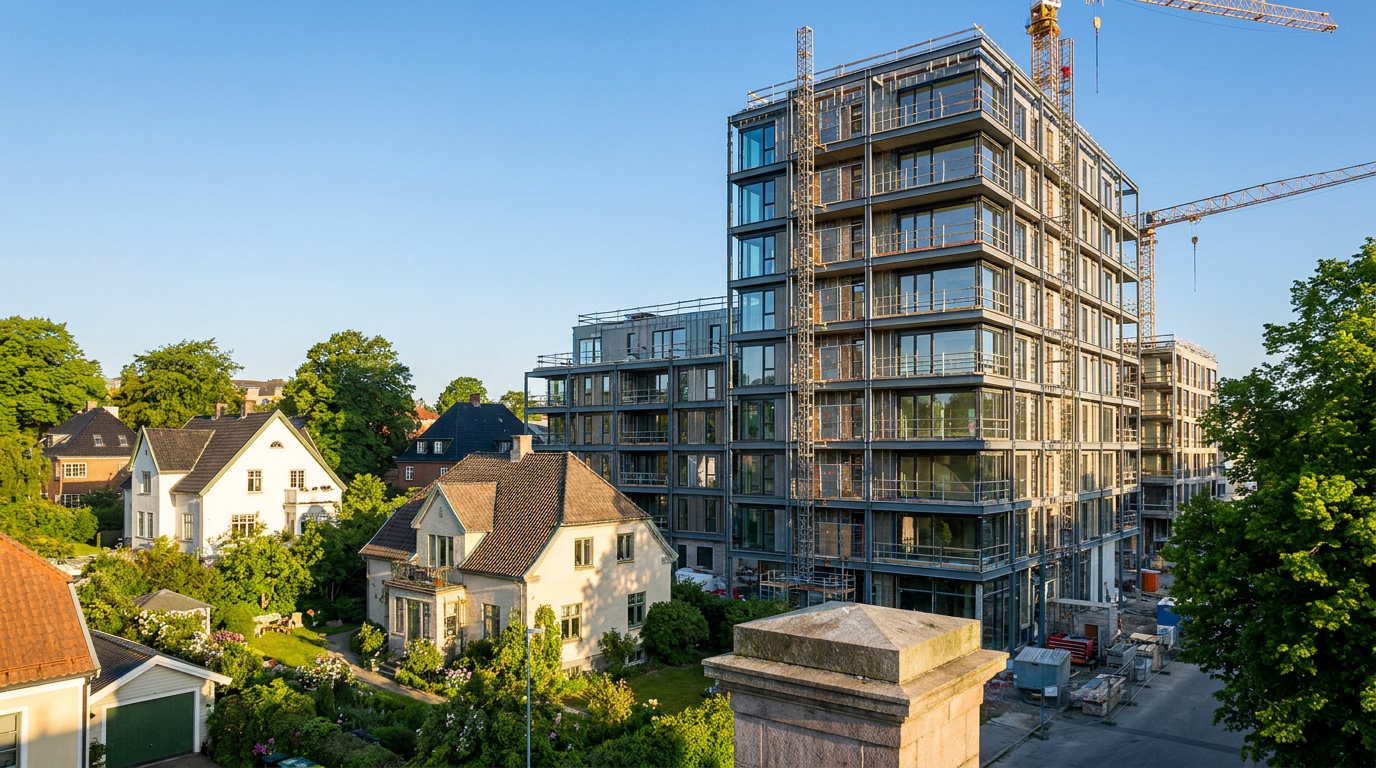
Zoning Reform
The Evidence Pack: How Upzoning and 'Missing Middle' Reforms Are Stabilizing Rents
8 sources
iBuyer Market
Selling to an iBuyer vs. a Traditional Agent: Which Strategy Fits You Best?
8 sources
Stay informed
Every angle. Every day.
Get real estate stories with full source coverage and perspective breakdowns delivered to your inbox.