
The Billion-Dollar Era of Women's Soccer: How the NWSL's 2026 Expansion Shattered Records
Fueled by record-breaking crowds, nine-figure expansion fees, and massive infrastructure investments, the National Women's Soccer League has entered a new stratosphere of commercial success in 2026.
By Factlen Editorial Team
- Sports Business Analysts
- Focus on the exponential growth of franchise valuations and commercial viability.
- Club Ownership & Management
- Emphasize the necessity of purpose-built infrastructure to maximize revenue and attract talent.
- Supporters & Grassroots Advocates
- Celebrate the accessibility, community-building, and long-overdue recognition of female athletes.
What's not represented
- · European club executives competing for the same global talent pool
- · Players negotiating collective bargaining agreements amid rising revenues
Why this matters
The explosive growth of the NWSL proves that women's sports are no longer just a cause to support, but a highly lucrative, mainstream entertainment product. This commercial viability is driving massive investments in local infrastructure, creating new jobs, and providing female athletes with unprecedented financial security and world-class facilities.
Key points
- The NWSL's 2026 opening weekend drew a record 129,202 fans across eight matches.
- Expansion side Denver Summit FC set the all-time single-game attendance record with 63,004 fans.
- Franchise valuations have skyrocketed, with Denver paying a $110 million expansion fee.
- Clubs are investing heavily in purpose-built infrastructure, including new stadiums and performance centers.
- Rising revenues are funding record-breaking player contracts, such as Catarina Macario's $8 million deal.
The narrative around women's professional sports has permanently shifted from a story of potential to one of undeniable commercial dominance. While international tournaments have long drawn massive global audiences, 2026 marks the year the club game in the United States fully matured into a billion-dollar industry. The National Women's Soccer League (NWSL) kicked off its expanded 16-team season this spring not just by breaking records, but by obliterating them, signaling a new era of mainstream sports entertainment.[2][7]
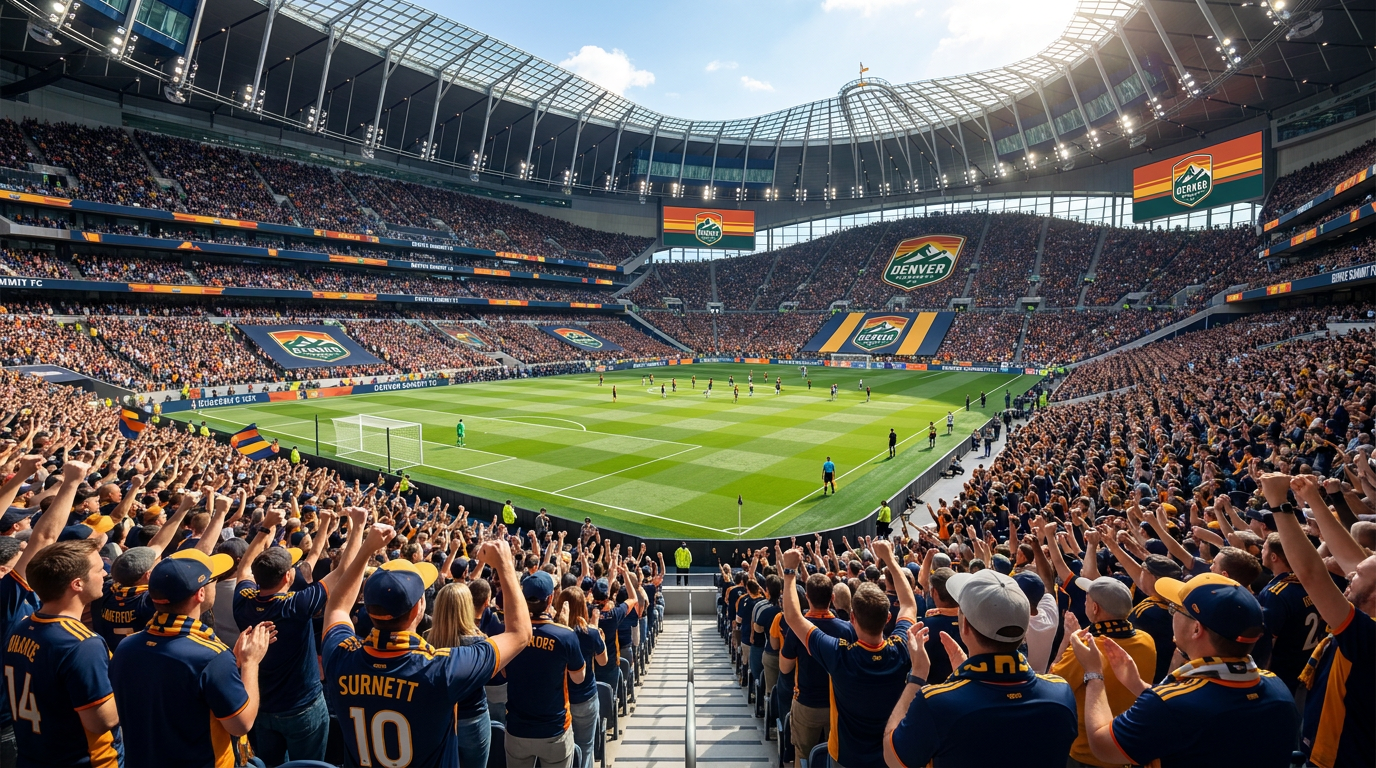
The most striking evidence of this shift materialized in the Rocky Mountains. On March 28, the expansion Denver Summit FC hosted their inaugural home match against the Washington Spirit at Empower Field at Mile High. The game drew an astonishing 63,004 fans, shattering the all-time NWSL single-game attendance record by a margin of nearly 23,000 tickets. The sheer scale of the crowd—filling an NFL stadium for a women's club match—transformed a regular-season debut into a cultural event.[1][4]
Denver's milestone was the crown jewel of a historic opening weekend across the league. The NWSL welcomed 129,202 fans across eight matches, averaging 16,150 attendees per game. Seven of those eight matches drew crowds exceeding 10,000 fans. On the East Coast, the league's other 2026 expansion side, Boston Legacy FC, drew 30,207 fans to Gillette Stadium for their inaugural match against Gotham FC, setting a separate record for the largest crowd ever at a club's first-ever game.[2][5]

This explosion in ticket sales is directly tied to a massive influx of institutional capital. Just a few years ago, the entry fee for an NWSL franchise was a relatively modest sum; teams in Los Angeles and San Diego paid roughly $2 million between 2020 and 2022. By contrast, the Denver Summit FC ownership group paid a reported $110 million expansion fee in early 2025 to secure the league's 16th slot. That exponential leap in valuation reflects a fundamental repricing of women's sports assets by private equity and billionaire investors.[3][4]
The capital flowing into the league is fundamentally changing how teams operate, particularly regarding infrastructure. Historically, women's soccer teams have been secondary tenants in massive NFL stadiums or smaller collegiate facilities, limiting their ability to control matchday revenue. The paradigm shifted in 2024 when the Kansas City Current opened CPKC Stadium, the first venue in the world purpose-built for a women's professional team. Now, dedicated real estate is becoming the standard rather than the exception.[4][7]

The capital flowing into the league is fundamentally changing how teams operate, particularly regarding infrastructure.
Denver's long-term strategy exemplifies this infrastructure boom. While the Summit are currently utilizing existing mega-venues and temporary setups, the club is actively developing a 14,500-seat stadium at the Santa Fe Yards, a 14-acre entertainment district south of downtown Denver slated to open in 2028. Simultaneously, the team is building a $20 million, 20,000-square-foot performance center in Centennial, Colorado, featuring elite recovery spaces and holistic, athlete-first designs tailored specifically to female professionals.[4]
The ripple effects of this commercial viability are extending beyond the top flight. In Cleveland, the local soccer group recently announced plans to build a $50 million, 10,000-seat stadium downtown. While Cleveland narrowly missed out on the latest round of NWSL expansion, the city is pivoting to launch a founding team in WPSL Pro, a new Division II women's league launching in 2026. Investors are now willing to finance nine-figure real estate projects for second-division women's soccer—a concept that would have been unthinkable a decade ago.[6]

On the pitch, the influx of revenue is driving unprecedented player compensation and global talent acquisition. Ahead of the 2026 season, U.S. Women's National Team forward Catarina Macario signed with the San Diego Wave in a landmark transfer. Utilizing the NWSL's new high-impact player rule, the Wave secured Macario through the 2030 season on a contract with a total value of approximately $8 million. Deals of this magnitude ensure the NWSL remains the premier destination for the world's best players amid growing competition from heavily funded European clubs.[3]
For the fans filling these stadiums, the 2026 season represents the culmination of years of grassroots advocacy. Supporters who once had to travel across the country or rely on spotty internet streams to watch their favorite players are now filling lower bowls and upper decks in their own cities. The demographic of these crowds is notably diverse, blending traditional soccer diehards with families and a new generation of fans drawn to the inclusive, community-centric culture that women's soccer has cultivated.[1][5]
As the NWSL looks toward its 2026 Championship at Audi Field in Washington, D.C., the league's trajectory points entirely upward. The conversation has moved past proving that women's sports deserve a seat at the table. With shattered attendance records, soaring franchise valuations, and state-of-the-art stadiums rising across the country, the NWSL has firmly established itself as a primary economic driver in the global sports landscape.[2][7]
How we got here
2020–2022
NWSL expansion fees hover around $2 million for teams like Angel City and San Diego Wave.
March 2024
The Kansas City Current opens CPKC Stadium, the world's first stadium purpose-built for a women's professional team.
January 2025
Denver is awarded the 16th NWSL franchise for a record $110 million fee.
March 2026
Denver Summit FC and Boston Legacy FC debut, shattering league attendance records on opening weekend.
Viewpoints in depth
Sports Business Analysts
Focus on the exponential growth of franchise valuations and commercial viability.
Analysts point to the staggering jump in expansion fees—from $2 million to $110 million in just a few years—as proof that women's soccer has transitioned from a cause-based marketing initiative to a highly lucrative asset class. The willingness of private equity to fund $50 million to $100 million infrastructure projects indicates a strong belief that media rights and matchday revenues will continue to multiply in the coming decade.
Club Ownership & Management
Emphasize the necessity of purpose-built infrastructure to maximize revenue and attract talent.
For ownership groups, the days of renting massive, cavernous NFL stadiums are ending. Executives argue that controlling their own real estate—like Denver's planned Santa Fe Yards stadium or Kansas City's CPKC Stadium—is the only way to capture full matchday revenue, control the fan experience, and provide the elite, bespoke training facilities required to lure top international stars.
Supporters & Grassroots Advocates
Celebrate the accessibility, community-building, and long-overdue recognition of female athletes.
Fan groups and grassroots organizers view the 60,000-plus crowds as validation of what they have argued for decades: if you invest in and market women's sports properly, the audience will show up. They emphasize that the success of the 2026 season is a direct result of community-led movements that demanded local professional teams and created inclusive, vibrant supporter cultures.
What we don't know
- Whether the NWSL's next media rights deal will match the exponential growth seen in franchise valuations.
- How European super-clubs will respond financially to the NWSL's aggressive new player contracts.
Key terms
- Expansion Fee
- The price an ownership group pays to a league to establish a new franchise.
- Soccer-Specific Stadium
- A sports facility purpose-built for soccer, typically featuring seating close to the pitch, unlike larger, multi-purpose American football stadiums.
- High-Impact Player Rule
- An NWSL roster mechanism allowing teams to sign marquee talent outside the standard salary cap constraints.
Frequently asked
What is the NWSL single-game attendance record?
The record is 63,004 fans, set on March 28, 2026, during the Denver Summit FC's inaugural home match against the Washington Spirit.
How much did the Denver NWSL expansion team cost?
The Denver ownership group paid a reported $110 million expansion fee to join the league in 2025, a massive increase from the $2 million fees seen just a few years prior.
Are NWSL teams building their own stadiums?
Yes. Following the Kansas City Current's lead in 2024, several teams are investing in dedicated infrastructure, including Denver's planned 14,500-seat stadium at Santa Fe Yards.
Sources
Source coverage
7 outlets
3 viewpoints surfaced







[1]AP NewsSupporters & Grassroots Advocates
Denver Summit shatters NWSL crowd record with 63,004 fans at Mile High
Read on AP News →[2]NWSL OfficialSupporters & Grassroots Advocates
NWSL SETS OPENING WEEKEND ATTENDANCE RECORD TO KICK OFF 2026 SEASON
Read on NWSL Official →[3]Sports Business JournalSports Business Analysts
NWSL opening weekend sets attendance records; Macario signs historic deal
Read on Sports Business Journal →[4]The Colorado SunClub Ownership & Management
Denver to build women's soccer stadium, 14-acre entertainment area at redeveloped Santa Fe Yards
Read on The Colorado Sun →[5]Just Women's SportsSupporters & Grassroots Advocates
NWSL 2026 opening weekend shatters attendance records
Read on Just Women's Sports →[6]WKYCSports Business Analysts
Cleveland Soccer Group bringing WPSL Pro team, $50M stadium to downtown
Read on WKYC →[7]Factlen Editorial TeamClub Ownership & Management
Synthesis by Factlen editorial team
Read on Factlen Editorial Team →

More in sports
See all 7 stories →PDC ProTour
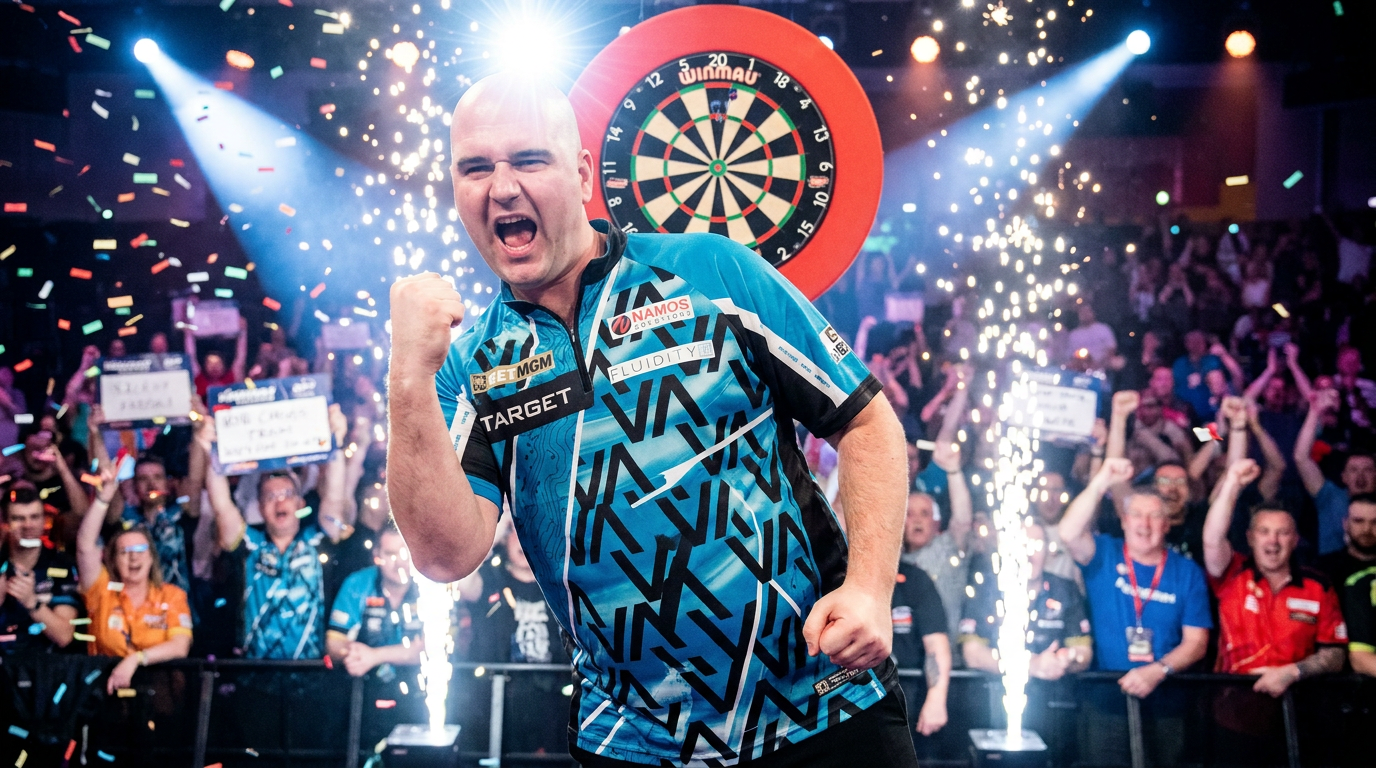
Rob Cross Defeats Stephen Bunting 7-3 in High-Quality Clash En Route to Players Championship 22 Title
6 sources
ProTour Darts
Maik Kuivenhoven Edges Tom Bissell in Last-Leg Thriller to Reach Maiden Players Championship Final
6 sources

Sports Tech
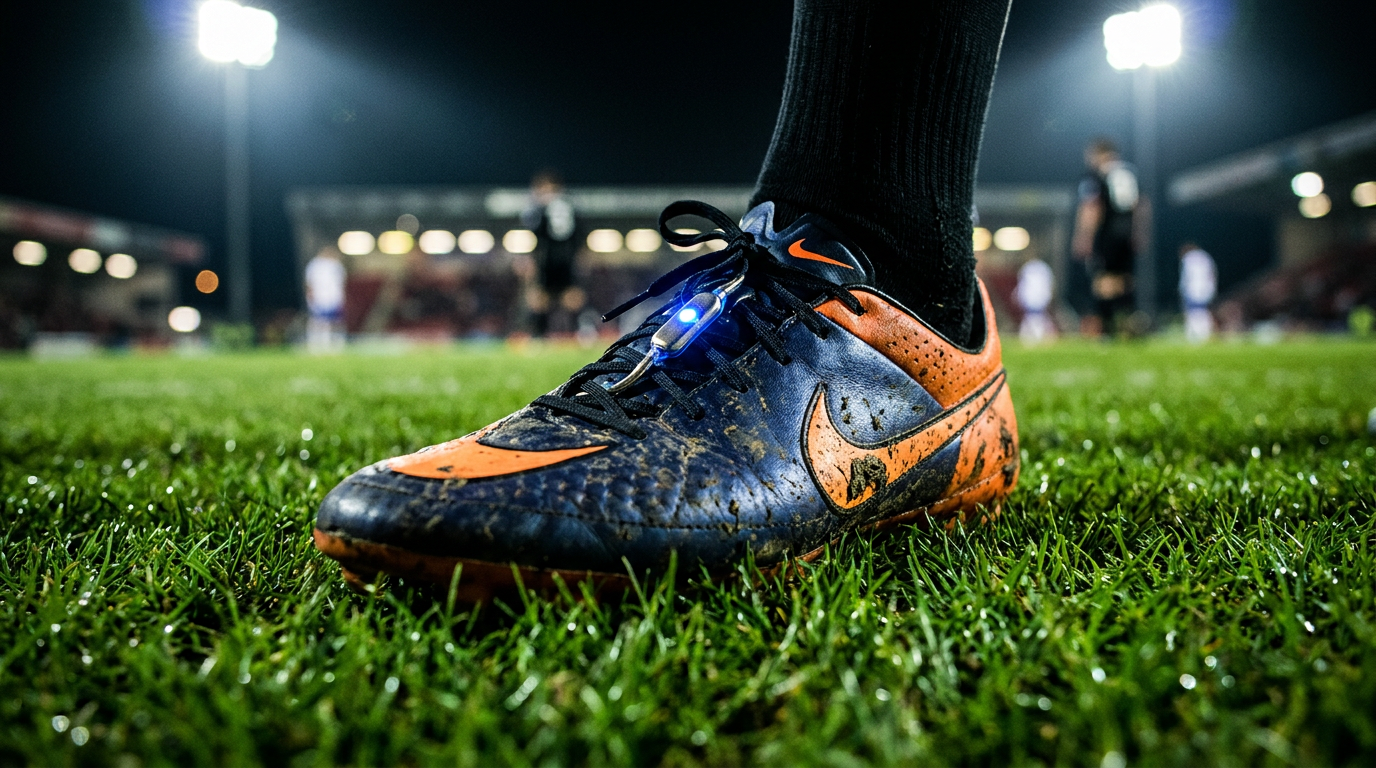
How AI and Smart Boots Are Eradicating Non-Contact Injuries in Professional Soccer
6 sources
ProTour Recap
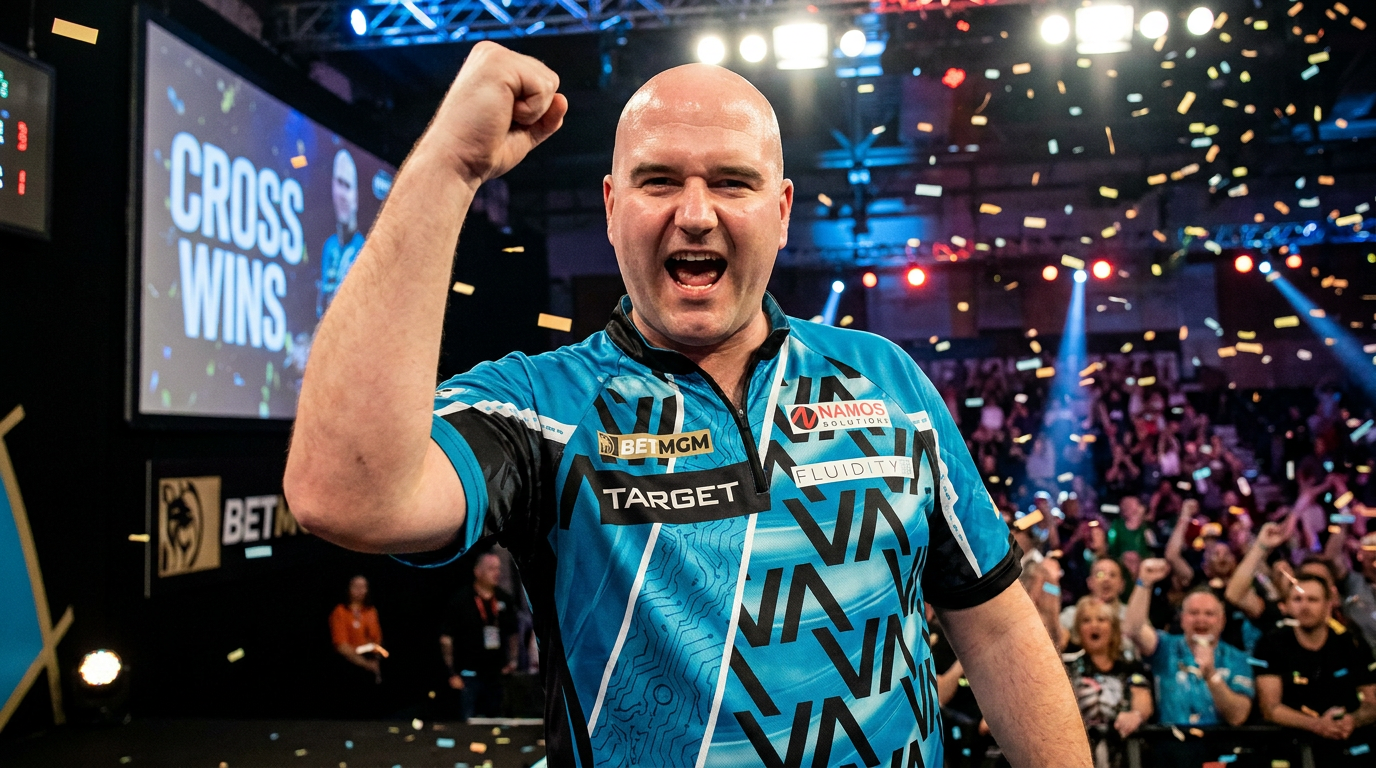
Rob Cross Ends 18-Month Title Drought With Players Championship 22 Victory in Wigan
6 sources
Every angle. Every day.
Get sports stories with full source coverage and perspective breakdowns delivered to your inbox.